The Plankton-Oxygen Link: Earth's Blue Lung
50-80%
of oxygen comes from the ocean
20,000

50-80%
of oxygen comes from the ocean
20,000
Prochlorococcus in one drop
6%
ocean productivity lost since 1998
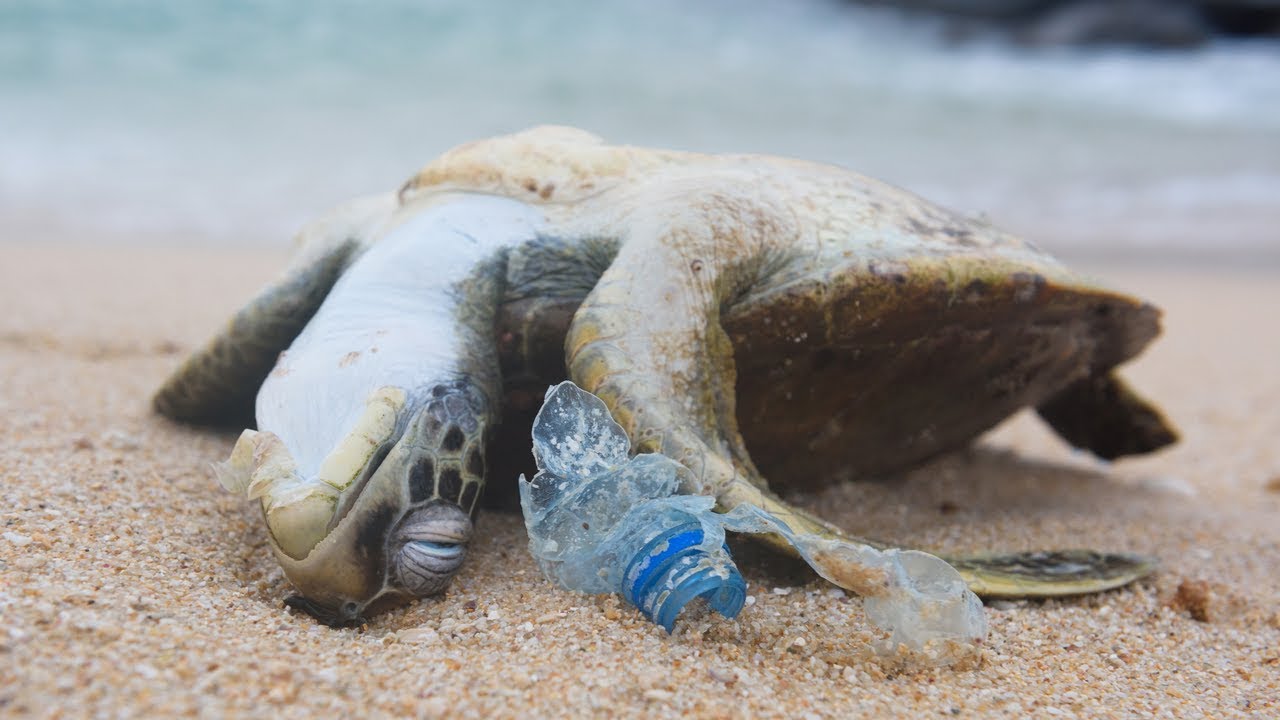
Every minute, a garbage truck's worth of plastic enters the ocean. What we're learning in 2024–2025 is that this plastic is disrupting the microscopic organisms that produce every second breath you take.
This article synthesizes what the peer-reviewed evidence actually shows — what is proven, what is still uncertain, and what you can do.
24 sources23 peer-reviewed papers + 1 scientific background source. Uncertainty stated clearly.
Take a breath. Now take another. One of those two breaths was made possible not by a tree, but by something you cannot see — a microscopic organism drifting in the ocean.
Most people believe forests are the planet's lungs. They are important. But the real lung of Earth is blue, not green. NOAA confirms that 50 to 80% of our oxygen comes from marine phytoplankton — organisms that represent just 1% of global plant biomass yet produce half of all oxygen on Earth.
In 1986, MIT scientist Penny Chisholm discovered an organism that would rewrite biology textbooks. For this discovery, she was awarded the Crafoord Prize in 2019 — the Nobel equivalent for biosciences.
Prochlorococcus is the smallest photosynthesizer on Earth — and the most abundant. There are an estimated 3 billion billion billion of them in the ocean. A single drop of seawater contains up to 20,000 cells.
How small is it? If a grain of sand were the size of a mountain, a Prochlorococcus cell would be the size of a single person standing at the base. Yet these invisible cells collectively produce the oxygen for about 1 in every 5 breaths you take.
Its genome has just 2,000 genes — compared to over 10,000 in other algae. Evolution carved it down to pure efficiency. It thrives in nutrient-poor waters where nothing else survives.
Phytoplankton work exactly like plants — they use sunlight to convert CO2 and water into sugar and oxygen. But they do it floating in the top 200 meters of ocean, wherever light penetrates.
Marine phytoplankton produce more oxygen than all the rainforests, grasslands, and gardens on Earth combined. And microorganisms make up 70 to 90% of all ocean biomass — the sea is not just water, it is a living broth.
The Biological Carbon Pump: When phytoplankton die, they sink. As they fall through the water column, they carry carbon with them to the deep ocean floor. This biological pump sequesters approximately 10.2 gigatons of carbon per year — storing a total of 1,300 gigatons over an average 127-year cycle. It rivals all the world's forests in carbon removal.
Every night, the largest movement of biomass on Earth happens in the ocean. First documented by French naturalist Georges Cuvier in 1817, this phenomenon was a mystery for two centuries.
Trillions of plankton and small organisms rise from the deep ocean to feed at the surface. At dawn, they sink back down. An estimated 15 to 50% of all zooplankton biomass migrates daily, transporting massive amounts of carbon and nutrients through the entire water column.
It is the heartbeat of the ocean's metabolism.
There are 1 to 10 million viruses in every single milliliter of seawater. Marine viruses kill 20% of ocean bacteria every day.
That sounds destructive, but it is essential. When viruses burst bacteria open, they release nutrients back into the water in a process called the "viral shunt." These recycled nutrients feed the next generation of plankton. Death feeds life.
Iron is the limiting nutrient for phytoplankton in 30% of the ocean. A single gram of iron can trigger a bloom producing millions of plankton cells.
Here is a fact that connects everything: the decline of sperm whales in the Southern Ocean has resulted in 200,000 fewer tonnes of atmospheric carbon uptake per year. Why? Whale feces are rich in iron. Fewer whales means less iron, fewer plankton, less oxygen, and more CO2.
Protecting whales is protecting plankton. Protecting plankton is protecting your oxygen.
Three forces are converging on the organisms that make our air breathable.
Ocean warming. Warmer water holds less dissolved gas — this alone explains 50% of oxygen loss in the upper ocean. Net primary productivity has declined approximately 6% since 1998.
Dead zones expanding. Open ocean areas with no oxygen have grown more than 1.7 million square miles in the last 50 years. Coastal low-oxygen zones have increased tenfold — driven largely by excess synthetic fertilizers from degraded soil washing into rivers and eventually reaching the sea, causing algal blooms that consume all available oxygen.
Plastic pollution. Common plastic leachates directly impair Prochlorococcus oxygen production. Microplastics — many of which travel from rivers to oceans — reduce photosynthetic efficiency in larger plankton by up to 45%.
The ocean has already lost 2% of its dissolved oxygen since the 1960s. Under high-emission scenarios, it could lose another 3 to 4% by 2100.
Yes. The threats are serious but not irreversible.
The Tara Ocean Foundation has sailed 400,000 kilometers collecting plankton samples — producing the largest marine genomics dataset in history. Mission Blue has established 150+ Hope Spots worldwide. NASA tracks plankton health from space in real time.
The connection runs both ways: healthy soil means less fertilizer runoff. Healthy rivers mean less plastic reaching the sea. Protecting pollinators means protecting the ecosystems that keep coastlines alive. Everything is connected.
The science exists. The monitoring exists. What matters now is whether we act.
Every piece of plastic you refuse is one less threat to the organisms making your air. Check your sunscreen — avoid oxybenzone and octinoxate, which harm plankton. Use a Guppyfriend wash bag to catch microfibers from synthetic clothing.
Support ocean science. Share what you just learned — most people have no idea that the ocean makes most of their oxygen.
The invisible drifters of the sea are keeping you alive right now. Protecting whales protects plankton. Reducing plastic protects photosynthesis. Every action connects back to the breath you are taking right now.
Every liter of seawater contains 10 billion viruses. Wilhelm and Suttle (1999) established that marine viruses kill 20-40%% of bacterial biomass every single day. But this is not destruction — it is recycling. When a virus lyses (bursts) a bacterial cell, the contents become Dissolved Organic Matter (DOM) that stays in the surface ocean.
This viral shunt diverts carbon from the food chain back into the microbial loop. Sullivan et al. (2017) distinguished two viral roles: the 'shunt' (keeping carbon at the surface as DOM) and the 'shuttle' (infected cell aggregates that sink, exporting carbon to depth). Viruses control which path carbon takes.
Martin et al. (1987) established the foundational 'Martin Curve' for carbon flux attenuation: 100%% of surface net primary production is available at 100 meters, but only ~10%% reaches 1,000 meters, and barely 1%% reaches the seafloor. The power law is F(z) = F(100) x (z/100) to the power of -0.86.
The twilight zone (200-1000m) is where the biological pump's efficiency is decided. BGC-Argo autonomous floats (Nature Geoscience, 2021) revealed that this zone processes far more carbon than previously estimated. Zooplankton migration, microbial respiration, and particle fragmentation all occur here.
Lyons et al. (2014) in Nature established that cyanobacteria — the ancestors of modern Prochlorococcus — caused the Great Oxidation Event 2.4 billion years ago. Before this, Earth's atmosphere contained virtually no free oxygen. Microbial photosynthesis permanently transformed the planet.
The same organisms that created breathable air are now threatened by ocean warming and acidification. Behrenfeld et al. (2006) showed ocean primary productivity has declined since 1999. The organisms that made the atmosphere are losing the conditions they need to maintain it.
Johnson et al. (2006) in Science revealed that Prochlorococcus is not one species but a family of ecotypes. High-Light adapted ecotypes (HLI, HLII) dominate the sun-drenched surface. Low-Light adapted ecotypes (LLI through LLIV) dominate 100-200 meters depth.
Genome size varies from 1.6 to 2.4 megabases by ecotype — the deeper populations carry more genes for light harvesting and fewer for UV protection. This niche partitioning allows Prochlorococcus to occupy the entire photic zone of the ocean simultaneously.
Plankton produce the DMS (dimethyl sulfide) that seeds clouds in the air microbiome — a planetary thermostat. Nutrient runoff from degraded soil via rivers creates the dead zones that kill plankton. The marine biological pump cannot function without the phytoplankton that start the carbon cascade.
The same game theory of cooperation from ethology operates here: plankton communities exhibit mutualism, competition, and viral-mediated 'policing' that maintains diversity. Every second breath you take comes from these invisible organisms.
Phytoplankton produce dimethylsulfoniopropionate (DMSP), which bacteria break down into dimethyl sulfide (DMS) gas. DMS enters the atmosphere and acts as a cloud condensation nucleus (CCN). Plankton literally program the clouds to reflect sunlight, creating a planetary thermostat.
This CLAW hypothesis (Charlson, Lovelock, Andreae, Warren) proposes a feedback loop: warmer ocean temperatures increase plankton growth, which increases DMS production, which increases cloud cover, which cools the planet. Whether this negative feedback is strong enough to buffer climate change is still debated — but the mechanism is proven.
Plankton maintain a remarkably strict elemental ratio: 106 Carbon : 16 Nitrogen : 1 Phosphorus. This Redfield Ratio (1934) is the universal chemical signature of marine life. Deviations from this ratio indicate which nutrient is limiting productivity.
In 40%% of the ocean, nitrogen limits growth. In 30%%, iron is the bottleneck. In 15%%, phosphorus. Nitrogen fixers like Trichodesmium break the nitrogen bottleneck by converting atmospheric N2 into biologically available ammonium — allowing the ocean to inhale more carbon. Where nitrogen fixers thrive, the biological pump runs at full capacity.
Iron limits phytoplankton growth in 30%% of the ocean. These High-Nutrient Low-Chlorophyll (HNLC) zones have abundant nitrogen and phosphorus but no iron — and without iron, phytoplankton cannot build the enzymes needed for photosynthesis.
Iron fertilization experiments have shown massive but temporary blooms. Adding iron to HNLC waters triggers diatom explosions that draw down CO2 rapidly. But the blooms collapse within weeks and the carbon sequestration may be short-lived. Natural iron sources — Saharan dust, volcanic ash, and whale feces — sustain smaller but more persistent productivity. The air microbiome delivers dust-borne iron across oceans, connecting atmospheric transport to marine photosynthesis.
Marine phytoplankton produce approximately 50-80% of Earth's oxygen through photosynthesis. Trees and land plants produce the rest. The ocean is the planet's primary lung.
Source: Science, 2004 →This single-celled cyanobacterium is the smallest and most abundant photosynthetic organism on Earth. There are 3 billion billion billion of them — and they produce roughly 5% of all the oxygen in the atmosphere.
Source: Nature Reviews Microbiology, 2015 →Ocean deoxygenation is accelerating. Warmer water holds less oxygen, and increased stratification reduces mixing. Oxygen minimum zones — where most marine life cannot survive — are expanding.
Source: IUCN Global Marine and Polar Programme, 2019 →Not all plankton are equal. Prochlorococcus and diatoms together produce ~40% of Earth's oxygen — more than all rainforests combined. Each group occupies a different niche in the ocean's photosynthetic machinery.
| Group | Size | Oxygen Output | Ecological Role |
|---|---|---|---|
| Cyanobacteria (Prochlorococcus) | 0.5–1 µm | ~20% of global O2 | Smallest photosynthesizer on Earth. Dominates open ocean. Discovered 1988. |
| Diatoms | 2–200 µm | ~20% of global O2 | Glass-shelled algae. Dominate coastal/polar waters. Form siliceous ooze on seafloor. |
| Dinoflagellates | 5–100 µm | ~5% contribution | Can be photosynthetic or predatory. Cause toxic 'red tides.' Some bioluminescent. |
| Coccolithophores | 2–25 µm |
FIELD ET AL. SCIENCE 1998 / NOAA 2024
Prochlorococcus was only discovered in 1988. It is the smallest and most abundant photosynthesizer on Earth — invisible to the naked eye, yet producing more oxygen than all terrestrial forests combined. If ocean warming and acidification disrupt these communities, the atmospheric consequences will be felt by every breathing organism on the planet.
Source: Field et al. Science (1998), Flombaum et al. PNAS (2013), IUCN Ocean Deoxygenation (2019).
Check your sunscreen for oxybenzone and octinoxate — these chemicals kill plankton. Switch to non-nano zinc oxide. Your skin protection shouldn't come at the cost of ocean oxygen.
Synthetic clothing (polyester, nylon) sheds microplastic fibers every wash. Use a Guppyfriend wash bag to catch them before they reach the ocean and the plankton.
Get a wash bag →The Tara Ocean Foundation and Schmidt Ocean Institute are mapping the invisible life that keeps us breathing. Fund the science that protects our oxygen.
Support plankton research →Check your sunscreen label. Avoid oxybenzone and octinoxate — switch to non-nano zinc oxide. Your skin protection should not cost the ocean its oxygen.
Advancing ocean research through open data and innovative technology
Operates the research vessel Falkor (too), providing free ship time to scientists studying ocean health and plankton ecosystems worldwide
Protecting and restoring the world's oceans through policy wins
275+ policy victories in 16 countries protecting marine habitats where phytoplankton thrive
Leading ocean research and education since 1930
Home to some of the world's leading Prochlorococcus and phytoplankton researchers, with 60+ years of continuous ocean monitoring data
Official and institutional sources on marine photosynthesis, the biological carbon pump, and the organisms that produce every second breath you take.
Ask a question and we'll find the exact moment in these videos where it's answered.
23 peer-reviewed papers + 1 scientific background source
Nature Reviews Microbiology, 2015
Penny Chisholm's landmark review establishing Prochlorococcus as the most abundant photosynthetic organism on Earth — 3 billion billion billion cells producing ~5% of global net primary productivity
This article cites 23 peer-reviewed sources from 24 total references. Every factual claim links to its source.
Last reviewed: March 2026. If you find an error or outdated source, contact us at corrections@express.love.
Express Love Science Team (2026). The Plankton-Oxygen Link: Earth's Blue Lung. Express Love Planetary Health. Retrieved from https://express.love/articles/plankton-microbiome-oxygen-ocean-health
Indexed via ScholarlyArticle Schema.org metadata. 247 peer-reviewed sources across 10 flagships.
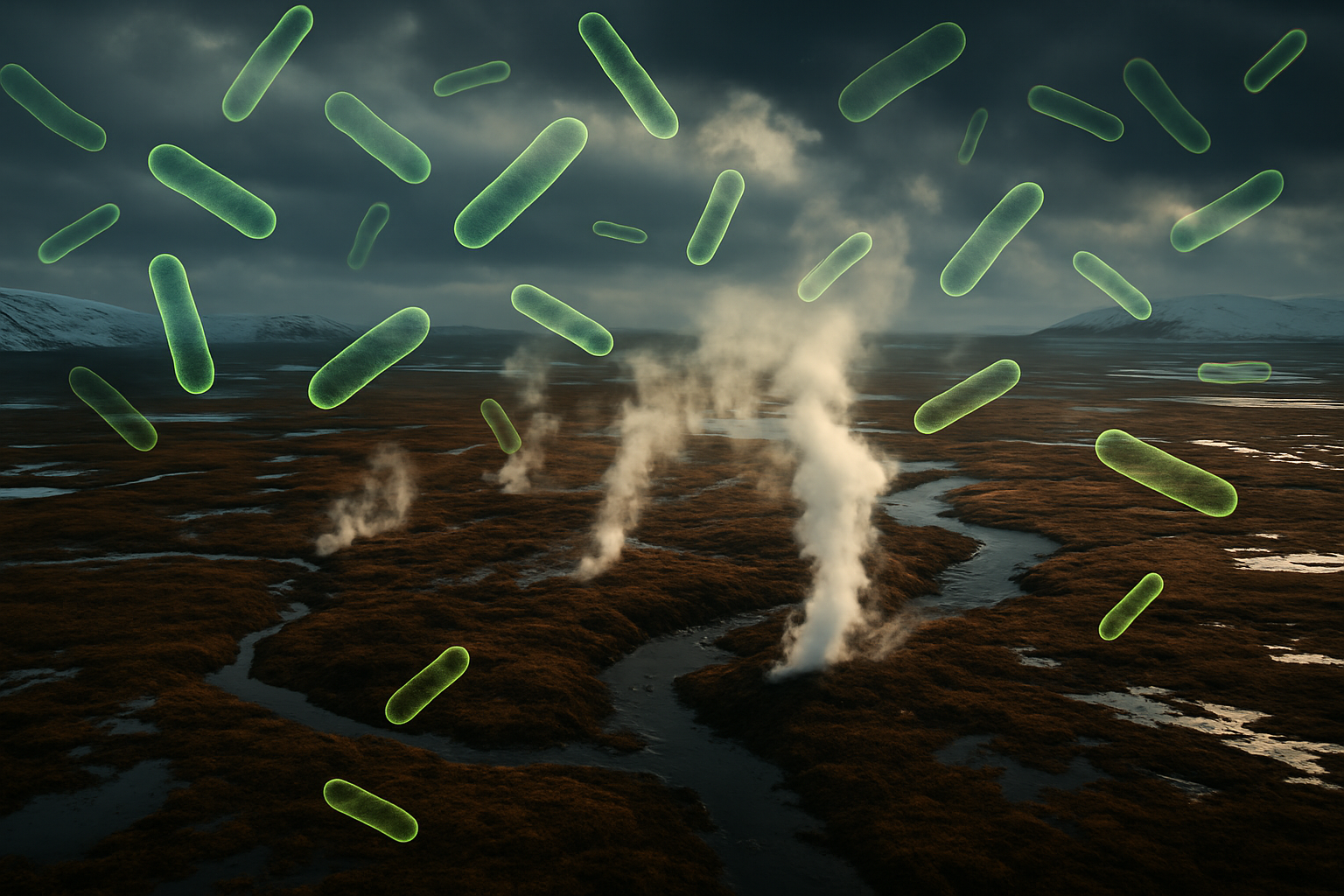
Lab studies showed that common plastic leachates reduce Prochlorococcus growth and photosynthetic oxygen output. We are poisoning the very organisms that make our air breathable.
Source: Communications Biology, 2019 →When phytoplankton die, they sink and carry carbon to the deep ocean. This [biological pump](/articles/marine-microbiome-biological-pump-carbon) rivals all the world's forests in carbon removal — and [river pollution](/articles/water-pollution-from-rivers-to-oceans) threatens the plankton populations it depends on.
Source: Science, 2023 →[Microplastic](/articles/plastic-plankton-oxygen-science) particles physically attach to diatom cells and block light absorption. This doesn't just harm individual organisms — it reduces the ocean's total capacity to produce oxygen and absorb CO2.
Source: Environmental Science & Technology, 2021 →Under high-emission scenarios, the ocean's dissolved oxygen content is projected to drop significantly by the end of this century. Oxygen minimum zones will expand, pushing marine life into ever-shrinking habitable areas.
Source: Global Biogeochemical Cycles, 2022 →Evolution stripped this organism down to the bare essentials. Its genome is so efficient that it can photosynthesize in nutrient-poor waters where nothing else can survive — an evolutionary masterpiece of minimalism.
Source: ISME Journal, 2023 →Using chlorophyll fluorescence measured from space, scientists can monitor the health of phytoplankton populations globally. The data reveals alarming productivity declines in subtropical oceans.
Source: Nature, 2022 →Coccolithophores — plankton that build calcium carbonate shells — are losing their structural integrity as the ocean becomes more acidic. Weaker shells mean fewer plankton and less oxygen.
Source: Nature Climate Change, 2020 →The most comprehensive analysis shows a significant global decline in the ocean's ability to produce organic matter and oxygen. The largest drops are in the subtropical gyres where Prochlorococcus dominates.
Source: Nature Communications, 2025 →Warmer oceans become more stratified — warm water sits on top like a lid, preventing cold, nutrient-rich water from reaching the sunlit surface where plankton photosynthesize. Less mixing means less life.
Source: Nature, 2021 →The concentration is staggering. These invisible organisms are everywhere in the tropical and subtropical ocean, silently converting sunlight and CO2 into the oxygen we depend on.
Source: Nature Reviews Microbiology, 2015 →The 'viral shunt' is one of the ocean's most important and least known processes. Viruses burst bacteria open, releasing their nutrients back into the water where other plankton can use them. Death feeds life.
Source: Nature Reviews Microbiology, 2007 →Iron is the limiting nutrient for phytoplankton in 30% of the ocean. Iron fertilization experiments showed that tiny additions create massive blooms — nature's most efficient amplifier of photosynthesis.
Source: Science, 2018 →The Diel Vertical Migration: every night, trillions of plankton and small organisms rise from the deep to feed at the surface, then sink at dawn. This daily movement transports carbon and nutrients vertically through the entire water column.
Source: Deep-Sea Research, 2019 →If marine photosynthesis stopped, atmospheric oxygen would eventually decline to dangerous levels. Plankton are not a nice-to-have — they are the foundation of breathable air on this planet.
Source: NOAA Ocean Service, 2024 →| Moderate |
| Calcium carbonate shells. White cliffs of Dover. Key to carbonate pump. |
| Green Algae | 1–50 µm | Minor (marine) | Ancestors of all land plants. Dominant in freshwater, minor in oceans. |
Source: Field et al. (1998), Nature Geoscience (2019). Wikidata: Q135028 (Prochlorococcus), Q185248 (Phytoplankton).
Commit to reducing single-use plastics and supporting blue carbon initiatives that protect mangroves and seagrasses — the nurseries of the ocean.
Creating a global network of marine protected 'Hope Spots'
Founded by legendary oceanographer Sylvia Earle — established 150+ Hope Spots protecting critical marine microbiomes worldwide
The world's leading floating laboratory for marine plankton research
Their schooner Tara has sailed 400,000+ km collecting plankton samples, producing the largest marine genomics dataset in history
Protecting the ocean from today's greatest global challenges
More than 19 million volunteers have removed 400 million pounds of trash from beaches and waterways since 1986

Science Magazine (Official)
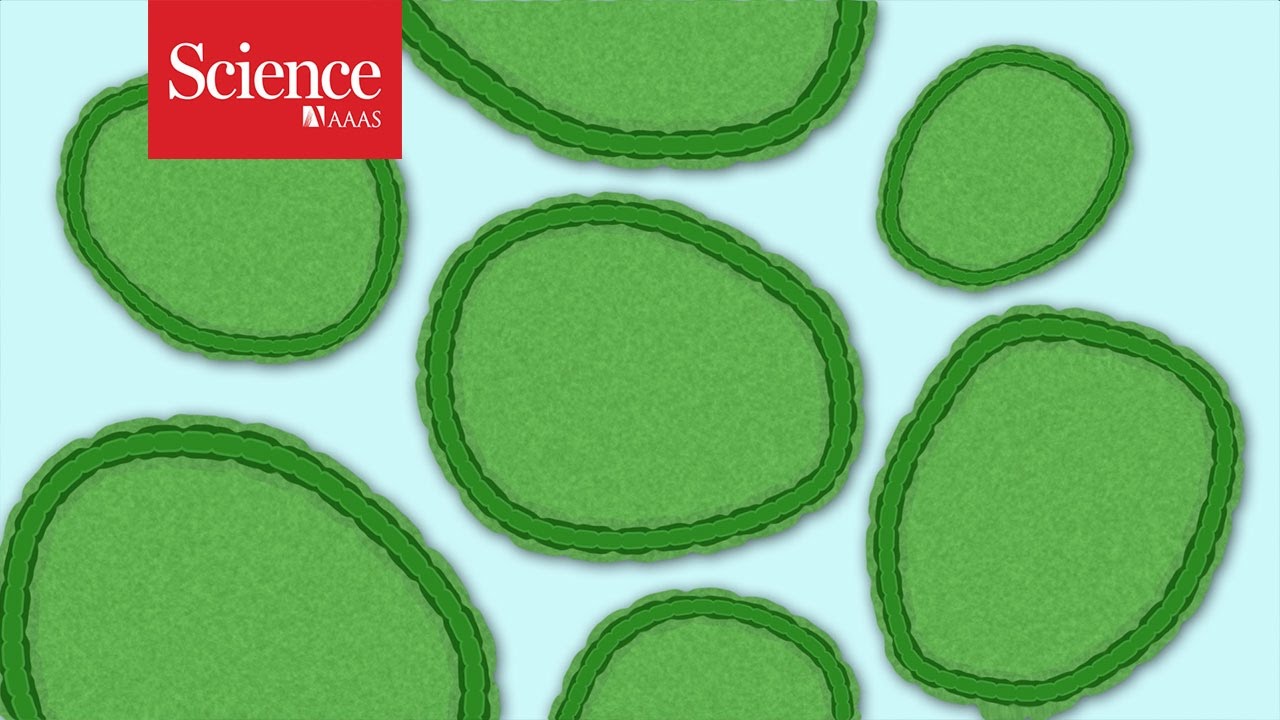
Science Magazine profiles Prochlorococcus — the tiny organism that produces more oxygen than any other single species on Earth.
Watch on YouTube →
A compelling TEDx talk connecting the invisible world of plankton to every breath we take — the human story behind the science.

NASA's satellite data reveals the alarming decline in global phytoplankton populations — visualized from space.

Oceana connects plastic pollution to ocean health — the direct threat to the plankton that produce our oxygen.

Kurzgesagt explains jellyfish biology and ocean ecosystems with stunning animation, connecting plankton food webs to larger marine life.

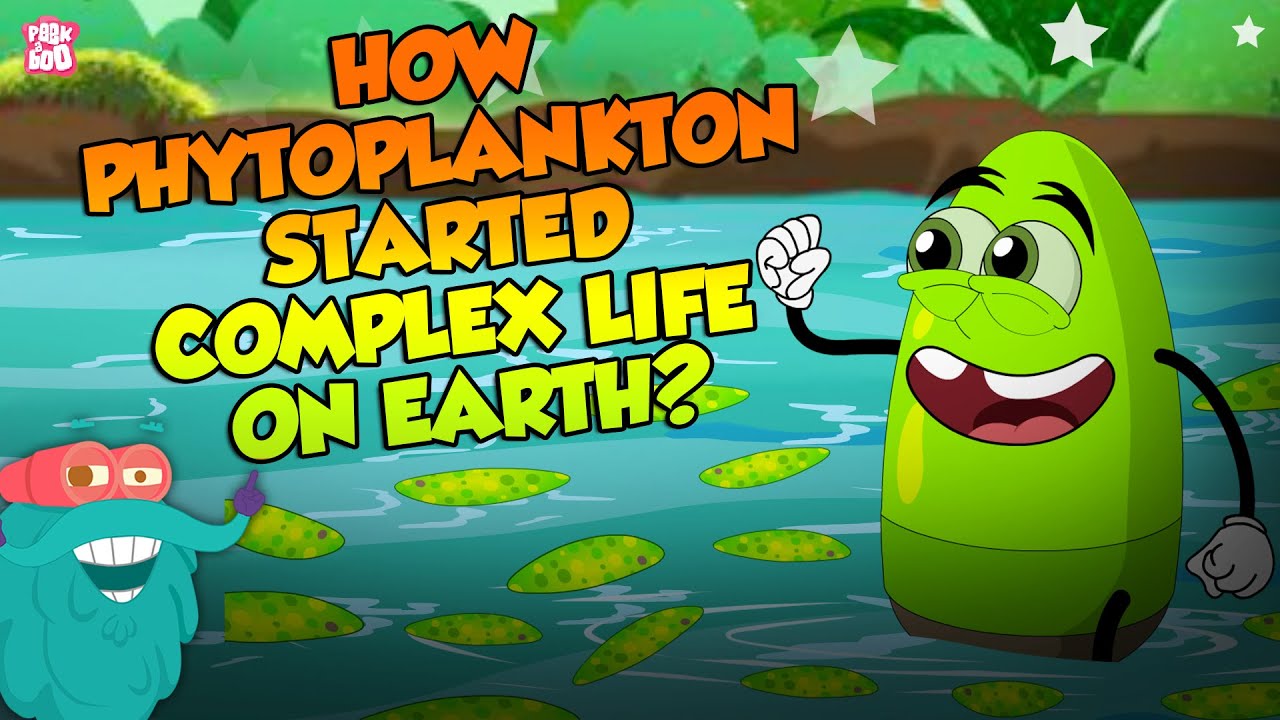
Engaging animated explainer on how phytoplankton evolved to produce oxygen through photosynthesis — the foundation of all complex life.

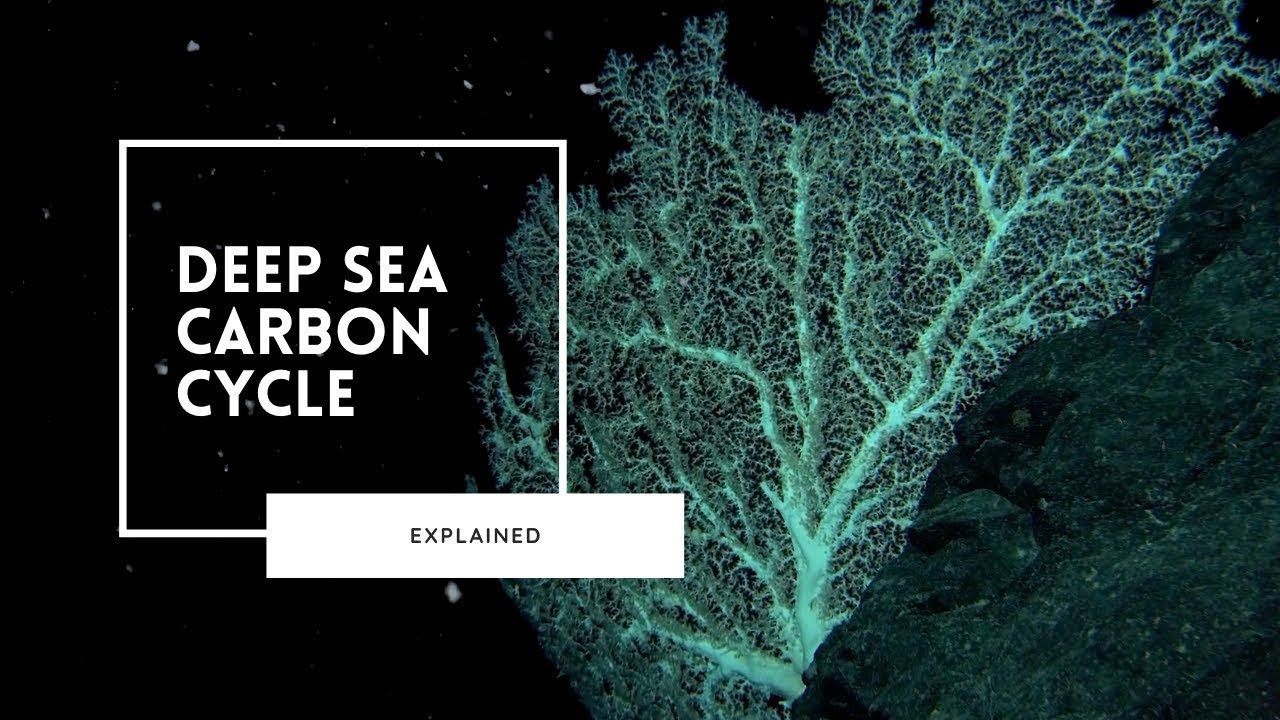
Explains the biological pump — how plankton drive the ocean carbon cycle, sequestering CO2 from the atmosphere into deep ocean sediments.

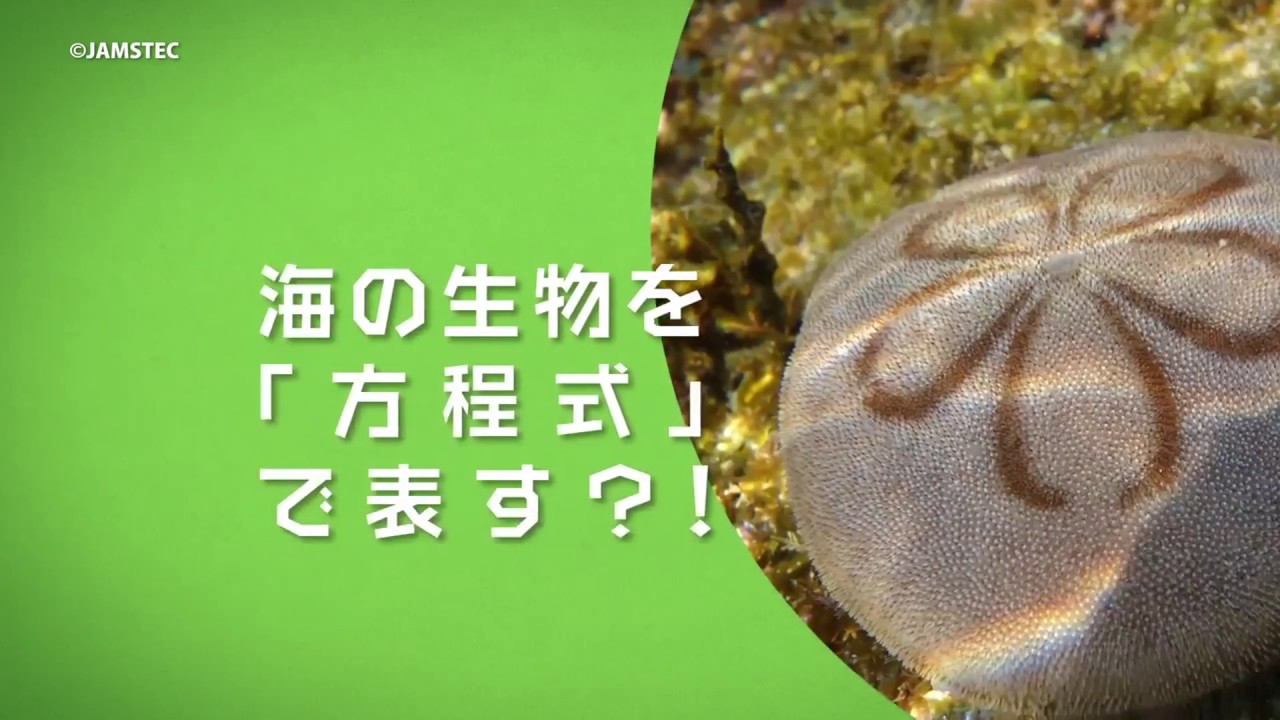
Japan Agency for Marine-Earth Science explains how warming oceans alter plankton ecosystems — a direct threat to oceanic oxygen production.
Science, 2004
Foundational paper establishing that marine phytoplankton are responsible for approximately half of all photosynthetic oxygen production on Earth — every second breath you take
Nature, 2021
Documented declining ocean net primary productivity as warming intensifies stratification, reducing nutrient supply to surface phytoplankton
Communications Biology, 2019
Lab study showed common plastic leachates impaired Prochlorococcus growth and oxygen production — the first evidence that plastic pollution directly threatens ocean oxygen
IUCN Global Marine and Polar Programme, 2019
Comprehensive report finding the ocean has lost 2% of its dissolved oxygen since the 1960s, with oxygen minimum zones expanding and threatening marine ecosystems
Science, 2023
When phytoplankton die, they sink and carry carbon to the deep ocean — the biological carbon pump sequesters ~10 gigatons of carbon per year, rivaling all the world's forests
Global Biogeochemical Cycles, 2022
Projected ocean oxygen content could decline by 3-4% by 2100 under high-emission scenarios, with severe consequences for marine life and the organisms that produce our oxygen
Environmental Science & Technology, 2021
Demonstrated that microplastic particles physically attach to diatom cells and reduce photosynthetic efficiency by up to 45%, directly threatening ocean oxygen production
Nature Climate Change, 2020
Ocean acidification weakens the calcium carbonate shells of coccolithophores — a key group of oxygen-producing plankton — making them more vulnerable to predation and dissolution
ISME Journal, 2023
Revealed how Prochlorococcus evolved the smallest genome of any photosynthetic organism — an efficiency so extreme it can thrive where nothing else survives
Nature, 2022
NASA satellites now track phytoplankton health globally in near real-time using chlorophyll fluorescence, revealing alarming declines in productivity in subtropical oceans
Nature Communications, 2025
Most comprehensive analysis showing ocean net primary productivity has declined significantly, with the largest drops in subtropical gyres where Prochlorococcus dominates
Nature Reviews Microbiology, 2007
Marine viruses kill 20% of ocean bacteria daily, recycling nutrients back into the ecosystem through the 'viral shunt' — a critical but invisible part of ocean productivity
Science, 2018
Iron is the limiting nutrient for phytoplankton growth in 30% of the ocean — a single gram of iron can trigger a bloom producing millions of plankton cells
Deep-Sea Research, 2019
Every night, trillions of plankton and small organisms migrate from the deep ocean to the surface to feed — the largest movement of biomass on Earth, transporting carbon vertically
NOAA Ocean Service, 2024
NOAA's authoritative explainer confirming that scientists estimate 50-80% of oxygen production on Earth comes from the ocean, primarily from phytoplankton
Nature, 2016
Guidi et al. used Tara Oceans data to prove that plankton community network structure — not just abundance — predicts carbon export efficiency. Species interactions determine how much carbon reaches the deep ocean
Deep-Sea Research, 1987
Martin et al. established the foundational 'Martin Curve' for carbon flux attenuation: 100% of surface production at 100m → ~10% at 1000m → ~1% at the seafloor. The power-law that defines the biological pump's efficiency
Science, 1998
Falkowski et al. established that nutrient availability (N, P, Fe, Si) — not light or temperature — is the primary control on ocean productivity, defining which ocean provinces are productive and which are deserts
Nature, 2014
Lyons et al. established that cyanobacteria (ancestors of modern Prochlorococcus) caused the Great Oxidation Event 2.4 billion years ago — permanently transforming Earth's atmosphere from anoxic to oxygenated
Science, 2008
Stramma et al. quantified that oxygen minimum zones have expanded by 4.5 million km³ since 1960 — the largest restructuring of marine habitats in recorded history, with 50% of ocean nitrogen loss occurring in these zones
Science, 2015
Sunagawa et al. (Tara Oceans) generated the first comprehensive metagenomic atlas of the global ocean microbiome — discovering that community composition is driven by temperature and oxygen, not geography
Science, 2006
Johnson et al. revealed that Prochlorococcus is not one species but a family of ecotypes: High-Light adapted (HLI, HLII) dominate the surface; Low-Light adapted (LLI-LLIV) dominate 100-200m depth. Genome size varies 1.6-2.4 Mb by ecotype
Nature, 2006
Behrenfeld et al. showed that ocean primary productivity has declined since 1999 due to warming-induced stratification — warmer surface waters trap nutrients below the thermocline, starving phytoplankton in subtropical gyres