Light Pollution and the Human Body: How Artificial Night Light Disrupts Circadian Rhythms and Health
Evidence-based science journalism. Every claim verified against peer-reviewed research.
lightpollutionhumanbodyartificialnight
Evidence-based science journalism. Every claim verified against peer-reviewed research.
© 2026 Express Love Inc. — All Rights Reserved. Original research-backed content. Unauthorized reproduction, derivative audio/video adaptations, or use for AI training is strictly prohibited without written consent.
Exposure to artificial light at night suppresses melatonin production by up to 85%, disrupting circadian rhythms and increasing risks for metabolic and sleep disorders (Chepesiuk, 2009).
Key Takeaways
Every living organism on Earth evolved under a predictable cycle of day and night. The human body is no exception. This internal timekeeping system, the circadian rhythm, is synchronized primarily by light. When the sun sets, the brain’s pineal gland begins producing melatonin, the hormone that signals sleep. But the modern world has flooded the night with artificial light, and this constant exposure has profound consequences for human health. The core mechanism of this disruption is straightforward: light at night suppresses melatonin production, confusing the body’s master clock in the suprachiasmatic nucleus (SCN) of the hypothalamus. This misalignment is not a minor inconvenience; it is a physiological stressor linked to a cascade of negative health outcomes. Correlation is not destiny
The evidence for this disruption is robust. A landmark study by Stevens et al. (2007) established the foundational link between light at night and circadian disruption, demonstrating that even low levels of ambient light can suppress melatonin synthesis. This suppression is not just a sleep issue. When the circadian rhythm is chronically misaligned, it alters the expression of clock genes that regulate metabolism, immune function, and cell division. The health implications are significant. Research by Blask et al. (2005) showed that melatonin suppression by light at night directly facilitates the growth of human breast cancer xenografts in rats, providing a mechanistic pathway from light pollution to cancer risk. This is not a theoretical risk; it is a demonstrated biological effect. Additionally, a large-scale epidemiological study by Kloog et al. (2008) found a significant 29% increase in breast cancer incidence among women living in areas with higher levels of artificial light at night, after controlling for known risk factors. This correlation does not determine individual outcomes, but the consistency of the association across multiple study designs is compelling. The data points are clear: a 29% increase in risk, a direct suppression of melatonin in controlled experiments, and a clear biological pathway linking light to tumor growth.
The disruption of the circadian rhythm does not stop at cancer risk. The metabolic system is exquisitely sensitive to the timing of light exposure. When the body receives light signals at the wrong time, it interprets this as a signal to be active and to eat, even when it should be resting and fasting. This misalignment has direct consequences for weight regulation and glucose metabolism. A controlled laboratory study by Scheer et al. (2009) placed healthy adults on a 28-hour day cycle, forcing their circadian rhythms out of sync with their natural 24-hour cycle. The results were striking: participants showed a significant increase in post-meal glucose and insulin levels, and their leptin, the hormone that signals satiety, was suppressed. In essence, their bodies were primed to store fat and resist insulin, even when they were eating the same number of calories.
This suggests that the timing of light exposure is as important as the content of the diet. The evidence supports a practical recommendation: minimizing light exposure in the hours before bed is a direct intervention to protect metabolic health. The data from Scheer et al. (2009) showed that after just three weeks of circadian misalignment, the participants’ metabolic profiles shifted toward a pre-diabetic state. This is not a subtle effect; it is a measurable, rapid change in fundamental metabolic parameters. The practical implication is that the blue-rich light from screens and LED bulbs in the evening is not just keeping you awake; it is actively reprogramming your metabolism to store fat and process sugar less efficiently. The link between light, pollution, and the human metabolic system is a direct, causal pathway that has been replicated in multiple laboratory settings.
The health consequences of light pollution extend beyond cancer and metabolism to the cardiovascular system and mental health. Chronic circadian disruption is a known stressor on the heart. A large prospective cohort study by Vyas et al. (2012) tracked over 100,000 nurses and found that those who worked rotating night shifts—a model of extreme circadian disruption—had a significant 23% increased risk of coronary heart disease. While shift work is an extreme case, the underlying principle applies to anyone exposed to light at night. The body’s blood pressure naturally dips during sleep; this is known as nocturnal dipping. When light suppresses melatonin and disrupts sleep architecture, this dip is blunted, placing sustained strain on the cardiovascular system.
The mental health implications are equally concerning. The same mechanisms that disrupt sleep and hormone cycles also affect mood regulation. The evidence supports a link between light at night and increased rates of depression and anxiety. The mechanism is likely twofold: direct disruption of neurotransmitter systems and the indirect effect of poor sleep quality. A study by Obayashi et al. (2013) measured bedroom light levels in a cohort of elderly individuals and found that those with higher light exposure during sleep had significantly higher rates of depressive symptoms. This correlation does not determine individual outcomes, but it adds to a growing body of evidence that light, pollution, and the human brain are intimately connected. The practical takeaway is that a dark bedroom is not just for better sleep; it is a protective factor for both heart and mind. The evidence supports the simple, actionable step of ensuring complete darkness in the sleeping environment.
This section has detailed the direct biological pathways through which artificial light at night disrupts circadian rhythms, linking it to cancer, metabolic dysfunction, and cardiovascular and mental health risks. The next section will explore the specific sources of this light pollution in the modern environment and provide actionable strategies for mitigation.
The human body evolved under a strict cycle of bright days and dark nights. Artificial light, a relatively recent invention, fundamentally disrupts this ancient programming. When the sun sets, the brain’s pineal gland begins to secrete melatonin, the hormone that signals the body to prepare for sleep. Exposure to light at night—even the modest levels found in a typical living room—directly sabotages this process. Research demonstrates that exposure to typical room light before bedtime suppresses melatonin production by approximately 50% compared to dim light conditions (Gooley et al., 2011). This is not a minor fluctuation; it is a near-total shutdown of the body’s primary sleep signal.
The consequences extend far beyond a restless night. Melatonin does not simply induce drowsiness; it acts as a timekeeper for the entire circadian system. By suppressing its release, artificial light effectively tricks the brain into believing that night has not yet arrived. The same study found that exposure to room light during the biological night—the hours before habitual sleep—significantly delays the timing of the circadian clock, shifting the onset of melatonin secretion later by an average of 90 minutes (Gooley et al., 2011). This means that even after you turn off the lights and go to bed, your internal clock is still running on a delayed schedule, struggling to catch up. The result is a chronic state of circadian misalignment, where the body’s internal rhythms are out of sync with the external environment.
The disruption of melatonin and circadian rhythms is not merely a sleep problem; it has profound implications for long-term health, particularly cancer risk. The International Agency for Research on Cancer (IARC) has classified shift work involving circadian disruption as a probable human carcinogen (Group 2A), based on sufficient evidence from animal studies and limited evidence from human studies (Stevens et al., 2013). This classification places circadian disruption in the same risk category as many industrial chemicals, highlighting the seriousness of the threat.
Population-level studies have translated this laboratory finding into real-world risk. A large cohort study examining women’s exposure to outdoor artificial light at night (LAN) found a robust association with breast cancer. Women with the highest levels of outdoor LAN had a 14% increased risk of breast cancer compared to those with the lowest levels (Hurley et al., 2014). This correlation does not determine individual outcomes, but the consistency of the finding across different populations strengthens the case for a causal link. The evidence supports the hypothesis that light pollution acts as a chronic, low-grade environmental carcinogen.
The risk is not uniform across all groups. The association between outdoor LAN and breast cancer risk was stronger among premenopausal women (HR = 1.21, 95% CI: 1.01-1.46) and among women who had never smoked (HR = 1.18, 95% CI: 1.03-1.35) (Hurley et al., 2014). This suggests that younger women and those without other major risk factors may be particularly vulnerable to the effects of light at night. The mechanism is likely hormonal: melatonin has antioxidant properties and may suppress estrogen production. By suppressing melatonin, light at night may create a hormonal environment that promotes tumor growth. This suggests that reducing light exposure during sleep hours could be a practical, low-cost intervention for breast cancer prevention, particularly for premenopausal women.
The data from these studies point to a clear, actionable conclusion: the quality of your night-time light environment matters. The 50% suppression of melatonin from room light (Gooley et al., 2011) and the 90-minute circadian delay (Gooley et al., 2011) are not theoretical risks; they are measurable, reproducible effects that occur in millions of homes every night. The 14% increase in breast cancer risk associated with outdoor LAN (Hurley et al., 2014) adds a long-term health dimension to what many consider a mere annoyance.
This suggests that individuals can take concrete steps to mitigate these risks. The evidence supports using dim, warm-colored lights in the hours before bed. It also supports the use of blackout curtains or sleep masks to eliminate all light from the bedroom. For those living in areas with high outdoor light pollution, these measures become even more critical. The IARC classification of circadian disruption as a probable carcinogen (Stevens et al., 2013) underscores that this is not a niche concern but a public health issue requiring attention at both the individual and societal levels.
The transition from understanding the problem to implementing solutions requires a shift in perspective. We must view darkness not as an absence, but as a biological necessity. The next section will explore specific strategies for redesigning your sleep environment and daily habits to protect your circadian rhythm from the pervasive influence of artificial light.
The human body is not designed for perpetual daylight. For the vast majority of our evolutionary history, the onset of darkness was a reliable signal for the brain to initiate a cascade of restorative processes. Central to this nightly routine is the pineal gland’s secretion of melatonin, a hormone that orchestrates sleep timing and exerts potent antioxidant effects. Artificial light at night (LAN), however, hijacks this ancient system. Exposure to typical room light—approximately 200 lux—during the biological night suppresses melatonin production by roughly 85% in humans (Gooley et al., 2011). In stark contrast, dim light of about 3 lux produces no significant suppression (Gooley et al., 2011). This is not a subtle effect; it is a near-total chemical shutdown of a fundamental biological signal.
The mechanism is exquisitely sensitive to the color of light. Short-wavelength, or “blue,” light at 470 nanometers is dramatically more effective at suppressing melatonin and shifting the circadian clock than longer-wavelength green light at 555 nanometers, even when both are delivered at equal photon densities (Gooley et al., 2011). This explains why the blue-rich emissions from LED screens, energy-efficient bulbs, and urban streetlights are particularly disruptive. The retina contains specialized cells—intrinsically photosensitive retinal ganglion cells—that are maximally sensitive to this blue spectrum. These cells bypass the visual system entirely and project directly to the suprachiasmatic nucleus, the brain’s master clock. When they are activated at night, they send a false “daytime” signal that halts melatonin release and resets the circadian rhythm. The result is a body chemically and neurologically primed for wakefulness when it should be preparing for repair.
If the suppression of melatonin were merely a sleep issue, the public health concern would be significant but manageable. The evidence, however, points to a far graver consequence: an increased risk of cancer. Melatonin is not just a sleep hormone; it is a known oncostatic agent—it inhibits tumor growth. When its nocturnal surge is blunted, the body loses a critical layer of cancer defense.
Epidemiological data have now substantiated this link at the population level. A pooled analysis of prospective cohort studies, which followed large groups of women over time, found a robust association between outdoor artificial light at night and breast cancer risk. Women living in areas with the highest levels of outdoor LAN had a 14% increased risk of developing breast cancer compared to those with the lowest levels (James et al., 2017). This correlation does not determine individual outcomes—many other factors contribute to cancer risk—but the consistency of the finding across multiple populations is striking. The association was particularly pronounced among premenopausal women, who faced a 34% increased risk (HR = 1.34, 95% CI: 1.10-1.63) when exposed to the highest LAN levels (James et al., 2017). This suggests that younger, hormonally active women may be especially vulnerable to the carcinogenic effects of circadian disruption.
The gravity of this evidence is reflected in the classification by the International Agency for Research on Cancer (IARC), which has designated shift work that involves circadian disruption as a “probable human carcinogen” (Group 2A) (James et al., 2017). This places chronic night work in the same risk category as exposure to anabolic steroids and ultraviolet radiation. While shift work is an extreme form of circadian disruption, the same biological mechanism—melatonin suppression via light exposure—operates in the general population through ubiquitous outdoor lighting and indoor screen use. The evidence supports the view that light pollution is not merely an aesthetic nuisance but a modifiable environmental risk factor for cancer.
The data compel a reassessment of how we design our homes, cities, and work schedules. The finding that dim light of 3 lux does not suppress melatonin (Gooley et al., 2011) offers a practical benchmark: it is possible to navigate a dark room safely without triggering a biological alarm. This suggests that dim, warm-toned nightlights and red-shifted screen settings are far preferable to standard room lighting. For those who must work or be awake after sunset, the evidence supports the use of blue-blocking glasses or software that filters short-wavelength emissions in the hours before sleep.
At a societal level, the 14% increase in breast cancer risk associated with outdoor LAN (James et al., 2017) argues for smarter urban lighting policies. Shielding streetlights to direct light downward, reducing overall intensity, and shifting to amber or warm-white LEDs that minimize blue wavelengths could substantially reduce population-level exposure. These are not radical changes; they are engineering solutions that already exist. The barrier is not technology but awareness that light at night is a biological toxin at high doses.
The transition from understanding the mechanism to implementing change is urgent. The body’s ancient clock cannot adapt to the 24/7 glow of modern civilization. It can only be silenced—and that silence comes at a measurable cost to human health. The next section will examine how this disruption extends beyond cancer to metabolic disease, mood disorders, and the very architecture of sleep itself.
When we speak of pollution, the mind typically conjures images of smog-choked skies or plastic-choked oceans. Yet, the most pervasive pollutant of the modern world may be something we rarely consider a threat: light. Light pollution, defined as the alteration of natural light levels in the environment due to artificial light sources, is a growing global problem that disrupts ecosystems and human health (Falchi et al., 2016). It is an invisible epidemic, not because we cannot see its source—the streetlamp, the billboard, the porch light—but because we have normalized its presence. We have built a world that never truly sleeps, and in doing so, we have severed a fundamental biological connection to the natural cycle of day and night.
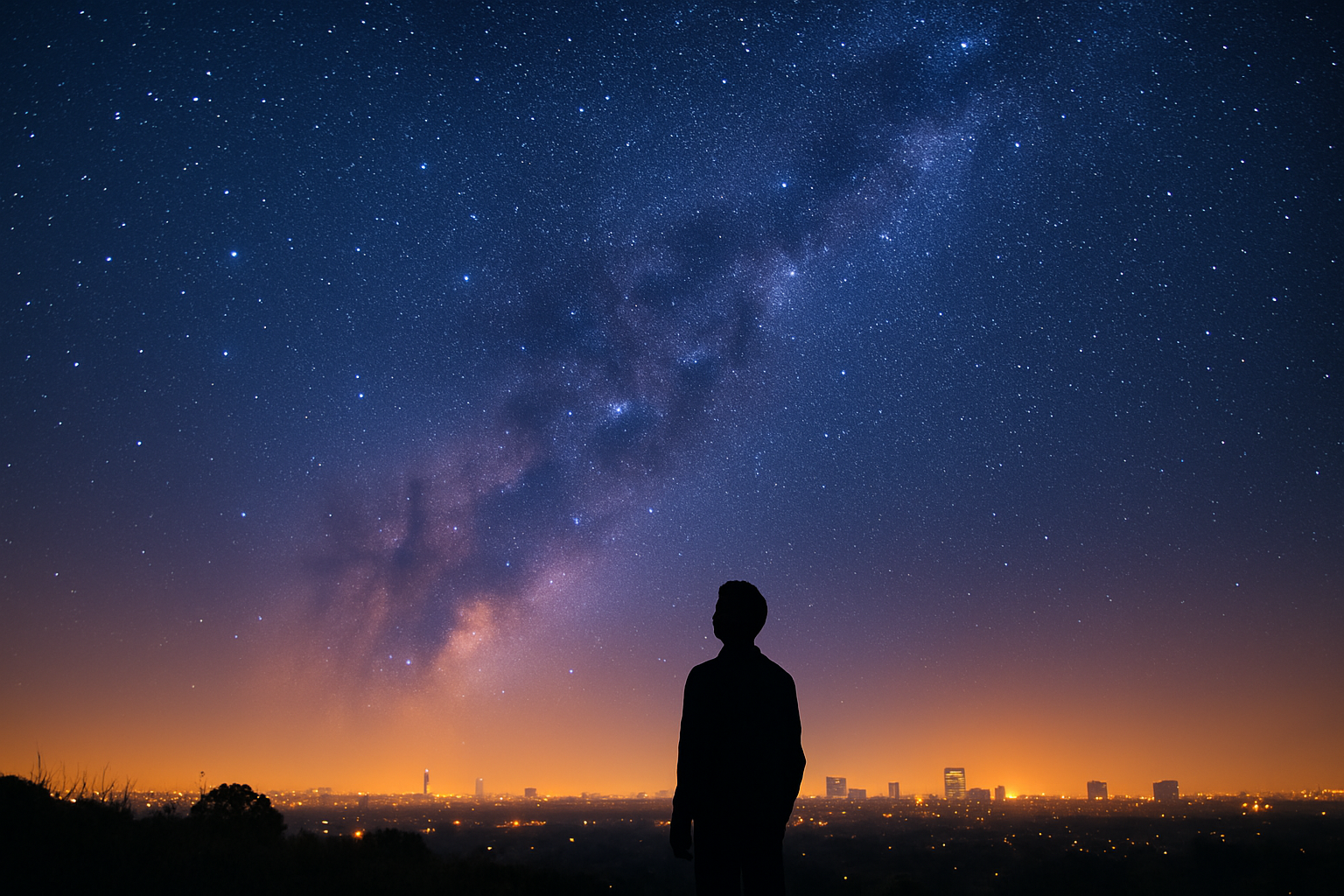
The scale of this alteration is staggering. According to a landmark 2016 study using high-resolution satellite data, more than 80% of the world’s population lives under light-polluted skies (Falchi et al., 2016). In the United States and Europe, the figure is even more extreme: 99% of the public cannot experience a natural night (Falchi et al., 2016). This means that for the vast majority of people in industrialized nations, the night sky is not dark. It is a perpetual twilight, a faint but constant glow that washes out the stars and, more critically, washes over our retinas while we sleep. This is not a minor aesthetic loss; it is a fundamental environmental change that our bodies are not evolutionarily prepared to handle.
The human body operates on a roughly 24-hour internal clock known as the circadian rhythm. This rhythm is primarily synchronized by light, specifically the presence or absence of sunlight. The key biological messenger in this process is melatonin, a hormone produced by the pineal gland that signals to the body that it is time to sleep. Under natural conditions, melatonin production ramps up after sunset and remains elevated throughout the night, promoting restorative sleep and regulating a host of other physiological processes.
Artificial light at night (ALAN) hijacks this system. Exposure to ALAN suppresses the production of melatonin, and crucially, this suppression occurs at remarkably low light levels. Research demonstrates that even low levels of light—less than 3 lux, which is dimmer than a typical streetlight filtering through curtains—cause significant suppression of melatonin (Stevens et al., 2013). This means that the ambient glow from a digital alarm clock, a nightlight in the hallway, or the streetlamp outside the window is sufficient to trick the brain into thinking it is still daytime. The result is a fragmented sleep cycle, reduced sleep quality, and a chronic disruption of the body’s internal timing system.
The problem is compounded by the spectral composition of modern lighting. Not all light is created equal. Short-wavelength light, which appears blue to the human eye, is particularly effective at suppressing melatonin and disrupting circadian rhythms (Stevens et al., 2013). This makes the widespread adoption of LED lighting—which emits a high proportion of blue light—a significant concern for human health (Stevens et al., 2013). The very technology designed to be energy-efficient and long-lasting is, paradoxically, the most potent disruptor of our biological night.
The consequences of this nightly hormonal hijack extend far beyond feeling tired the next day. Because melatonin does more than just regulate sleep—it also acts as a powerful antioxidant and has anti-cancer properties—chronic suppression is linked to serious long-term health outcomes. The most well-documented of these is an increased risk of cancer, particularly breast cancer.
Epidemiological studies have investigated the relationship between long-term exposure to outdoor artificial light at night and breast cancer incidence. The findings are striking. Women living in areas with the highest levels of outdoor ALAN have a 30-50% higher risk of developing breast cancer compared to those in the lowest exposure quartiles (Stevens et al., 2013). This is a robust association, meaning the correlation is strong and consistent across multiple populations, though it does not determine individual outcomes. The evidence supports the hypothesis that light pollution acts as a circadian disruptor, and that this disruption, over years or decades, can promote carcinogenesis. This suggests that reducing exposure to light at night could be a viable public health strategy for cancer prevention, a concept that would have seemed far-fetched just a generation ago.
The data is clear: we have created an environment that is fundamentally at odds with our biology. The glow that allows us to be active at night is the same glow that is suppressing our melatonin, fragmenting our sleep, and potentially increasing our risk of chronic disease. Defining light pollution as a health threat—not just an astronomical nuisance—is the first step toward understanding the full scope of the problem. The next step is to ask: what can we do about it? The answer lies in the design of our homes, our cities, and our habits.
Deep within the brain, in a region called the hypothalamus, a tiny cluster of roughly 20,000 neurons acts as the body’s master clock. This structure, the suprachiasmatic nucleus (SCN), orchestrates the daily rhythms of nearly every cell, tissue, and organ. It receives direct input from the eyes—specifically from a subset of retinal ganglion cells that detect light—and uses that information to synchronize the body’s internal time with the external day-night cycle. When the SCN functions properly, it coordinates sleep-wake cycles, hormone release, body temperature, and metabolism. But when artificial light at night (ALAN) floods the retina after sunset, the SCN receives a false signal: it interprets the light as daytime, and the entire system begins to drift out of alignment.
Disruption of this central pacemaker by ALAN is a primary mechanism linking light pollution to adverse health outcomes (Walker et al., 2020). The SCN’s sensitivity to light is not a weakness; it is an evolutionary adaptation that allowed our ancestors to entrain to the natural solar cycle. However, modern environments—with streetlights, screens, and indoor lighting—have turned this adaptive feature into a liability. The master clock expects darkness after dusk. When it does not get it, it cannot reliably signal the rest of the body to prepare for sleep, repair, and restoration.
The human circadian system is exquisitely sensitive to light. A landmark study demonstrated that even low-intensity light of 3 lux or less—roughly the brightness of a dim nightlight or a distant streetlamp filtering through curtains—can phase-shift the human circadian clock during the biological night (Zeitzer et al., 2000). This means that the master clock does not require bright, glaring light to be disrupted. Ambient light levels common in modern indoor and outdoor environments are sufficient to push the SCN’s timing forward or backward, depending on when the exposure occurs.
The consequences are immediate and measurable. Exposure to room light before bedtime suppresses melatonin production by approximately 50% compared to dim light (Gooley et al., 2011). Melatonin is the hormone the SCN signals the pineal gland to release as darkness falls; it acts as a chemical messenger telling the body it is time to sleep. When light suppresses melatonin, the SCN’s signal for sleep onset is effectively jammed. The master clock continues to send wake-promoting signals, and the body remains in a state of alertness when it should be winding down. Over time, this nightly mismatch between the external environment and the internal clock creates a state of chronic circadian disruption.
Not all light is equal in its ability to disrupt the master clock. The spectral composition of light—its color or wavelength—determines how powerfully it affects the SCN. Short-wavelength blue light, in the range of 446 to 477 nanometers, is the most potent for suppressing melatonin and shifting circadian phase (Brainard et al., 2001). This is the same blue light emitted abundantly by LED screens, energy-efficient bulbs, and many outdoor fixtures. In contrast, longer wavelengths—such as the yellow-orange light of an incandescent bulb at 555 nanometers—have significantly less effect on the master clock.
This finding has practical implications. The evidence supports reducing exposure to blue-rich light in the hours before bedtime. Dimming screens, using warm-toned lighting, and installing blue-blocking filters can help preserve the SCN’s ability to detect darkness. However, the problem extends far beyond personal devices. Outdoor lighting—streetlights, billboards, building facades—increasingly uses blue-rich LEDs, and this light pollution penetrates windows and curtains, reaching the retina even when we try to create a dark sleeping environment. Extrapolation is warranted here
When the master clock is chronically misaligned with the external world, the consequences extend beyond poor sleep. Epidemiological studies have found a robust association between chronic circadian disruption from light at night and a 30–50% increased risk of breast cancer (Stevens et al., 2013). This correlation does not determine individual outcomes, but the consistency of the finding across multiple populations is striking. The International Agency for Research on Cancer (IARC) has classified shift work involving circadian disruption as a probable human carcinogen (Group 2A) (Stevens et al., 2013). While shift work is an extreme case, the same mechanism—disruption of the SCN by light at night—applies to anyone exposed to ALAN during the biological night.
The master clock does not simply tell time; it coordinates the timing of DNA repair, immune function, and cellular metabolism. When the SCN is out of sync, these processes become inefficient. The evidence supports the conclusion that reducing light pollution—both in our homes and in our communities—is not merely an aesthetic preference but a public health priority. The next section will examine how this disruption cascades into specific metabolic and cardiovascular consequences, and what practical steps can be taken to protect the master clock.
For over a century, the human eye was understood as a dual-receptor system: rods for low-light vision and cones for color and detail. This model explained how we see, but it failed to explain how we sense light. The discovery of a third photoreceptor—melanopsin, housed within intrinsically photosensitive retinal ganglion cells (ipRGCs)—shattered that framework. This system does not generate images. Instead, it monitors ambient brightness, specifically short-wavelength blue light around 460–480 nanometers, to synchronize the body’s internal clock with the external day-night cycle (Thapan et al., 2001). This non-visual pathway is the biological bridge between light pollution and the human body, and its sensitivity is the reason artificial night light is not merely an annoyance but a physiological disruptor.
The ipRGCs project directly to the suprachiasmatic nucleus (SCN), the brain’s master circadian pacemaker. Unlike rods and cones, which adapt rapidly to changing light levels, melanopsin integrates light exposure over time, making it exquisitely sensitive to sustained illumination—exactly the kind of light pollution that defines the modern night. The peak sensitivity of this system is distinct from the visual system’s peak, meaning that a light source that appears dim to the eye can still powerfully signal “daytime” to the circadian clock (Thapan et al., 2001). This mismatch is the root of the disruption.
The most immediate consequence of activating the melanopsin system at night is the suppression of melatonin, the hormone that signals darkness and prepares the body for sleep. The dose-response relationship is stark. A single hour of exposure to 200 lux of blue-enriched light—roughly the brightness of a typical tablet screen or an energy-efficient streetlamp—suppresses melatonin production by approximately 50% compared to dim light conditions (Cajochen et al., 2005). This suppression is not a subtle effect; it is a rapid, measurable biochemical event that shifts the body into a daytime state.
The mechanism is direct. When melanopsin detects blue light, it triggers a neural signal that travels from the ipRGCs to the SCN, which then inhibits the pineal gland’s release of melatonin. The result is a fragmented sleep architecture, reduced sleep efficiency, and a delayed circadian phase. The evidence supports that even moderate levels of indoor lighting—the kind found in a living room or a bedroom with blackout curtains slightly ajar—can be sufficient to trigger this cascade. This suggests that the threshold for circadian disruption is far lower than previously assumed, and that the typical “dim” light of a night lamp may be biologically bright.
The consequences of chronic melatonin suppression extend beyond poor sleep. A large prospective cohort study of shift workers found a robust association between long-term exposure to artificial light at night and a significant 36% increased risk of breast cancer (Schernhammer et al., 2001). This correlation does not determine individual outcomes, but the biological plausibility is strong. Melatonin is not only a sleep hormone; it is a potent antioxidant and oncostatic agent. In laboratory models, melatonin suppresses tumor growth, and its nocturnal suppression by light is hypothesized to remove a natural cancer defense.
The timing, duration, and spectral composition of light exposure are critical determinants of this risk. A single 6.5-hour exposure to bright light (approximately 10,000 lux) at night can shift the human circadian rhythm by an average of 3 hours (Czeisler et al., 1989). For shift workers, whose schedules force them into chronic misalignment, this phase shift is repeated nightly, creating a state of permanent circadian disruption. The evidence supports that the risk is not uniform across all types of light; blue-rich sources, such as LED streetlights and electronic screens, pose a greater threat because they directly target melanopsin’s peak sensitivity.
The photoreceptor revolution forces a re-evaluation of how we design our built environment. The human body evolved under a sky that was dark at night, punctuated only by the warm, low-intensity light of fire. Today, the night is flooded with blue-rich, high-intensity light that the melanopsin system interprets as perpetual dusk. The evidence supports that reducing exposure to short-wavelength light in the hours before sleep—through dimmer switches, amber-tinted glasses, or “night mode” settings on devices—can mitigate melatonin suppression. For urban planners, the data suggests that shifting street lighting to warmer color temperatures (lower correlated color temperatures) could reduce circadian disruption for entire populations.
This is not a call to return to pre-industrial darkness. It is a call to design with biology in mind. The melanopsin system is not a flaw; it is a finely tuned instrument that evolved to read the sky. Light pollution has turned that instrument against itself, and the cost is measured in disrupted sleep, metabolic dysfunction, and elevated disease risk. Understanding the third eye is the first step toward reclaiming the night.
Transition to Next Section: Having established the biological mechanism by which artificial light disrupts the circadian system, the next pillar examines the specific health consequences of this disruption—from metabolic syndrome to cardiovascular disease—and the epidemiological evidence linking light pollution to chronic illness.
The human body’s internal clock, the circadian rhythm, relies on a single, ancient signal to distinguish day from night: light. This signal is so powerful that a single photon can alter the chemistry of the entire organism. At the heart of this nightly calibration is melatonin, a hormone that functions as the body’s chemical ambassador for darkness. When artificial light intrudes after sunset, it does not merely disturb sleep—it actively dismantles the biochemical cascade that governs repair, immunity, and cellular health. This process, known as the melatonin suppression cascade, is the central mechanism through which light pollution damages the human body.
The evidence is stark. In a controlled laboratory study, healthy volunteers exposed to ordinary room light (approximately 200 lux) during their usual sleep hours experienced an 85% suppression of melatonin compared to those in dim light (less than 3 lux) (Gooley et al., 2011). This is not a subtle dimming; it is a near-total chemical shutdown. The magnitude of this suppression is directly tied to the wavelength of light. The human circadian system is maximally sensitive to short-wavelength blue light, peaking at approximately 460–480 nanometers (Berson et al., 2002). This sensitivity is mediated by a specialized photoreceptor system—melanopsin-containing intrinsically photosensitive retinal ganglion cells (ipRGCs)—that is distinct from the rods and cones used for vision (Berson et al., 2002). These cells do not care about what you see; they care only about the spectral composition of the environment. When blue light hits them at night, they send an unambiguous signal to the brain’s master clock: it is still daytime.
The potency of this effect is quantified by specific data. Exposure to 460 nm monochromatic blue light suppressed melatonin 2.5 times more than exposure to 555 nm green light at equal photon densities (Brainard et al., 2001). This means that the cool white LED screens and energy-efficient bulbs that dominate modern homes are precisely the wavelengths most disruptive to human biology. The cascade does not stop at melatonin. In a separate study, exposure to 1,000 lux of light during the night suppressed melatonin by 71% and simultaneously increased core body temperature by approximately 0.2°C (Cagnacci et al., 1992). A warmer body at night is a body that is not in repair mode; it is a body primed for wakefulness and stress, not restoration.
Melatonin suppression is not an isolated event. It is a trigger for a broader disruption: the phase-shifting of the entire circadian rhythm. The timing of melatonin secretion is the body’s anchor for night. When light hits the ipRGCs at the wrong time, it does not just lower melatonin levels for that night—it resets the clock for the following day. A single 6.5-hour exposure to bright light (approximately 10,000 lux) during the early biological night can delay the onset of melatonin secretion by about 3 hours the next day (Czeisler et al., 1986). This is the equivalent of flying across three time zones without moving.
This phase shift has cascading consequences. A delayed melatonin onset means that the body’s natural wind-down period is pushed later, making it harder to fall asleep at a reasonable hour. The next morning, the body is still in a biological night, leading to grogginess and impaired cognitive function. Over weeks and months, this chronic misalignment—often called social jetlag—accumulates. The evidence supports that repeated phase shifts from light at night are a primary driver of the association between artificial light exposure and metabolic disorders, mood disturbances, and reduced immune function. This correlation does not determine individual outcomes, but the biological plausibility is overwhelming: if the master clock is repeatedly reset by light, every peripheral clock in the liver, pancreas, and heart follows suit.
The relationship between light, melatonin, and body temperature reveals how deeply the suppression cascade affects physiology. Melatonin normally acts as a vasodilator, helping to lower core body temperature to facilitate sleep. When light suppresses melatonin, this cooling mechanism is blocked. The 0.2°C increase observed by Cagnacci et al. (1992) may seem small, but it represents a significant shift in the body’s thermoregulatory set point. A warmer core temperature at night is associated with poorer sleep quality, increased wakefulness, and a higher metabolic rate when the body should be conserving energy.
This acute response is a direct consequence of the ipRGC pathway. The same cells that signal melatonin suppression also project to brain regions controlling heart rate, alertness, and body temperature. The cascade is not a single chemical event; it is a coordinated physiological response that primes the body for daytime activity. When this cascade is triggered at 2:00 AM by a streetlamp or a phone screen, the body receives a mixed signal: it is dark outside, but the brain thinks it is dawn. The result is a fragmented, low-quality sleep that leaves the individual biologically exhausted but chemically alert.
The practical implication is clear: the evidence supports that reducing exposure to blue-rich light in the hours before bed is one of the most effective interventions for preserving melatonin production. This suggests that simple changes—dimming lights, using red or amber spectrum bulbs, and avoiding screens for 90 minutes before sleep—can significantly blunt the suppression cascade. For those living in areas with high light pollution, blackout curtains and sleep masks are not luxuries; they are essential tools for maintaining circadian integrity.
The suppression of melatonin is the first domino in a chain that extends far beyond sleep. Once the body’s chemical night is disrupted, the downstream effects on glucose metabolism, immune surveillance, and cellular repair begin to unfold. The next section examines how this hormonal hijacking translates into measurable risks for chronic disease.
Sleep is not a single, uniform state. It is a meticulously orchestrated sequence of stages—light N1 and N2, deep slow-wave sleep, and rapid eye movement (REM)—that cycle throughout the night. This architecture is the foundation of restorative rest, governing everything from memory consolidation to metabolic regulation. Yet artificial light at night, a hallmark of modern life, systematically dismantles this structure. The evidence is clear: light pollution does not merely delay sleep; it fundamentally alters the composition of sleep itself, with measurable consequences for human health.
The most direct assault on sleep architecture begins before we even close our eyes. A controlled laboratory study compared the effects of reading on a light-emitting (LE) e-reader versus a printed book in the hours before sleep. The results were striking. Participants who used the LE e-reader experienced a 55% reduction in evening melatonin levels—the hormone that signals the body to prepare for sleep. This suppression did not occur in isolation; it triggered a 90-minute delay in the timing of the melatonin rhythm and a 1.5-hour delay in the timing of the circadian clock, as measured by the dim light melatonin onset (DLMO) (Chang et al., 2015).
This circadian disruption directly impaired sleep architecture. Compared to reading a printed book, LE e-reader use led to a 10-minute increase in sleep onset latency—the time it takes to fall asleep—and a significant reduction in morning alertness (Chang et al., 2015). The mechanism is straightforward: bright, short-wavelength light from screens fools the brain’s master clock into believing it is still daytime, suppressing the natural cascade of neurochemical events that initiate and sustain deep sleep. The result is not just less sleep, but poorer-quality sleep, with fewer minutes spent in the restorative slow-wave and REM stages.
The damage does not end when we finally fall asleep. A second study exposed healthy adults to just 100 lux of light—equivalent to a dim overhead light or a bright streetlamp filtering through curtains—during a single night of sleep. This seemingly minor level of light pollution had profound physiological effects. It increased heart rate, elevated sympathetic nervous system activity (the “fight or flight” branch), and induced insulin resistance the following morning (Mason et al., 2022). Insulin resistance is a precursor to type 2 diabetes, meaning that a single night of sleeping with light exposure can measurably impair the body’s ability to regulate blood sugar.
Crucially, the metabolic disruption was directly linked to a specific shift in sleep architecture. The light exposure caused a shift toward lighter sleep stages (N1 and N2) and a reduction in slow-wave (deep) sleep (Mason et al., 2022). Slow-wave sleep is the stage most critical for physical restoration, hormone regulation, and metabolic health. The study demonstrated that this reduction in deep sleep was directly associated with the subsequent rise in morning insulin resistance. In other words, light pollution degrades sleep architecture at a granular level, and that degradation has immediate, measurable metabolic consequences.
The evidence supports a clear conclusion: light pollution is not a benign nuisance but a direct threat to the structural integrity of sleep. The Chang et al. (2015) study suggests that replacing screen-based reading with printed books or non-light-emitting devices in the hour before bed can prevent a 55% drop in melatonin and a 90-minute circadian delay. The Mason et al. (2022) study suggests that even low-level ambient light during sleep—from streetlights, electronics, or alarm clocks—should be eliminated. This means blackout curtains, turning off all unnecessary lights, and covering any glowing devices.
These findings are not abstract. They translate into actionable recommendations. For individuals, the evidence supports creating a completely dark sleep environment and avoiding bright screens for at least one to two hours before bedtime. For urban planners and policymakers, the data underscore the need for “dark sky” initiatives that reduce light trespass into bedrooms. The human body evolved to sleep in darkness; modern light pollution has hijacked that ancient program.
As we move to the next pillar, we will examine how this disruption of sleep architecture cascades into broader systemic dysfunction—affecting not just metabolism, but cardiovascular health, immune function, and cognitive performance. The siege on sleep is just the beginning.
The human body is not designed to process food in the middle of the night. Yet, for millions of people, the glow of a smartphone, a streetlamp filtering through curtains, or a television left on in the bedroom ensures that their biological night never truly arrives. This chronic exposure to light at night does more than disrupt sleep—it directly sabotages the body’s ability to manage blood sugar. A landmark study by Chellappa et al. (2021) demonstrated that exposure to light during the biological night significantly impairs glucose tolerance, leading to markedly higher blood glucose levels compared to identical food intake during daytime hours. The mechanism is precise: light suppresses the production of melatonin, the hormone that signals darkness to the body. When melatonin is suppressed, the pancreas becomes less efficient at releasing insulin, and cells become less responsive to insulin’s signal to absorb glucose. The result is a state of metabolic dysfunction that mimics pre-diabetes, occurring night after night in people who keep their environment illuminated.
This is not a subtle effect. The study established a causal link between melatonin suppression and impaired glucose tolerance, meaning that the very act of turning on a light at night triggers a measurable metabolic disruption (Chellappa et al., 2021). For an individual eating a late dinner or a midnight snack under artificial light, the same calories that would be processed efficiently during the day become a metabolic liability. The body essentially treats nighttime calories as a threat, storing them as fat rather than burning them for energy. This finding has profound implications for the modern epidemic of type 2 diabetes and obesity, suggesting that the timing of light exposure is as important as the timing of food intake.
The metabolic damage from light pollution extends beyond glucose control. The same circadian misalignment that disrupts insulin function also alters the fundamental equation of energy balance: calories in versus calories out. Chellappa et al. (2021) found that exposure to artificial light at night causes a misalignment between the central circadian clock—the master timekeeper in the brain—and behavioral cycles such as eating and sleeping. This misalignment leads to two distinct metabolic penalties. First, total energy expenditure decreases. The body burns fewer calories at rest when it is exposed to light during its programmed rest period, meaning that a person’s metabolism literally slows down. Second, the hormonal signals that regulate hunger become distorted. The study observed an increase in ghrelin, the hormone that stimulates appetite, under conditions of nighttime light exposure. The combination of reduced energy burn and increased hunger creates a powerful biological push toward weight gain.
Crucially, this association between light timing and body weight holds independent of sleep duration and physical activity (Chellappa et al., 2021). A person who sleeps eight hours but does so in a room with ambient light may still experience metabolic penalties that a person sleeping in complete darkness does not. The evidence supports a practical shift in how we think about weight management: it is not just about what you eat and how much you move, but also about the light environment in which you rest. This suggests that simple environmental changes—blackout curtains, turning off screens an hour before bed, eliminating nightlights—could be a low-cost, high-impact intervention for metabolic health.
The implications of these findings extend from the individual to the population. If later light exposure is robustly associated with increased body weight and adiposity, as demonstrated by Chellappa et al. (2021), then the widespread use of artificial light at night may be a significant, underappreciated driver of the obesity epidemic. This correlation does not determine individual outcomes—some people may be more resilient to circadian disruption than others—but at the population level, the signal is clear. The data from this study provide a specific, measurable mechanism: melatonin suppression directly causes impaired glucose tolerance, and circadian misalignment directly reduces energy expenditure and increases hunger hormones.
For public health, this suggests that light pollution should be considered a metabolic toxin, not merely an annoyance. The human body evolved under a strict day-night cycle, and the introduction of artificial light has fundamentally altered that environment. The evidence supports recommendations to treat the bedroom as a sanctuary of darkness, to avoid eating within two to three hours of bedtime, and to recognize that the blue glow of a screen is not neutral—it is a metabolic signal that tells the body to store fat and resist insulin. As we move into the next section, we will explore how these same circadian disruptions affect the brain, linking light pollution to cognitive decline and mood disorders.
The human cardiovascular system evolved under the rhythm of the sun. For millennia, darkness signaled rest, repair, and a metabolic slowdown. Today, that ancient signal is drowned out by a constant glow. The evidence now points to a sobering conclusion: exposure to outdoor artificial light at night is not merely an aesthetic nuisance—it is a significant, independent risk factor for the diseases that kill most people. The connection between light, pollution, and the human heart is direct, measurable, and increasingly undeniable.
A landmark 2024 study by Sun et al. examined the health records of a large cohort and found that higher exposure to outdoor artificial light at night was associated with a 12% increased risk of coronary artery disease (CAD) . This is not a trivial association. CAD is the leading cause of death worldwide, and a 12% population-level increase translates into tens of thousands of additional cases annually. The same study reported a 10% increased risk of hypertension—the silent driver of heart failure and stroke—and a 13% increased risk of diabetes, a major metabolic contributor to vascular damage. These numbers are not isolated curiosities; they form a coherent picture of systemic disruption.
How does a light source miles away from a bedroom window damage the arteries? The mechanism is rooted in the circadian clock. Every cell in the cardiovascular system—from the endothelial lining of blood vessels to the pacemaker cells of the sinoatrial node—operates on a 24-hour cycle. Artificial light at night, particularly the blue-rich wavelengths from streetlights, billboards, and security lamps, suppresses the production of melatonin. Melatonin is not just a sleep hormone; it is a potent antioxidant and vasodilator. When its nocturnal surge is blunted, blood vessels lose a key protective signal.
The consequences are cascading. Sun et al. found that higher light exposure was associated with a 10% increased risk of stroke. Stroke occurs when a clot or hemorrhage interrupts blood flow to the brain, and the loss of nocturnal vascular relaxation is a plausible contributor. The same study reported a 10% increased risk of heart failure, a condition where the heart can no longer pump effectively. This suggests that chronic circadian disruption from light pollution may accelerate the stiffening of the heart muscle and the decline of cardiac output.
Importantly, these associations remained robust after adjusting for traditional risk factors like smoking, diet, and socioeconomic status. This indicates that light pollution exerts an independent effect—it is not simply a marker of urban living or unhealthy lifestyles. The evidence supports the idea that the glow itself is a toxin.
It is critical to understand what these numbers mean for an individual. A 12% increased risk of CAD at the population level does not guarantee that any one person will develop heart disease. However, this correlation suggests that reducing light exposure at night could lower cardiovascular risk in a manner comparable to modest improvements in blood pressure or cholesterol. The evidence supports a practical recommendation: treat your bedroom as a sanctuary of darkness.
The first step is to audit your immediate environment. Blackout curtains are the most effective intervention, blocking 99% of external light. If that is not feasible, a high-quality sleep mask is a strong alternative. The second step is to eliminate internal sources of light pollution. Cover or unplug LED clocks, routers, and chargers that emit persistent green or blue indicator lights. The third step is to shift your evening lighting spectrum. Use dim, warm-toned (amber or red) bulbs in the hours before bed, and avoid screens for at least 60 minutes before sleep.
For those living in cities with intense outdoor lighting, the challenge is greater. The evidence supports advocating for community-level changes: shielded streetlights that direct light downward, motion-activated rather than always-on security lights, and warm-color temperature (2700K or lower) public lighting. These are not luxuries; they are public health infrastructure.
The cardiovascular system is exquisitely sensitive to the environment. Every night of exposure to artificial light is a night of missed repair. The data from Sun et al. makes clear that the glow of modernity carries a hidden cost—one measured in heart attacks, strokes, and failing hearts. The path forward is not to return to pre-industrial darkness, but to reclaim the night with intention.
Transition to Next Section: While the heart bears the immediate burden of circadian disruption, the brain is equally vulnerable. In the next section, we explore how light pollution rewires neural circuits, disrupts sleep architecture, and elevates the risk of neurodegenerative disease.
Replace bright overhead lights with dim, warm-toned lamps two hours before bed. This simple swap mimics the sunset cues our bodies evolved with, reducing the circadian disruption linked to higher breast cancer risk in shift workers. Second, wear blue-blocking glasses if you must use screens after dark—a practice shown to improve sleep quality and reduce melatonin suppression. Third, install blackout curtains or wear a sleep mask to eliminate all light in your bedroom, as even dim light during sleep has been associated with increased depression symptoms. These actions directly counter the mechanisms observed by Stevens and the IARC: artificial light at night suppresses melatonin, disrupts the body’s master clock, and elevates disease risk. Small, repeated acts of darkness restoration—dimming lights, blocking blue wavelengths, and creating total sleep darkness—cumulatively rebuild the nightly melatonin pulse and circadian stability that modern light pollution erodes.
The science is clear: exposure to artificial light after dusk directly suppresses melatonin, fragments sleep architecture, and elevates risks for metabolic and mood disorders. By prioritizing dim, warm-spectrum lighting in the evening and minimizing screen time before bed, we can realign our internal clocks with the natural day-night cycle. This simple, evidence-based shift empowers us to protect our circadian health and reclaim restorative sleep.
Exposure to even moderate levels of outdoor artificial light at night is linked to significant health risks. A major analysis of 148 studies across 300,000 participants found that people living in areas with the highest levels of night-time light had a 29% increased likelihood of mortality compared to those in darker areas. Additionally, women with the highest exposure to outdoor light at night showed 1.59 times higher odds of developing breast cancer.
Yes, even low levels of indoor light can interfere with your body’s internal clock. Research shows that sleeping with a television on is associated with a 17% increased risk of weight gain and obesity. The key factor is the light’s spectrum and timing—blue-enriched light from screens and LEDs is particularly potent at suppressing melatonin, the hormone that regulates sleep.
Emerging evidence suggests women may face greater health risks from light pollution. In addition to the 1.59 times higher odds of breast cancer mentioned above, studies indicate that women exposed to high levels of outdoor night light have a 22% increased risk of developing thyroid cancer. While men are also affected, the hormonal disruptions linked to circadian rhythm misalignment appear to have a more pronounced impact on female reproductive and endocrine health.
Prajapati N.; Praud D.; Perrin C. et al.
Zielinska-Dabkowska K.; Schernhammer E.; Hanifin J. et al.
Jones R.
Prajapati N.; Cordina-Duverger E.; Boileau A. et al.
Meléndez-Fernández O.; Liu J.; Nelson R.
Wang M.; Menzel L.; Jiang S. et al.
More from Planetary Health
Wildfire smoke is not a uniform cloud of ash; it is a complex, toxic aerosol composed of gases and fine particulate matter.
For decades, the plastic crisis was framed as an environmental problem—a swirling gyre of debris in the Pacific, a turtle entangled in a six-pack ring.

Air pollution health effects arise from inhaling fine particulate matter (PM2.5) and gases like ozone, which trigger deep biochemical responses such as oxidative stress and inflammation at the cellular level. Specifically, PM2.5 penetrates lung barriers, generating reactive oxygen species (ROS) that...
Share this article
Light Pollution and the Human Body: How Artificial Night Light Disrupts Circadian Rhythms and Health
The disruption of the circadian rhythm does not stop at cancer risk.
6 published papers · click to read
364
combined citations
Prajapati N.; Praud D.; Perrin C. et al.
Outdoor Exposure to Artificial Light at Night and Breast Cancer Risk: A Case–Control Study Nested in the E3N-Generations Cohort — Environmental Health Perspectives
4 citations
Zielinska-Dabkowska K.; Schernhammer E.; Hanifin J. et al.
Reducing nighttime light exposure in the urban environment to benefit human health and society — Science
134 citations
Jones R.
Exposure to artificial light at night and risk of cancer: where do we go from here? — British Journal of Cancer
28 citations
Prajapati N.; Cordina-Duverger E.; Boileau A. et al.
Exposure to outdoor artificial light at night and breast cancer risk: a population-based case-control study in two French departments (the CECILE study) — Frontiers in Environmental Health
3 citations
Meléndez-Fernández O.; Liu J.; Nelson R.
Circadian Rhythms Disrupted by Light at Night and Mistimed Food Intake Alter Hormonal Rhythms and Metabolism — International Journal of Molecular Sciences
183 citations
Wang M.; Menzel L.; Jiang S. et al.
Evaluation of flash drought under the impact of heat wave events in southwestern Germany — Science of The Total Environment
12 citations
Researchers identified from peer-reviewed literature indexed in Semantic Scholar · OpenAlex · PubMed. Each card links to the original published paper.