Where Does the Oxygen You Breathe Actually Come From?
Take a breath. Now take another. One of those two breaths was made possible not by a tree, but by something you cannot see — a microscopic organism drifting in the ocean.
Most people believe forests are the planet's lungs. They are important. But the real lung of Earth is blue, not green. NOAA confirms that 50 to 80% of our oxygen comes from marine phytoplankton — organisms that represent just 1% of global plant biomass yet produce half of all oxygen on Earth.
What Is Prochlorococcus?
In 1986, MIT scientist Penny Chisholm discovered an organism that would rewrite biology textbooks. For this discovery, she was awarded the Crafoord Prize in 2019 — the Nobel equivalent for biosciences.
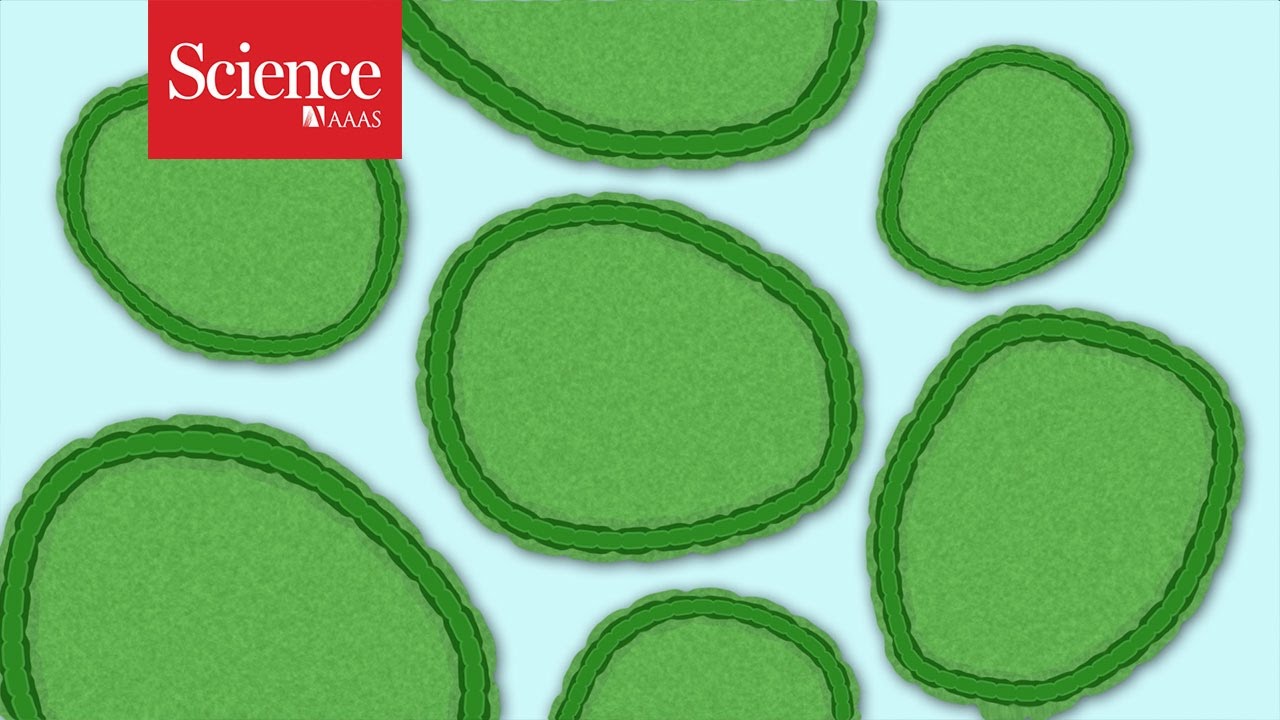
Prochlorococcus is the smallest photosynthesizer on Earth — and the most abundant. There are an estimated 3 billion billion billion of them in the ocean. A single drop of seawater contains up to 20,000 cells.
How small is it? If a grain of sand were the size of a mountain, a Prochlorococcus cell would be the size of a single person standing at the base. Yet these invisible cells collectively produce the oxygen for about 1 in every 5 breaths you take.
Its genome has just 2,000 genes — compared to over 10,000 in other algae. Evolution carved it down to pure efficiency. It thrives in nutrient-poor waters where nothing else survives.
How Does the Ocean Produce Oxygen?
Phytoplankton work exactly like plants — they use sunlight to convert CO2 and water into sugar and oxygen. But they do it floating in the top 200 meters of ocean, wherever light penetrates.
Marine phytoplankton produce more oxygen than all the rainforests, grasslands, and gardens on Earth combined. And microorganisms make up 70 to 90% of all ocean biomass — the sea is not just water, it is a living broth.
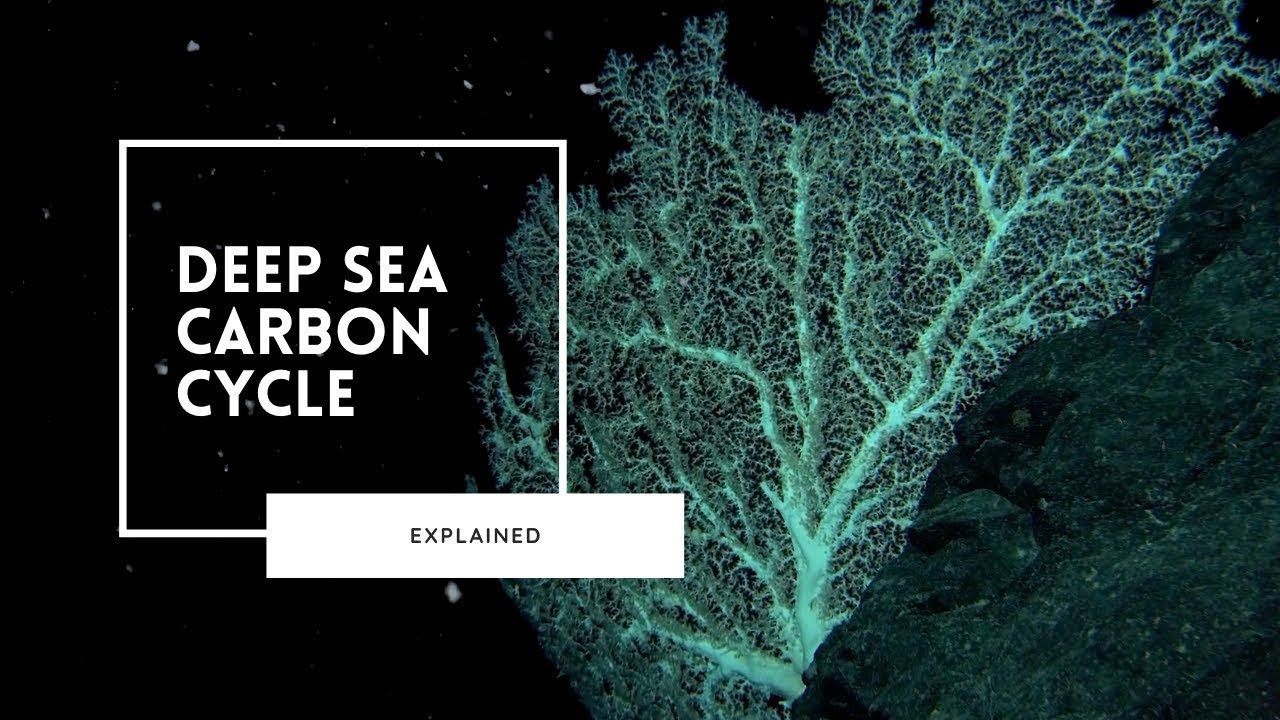
The Biological Carbon Pump: When phytoplankton die, they sink. As they fall through the water column, they carry carbon with them to the deep ocean floor. This biological pump sequesters approximately 10.2 gigatons of carbon per year — storing a total of 1,300 gigatons over an average 127-year cycle. It rivals all the world's forests in carbon removal.
What Is the Diel Vertical Migration?
Every night, the largest movement of biomass on Earth happens in the ocean. First documented by French naturalist Georges Cuvier in 1817, this phenomenon was a mystery for two centuries.
Trillions of plankton and small organisms rise from the deep ocean to feed at the surface. At dawn, they sink back down. An estimated 15 to 50% of all zooplankton biomass migrates daily, transporting massive amounts of carbon and nutrients through the entire water column.
It is the heartbeat of the ocean's metabolism.
How Do Viruses Keep the Ocean Alive?
There are 1 to 10 million viruses in every single milliliter of seawater. Marine viruses kill 20% of ocean bacteria every day.
That sounds destructive, but it is essential. When viruses burst bacteria open, they release nutrients back into the water in a process called the "viral shunt." These recycled nutrients feed the next generation of plankton. Death feeds life.
Why Does Iron Matter for Ocean Oxygen?
Iron is the limiting nutrient for phytoplankton in 30% of the ocean. A single gram of iron can trigger a bloom producing millions of plankton cells.
Here is a fact that connects everything: the decline of sperm whales in the Southern Ocean has resulted in 200,000 fewer tonnes of atmospheric carbon uptake per year. Why? Whale feces are rich in iron. Fewer whales means less iron, fewer plankton, less oxygen, and more CO2.
Protecting whales is protecting plankton. Protecting plankton is protecting your oxygen.
What Is Killing the Ocean's Oxygen Production?
Three forces are converging on the organisms that make our air breathable.
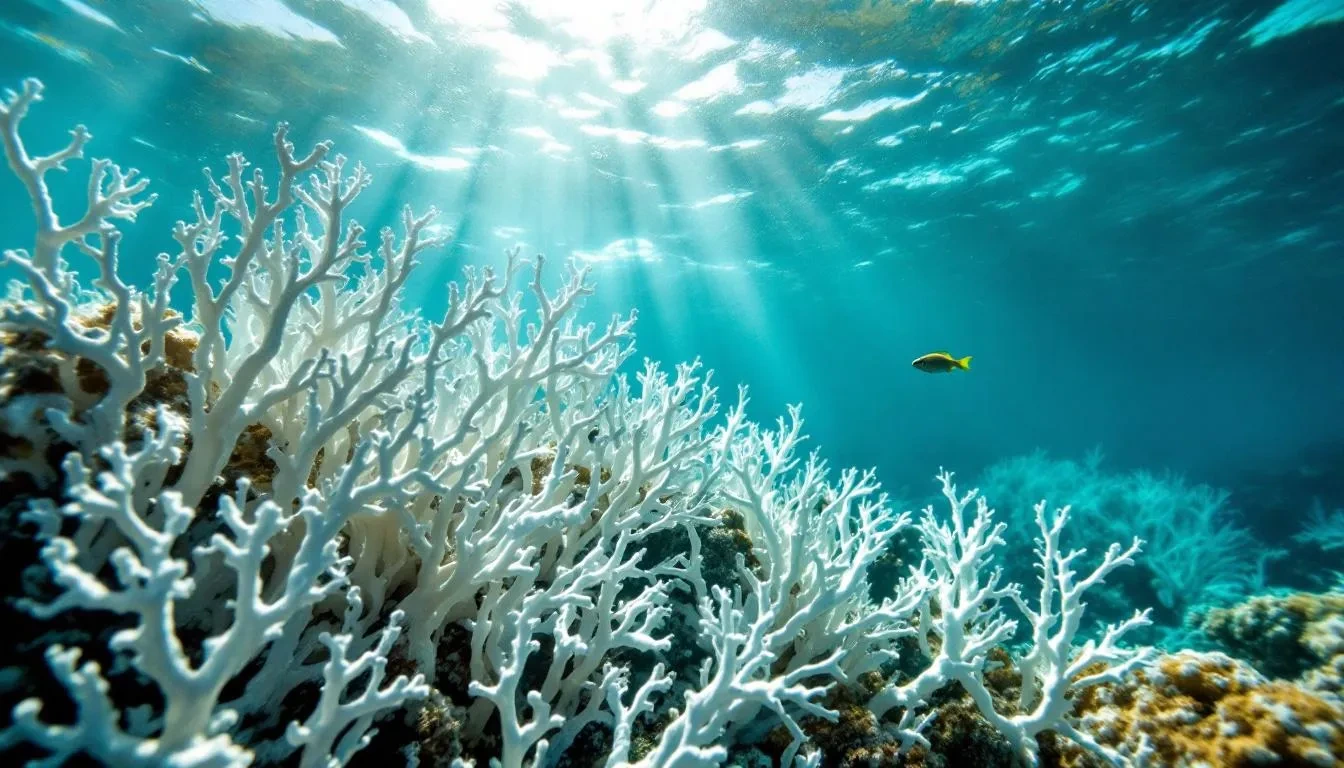
Ocean warming. Warmer water holds less dissolved gas — this alone explains 50% of oxygen loss in the upper ocean. Net primary productivity has declined approximately 6% since 1998.
Dead zones expanding. Open ocean areas with no oxygen have grown more than 1.7 million square miles in the last 50 years. Coastal low-oxygen zones have increased tenfold — driven largely by excess synthetic fertilizers from degraded soil washing into rivers and eventually reaching the sea, causing algal blooms that consume all available oxygen.
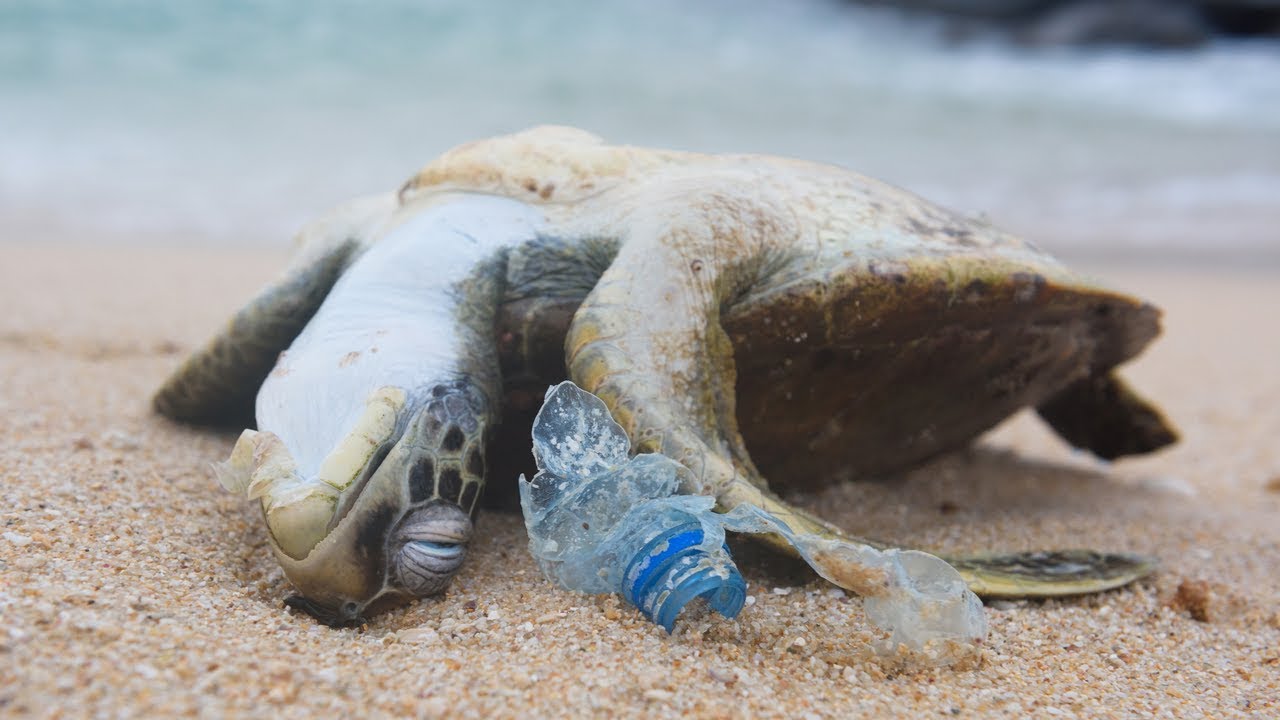
Plastic pollution. Common plastic leachates directly impair Prochlorococcus oxygen production. Microplastics — many of which travel from rivers to oceans — reduce photosynthetic efficiency in larger plankton by up to 45%.
The ocean has already lost 2% of its dissolved oxygen since the 1960s. Under high-emission scenarios, it could lose another 3 to 4% by 2100.
Can We Protect the Ocean's Oxygen?
Yes. The threats are serious but not irreversible.
The Tara Ocean Foundation has sailed 400,000 kilometers collecting plankton samples — producing the largest marine genomics dataset in history. Mission Blue has established 150+ Hope Spots worldwide. NASA tracks plankton health from space in real time.
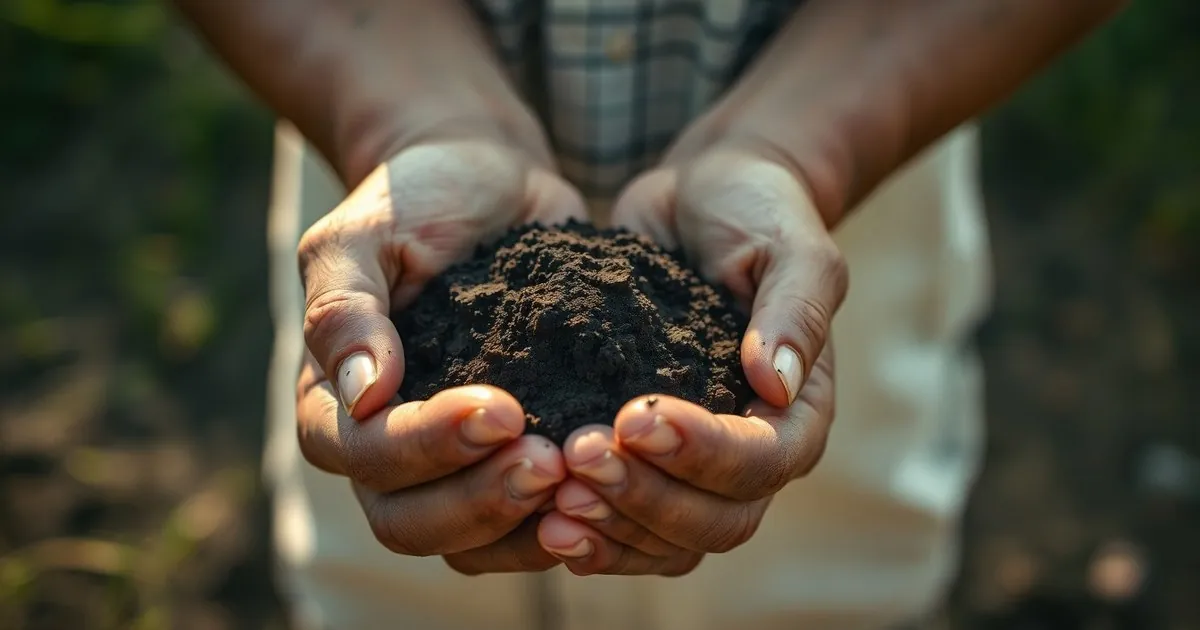
The connection runs both ways: healthy soil means less fertilizer runoff. Healthy rivers mean less plastic reaching the sea. Protecting pollinators means protecting the ecosystems that keep coastlines alive. Everything is connected.
The science exists. The monitoring exists. What matters now is whether we act.
What Can You Do to Protect Earth's Blue Lung?
Every piece of plastic you refuse is one less threat to the organisms making your air. Check your sunscreen — avoid oxybenzone and octinoxate, which harm plankton. Use a Guppyfriend wash bag to catch microfibers from synthetic clothing.
Support ocean science. Share what you just learned — most people have no idea that the ocean makes most of their oxygen.
The invisible drifters of the sea are keeping you alive right now. Protecting whales protects plankton. Reducing plastic protects photosynthesis. Every action connects back to the breath you are taking right now.
What Is the Viral Shunt and Why Does It Matter?
Every liter of seawater contains 10 billion viruses. Wilhelm and Suttle (1999) established that marine viruses kill 20-40%% of bacterial biomass every single day. But this is not destruction — it is recycling. When a virus lyses (bursts) a bacterial cell, the contents become Dissolved Organic Matter (DOM) that stays in the surface ocean.
This viral shunt diverts carbon from the food chain back into the microbial loop. Sullivan et al. (2017) distinguished two viral roles: the 'shunt' (keeping carbon at the surface as DOM) and the 'shuttle' (infected cell aggregates that sink, exporting carbon to depth). Viruses control which path carbon takes.
Why Do Only 1%% of Surface Plankton Reach the Deep Ocean?
Martin et al. (1987) established the foundational 'Martin Curve' for carbon flux attenuation: 100%% of surface net primary production is available at 100 meters, but only ~10%% reaches 1,000 meters, and barely 1%% reaches the seafloor. The power law is F(z) = F(100) x (z/100) to the power of -0.86.
The twilight zone (200-1000m) is where the biological pump's efficiency is decided. BGC-Argo autonomous floats (Nature Geoscience, 2021) revealed that this zone processes far more carbon than previously estimated. Zooplankton migration, microbial respiration, and particle fragmentation all occur here.
What Caused the Great Oxidation Event?
Lyons et al. (2014) in Nature established that cyanobacteria — the ancestors of modern Prochlorococcus — caused the Great Oxidation Event 2.4 billion years ago. Before this, Earth's atmosphere contained virtually no free oxygen. Microbial photosynthesis permanently transformed the planet.
The same organisms that created breathable air are now threatened by ocean warming and acidification. Behrenfeld et al. (2006) showed ocean primary productivity has declined since 1999. The organisms that made the atmosphere are losing the conditions they need to maintain it.
How Do Prochlorococcus Ecotypes Divide the Ocean?
Johnson et al. (2006) in Science revealed that Prochlorococcus is not one species but a family of ecotypes. High-Light adapted ecotypes (HLI, HLII) dominate the sun-drenched surface. Low-Light adapted ecotypes (LLI through LLIV) dominate 100-200 meters depth.
Genome size varies from 1.6 to 2.4 megabases by ecotype — the deeper populations carry more genes for light harvesting and fewer for UV protection. This niche partitioning allows Prochlorococcus to occupy the entire photic zone of the ocean simultaneously.
What Connects Plankton to Every Other System?
Plankton produce the DMS (dimethyl sulfide) that seeds clouds in the air microbiome — a planetary thermostat. Nutrient runoff from degraded soil via rivers creates the dead zones that kill plankton. The marine biological pump cannot function without the phytoplankton that start the carbon cascade.
The same game theory of cooperation from ethology operates here: plankton communities exhibit mutualism, competition, and viral-mediated 'policing' that maintains diversity. Every second breath you take comes from these invisible organisms.
How Do Plankton Control Cloud Formation?
Phytoplankton produce dimethylsulfoniopropionate (DMSP), which bacteria break down into dimethyl sulfide (DMS) gas. DMS enters the atmosphere and acts as a cloud condensation nucleus (CCN). Plankton literally program the clouds to reflect sunlight, creating a planetary thermostat.
This CLAW hypothesis (Charlson, Lovelock, Andreae, Warren) proposes a feedback loop: warmer ocean temperatures increase plankton growth, which increases DMS production, which increases cloud cover, which cools the planet. Whether this negative feedback is strong enough to buffer climate change is still debated — but the mechanism is proven.
What Is the Redfield Ratio and Why Does It Matter?
Plankton maintain a remarkably strict elemental ratio: 106 Carbon : 16 Nitrogen : 1 Phosphorus. This Redfield Ratio (1934) is the universal chemical signature of marine life. Deviations from this ratio indicate which nutrient is limiting productivity.
In 40%% of the ocean, nitrogen limits growth. In 30%%, iron is the bottleneck. In 15%%, phosphorus. Nitrogen fixers like Trichodesmium break the nitrogen bottleneck by converting atmospheric N2 into biologically available ammonium — allowing the ocean to inhale more carbon. Where nitrogen fixers thrive, the biological pump runs at full capacity.
Why Do Southern Oceans Struggle to Breathe?
Iron limits phytoplankton growth in 30%% of the ocean. These High-Nutrient Low-Chlorophyll (HNLC) zones have abundant nitrogen and phosphorus but no iron — and without iron, phytoplankton cannot build the enzymes needed for photosynthesis.
Iron fertilization experiments have shown massive but temporary blooms. Adding iron to HNLC waters triggers diatom explosions that draw down CO2 rapidly. But the blooms collapse within weeks and the carbon sequestration may be short-lived. Natural iron sources — Saharan dust, volcanic ash, and whale feces — sustain smaller but more persistent productivity. The air microbiome delivers dust-borne iron across oceans, connecting atmospheric transport to marine photosynthesis.