Soul Intro: Where Fields Return to Wildness
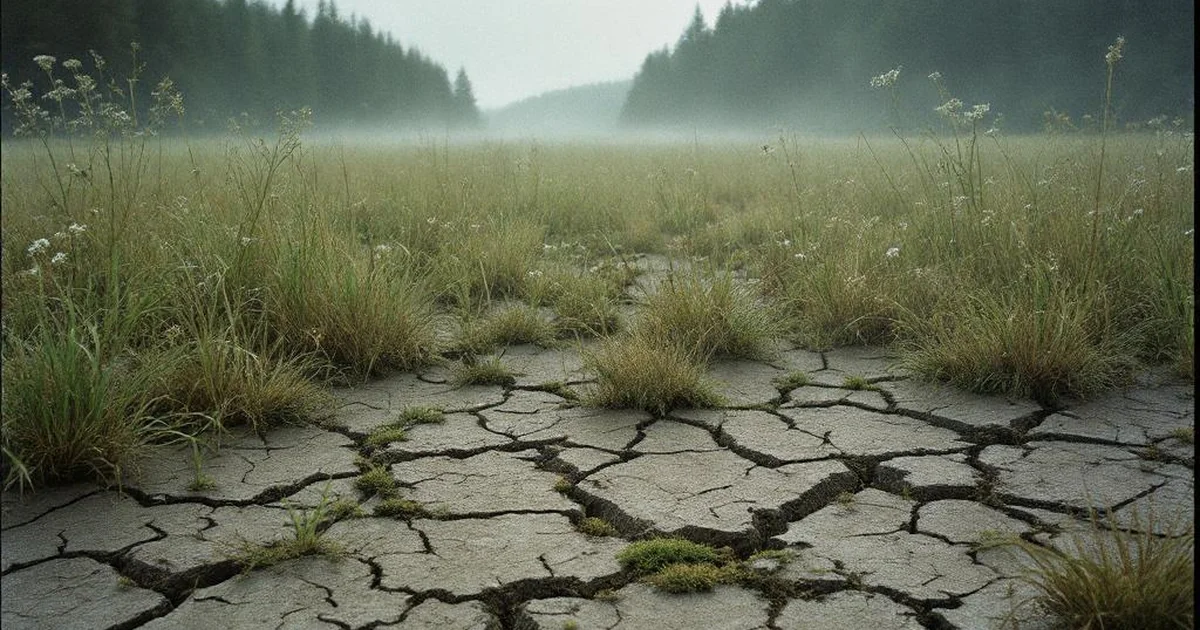
Across vast stretches of the globe, a quiet transformation is unfolding. As rural populations shift and economic pressures change, agricultural land, particularly in remote European regions, is being abandoned. This phenomenon, far from being a sign of decline, presents a profound opportunity for ecological restoration (10.1007/s10021-012-9558-7). These landscapes, once intensively managed for human sustenance, now hold the potential to revert to self-sustaining ecosystems, fostering biodiversity and naturally sequestering carbon. It's a chance for nature to reclaim its own, guided by the principles of rewilding.
For centuries, human activity has profoundly shaped Earth's surface, with agriculture being a primary driver of land-use change. While often romanticized, traditional agricultural practices were not always environmentally benign, sometimes leading to significant habitat alteration and resource depletion (10.1007/s10021-012-9558-7). The legacy of these practices, from monocultures to altered water cycles, means that simply leaving land untouched isn't always enough for full recovery. However, the increasing rates of farmland abandonment, documented particularly in regions like Europe, offer a unique canvas for nature to begin its healing process, often with strategic human assistance (10.1007/978-3-319-12039-3). This movement toward rewilding is more than just letting land go fallow; it is an active, informed commitment to fostering robust, resilient ecosystems capable of thriving independently once more.
Mechanism Deep Dive: The Science of Nature's Return
Restoration ecology provides the essential conceptual and practical frameworks for repairing environmental damage, offering a spectrum of interventions tailored to specific site conditions and ecological goals. From simply allowing nature to take its course — often termed a 'do nothing' approach — to highly active abiotic and biotic interventions, the field guides our efforts to help ecosystems recover (10.1146/annurev.environ.33.020107.113631). The choice of intervention depends on the degree of degradation, the potential for natural regeneration, and the desired future state of the ecosystem. For instance, severely compacted soils or landscapes devoid of seed banks might require extensive soil preparation and targeted native plant introductions, whereas areas with intact surrounding ecosystems might benefit more from minimal intervention, allowing natural dispersal and succession to occur.
Over time, our understanding of ecosystem dynamics has evolved significantly. Early restoration efforts often focused on restoring a static historical state, but contemporary restoration ecology recognizes that ecosystems are dynamic, constantly adapting to environmental changes. This revised understanding, coupled with the accelerating pace of global change, influences how restoration decisions are made today (10.1890/es15-00121.1). Rather than aiming for a fixed historical snapshot, modern restoration often emphasizes building resilience and adaptive capacity into recovering ecosystems. This means incorporating strategies that account for future climate shifts, novel species interactions, and the inherent uncertainty of long-term ecological processes. The goal is to foster systems that can self-organize and sustain their functions, even as environmental conditions continue to evolve. This holistic approach ensures that restoration efforts are not just about rebuilding, but about creating robust, self-sustaining natural systems for the future.
Rewilding Degraded Agricultural Land: Breaking the Soil Carbon Deficit
Rewilding degraded agricultural land represents one of the most direct interventions available to reverse decades of soil carbon loss, yet the mechanism behind this recovery remains underappreciated in restoration work. When agricultural systems strip away native vegetation and repeatedly till the soil, they trigger a cascade of changes: microbial communities collapse, organic matter oxidizes rapidly, and the soil's capacity to store carbon plummets. Research by Don Falk and colleagues has shown that degraded agricultural soils can lose 30–50% of their original carbon content within just decades of intensive farming.
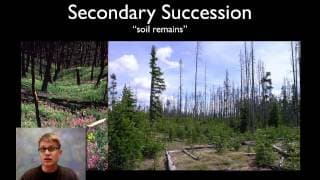
The rewilding process interrupts this decline through ecological succession, where pioneer plants begin stabilizing the soil while reestablishing the fungal networks that agriculture had dismantled. As vegetation returns—first herbaceous species, then shrubs and eventually trees—the rate of carbon inputs from leaf litter and root exudates accelerates. Simultaneously, the reestablished microbial community shifts from rapid decomposition to slower, deeper carbon sequestration, storing carbon in mineral-bound forms that persist for centuries.
Keystone species dramatically accelerate this recovery. Beavers, for instance, slow water movement across rewilding land, allowing sediments rich in organic matter to settle and creating anaerobic zones where carbon becomes trapped rather than released as CO2. Nitrogen-fixing plants like legumes rebuild soil fertility that decades of monoculture had exhausted, making the environment hospitable for the diverse plant communities that follow.
The timeline matters significantly: research indicates that rewilded agricultural land can begin recovering its carbon baseline within 15–30 years, though full ecosystem recovery may take a century or more. This isn't a slow return to wilderness—it's a measurable, accelerating process of biological repair that compounds with each successive generation of vegetation.
Understanding how degraded soils transform during rewilding shifts our perspective from "restoration as human management" to "restoration as releasing nature's own recovery mechanisms." The question isn't whether degraded agricultural land can heal, but rather how strategically we can guide that healing by understanding the ecological succession that's already written into the DNA of recovery.
Mechanism Deep Dive: Guiding Principles for a Wilder Future
Rewilding emerges as a powerful tool in nature conservation, fundamentally aiming to restore ecosystem structure and functions to achieve a state of self-sustaining, autonomous nature (10.1111/cobi.13730). It’s not merely about reforestation or species reintroduction in isolation, but about rebuilding the complex web of interactions that allow an ecosystem to thrive independently. This vision moves beyond static conservation targets, striving instead for dynamic landscapes where natural processes, such as disturbance regimes, trophic interactions, and hydrological cycles, are allowed to operate freely, shaping the environment without constant human management.
The guiding principles of rewilding emphasize the re-establishment of ecological processes and the return of species that play critical roles within those processes. This often includes large herbivores and predators, which can drive significant changes in vegetation structure and nutrient cycling. The objective is to foster a nature that is not only biodiverse but also resilient and capable of self-regulation. Importantly, rewilding exists on a continuum of scale, connectivity, and the level of human influence (10.1111/cobi.13730). It can range from small-scale habitat restoration within existing protected areas to vast landscape-level projects that connect fragmented habitats across multiple jurisdictions. The degree of human intervention also varies, from passive rewilding (allowing natural processes to unfold) to active rewilding (involving targeted species reintroductions or habitat manipulations). This flexible framework acknowledges that there is no one-size-fits-all solution, but rather a context-dependent approach that adapts to the specific ecological, social, and economic realities of each site. The ultimate goal remains consistent: to empower nature to manage itself, fostering truly wild and resilient landscapes.
Action-Encyclopedia Module: The Unseen World Beneath Our Feet
Beneath the surface of every rewilding project lies an often-unseen, yet critically important, world: the soil. Soil biodiversity is absolutely crucial for supporting all life on land and in connected water systems, acting as the engine for numerous vital ecosystem services. This complex living system, teeming with microorganisms, fungi, insects, and other invertebrates, contributes to over 25% of Earth's total biodiversity (10.3390/su12072662). Its health directly underpins the success of any rewilding endeavor, influencing everything from plant establishment to carbon sequestration.
Soil organisms are tireless workers, contributing significantly to nutrient cycling by decomposing organic matter and making essential elements available to plants. They are also powerful agents of climate regulation, as healthy soils can store vast amounts of carbon, effectively drawing greenhouse gases from the atmosphere. Furthermore, soil biodiversity is indispensable for food production, even in rewilded landscapes, by improving soil structure, water infiltration, and natural pest control. Beyond these roles, these microscopic and macroscopic engineers aid in pollution remediation, breaking down contaminants and filtering water as it moves through the earth (10.3390/su12072662). Recognizing and actively fostering soil biodiversity is therefore central to achieving multiple sustainability goals, including the Aichi Biodiversity Targets, by ensuring that the very foundation of terrestrial ecosystems is robust and capable of supporting a thriving, self-sustaining wildness.
Action-Encyclopedia Module: Beavers: Architects of Aquatic Renewal
Among the most impactful of keystone species are beavers, recognized globally as ecosystem engineers due to their profound ability to modify landscapes. These industrious rodents significantly impact ecosystem structure and geomorphology, primarily through their dam-building and tree-felling activities. Their work creates complex mosaic habitats, transforming uniform streams into diverse wetlands, ponds, and braided channels. This re-engineering of the physical environment has cascading effects on the entire ecosystem (10.1002/wat2.1494).
The presence of beaver populations dramatically alters hydrology and water resources, increasing water retention in landscapes and diversifying water flow patterns. Their dams slow down water, allowing it to percolate into groundwater systems and creating valuable wetland habitats that buffer against floods and droughts. This leads to substantial improvements in water quality, as beaver ponds trap sediments and influence nutrient cycling, effectively filtering pollutants from waterways. The enhanced habitat diversity and improved water quality, in turn, bolster freshwater ecology, supporting a wider array of aquatic insects, fish, amphibians, and riparian bird species (10.1002/wat2.1494). The reintroduction of beavers can therefore jumpstart the recovery of degraded agricultural land, particularly along watercourses, initiating a cascade of positive ecological changes.
Key Ecological Impacts of Beaver Reintroduction
| Impact Category | Ecological Effect |
|---|
| Ecosystem Structure & Geomorphology | Alters physical landscape through dam building and tree felling, creating new habitats. |
| Hydrology & Water Resources | Modifies water flow, increases water retention, creates wetlands. |
| Water Quality | Improves water quality by trapping sediments and influencing nutrient cycling. |
| Freshwater Ecology | Enhances habitat diversity, supporting various aquatic and riparian species. |
Mechanism Deep Dive: The Ripple Effect of Restored Connections
Modern restoration ecology extends beyond simply reintroducing species or replanting native vegetation; it now deeply considers the intricate web of interactions that define healthy ecosystems. This includes a focus on facilitative interactions, where one species benefits another, and network dynamics, which describe how species are connected within a food web and other ecological relationships. Understanding these complex interdependencies is crucial for designing effective restoration strategies that promote long-term biodiversity persistence (10.1890/es15-00121.1).
A powerful concept within this expanded framework is that of trophic cascades. These are ecological processes that start at the top of the food chain and ripple down through lower trophic levels. For example, the reintroduction of a top predator can control herbivore populations, leading to increased plant growth and a healthier, more diverse plant community. Such cascades can dramatically alter ecosystem structure and function, fostering resilience and enhancing overall biodiversity. Recognizing the potential for these ripple effects allows restoration practitioners to make strategic interventions that can unlock self-sustaining recovery processes. Tackling complex environmental problems like agricultural land degradation and climate change requires an interdisciplinary approach, integrating ecological science with social, economic, and political considerations to foster true planetary health (10.1890/es15-00121.1).
Love In Action: Becoming a Catalyst for Wildness
Engage with local conservation initiatives that focus on land restoration and rewilding. Many organizations seek volunteers to help with native planting, invasive species removal, or monitoring wildlife. Your direct involvement can contribute significantly to the health of local ecosystems.
Support policies that promote land abandonment for rewilding, especially in areas where agriculture is no longer economically viable. Advocate for incentives that encourage landowners to embrace ecological restoration over intensive farming. Research and understand the principles of rewilding in your region.
Champion the reintroduction of keystone species, such as beavers or native large herbivores, where appropriate and ecologically sound. Educate others about their vital roles in ecosystem engineering and the benefits they bring to biodiversity and water management. Support scientific research that informs best practices for rewilding and ensures the long-term success of these vital projects.
Conclusion: Embracing Nature's Resilient Future
The rewilding of degraded agricultural land represents a transformative opportunity, allowing ecosystems to recover and flourish. This process, driven by ecological succession and often aided by strategic interventions, underscores the profound resilience of nature. The reintroduction of keystone species, like beavers, and the revitalization of soil biodiversity are not merely components but essential drivers of this long-term recovery. These efforts are crucial for restoring ecosystem health, enhancing biodiversity, and significantly contributing to long-term carbon sequestration. As we look to the future, embracing rewilded landscapes offers a powerful vision of self-sustaining natural systems, capable of providing vital ecological services for generations to come.