Soul Intro: The Breath of a Living Planet
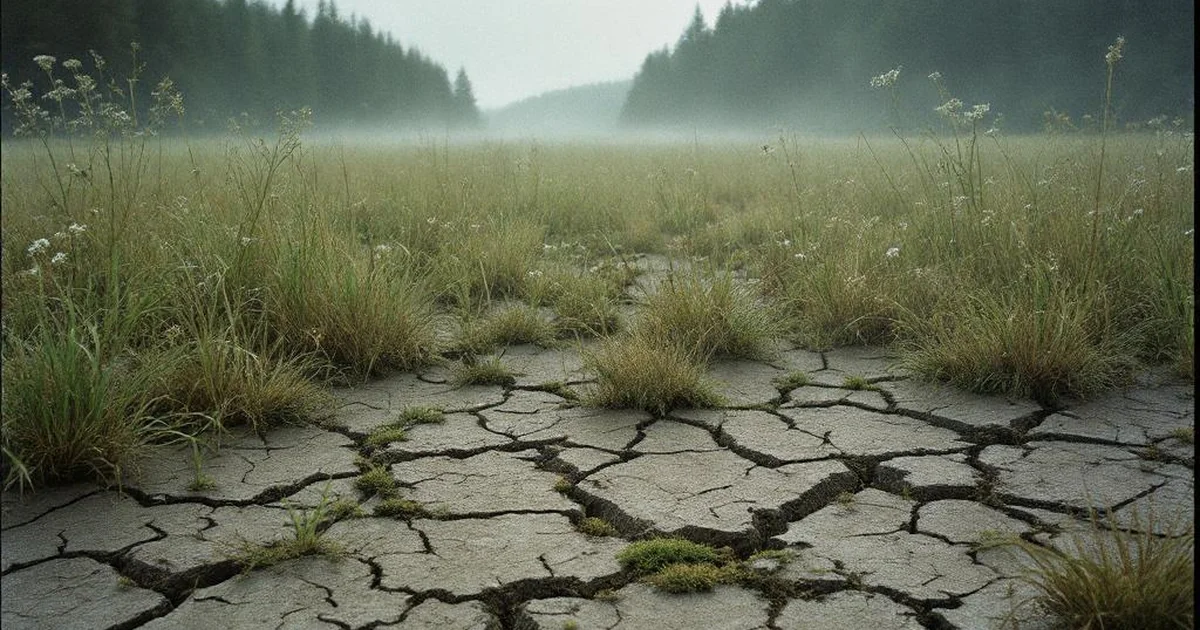
Picture a meadow at dawn. Dew clings to the grasses, and the air hums with the buzz of insects. A herd of deer moves through the mist, their hooves pressing soft trails into the soil. Above, a hawk circles, its sharp eyes scanning for movement. This is not just a pretty scene—it is a living network of interactions, a system held in balance by the push and pull of predators, prey, and plants. But across the globe, these networks are fraying. Human actions have become the major force shaping the Earth system, driving climate change, rapid biodiversity loss, growing inequalities, and a loss of resilience in the ecosystems that sustain us (10.1890/14-2274.1). We are living in the Anthropocene, a time when people and nature are dynamically intertwined, for better and for worse (10.1007/s13280-021-01544-8).
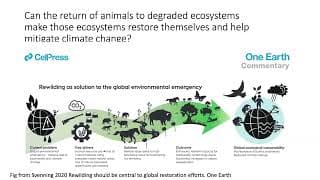
Yet within this reality lies a profound opportunity. Trophic rewilding emerges as a restoration strategy that doesn't just plant trees or clean rivers—it aims to restore the very forces that keep ecosystems self-regulating. By reintroducing key species, especially large animals that have been lost, we can rebuild the top-down trophic interactions that once shaped landscapes. This is not about returning to some mythical past; it is about giving nature the tools to heal itself. The science is clear: the biosphere is under pressure, but it is not beyond repair. The question is whether we have the will to act.
Mechanism Deep Dive: The Cascade of Life
At its core, trophic rewilding is an ecological restoration strategy that uses species introductions to restore top-down trophic interactions and the cascading effects that follow. When a predator is removed from an ecosystem, the effects ripple outward. Prey populations may explode, overgrazing vegetation and altering the physical structure of the landscape. But when that predator returns—or when a functionally equivalent species is introduced—the system can begin to rebalance. This is the essence of a trophic cascade: a chain of ecological events, triggered by a change at the top of the food web, that influences every level below (10.1073/pnas.1502556112).
The strategy often focuses on restoring functional megafauna—large animals like elephants, wolves, bison, and beavers—because of their outsized roles in shaping ecosystems. These animals are ecosystem engineers. Elephants knock down trees, creating open spaces for grasses. Wolves control deer populations, allowing forests to regenerate. Beavers build dams that create wetlands, filtering water and providing habitat for countless species. But megafauna have suffered disproportionate losses across the globe. Their absence has left many ecosystems ecologically incomplete, missing the very forces that once maintained their complexity and resilience (10.1073/pnas.1502556112).
Trophic rewilding seeks to fill these gaps. The goal is not to micromanage every species, but to restore the conditions for self-regulating, biodiverse ecosystems. By reintroducing keystone species, we can trigger cascades that restore ecological processes—from nutrient cycling to fire regimes—without constant human intervention. It is a strategy rooted in humility: we cannot control every variable, but we can set the stage for nature to do what it does best.
Rewilding the Food Web: How Trophic Restoration Rebuilds Ecological Balance
Trophic rewilding—the strategic reintroduction of missing species to restore ecological food webs—operates as one of the most direct mechanisms for recovering both biodiversity and the ecosystem services we depend on. When apex predators, large herbivores, or keystone species return to landscapes, they don't simply add numbers to a species list; they fundamentally reorganize how energy and nutrients flow through entire ecosystems.
Consider what happens when wolves return to a region. Research by Ripple and Beschta (2012) demonstrated that wolf reintroduction in Yellowstone triggered a trophic cascade: reduced elk browsing allowed willows to recover, which stabilized riverbanks, which created habitat for beaver and songbirds, which altered water infiltration patterns. A single keystone species triggered a reorganization that benefited dozens of others. This is trophic rewilding in action—one species restoring the ecological relationships that biodiversity requires.
The biodiversity gains extend beyond the charismatic megafauna. When food webs regain their missing links, specialist insects, plants, and microorganisms that depend on those trophic relationships begin to thrive again. A landscape with intact predator-prey relationships supports higher overall species richness because it maintains the structural complexity that different organisms need to survive. The rewilded ecosystem becomes more resilient to climate shifts and disturbances—a living insurance policy.
Ecosystem services—pollination, water purification, soil formation, carbon storage—are trophically dependent in ways we're only beginning to fully appreciate. Herbivore grazing patterns influence plant community composition, which directly affects soil carbon sequestration rates. Predator presence shapes prey behavior in ways that affect vegetation structure and fire dynamics. When rewilding restores these trophic relationships, ecosystem services don't just marginally improve; they stabilize in ways that benefit human communities downstream and downwind.
The ecological evidence is clear: landscapes with intact trophic structures outperform simplified ones across nearly every biodiversity metric and ecosystem service measure. Understanding exactly how trophic rewilding creates these cascading benefits is essential before examining the specific mechanisms and global opportunities that make this restoration approach scalable.
Mechanism Deep Dive: The Five Pressures
The urgency of trophic rewilding becomes clear when we examine the scale of biodiversity loss. Direct pressures on biodiversity change are well-documented: habitat change, overexploitation, exotic species, pollution, and climate change (10.1146/annurev-environ-042911-093511). These five forces, driven almost entirely by human activity, are reshaping the living world at an unprecedented rate. Forests are cleared for agriculture. Oceans are overfished. Invasive species outcompete native ones. Chemical pollutants accumulate in soil and water. And the climate is warming, shifting the conditions that species have evolved to thrive in.
The numbers are sobering. Less than half of the terrestrial realm remains intact (10.1126/sciadv.aaw2869). That means more than 50% of the Earth's land surface has been significantly modified by human activity. For the species that depend on those intact ecosystems, the consequences are dire. Extinction rates are now hundreds to thousands of times higher than the natural background rate. The foundation of the biosphere—the web of life that provides clean air, fresh water, pollination, and climate regulation—is being eroded (10.1007/s13280-021-01544-8).
This is where trophic rewilding offers more than just a conservation tool. It is a response to the systemic nature of these pressures. By restoring key species and their interactions, we can address multiple drivers of biodiversity loss at once. A reintroduced predator can control overabundant herbivores (addressing overexploitation of vegetation). A restored wetland can filter pollutants. A connected landscape can help species move in response to climate change. The strategy is not a silver bullet, but it is a powerful lever in a complex system.
Mechanism Deep Dive: The Fire That Renews
Fire is often seen as a destructive force, a threat to lives and property. But ecologically, it is something far more fundamental. Fire is a fundamental ecological and evolutionary force that regulates organismal traits, population sizes, species interactions, community composition, carbon and nutrient cycling, and ecosystem function (10.1111/1365-2745.13403). Many ecosystems, from the savannas of Africa to the forests of North America, have evolved with fire. Certain plants require fire to germinate. Some animals depend on post-fire habitats for foraging. Fire shapes the very structure of these landscapes.
The problem is that humans have disrupted natural fire regimes in two opposing ways. In some places, we have suppressed fire for decades, allowing fuel to accumulate until wildfires become catastrophic. In others, we have introduced fire where it never belonged, or altered its frequency and intensity through climate change. The result is a dual challenge: increasingly destructive wildfires that threaten communities and ecosystems, and the exclusion of fire from fire-dependent ecosystems that need it to remain healthy (10.1111/1365-2745.13403).
Trophic rewilding can play a role here, too. Large herbivores, for example, can reduce the fuel load that drives intense wildfires. By grazing on grasses and shrubs, they create firebreaks and lower the risk of megafires. Predators can influence where herbivores graze, creating a mosaic of vegetation types that can moderate fire behavior. Fire is not something to be eliminated; it is a process to be managed, and rewilding can help restore the ecological conditions that allow fire to play its natural role.
Action-Encyclopedia Module: The Global Deal for Nature
| Conservation Target/Status | Percentage of Earth | Timeline/Context |
|---|
| Formally Protected Areas | 30% | Target by 2030 |
| Climate Stabilization Areas | Additional 20% | Target by 2030 |
| Terrestrial Ecoregions Capable of 30% Protection | 67% | Current assessment |
| Terrestrial Realm Intact | Less than 50% | Current assessment |
In response to the scale of the biodiversity crisis, scientists have proposed the Global Deal for Nature (GDN), a science-driven plan to conserve life on Earth. The GDN sets ambitious targets: 30% of Earth's land and ocean to be formally protected, and an additional 20% designated as climate stabilization areas, all by 2030 (10.1126/sciadv.aaw2869). This is not just about setting aside pretty places. These protected areas are designed to secure the ecosystem services that humanity depends on—clean water, pollination, carbon storage—while also providing a refuge for biodiversity.
The numbers are encouraging. According to current assessments, 67% of terrestrial ecoregions can meet the 30% protection target (10.1126/sciadv.aaw2869). This means that in two out of three of the world's ecological regions, it is physically and politically feasible to protect enough land to significantly reduce extinction threats and carbon emissions. Paired with the Paris Climate Agreement, these targets aim to keep global warming below 1.5°C, avoiding the most catastrophic consequences of climate change.
But targets are not achievements. The GDN is a roadmap, not a destination. Achieving these goals will require unprecedented cooperation between governments, indigenous communities, conservation organizations, and the private sector. It will also require strategies like trophic rewilding to ensure that protected areas are not just lines on a map, but functioning, self-regulating ecosystems.
Action-Encyclopedia Module: Fields of Opportunity
Not all opportunities for rewilding require setting aside pristine wilderness. In Europe, a quiet revolution is underway. Farmland abandonment—particularly in remote, less productive areas—is creating new landscapes where ecosystems can recover. This presents an opportunity for rewilding ecosystems, challenging the common perception that traditional agriculture was always environmentally friendly (10.1007/s10021-012-9558-7).
Traditional agricultural landscapes have shaped Europe's cultural heritage for centuries. They are home to species that depend on low-intensity farming practices. But the reality is more complex. Some traditional practices were sustainable; others were not. The draining of wetlands, the clearing of forests, and the overgrazing of pastures all had environmental costs. The loss of these landscapes is a cultural concern, but it is also an ecological opportunity. When farms are abandoned, nature has a chance to reclaim the land. Shrubs and trees return. Wildlife moves back in. Ecological processes—nutrient cycling, water filtration, species dispersal—begin to function again.
The challenge is to manage this transition thoughtfully. Not all abandoned farmland should be left to rewild; some areas may be better suited for reforestation, wetland restoration, or other interventions. But the key insight is that rewilding does not always require active reintroductions. Sometimes, it simply requires stepping back and letting nature do the work. Farmland abandonment, once seen as a problem, can become a solution.
Love In Action: Three Ways to Rewild Your World
Support rewilding organizations. Donate to groups like Rewilding Europe, the Yellowstone to Yukon Conservation Initiative, or the Global Rewilding Alliance. These organizations work on the ground to reintroduce species, protect habitats, and connect landscapes. Your financial support helps fund the science and fieldwork that makes rewilding possible.
Make space for nature where you live. Plant native species in your garden. Reduce or eliminate pesticide use. Create a small pond or a log pile for insects and amphibians. Even in urban areas, small actions can create habitat corridors that support local biodiversity. Every patch of rewilded land is a stepping stone for wildlife.
Advocate for policy change. Support the Global Deal for Nature by contacting your elected representatives. Urge them to commit to the 30% protection target and to fund conservation programs that include rewilding. Vote for leaders who take climate and biodiversity seriously. Policy change at the national and international level is essential to scaling up rewilding efforts.
Conclusion: The Self-Regulating Future
Trophic rewilding is not a quick fix. It is a long-term commitment to restoring the ecological forces that keep ecosystems healthy and resilient. The science is clear: by reintroducing key species and restoring trophic cascades, we can promote self-regulating, biodiverse ecosystems that require less and less human intervention over time. This is not about turning back the clock; it is about giving nature the tools to adapt to a changing world.
The urgency is real. Less than half of the terrestrial realm remains intact. The pressures of habitat change, climate change, and overexploitation continue to mount. But so do the opportunities. From the ambitious targets of the Global Deal for Nature to the quiet rewilding of abandoned farmlands, there are pathways forward. The future is not fixed. It is a landscape we are shaping, every day, through our choices and our actions. Let us choose to restore the breath of a living planet.