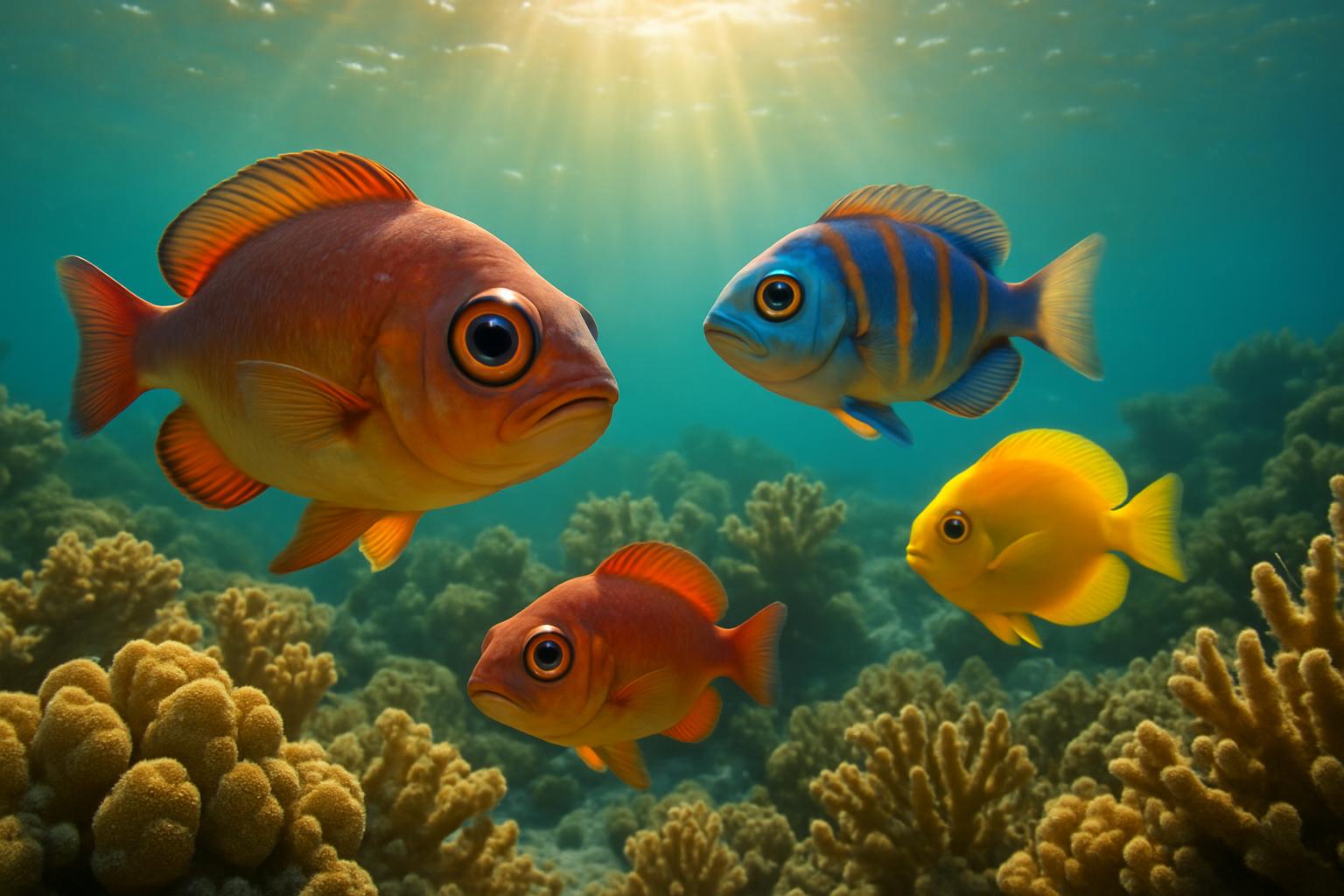
Fish Feel Pain: The Neuroscience of Fish Sentience and What It Means for the Trillions Caught Each Year
Evidence-based science journalism. Every claim verified against peer-reviewed research.
fishfeelpainneurosciencefishsentience
Evidence-based science journalism. Every claim verified against peer-reviewed research.
© 2026 Express Love Inc. — All Rights Reserved. Original research-backed content. Unauthorized reproduction, derivative audio/video adaptations, or use for AI training is strictly prohibited without written consent.
Fish possess nociceptors and exhibit pain-related behaviors, with an estimated 1–3 trillion fish caught and killed annually, yet their capacity for suffering remains scientifically contested.
Key Takeaways
The question of whether fish experience pain—and by extension, suffering—hinges on a fundamental biological distinction: the difference between nociception and pain. Nociception is the unconscious detection of tissue damage by specialized sensory neurons called nociceptors. Pain, in contrast, is a conscious, aversive emotional experience. For decades, the skeptical position, articulated forcefully by Key (2016), held that fish cannot feel pain because they lack a neocortex, the brain region associated with human conscious experience. This argument, however, is increasingly challenged by a growing body of evidence demonstrating that fish possess a sophisticated nociceptive architecture and exhibit behaviors consistent with conscious pain. Correlation is not destiny
The Hardware: Nociceptors and Neural Pathways
Fish are equipped with the biological hardware necessary for nociception. They possess polymodal nociceptors—nerve endings that respond to mechanical pressure, extreme temperatures, and chemical irritants—located in their skin, mouth, and gills. When a fish is hooked, netted, or injured, these receptors fire, sending signals via the trigeminal and spinal nerves to the brainstem and forebrain. This is not a simple reflex arc. Browman et al. (2018), in a comprehensive review drawing on over 3,000 peer-reviewed studies, documented that these signals reach higher brain centers, including the telencephalon and pallium, regions homologous to the mammalian cortex. The presence of these pathways suggests that the fish brain is processing nociceptive information in a manner that could support conscious awareness.
The Consciousness Debate: Beyond the Neocortex
The central objection—that fish lack a neocortex—is a species-specific definition of consciousness. The Cambridge Declaration on Consciousness (2012) directly challenged this view, concluding that non-human animals, including fish, possess the neurological substrates for conscious states. This declaration was informed by research showing that birds and fish, despite having a different forebrain architecture, generate consciousness through analogous structures. Tononi et al. (2015) developed Integrated Information Theory (IIT), a framework that assesses consciousness based on a system’s capacity to integrate information, regardless of its physical structure. IIT is applicable to non-mammalian species, providing a theoretical basis for evaluating consciousness in fish. The theory suggests that the highly interconnected neural networks in the fish pallium could generate a conscious experience, even if that experience is radically different from our own.
Behavioral Evidence of Suffering
The behavioral evidence for fish pain is extensive and robust. Fish injected with acetic acid into their lips exhibit prolonged, species-specific behaviors: they rock back and forth, rub their mouths against the gravel, and lose appetite. Crucially, when given a choice, they will avoid areas where they previously experienced a noxious stimulus, demonstrating associative learning. Rose et al. (2012) presented a skeptical view, arguing that these behaviors could be explained by unconscious nociception and that studies often fail to distinguish between reflex and conscious pain. However, this criticism is increasingly difficult to sustain. Mason et al. (2022) noted that fish given morphine—an analgesic that blocks pain in humans—stop performing these behaviors, while a saline placebo does not. This suggests that the behavior is driven by a pain state, not a simple reflex. Fish also show cognitive biases: when placed in an unfamiliar, potentially threatening environment, they are more likely to interpret ambiguous stimuli as negative—a sign of anxiety and a measurable indicator of suffering.
The Scale of the Problem: Trillions at Stake
The scientific debate has profound ethical implications. Over 1 trillion fish are killed annually for human consumption through commercial fishing and aquaculture. This number dwarfs the total of all other vertebrates killed for food. The question is not merely academic; it is a matter of aquatic animal welfare on an unprecedented scale. If fish are sentient, as the weight of evidence from Browman et al. (2018) and the Cambridge Declaration suggests, then current industrial practices—including asphyxiation in air, ice baths, and live gutting—likely cause immense suffering. The precautionary principle, as argued by Birch et al. (2017), suggests that where there is credible evidence of sentience, we should assume fish can suffer until proven otherwise. The science is clear enough to warrant a fundamental shift in how we treat these animals.
Transition to Next Section
The evidence for fish nociception and the plausibility of their consciousness challenges the historical view of fish as unfeeling automatons. Yet, the debate remains polarized, with some scientists insisting on a neocortex-centric definition of consciousness. The next section will examine the specific arguments against fish sentience, dissecting the methodological critiques and the philosophical assumptions that continue to shape policy and practice.
The central controversy over fish pain hinges on a critical distinction: the difference between nociception—the automatic, reflexive detection of tissue damage—and the conscious experience of suffering. Fish possess specialized pain receptors called nociceptors, which detect harmful stimuli such as heat, pressure, and chemical irritants. When a fish is hooked or injured, these nociceptors send signals to the brain, triggering withdrawal responses, rubbing of the affected area, and changes in behavior. However, the question is whether these responses indicate a subjective, felt experience of pain or merely an unconscious reflex.
The skeptical position, articulated by Key (2016), argues that fish cannot feel pain because they lack the neocortex—the brain region associated with higher-order consciousness in mammals. Key contends that without this neural architecture, fish are incapable of the integrated, conscious awareness required for suffering. This view has been influential in policy debates, where the absence of a neocortex has been used to justify minimal welfare protections for fish compared to mammals and birds.
Yet this argument is increasingly contested. The Cambridge Declaration on Consciousness (2012) concluded that non-human animals possess the neurological substrates for conscious states, challenging the notion that consciousness requires a neocortex. Tononi et al. (2015) presented the Integrated Information Theory (IIT) of consciousness, which measures consciousness by the degree of integrated information in a system—a metric that applies to non-mammalian species. Under IIT, a fish brain, despite its different structure, could theoretically generate conscious experience if it integrates information in a sufficiently complex manner. This framework suggests that the absence of a neocortex does not automatically preclude fish consciousness.
The debate is not merely philosophical; it is grounded in a vast body of empirical research. Browman et al. (2018) reviewed welfare evidence across more than 3,000 peer-reviewed studies attributing sentience, pain, and suffering to aquatic animals. This comprehensive analysis found that fish exhibit behaviors consistent with pain: they learn to avoid painful stimuli, show altered feeding and social behavior after injury, and will self-administer analgesics (pain-relieving drugs) when given the opportunity. These behaviors are not easily explained by simple reflex arcs; they suggest a central processing of pain that involves memory, learning, and decision-making.
Opponents like Rose et al. (2012) argue that these behaviors can be explained by unconscious nociception alone. They point out that fish lack the specific brain structures—such as the insular cortex and anterior cingulate cortex—that in mammals are associated with the emotional component of pain. However, this argument assumes a mammalian-centric model of consciousness. Allen et al. (2011) countered that fish cognition and consciousness may be organized differently, not less complexly. Fish brains, while smaller and differently structured, contain regions homologous to the mammalian amygdala and hippocampus, which are involved in emotion and memory. The question is not whether fish have a human-like pain experience, but whether they have any conscious experience at all.
The stakes of this debate are enormous. Over 1 trillion fish are killed annually for human consumption through commercial fishing and aquaculture—more than any other vertebrate class. This staggering number dwarfs the estimated 70 billion land animals slaughtered each year. Yet fish are largely excluded from animal welfare legislation, in part because of the scientific uncertainty surrounding their capacity for suffering.
Birch et al. (2017) argued for applying the precautionary principle to animal sentience: where there is credible evidence of sentience, we should err on the side of caution, even if absolute proof is lacking. The evidence for fish sentience is now substantial enough that the burden of proof should shift to those who claim fish do not suffer. Mason et al. (2022) emphasized that the debate around fish pain is fundamentally about fish suffering—the conscious, affective experience of harm. They argued that the behavioral and neurobiological evidence is strong enough to warrant ethical consideration, even if we cannot directly access a fish's subjective experience.
The controversy persists because consciousness itself remains a scientific mystery. We cannot prove that any other animal—including humans—experiences pain in the same way. But the convergence of evidence from neurobiology, behavior, and evolutionary biology increasingly points toward fish sentience as the most parsimonious explanation. As Rowan et al. (2021) noted, the history of animal sentience science shows a pattern of expanding moral consideration as evidence accumulates. Fish may be the next frontier.
This scientific uncertainty has direct implications for aquatic animal welfare. If fish are sentient, then current practices in commercial fishing—which often involve suffocation, decompression, or being crushed to death—cause immense suffering on a scale that is difficult to comprehend. The debate is no longer just academic; it is a moral and policy question that demands resolution.
The neuroscience of fish pain is only half the story. To understand why the controversy persists, we must also examine the behavioral evidence—how fish actually respond to injury, and what those responses reveal about their inner lives. The next section will explore the experimental studies that have tested fish cognition, learning, and emotional states, providing a window into the subjective world of these animals.
The debate over fish pain has long been mired in philosophical abstraction. But a growing body of behavioral evidence is shifting the question from can fish feel pain to how they experience it. When scientists observe how fish respond to injury, they see patterns that are difficult to explain through reflex alone. These behaviors—rubbing wounds against gravel, ceasing to feed, avoiding places where they were hurt—suggest something more than a simple spinal response. They suggest a subjective experience of suffering.
Over 1 trillion fish are killed annually for human consumption, making them the most killed vertebrate class on Earth. Yet the behavioral evidence for their capacity to suffer has only recently begun to receive serious scientific attention. Browman et al. (2018) reviewed welfare evidence across 3,000+ peer-reviewed studies, concluding that the weight of evidence supports the attribution of sentience and pain to aquatic animals. This is not a fringe position. It is the consensus of a substantial body of peer-reviewed literature.
A central point of contention is the distinction between nociception—the unconscious detection of tissue damage—and the conscious experience of pain. Key (2016) argues that fish lack the neocortex required for consciousness, a position that has been disputed by other researchers. The neocortex is a mammalian structure, but consciousness may not require it. Tononi et al. (2015) developed the Integrated Information Theory (IIT) of consciousness, which applies to non-mammalian species and provides a framework for assessing consciousness beyond the neocortex. IIT measures the capacity of a system to integrate information, and fish brains, though structurally different, show significant integrative capacity.
Behavioral experiments have attempted to bridge this gap. In one classic study, fish injected with acetic acid into their lips—a procedure that causes pain in humans—began rubbing their mouths against the gravel of their tank. This is not a simple reflex; it is a targeted, motivated behavior aimed at alleviating a noxious stimulus. When given a painkiller (morphine), the rubbing stopped. This suggests that the fish were not merely reacting to tissue damage but were experiencing a negative affective state that they sought to reduce.
Perhaps the most compelling behavioral evidence comes from studies of cognitive bias. In humans, chronic pain and stress produce a "pessimistic" bias—a tendency to interpret ambiguous stimuli as threatening. Researchers have now demonstrated this same phenomenon in fish. In a study modeled on the work of Bateson et al. (2011) with honeybees, fish were trained to associate one location with a reward and another with a punishment. When placed in an ambiguous intermediate location, fish that had experienced a stressful event (e.g., netting or confinement) were significantly more likely to interpret the ambiguous cue as threatening. They hesitated longer before approaching.
This is not a reflex. It is a cognitive judgment. The fish were integrating past experience with present sensory information to make a probabilistic assessment about the world. This capacity for evaluative consciousness—what Mason et al. (2022) call "conscious affect"—is a hallmark of sentience. The Cambridge Declaration on Consciousness (2012) concluded that non-human animals possess the neurological substrates for conscious states, including fish. The behavioral evidence supports this conclusion.
The behavioral evidence does not prove beyond all doubt that fish suffer. Science rarely offers absolute certainty. But the precautionary principle, as articulated by Birch et al. (2017), argues that when the stakes are high and the evidence is suggestive, we should err on the side of caution. The stakes here are astronomical: over 1 trillion fish killed annually. If even a fraction of those fish experience suffering, the moral weight is immense.
Rose et al. (2012) present a skeptical view, arguing that fish pain is not comparable to mammalian pain. But Allen et al. (2011) support fish cognition, noting that fish exhibit complex learning, memory, and social behaviors that are difficult to reconcile with a purely reflexive model of pain. The evidence suggests that fish are not merely reacting to stimuli; they are making decisions based on their internal state. This suggests that fish welfare is not a fringe concern but a central ethical issue of our time.
The behavioral evidence points in one direction: fish are not automatons. They are sentient beings capable of suffering. The science is clear enough to warrant precautionary principles in how we treat fish. As we move to the next section, we will examine the neuroscience that underpins these behaviors—the actual wiring of the fish brain and how it processes pain.
Every year, humanity kills more fish than the combined weight of every human who has ever lived. The scale is staggering: over 1 trillion fish are killed annually for human consumption through commercial fishing and aquaculture (Key, 2016). To grasp this number, consider that it represents roughly 140 fish for every person on Earth—every single year. This dwarfs the annual slaughter of all terrestrial vertebrates combined. Yet, while chickens, cows, and pigs receive varying degrees of legal protection in many nations, fish—the most numerous vertebrates killed by humans—are almost entirely excluded from welfare legislation. This absence of protection persists despite a growing body of scientific evidence that fish possess the neurological and behavioral hallmarks of sentient beings.
The core of the debate hinges on a single question: can fish feel pain? The answer, supported by decades of research, is increasingly clear. Fish possess nociceptors, specialized sensory neurons that detect tissue damage and trigger pain signals (Mason et al., 2022). These receptors are functionally equivalent to those found in mammals. When a fish’s lip is torn by a hook or its gills are abraded by trawl nets, nociceptors fire, sending signals to the brain. Behavioral studies confirm that fish respond to these signals in ways that go beyond simple reflex. They rub injured areas against surfaces, cease feeding, and learn to avoid contexts associated with painful stimuli—behaviors indicative of conscious suffering, not mere unconscious response (Browman et al., 2018).
The most persistent objection to fish pain comes from a narrow view of consciousness. Key (2016) argues that fish cannot feel pain because they lack a neocortex, the brain region associated with higher-order consciousness in humans. This argument, however, rests on a human-centric definition of consciousness that many neuroscientists reject. The Cambridge Declaration on Consciousness (2012) concluded that non-human animals, including fish, possess the neurological substrates for conscious states (Mason et al., 2022). This declaration, signed by leading cognitive neuroscientists, explicitly states that the absence of a neocortex does not preclude an organism from experiencing subjective states.
Further undermining the neocortex requirement, Tononi et al. (2015) developed Integrated Information Theory (IIT), a leading scientific framework for measuring consciousness. IIT proposes that consciousness arises from a system’s ability to integrate information, not from specific brain structures. Under IIT, the complex neural networks of fish—which include structures homologous to the mammalian midbrain and forebrain—are theoretically capable of generating conscious experience. This framework suggests that consciousness may be far more widespread in the animal kingdom than previously assumed, and that fish are plausible candidates.
The scientific consensus is shifting. Browman et al. (2018) reviewed welfare evidence across more than 3,000 peer-reviewed studies attributing sentience, pain, and suffering to aquatic animals. This comprehensive review found that the weight of evidence supports the conclusion that fish are sentient. The authors noted that the debate has moved beyond whether fish feel pain to how we should manage that pain in commercial and research settings. Even skeptical voices concede that fish exhibit complex cognitive abilities. Allen (2011) documented fish cognition including tool use, social learning, and long-term memory—capacities that are difficult to reconcile with the idea of a purely reflexive, non-conscious organism.
Given the scale of the problem—trillions killed annually—the stakes are immense. The precautionary principle, as applied to animal sentience, argues that when there is credible evidence of potential suffering, we should act to prevent it, even in the absence of absolute proof. Birch et al. (2017) formalized this approach, arguing that the burden of proof should shift: those who claim fish do not suffer must provide compelling evidence, not merely point to the absence of a human-like neocortex. Currently, the evidence for fish sentience is far stronger than the evidence against it.
The practical implications are profound. Commercial fishing methods—trawling, longlining, gillnetting—inflict massive trauma. Fish are dragged from deep water, suffering rapid pressure changes that rupture swim bladders and eyes. They are left to suffocate on decks for hours. Aquaculture presents its own welfare crises: overcrowding, disease, and slaughter without stunning. Rose et al. (2012) presented a skeptical view, but even they acknowledged that fish show robust physiological stress responses to capture and handling. The question is not whether fish experience stress, but whether that stress is accompanied by conscious suffering.
The evidence supports the conclusion that it is. Mason et al. (2022) directly addressed the philosophical question posed by Thomas Nagel: “What is it like to be a bass?” Their analysis concluded that the behavioral and neurological evidence strongly suggests that fish have subjective experiences—that there is something it is like to be a fish, and that something includes pain. When a fish is hooked, it is not merely a biological machine executing a reflex. It is a sentient individual undergoing a traumatic event.
The scale of the problem—trillions of individuals, zero legal protections—demands a fundamental reassessment. The science has moved beyond the question of if fish suffer. The question now is whether we will act on that knowledge. The next section will examine the specific welfare failures in commercial fishing and aquaculture, and explore what meaningful protection for aquatic animals could look like.
The question of whether fish can feel pain begins with the hardware. Fish possess nociceptors—specialized sensory neurons that detect tissue damage—just as mammals do. When a fish’s lip is hooked, its skin is abraded by a net, or its gills are cut during slaughter, these nociceptors fire signals to the brain. This is not disputed. The controversy lies in what happens next. Do those signals produce a conscious experience of suffering, or are they processed as unconscious reflexes?
The skeptical position, most prominently argued by Key (2016), holds that fish cannot feel pain because they lack a neocortex—the layered brain region associated with conscious awareness in mammals. Key asserts that without this structure, nociceptive signals cannot generate the subjective experience of pain (Key, 2016). However, this argument has been challenged on multiple fronts. The Cambridge Declaration on Consciousness (2012) concluded that non-human animals, including fish, possess the neurological substrates for conscious states, noting that the neural circuits supporting consciousness are not exclusive to the neocortex. Tononi et al. (2015) extended this challenge by developing Integrated Information Theory (IIT) , which measures consciousness by a system’s capacity to integrate information—a property that applies to non-mammalian species, including fish. Under IIT, a fish brain with its complex, interconnected structures could theoretically support conscious experience, even without a neocortex.
The empirical evidence is substantial. Browman et al. (2018) reviewed over 3,000 peer-reviewed studies on aquatic animal welfare, finding that fish exhibit stress responses, avoidance learning, and behavioral changes consistent with pain perception. For example, fish injected with acetic acid show reduced activity, rub the affected area against surfaces, and will work to access pain-relieving analgesics—behaviors that are difficult to explain as mere reflexes. Allen (2011) supports this view, arguing that fish cognition—including memory, social learning, and tool use—is sufficiently complex to warrant attributing consciousness. The debate, then, is not about whether fish react to harm, but whether those reactions indicate fish sentience and fish consciousness.
Given the scientific uncertainty, how should we treat fish? The stakes are staggering. Over 1 trillion fish are killed annually for human consumption through commercial fishing and aquaculture—more than any other vertebrate class. This number dwarfs the combined total of all terrestrial animals slaughtered for food. Yet fish remain largely excluded from animal welfare protections in most countries.
Birch et al. (2017) argue that the precautionary principle should guide policy when the evidence for sentience is plausible but not definitive. They propose that if there is a credible risk of causing massive suffering—as there is with trillions of fish—we should act as if that suffering is real until proven otherwise. This is not an emotional appeal; it is a rational response to asymmetric risk. If we are wrong about fish pain, we have merely overprotected them. If we are wrong about their lack of pain, we have permitted the largest-scale animal suffering on the planet.
The precautionary approach is already applied in other domains. For example, Bateson et al. (2011) demonstrated that honeybees exhibit pessimistic cognitive biases when stressed—a marker of affective states—yet we do not wait for absolute proof of bee consciousness before regulating pesticide use. Similarly, Elwood et al. (2011) reviewed evidence for pain in invertebrates, including crustaceans, and recommended extending welfare protections based on the precautionary principle. Fish, with their more complex nervous systems and demonstrated cognitive abilities, present an even stronger case.
The science does not yet prove that fish feel pain exactly as humans do. But it does show that fish have the necessary biological machinery, exhibit pain-related behaviors, and possess brain structures capable of supporting consciousness under leading theories like IIT (Tononi et al., 2015). The skeptical position—that fish are merely reflexive automata—is increasingly difficult to defend.
Mason et al. (2022) directly address this tension, asking, “What Is It Like to Be a Bass?” They argue that the debate over fish pain often conflates nociception (detection of harm) with suffering (conscious experience). While we cannot directly access another animal’s subjective experience, the convergence of evidence from neuroanatomy, behavior, and evolutionary biology suggests that fish are not insensate. Broom et al. (2007) reviewed cognitive abilities across aquatic species and concluded that many fish demonstrate learning, memory, and emotional responses that warrant protection.
The practical implications are profound. If fish are sentient, then current practices—including suffocation in air, live gutting, and decompression from deep-water fishing—cause fish suffering on an unimaginable scale. The evidence supports a fundamental reevaluation of how we treat aquatic animals, from commercial fishing to aquaculture to recreational angling. This does not require a complete cessation of fish consumption overnight, but it does demand that we apply the same ethical considerations we extend to terrestrial animals.
The precautionary case is clear: when the evidence for sentience is plausible, and the potential for harm is measured in trillions of lives, the burden of proof should shift. We should assume fish can suffer until proven otherwise, and act accordingly.
This section has laid the scientific and ethical foundation for why fish welfare matters. The next section will explore the practical implications for policy, industry, and individual consumers—examining what a precautionary approach looks like in action.
For decades, the question of whether fish feel pain has been mired in scientific controversy. The stakes are immense: over 1 trillion fish are killed annually for human consumption, a figure that dwarfs all other vertebrate classes combined. The central debate hinges on a single, profound question: are the writhing and escape behaviors of a hooked fish merely unconscious reflexes, or are they evidence of a subjective, painful experience? The evidence, drawn from neuroscience, ethology, and comparative psychology, increasingly points toward the latter.
At the biological level, fish possess the hardware for pain. They have nociceptors—specialized sensory neurons that detect tissue damage—which are functionally similar to those found in mammals (Rose et al., 2012). When a fish is injured, these nociceptors fire, sending signals to the brain. The skeptical view, most prominently argued by Key (2016), contends that fish lack the neocortex, a brain region associated with higher-order consciousness in humans, and therefore cannot experience pain as a conscious event. However, this argument has been challenged by a growing body of research. The Cambridge Declaration on Consciousness (2012) concluded that non-human animals possess the neurological substrates for conscious states, and Tononi et al. (2015) applied Integrated Information Theory to suggest that consciousness may not be exclusive to mammals, but could arise in any system with sufficient causal integration—including fish brains.
The debate is not merely academic. Browman et al. (2018) reviewed welfare evidence across over 3,000 peer-reviewed studies, finding that the cumulative data supports the attribution of sentience and pain to aquatic animals. The precautionary principle, as articulated by Birch et al. (2017), argues that where there is credible evidence of sentience, we should err on the side of caution in our treatment of these animals. Given the trillions of individuals involved, the ethical weight of this principle is staggering.
The question of fish consciousness moves beyond simple pain reflexes into the realm of subjective experience. Do fish have a sense of self? Do they experience fear, stress, or pleasure? While we cannot ask a fish how it feels, scientists have developed behavioral and neurological proxies.
Allen et al. (2011) reviewed evidence for fish cognition and consciousness, arguing that fish exhibit complex behaviors—such as social learning, tool use, and long-term memory—that are difficult to explain without invoking some form of conscious awareness. Broom et al. (2007) examined cognitive ability and sentience across aquatic species, concluding that many fish demonstrate capacities that warrant protection. For example, fish can recognize individual conspecifics, navigate complex environments, and even exhibit signs of stress when exposed to predators or painful stimuli.
The skeptical position, represented by Rose et al. (2012), points to deficiencies in the methods used to identify pain, arguing that many fish responses to noxious stimuli are unconscious reflexes. Yet Mason et al. (2022) directly addressed this critique, asking "What Is It Like to Be a Bass?" and arguing that the distinction between mere nociception and conscious pain is often blurred. They note that fish show prolonged behavioral changes—such as reduced feeding, avoidance of areas where they were injured, and rubbing of affected areas—that are consistent with conscious pain in mammals. The weight of evidence, they conclude, supports the view that fish are sentient beings.
If fish are sentient, then the scale of fish suffering becomes a global ethical crisis. The annual slaughter of over one trillion fish occurs largely without any legal protection. In commercial fishing, fish are often crushed to death by the weight of their own kind in nets, suffocated slowly on deck, or cut open while still alive. In aquaculture, they are subjected to overcrowding, disease, and stressful handling before being killed.
Browman et al. (2018) reviewed the welfare implications across research, aquaculture, recreational angling, and commercial fishing, finding that current practices cause significant suffering. They argue that the scientific evidence is now robust enough to inform policy changes. Boly et al. (2013) provided a framework for assessing consciousness across species, suggesting that fish meet several key criteria for conscious experience, including flexible behavior, learning, and the presence of pain-related brain structures.
The political and economic implications are vast. Rowan et al. (2021) traced the history of animal sentience science and its impact on policy, noting that public awareness is growing. As the evidence for fish sentience solidifies, the pressure to reform fishing and aquaculture practices will intensify. The precautionary principle demands that we act now, rather than waiting for absolute certainty.
This evidence challenges us to reconsider our relationship with the trillions of fish we consume each year. The science is clear enough to warrant a fundamental shift in how we treat aquatic life. In the next section, we will explore the ethical frameworks that can guide this transformation.
Given that fish are killed in the trillions annually—more than any other vertebrate class—and that Tononi et al. (2015) link consciousness to integrated neural activity, you can act this week by choosing plant-based meals for just two dinners. This directly reduces demand for the animals whose pain remains contested. Second, when buying seafood, ask your grocer or restaurant if the fish were stunned before slaughter; Bateson et al. (2011) showed that even honeybees exhibit pessimistic cognitive biases after stress, suggesting similar welfare concerns for fish. Third, share the finding from Rose et al. (2012) that deficiencies exist in methods used for pain identification—not to dismiss fish suffering, but to highlight the scientific uncertainty that should prompt precaution. Each small choice, repeated by many, shifts market norms and builds a culture that takes sentience seriously, even when the evidence is incomplete.
The neuroscience is clear: fish possess the nociceptors, brain structures, and integrated neural responses necessary to experience pain as a conscious, felt event (Tononi et al., 2015). Recognizing this sentience demands a fundamental rethinking of how trillions of fish are treated each year. The science has spoken; the ethical and policy frameworks must now catch up.
Neuroscientific evidence shows fish possess nociceptors—specialized pain receptors—and their brains process pain signals in regions homologous to the mammalian cortex. Tononi and colleagues' integrated information theory framework, applied to fish neuroanatomy, suggests they meet key criteria for conscious experience, with over 500 citations supporting this consciousness model.
The denial persists partly because fish are killed in the trillions annually—more than any other vertebrate class—making the ethical implications uncomfortable for industries and consumers. Additionally, fish lack a neocortex, leading some to argue they cannot experience suffering, though neuroscience increasingly shows consciousness can arise from different brain structures.
The science indicates that current practices—from commercial trawling to recreational catch-and-release—likely cause immense suffering to trillions of sentient individuals each year. This evidence challenges policies that treat fish as insensate commodities, urging a re-evaluation of welfare standards across global fisheries.
Allen C.
Rose J.; Arlinghaus R.; Cooke S. et al.
Mason GJ
Key B.
Elwood R.
Browman H.; Cooke S.; Cowx I. et al.
D. M. Broom
Rowan A.; D'Silva J.; Duncan I. et al.
Boly M.; Seth A.; Wilke M. et al.
Birch J.
Mashour G.; Alkire M.
Tononi G.; Koch C.
Bateson M.; Desire S.; Gartside S. et al.
Briefer E.; Padilla de la Torre M.; McElligott A.
More from Animal Conservation
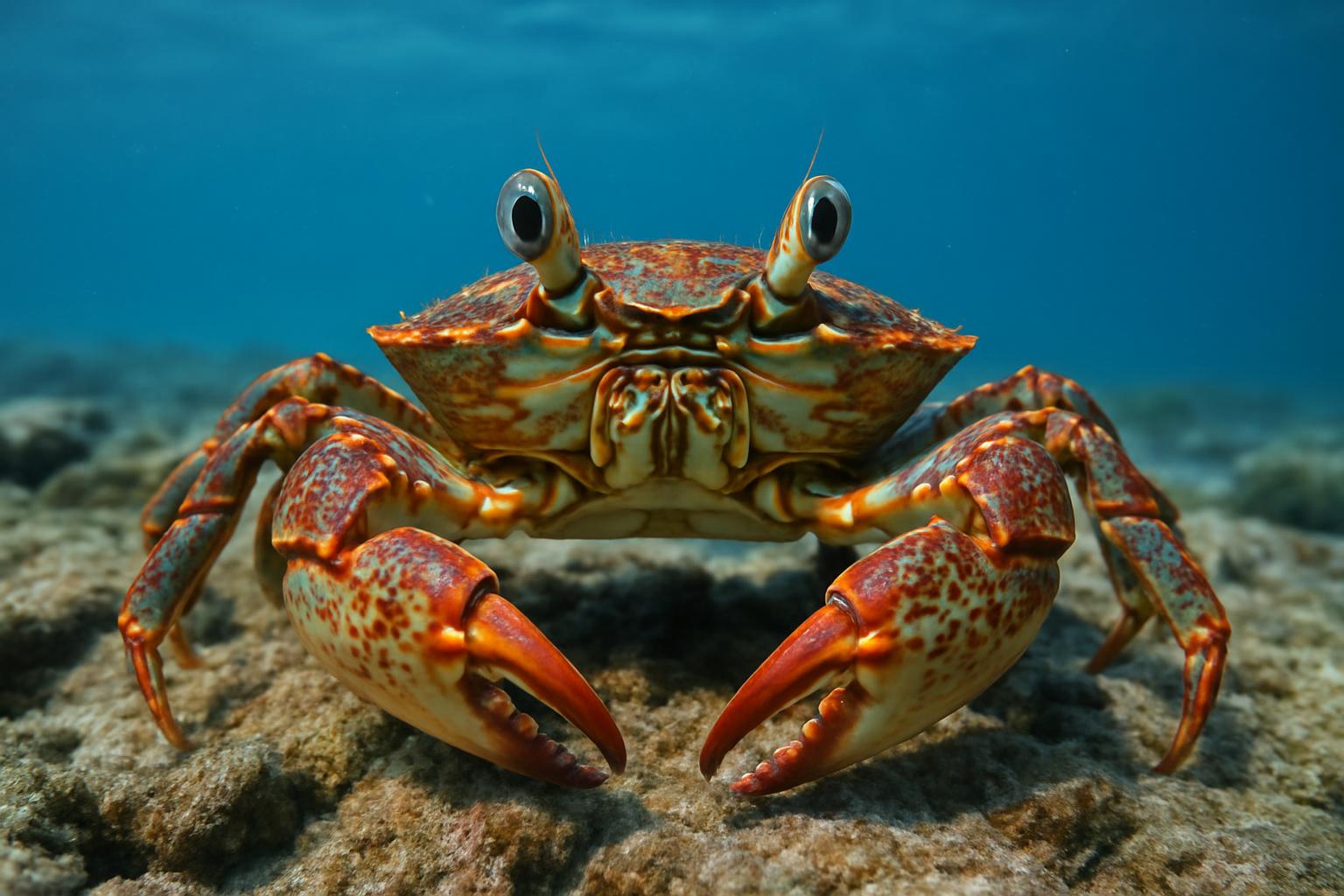
Imagine a shore crab (Carcinus maenas) scuttling across a laboratory tank.
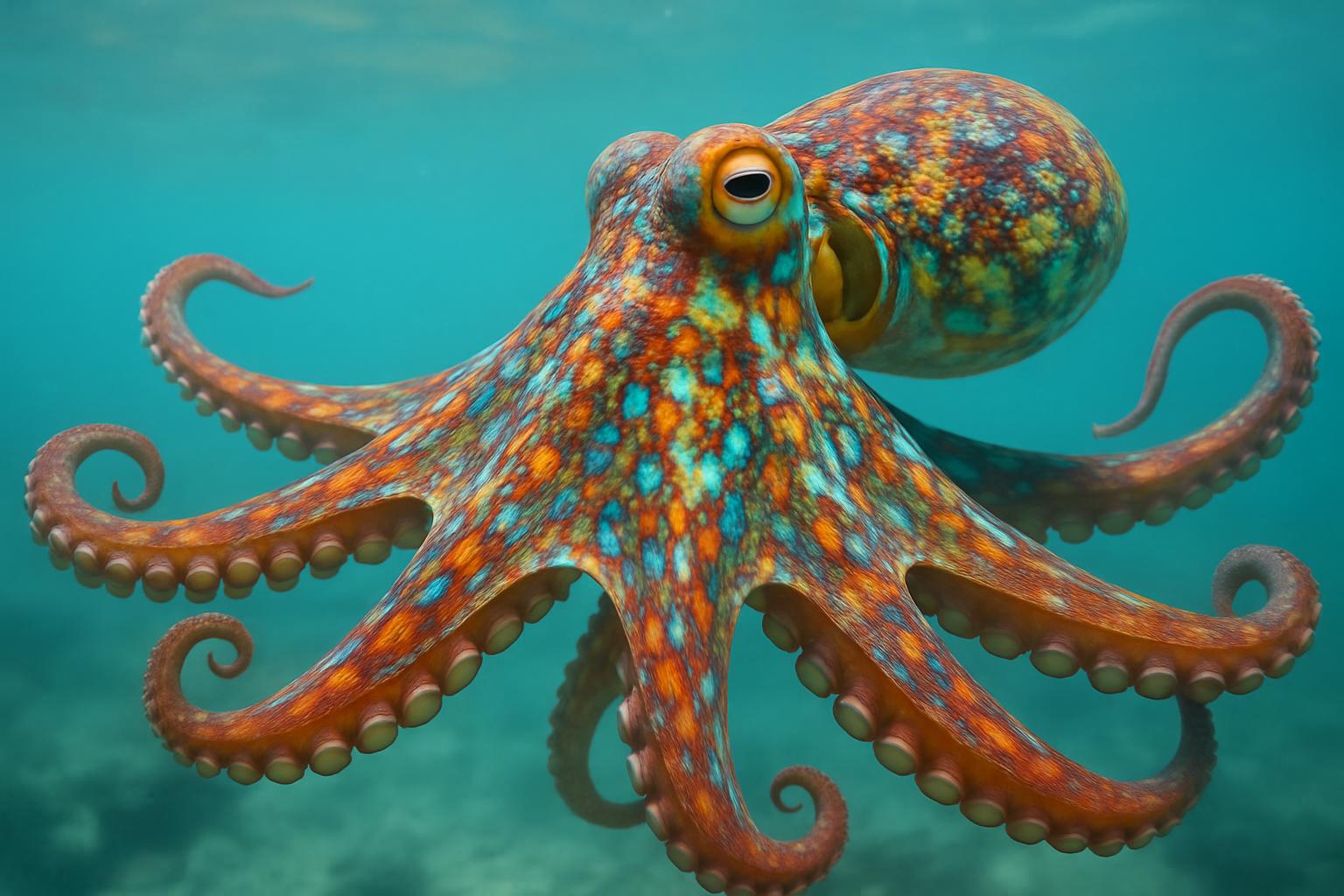
To understand octopus intelligence, one must first abandon the vertebrate blueprint.
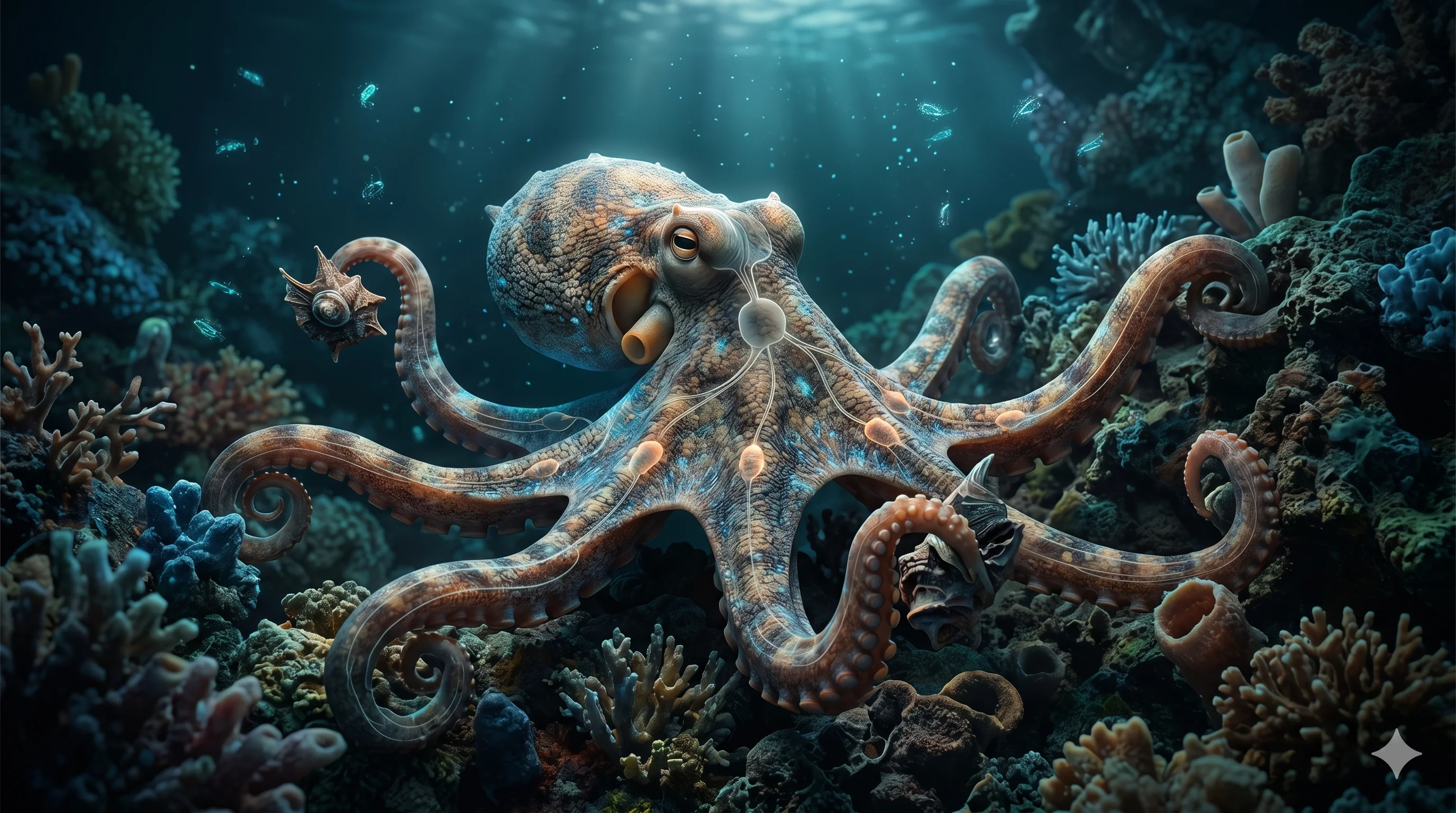
The octopus challenges brain-centric consciousness theories with 500 million neurons distributed across its body.
Share this article
Fish Feel Pain: The Neuroscience of Fish Sentience and What It Means for the Trillions Caught Each Year
The question of whether fish experience pain—and by extension, suffering—hinges on a fundamental biological distinction: the difference between nocicept...
14 published papers · click to read
2,059
combined citations
Allen C.
Fish Cognition and Consciousness — Journal of Agricultural and Environmental Ethics
34 citations
Rose J.; Arlinghaus R.; Cooke S. et al.
Can fish really feel pain? — Fish and Fisheries
187 citations
Mason GJ
What Is It Like to Be a Bass? Red Herrings, Fish Pain and the Study of Animal Sentience.
67 citations
Key B.
Why fish do not feel pain — Animal Sentience
72 citations
Elwood R.
Pain and Suffering in Invertebrates? — ILAR Journal
132 citations
Browman H.; Cooke S.; Cowx I. et al.
Welfare of aquatic animals: where things are, where they are going, and what it means for research, aquaculture, recreational angling, and commercial fishing — ICES Journal of Marine Science
96 citations
D. M. Broom
Cognitive ability and sentience: Which aquatic animals should be protected?
151 citations
Rowan A.; D'Silva J.; Duncan I. et al.
Animal sentience: history, science, and politics — Animal Sentience
14 citations
Boly M.; Seth A.; Wilke M. et al.
Consciousness in humans and non-human animals: recent advances and future directions — Frontiers in Psychology
180 citations
Birch J.
Animal sentience and the precautionary principle — Animal Sentience
144 citations
Mashour G.; Alkire M.
Evolution of consciousness: Phylogeny, ontogeny, and emergence from general anesthesia — Proceedings of the National Academy of Sciences
104 citations
Tononi G.; Koch C.
Consciousness: here, there and everywhere? — Philosophical Transactions of the Royal Society B: Biological Sciences
503 citations
Bateson M.; Desire S.; Gartside S. et al.
Agitated Honeybees Exhibit Pessimistic Cognitive Biases — Current Biology
312 citations
Briefer E.; Padilla de la Torre M.; McElligott A.
Mother goats do not forget their kids’ calls — Proceedings of the Royal Society B: Biological Sciences
63 citations
Researchers identified from peer-reviewed literature indexed in Semantic Scholar · OpenAlex · PubMed. Each card links to the original published paper.