What Is a Coral Reef?
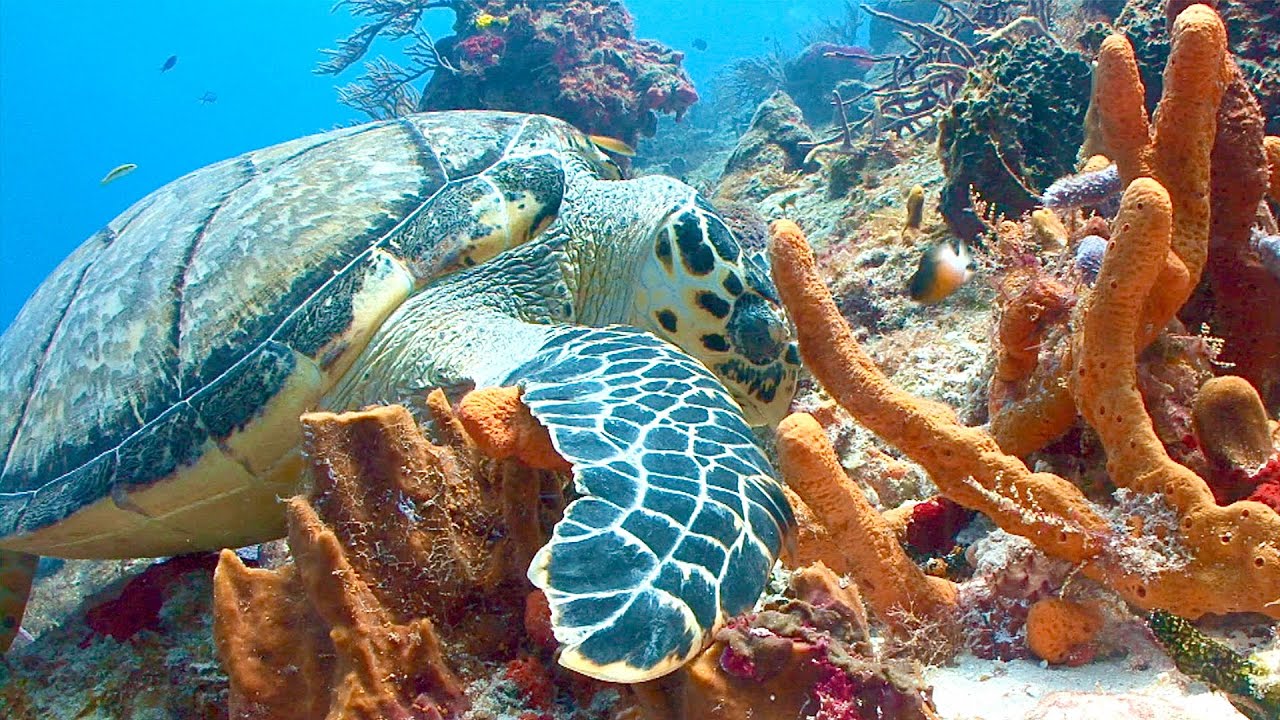
Coral reefs cover less than 0.1% of the ocean floor. Yet they support approximately 25% of all known marine species — the highest concentration of biodiversity in the sea. A single reef can host more fish species than the entire North Sea.
This extraordinary density of life is not a coincidence. It is the product of one of nature's most elegant biological partnerships — a symbiosis so successful it has built entire ecosystems visible from space for over 200 million years.
Reefs are not rocks. They are living structures built by tiny animals called coral polyps, each one smaller than your fingernail, working in colonies of millions.
How Does the Coral-Zooxanthellae Symbiosis Work?
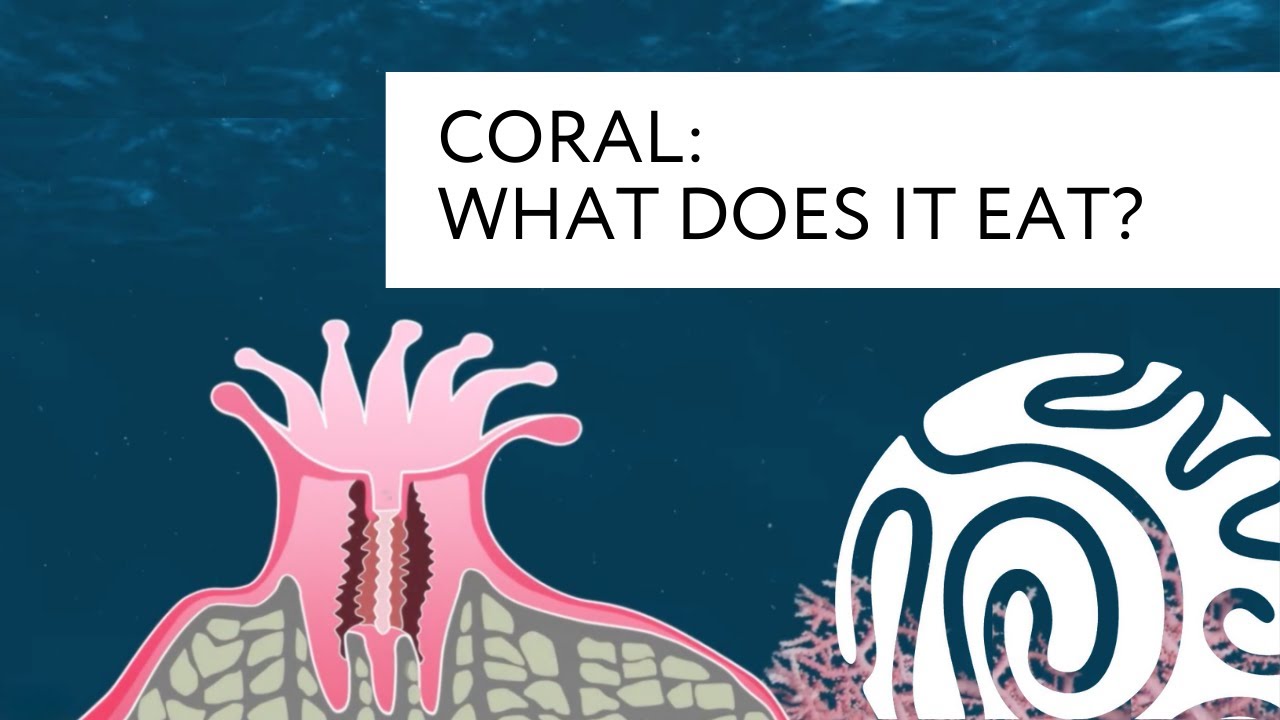
Inside the transparent tissue of every reef-building coral live microscopic algae called zooxanthellae (genus Symbiodinium). The coral provides shelter, carbon dioxide, and nutrients. The algae return up to 90% of the coral's energy through photosynthesis.
This is why tropical coral reefs thrive in nutrient-poor waters that would otherwise be marine deserts. The symbiosis is so efficient that corals don't need to filter-feed much — their internal farms do the work.
But corals are not just animal plus algae. Like the human holobiont, each coral is a holobiont — hosting hundreds of bacterial species that collectively determine its ability to resist disease, calcify its skeleton, and adapt to stress.
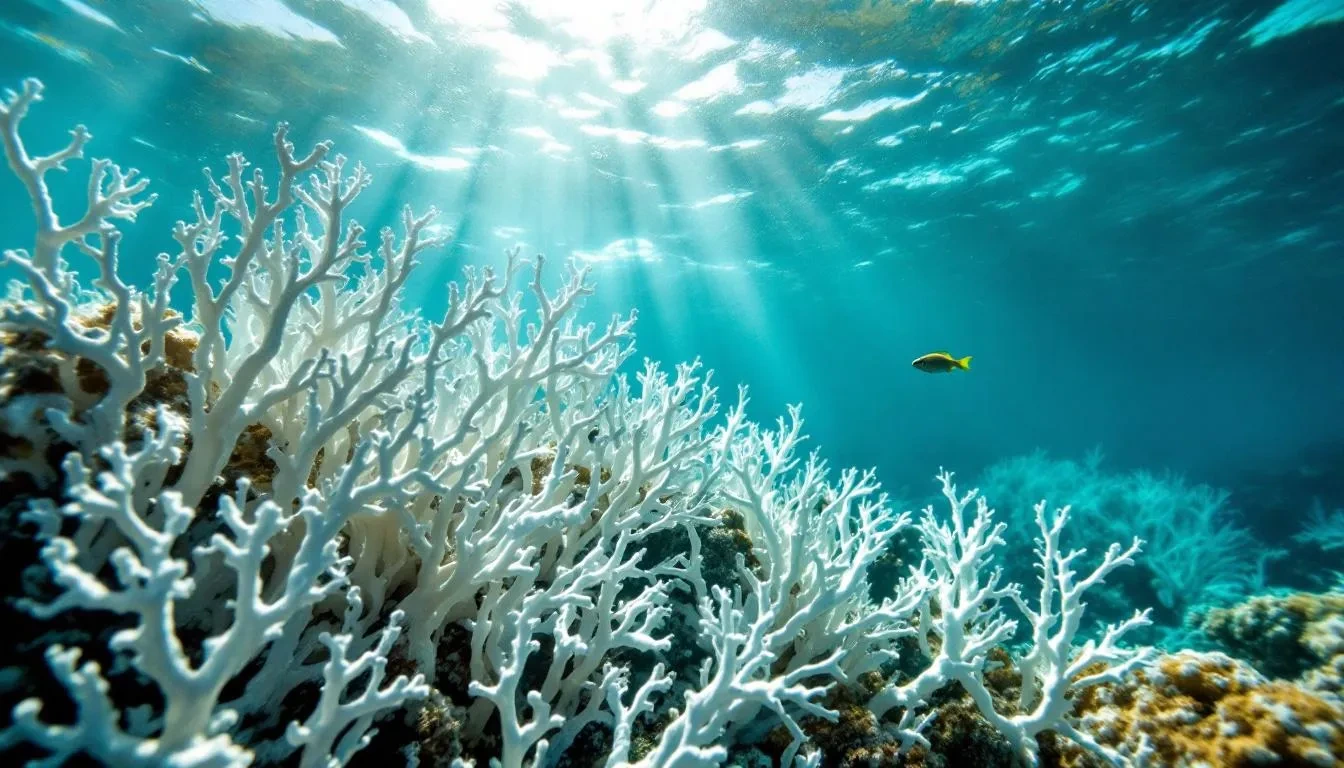
When this partnership breaks down, the coral expels its zooxanthellae. Without its photosynthetic partners, it turns white. This is coral bleaching — and it means the coral is starving.
Why Are Coral Reefs Bleaching?
Coral bleaching occurs when ocean temperatures rise just 1-2°C above the normal summer maximum. The heat stress damages the photosynthetic machinery inside zooxanthellae, causing a buildup of toxic reactive oxygen species. The coral detects this damage and expels the algae — a desperate survival response that removes 90% of its energy supply.
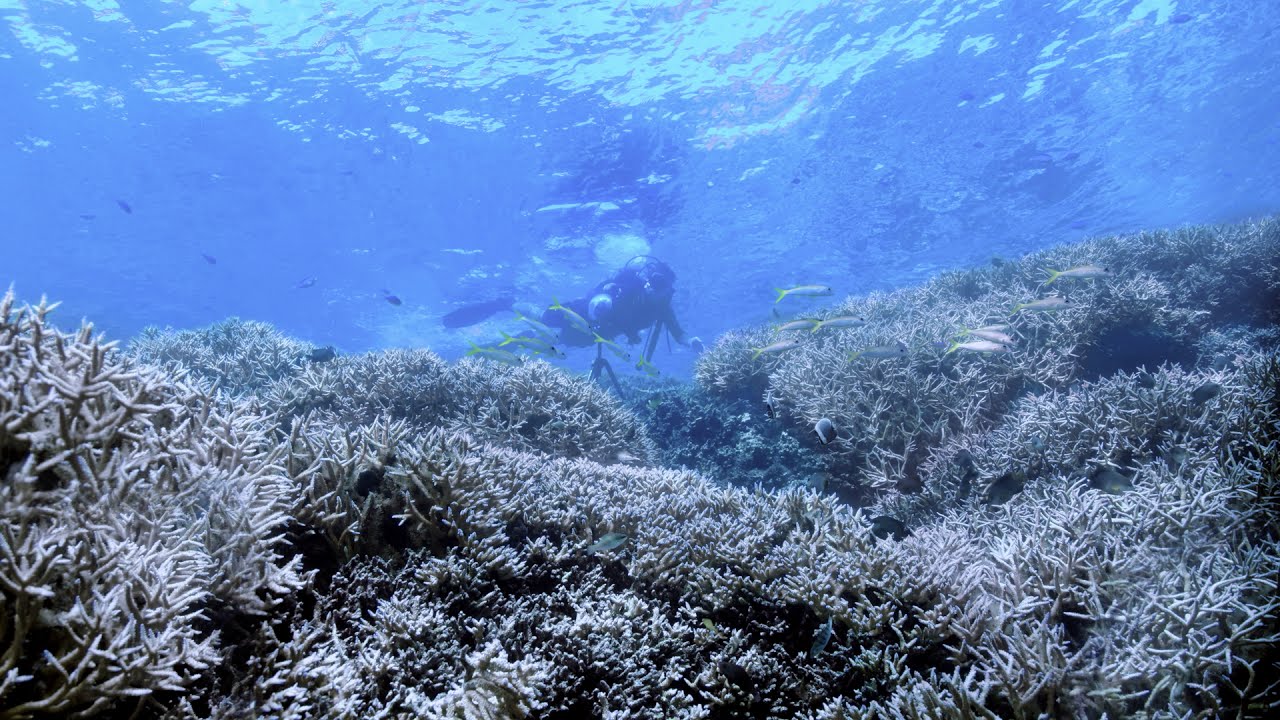
Mass bleaching events have increased fivefold since 1980. The interval between events — once measured in decades — is now just 6 to 10 years. That is shorter than the 15-25 years corals need for full recovery. Reefs are being hit before they heal.
The fourth global mass bleaching event in 2024 was the worst in recorded history, affecting more reef area than any previous event. Ocean temperatures exceeded 1.5°C above pre-industrial baselines across vast stretches of tropical water. Scientists watched in real-time via satellite as bleaching spread across the Caribbean, Pacific, and Indian Ocean simultaneously.
How Does Ocean Acidification Threaten Reefs?
As the ocean absorbs more CO2 from the atmosphere, seawater becomes more acidic. This reduces the availability of carbonate ions — the building blocks corals need to construct their calcium carbonate skeletons.
Research shows ocean acidification reduces coral calcification rates by 30-50%. Weaker skeletons mean reefs grow slower, break easier in storms, and recover less effectively after damage. While bleaching is dramatic and visible, acidification is the slow-motion partner — silently eroding the structural foundation of the entire reef.
By 2050, most tropical reef waters are projected to have aragonite saturation below the levels required for healthy coral growth. Without emissions reduction, the chemistry of the ocean will no longer support reef construction.
What Happens During a Mass Spawning Event?
Once a year, triggered by moonlight and water temperature, entire reef systems release billions of eggs and sperm simultaneously in one of nature's most spectacular reproductive events. The synchronization ensures genetic mixing across vast distances.
But warming is disrupting this ancient clock. Coral larvae survival drops by 50% at just 1°C above historical temperatures. Warmer water also shifts the timing of spawning, causing mismatches between egg release and optimal conditions.
If spawning fails, no new corals settle. Without recruitment, a bleached reef cannot regenerate. The reproductive lifeline of the entire ecosystem is being stretched to breaking point.
How Much Are Coral Reefs Worth to Humans?
Coral reefs provide approximately $375 billion annually in goods and services. This includes coastal storm protection (reefs absorb 97% of wave energy), fisheries supporting 500 million livelihoods, tourism revenue, and pharmaceutical compounds found nowhere else.
Approximately 1 billion people depend directly on reef ecosystems for food, income, or coastal protection. For small island nations, reefs are not an environmental luxury — they are the economy, the food supply, and the storm barrier combined.
The economic argument for reef protection is not abstract. Every dollar invested in reef restoration returns $20 in ecosystem services. Yet global funding for reef conservation remains a fraction of what is spent on terrestrial forests.
What Are Cold-Water Corals?
Not all corals need warm water or sunlight. At depths of 200 to 2,000 meters, cold-water corals build extensive reef frameworks in complete darkness, without any algae partners. They feed entirely by filtering particles from deep ocean currents.
These deep-sea reefs are biodiversity hotspots that most people don't know exist. They support unique communities of fish, crustaceans, and other organisms adapted to life without light.
Cold-water coral reefs are being destroyed by bottom trawling — industrial fishing nets that scrape the ocean floor. A reef that took centuries to grow can be obliterated in a single pass. Most have never been mapped.
What Connects Reefs to the Rest of the Circle?
The connections run in every direction. Agricultural fertilizer runoff from degraded soil washes through rivers into coastal waters, promoting algal overgrowth that smothers coral. Nutrient pollution is as dangerous to reefs as warming itself.
The reef depends on the same marine microbiome and plankton populations that sustain ocean oxygen production. Healthy plankton support healthy reefs — and both are threatened by the same forces.
Reef fish play the pollinator-equivalent role in marine ecosystems — distributing nutrients, controlling algae, and maintaining the food web that keeps coastal communities alive. When reefs collapse, fisheries collapse with them.
Everything in the Circle of Life is connected. Protecting coral means protecting soil, rivers, and the atmosphere that determines ocean temperature.
Can Coral Reefs Be Saved?
Yes — and the science is advancing faster than most people realize.
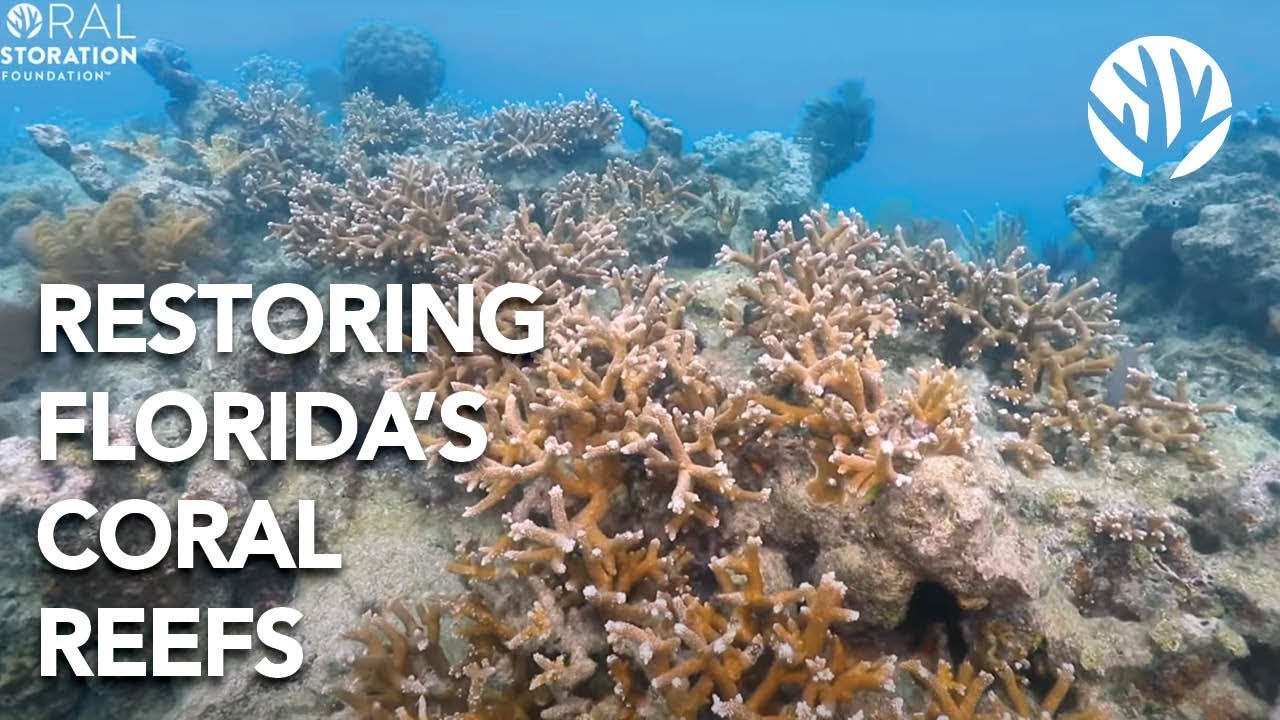
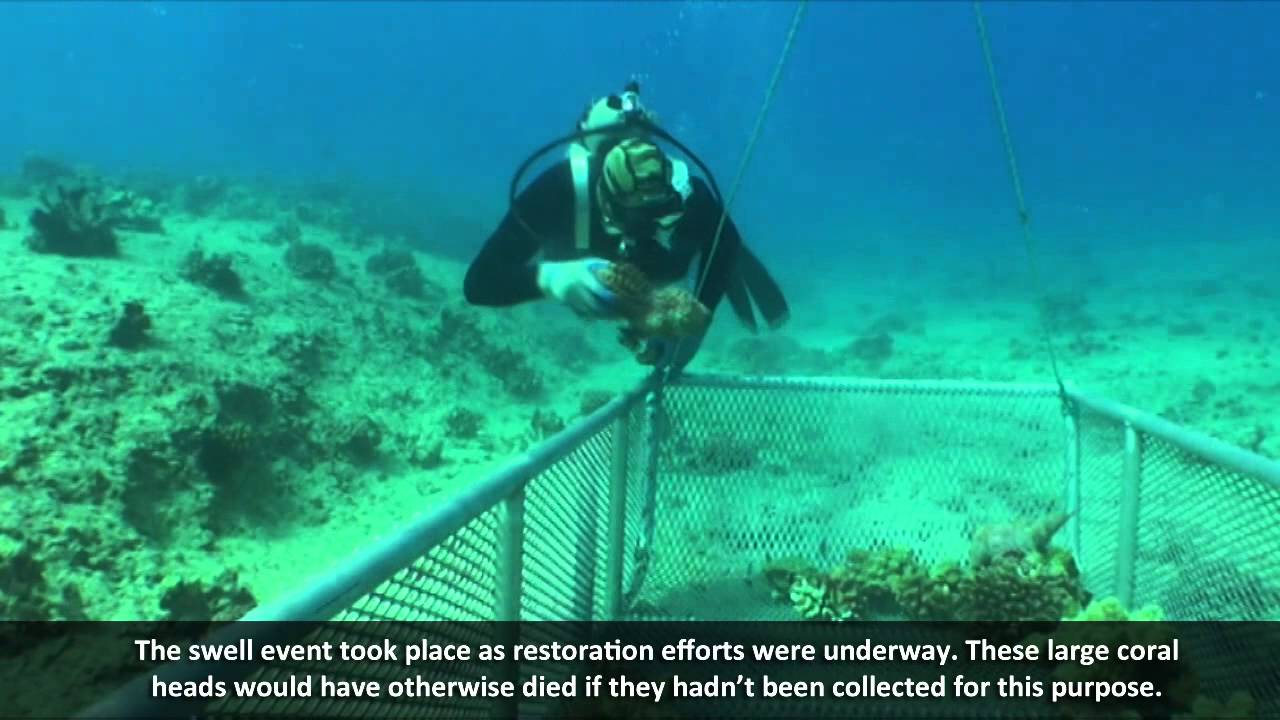
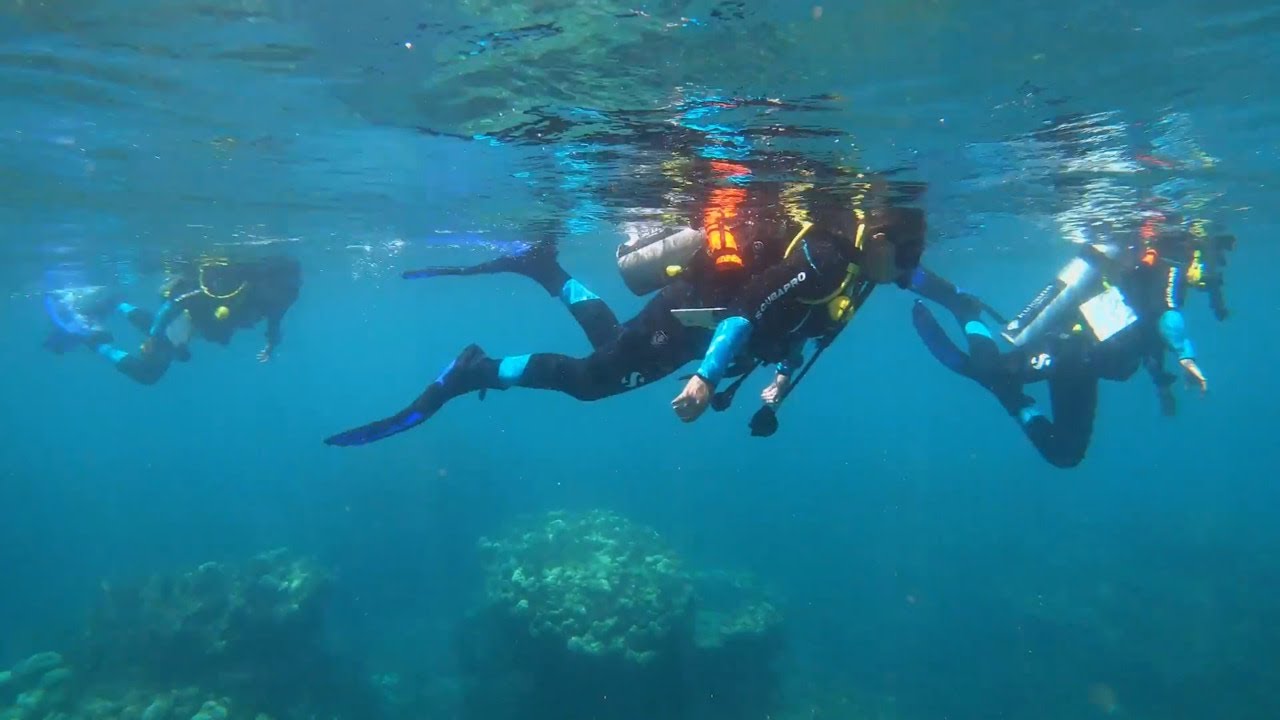
Coral gardening — growing fragments on underwater nursery "trees" and transplanting them to damaged reefs — is proven to work at scale. The Coral Restoration Foundation has planted over 200,000 corals onto Florida's reef tract, the largest such program on Earth.
Scientists can now breed heat-tolerant coral strains through assisted gene flow. By crossbreeding naturally heat-resistant individuals from different populations, they have produced offspring that survive 3-5°C above normal temperatures — enough to withstand predicted warming through mid-century.
A 2021 Nature review concluded that large-scale reef restoration is achievable by 2030 if adequately funded and combined with aggressive emissions reduction. The science exists. The techniques work. The question is whether we fund them fast enough.
The Great Barrier Reef Foundation coordinates the $443 million Reef Restoration and Adaptation Program — the largest intervention ever attempted for a single ecosystem. If it succeeds, it becomes the template for reef restoration worldwide.
What Can You Do?
Check your sunscreen. Oxybenzone and octinoxate trigger coral bleaching even at very low concentrations. Hawaii and Palau have already banned them. Choose mineral-based sunscreens with non-nano zinc oxide.
Reduce your carbon footprint. The difference between 1.5°C and 2°C of global warming is the difference between damaged reefs and dead ones. Every flight decision, every energy choice, every meal has a reef consequence.
Support restoration science. Every coral planted on a damaged reef is a bet on the future. The Coral Restoration Foundation, Reef Check, and the Great Barrier Reef Foundation are doing the work — they need funding, not just awareness.
The rainforest of the sea is not gone. Half of it remains. The question is not whether we can save it — the science says we can. The question is whether we decide to.