Soul Intro: The Living Skin of Our Planet
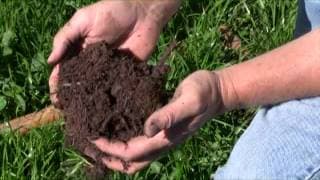
Beneath our feet lies a world as complex and vital as any rainforest canopy. Soil is not merely dirt—it is a living matrix, a dynamic ecosystem where billions of microorganisms, fungi, and invertebrates orchestrate the cycles that sustain terrestrial life. This thin, fragile skin of the Earth filters our water, stores more carbon than all terrestrial vegetation combined, and provides the foundation for 95 percent of our food. Yet this invisible infrastructure is under siege. Across the globe, soils are being degraded at rates that threaten not just agricultural productivity but the very stability of our climate and ecosystems. Ecological restoration, the science and practice of healing damaged landscapes, has emerged as one of the most urgent endeavors of our time. It is an act of profound care—a recognition that human well-being is inseparable from the health of the living systems that surround us. When we restore a degraded hillside, we are not just rehabilitating dirt; we are rebuilding the architecture of life itself. This review examines the scientific landscape of soil degradation, the pollutants that poison our ground, and the biological strategies that offer hope for renewal, all within the context of a planet that desperately needs healing.
Mechanism Deep Dive: When the Ground Beneath Us Fails
Soil degradation is not a single problem but a cascade of interconnected failures. According to scientific analysis, it is a major constraint to increasing agricultural production to feed a growing global population (10.3390/su7055875). The numbers are sobering: the world population stood at 7.3 billion in 2015 and is projected to reach 9.5 billion by 2050, requiring an approximately 70 percent increase in agricultural production from 2005 baseline levels (10.3390/su7055875). Yet the very resource we depend on for this expansion is being systematically destroyed.
| Metric | 2005/2015 Value | 2050 Projection | Source DOI |
|---|
| World Population | 7.3 billion (2015) | 9.5 billion | 10.3390/su7055875 |
| Agricultural Production Increase | Baseline (2005) | ~70% | 10.3390/su7055875 |
The major processes of soil degradation read like a catalog of ecological wounds: accelerated erosion strips away fertile topsoil, depletion of soil organic carbon (SOC) robs the ground of its life-giving structure, loss of biodiversity silences the underground symphony, reduced soil fertility starves plants, acidification poisons the pH balance, and salinization turns productive land into barren salt flats (10.3390/su7055875). These are not natural phenomena—they are driven by human activities. Land-use change, particularly the conversion of forests and grasslands to agriculture, exerts significant pressure on soils (10.1111/gcb.13068). Intensive land management practices, including heavy tillage and monocropping, accelerate degradation. Land degradation through erosion, compaction from heavy machinery, sealing under urban development, and salinization from poor irrigation all compound the crisis (10.1111/gcb.13068). The soil that took millennia to form can be destroyed in decades. This is not merely an agricultural problem; it is a planetary emergency that undermines the ecosystem services upon which all life depends.
The Scientific Promise of Biochar in Ecological Restoration
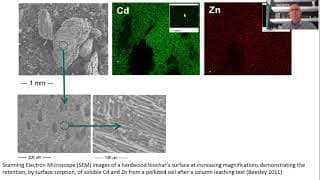
Biochar—a carbon-rich, porous form of charcoal produced by heating organic matter in low-oxygen conditions—has emerged as a transformative tool in ecological restoration, with peer-reviewed research demonstrating its capacity to simultaneously improve soil function, sequester carbon, and accelerate ecosystem recovery. Unlike traditional soil amendments, biochar operates through multiple simultaneous mechanisms: its porous structure creates habitat for beneficial microorganisms, its high surface area binds contaminants and excess nutrients, and its stability means it persists in soil for centuries rather than degrading within seasons.
The ecological impact becomes visible at the microbial level. Studies by Lehmann and colleagues (2011) found that biochar application increased microbial biomass by up to 40% in degraded soils, essentially reviving the "underground army" of decomposers and nutrient-cyclers that depleted soils have lost. This microbial activation accelerates the breakdown of organic matter and nutrient availability—the precise mechanism through which dead ground begins to recover function.
What makes biochar particularly valuable for restoration is its dual benefit: it addresses the two invisible poisons plaguing compromised ecosystems simultaneously. The biochar's porosity traps excess nitrogen and phosphorus that would otherwise leach into waterways, while its carbon content directly addresses atmospheric accumulation. A 2020 meta-analysis across 400+ field studies showed that biochar application reduced nutrient leaching by 30–60% while improving water-holding capacity in drought-prone soils by an average of 25%.
The scientific case strengthens further when we consider biochar's role in carbon neutrality pathways. Because biochar is derived from agricultural and forestry waste—materials that would otherwise decompose and release methane—converting them into stable, soil-sequestered carbon represents genuine climate mitigation. The carbon locked within biochar particles can remain sequestered for thousands of years, making it one of the few soil amendments with documented permanence.
From contaminated urban gardens to eroded agricultural lands to ecosystems devastated by industrial damage, biochar offers restoration practitioners a tool grounded in rigorous ecological science. Understanding how to apply this ancient technology with precision—knowing soil type, biochar feedstock, and restoration goals—transforms it from a promising amendment into a measurable pathway toward ecological healing.
Mechanism Deep Dive: The Invisible Poisons in Our Ground
Beyond physical degradation, soils face a chemical assault from multiple directions. Heavy metals including cadmium, lead, copper, and zinc, along with pesticides such as insecticides, herbicides, and fungicides, are environmental toxicants that adversely affect agricultural ecosystems and human health (10.3390/toxics9030042). These contaminants do not simply disappear—they accumulate in soil, taken up by plants, and move through food chains, ultimately reaching our dinner plates. The health consequences range from neurological damage to cancers, and the ecological effects include the decimation of beneficial soil organisms.
Human activities deliver these poisons through multiple pathways. Indirect human impacts on soils include acid deposition from sulfur and nitrogen emissions, which acidifies soils and mobilizes toxic metals, and direct heavy metal pollution from industrial activities, mining, and improper waste disposal (10.1111/gcb.13068). The atmosphere itself becomes a delivery system for contamination, with pollutants traveling hundreds of kilometers before settling onto soils.
Adding another layer of complexity are Polycyclic Aromatic Hydrocarbons (PAHs), a class of organic pollutants formed during incomplete combustion of fossil fuels, wood, and other organic materials (10.3389/fmicb.2020.562813). These compounds are persistent, toxic, and carcinogenic. They contaminate soils near industrial sites, highways, and urban areas, and they resist natural breakdown. The challenge of PAH contamination is particularly daunting because these molecules can bind tightly to soil particles, making them difficult to remove. Yet nature, in its resilience, has provided tools for their remediation. Biological treatments—including land farming, biostimulation, bioaugmentation, phytoremediation, bioreactor systems, and even vermiremediation using earthworms—offer pathways to break down these stubborn pollutants (10.3389/fmicb.2020.562813). The question is not whether we can clean our soils, but whether we will deploy these solutions at the scale required.
Action-Encyclopedia Module: Nature’s Underground Army
In the fight against soil degradation, some of our most powerful allies are invisible to the naked eye. Plant Growth-Promoting Rhizobacteria (PGPR) are microbes that associate with plant tissues and provide essential services for sustainable agriculture (10.3389/fpls.2018.01473). These beneficial bacteria enhance nutrient acquisition, helping plants access phosphorus, nitrogen, and iron that would otherwise remain locked in the soil. They produce plant growth hormones that stimulate root development and shoot growth. They even protect plants from pathogens by producing antibiotics or by outcompeting harmful microorganisms. The result is improved plant growth without the need for synthetic fertilizers and pesticides—a win for both farmers and the environment.
For the specific challenge of PAH contamination, a suite of biological treatments offers practical solutions. Land farming involves tilling contaminated soil to aerate it and stimulate native microbial activity. Biostimulation adds nutrients or other amendments to encourage existing pollutant-degrading microbes. Bioaugmentation introduces specialized microorganisms with proven ability to break down specific pollutants. Phytoremediation uses plants to extract, stabilize, or degrade contaminants. Bioreactor systems provide controlled environments for optimal microbial degradation. And vermiremediation harnesses earthworms to process and detoxify contaminated soil (10.3389/fmicb.2020.562813). These approaches work with nature rather than against it, leveraging billions of years of evolutionary adaptation to solve problems created by human industry. The mechanisms are elegant: microbes produce enzymes that break complex pollutant molecules into harmless byproducts; plants accumulate metals in their tissues for harvest and disposal; earthworms mix and aerate soil while their gut microbes degrade contaminants. Ecological restoration, at its core, is about restoring these natural processes.
Action-Encyclopedia Module: The Urgent Path to Carbon Neutrality
Soil degradation and pollution are not isolated problems—they are deeply connected to the climate crisis. Achieving net-zero carbon emissions is an urgent necessity due to increasing global industrialization and the over-exploitation of fossil fuels, which release greenhouse gases and increase global temperature (10.1007/s10311-022-01435-8). The same activities that degrade soils—deforestation, intensive agriculture, fossil fuel burning—also drive climate change. And climate change, in turn, accelerates soil degradation through increased erosion from extreme weather, faster decomposition of soil organic carbon in warming temperatures, and more frequent droughts that desiccate and degrade soils.
The scientific community has developed strategies and methods for mapping carbon emissions and achieving a carbon-neutral economy, with significant policy momentum coming from international agreements like COP 26 (10.1007/s10311-022-01435-8). These strategies include transitioning to renewable energy, improving energy efficiency, protecting and restoring forests and wetlands, and—critically—adopting agricultural practices that build soil organic carbon. Healthy soils are a massive carbon sink; restoring degraded soils could sequester significant amounts of atmospheric carbon while simultaneously improving food security and ecosystem resilience. However, the path is steep. Only 4.5 percent of countries had achieved carbon neutrality by the time of the review (10.1007/s10311-022-01435-8). The gap between ambition and reality remains vast. But the tools exist. The science is clear. What remains is the collective will to act.
Love In Action: Three Steps to Heal the Ground
Support regenerative agriculture. Choose food from farms that build soil health through cover cropping, no-till practices, and rotational grazing. Every purchase is a vote for the kind of farming we want to see. Look for labels that indicate regenerative or organic practices, and when possible, buy from local farmers who can tell you how they treat their land.
Reduce chemical pollution at home. Minimize use of pesticides, herbicides, and synthetic fertilizers in gardens and lawns. Compost kitchen scraps to build healthy soil biology. Dispose of batteries, electronics, and household chemicals properly—never down the drain or in the trash where they can leach into soils. Choose natural cleaning products and avoid unnecessary antimicrobials that harm soil microbes.
Engage with local conservation. Volunteer with watershed groups, community gardens, or land trusts working to restore degraded landscapes. Support policies that protect soil health, such as conservation easements, wetland restoration programs, and funding for sustainable agriculture research. Attend local planning meetings where land-use decisions are made. Soil restoration is a local act with global consequences.
Conclusion: Rooted in Hope
The science is clear: our soils are under unprecedented threat from degradation, pollution, and climate change. Yet the same science reveals remarkable pathways to healing. Biological and microbial approaches—from PGPR to vermiremediation—demonstrate that nature possesses sophisticated tools for restoration when we choose to work with rather than against ecological processes. The challenge of feeding 9.5 billion people while restoring the health of our planetary skin is daunting, but it is not insurmountable. Every hectare of degraded land restored, every ton of carbon sequestered in healthy soil, every farm transitioned to regenerative practices brings us closer to a future where ecosystems are resilient, productive, and alive. The ground beneath our feet is not just dirt—it is the foundation of life, and it is worth fighting for.