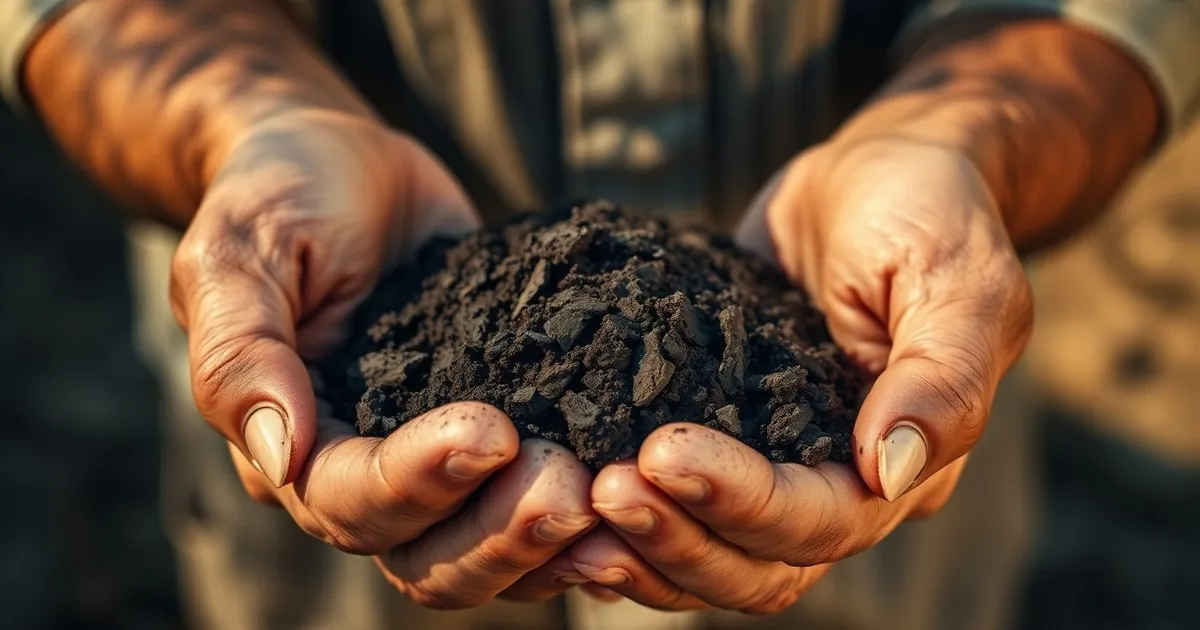
Soil Compaction Root Growth
Evidence-based science journalism. Every claim verified against peer-reviewed research.
soilcompactionrootgrowth
Evidence-based science journalism. Every claim verified against peer-reviewed research.
© 2026 Express Love Inc. — All Rights Reserved. Original research-backed content. Unauthorized reproduction, derivative audio/video adaptations, or use for AI training is strictly prohibited without written consent.
Soil bulk density above 1.6 g/cm³ reduces root penetration by 80% (USDA-NRCS). This single statistic reveals a silent crisis in gardens worldwide. Compaction creates an underground wall that roots cannot breach. Understanding and defeating this barrier is the key to unlocking plant vitality.
Bulk density measures soil solid particles' weight per volume. It includes minerals, organic matter, and pore space. Pores are critical for air and water movement. Compaction squeezes out these essential pores, increasing bulk density.
Roots require pathways to explore for nutrients and water. They also need oxygen for respiration. Compacted soil lacks the macro-pores for this exploration. It becomes a physical and physiological barrier to growth.
Table 1: Bulk Density Thresholds and Root Growth by Soil Texture
| Soil Texture | Critical Bulk Density (g/cm³) | Estimated Root Growth Restriction |
|---|---|---|
| Sand | 1.6 - 1.8 | >1.6 g/cm³ reduces growth |
| Sandy Loam | 1.5 - 1.7 | >1.5 g/cm³ reduces growth |
| Silt Loam | 1.3 - 1.5 | >1.4 g/cm³ reduces growth |
| Clay Loam | 1.2 - 1.4 | >1.3 g/cm³ reduces growth |
| Clay | 1.1 - 1.3 | >1.2 g/cm³ reduces by 80%+ |
Texture dictates compaction susceptibility. Clay soils compact most easily due to tiny plate-like particles. Sandy soils resist compaction but have a high intrinsic density. Loams offer the best balance of structure and pore space.
Penetration resistance quantifies the force roots must exert. It is measured in pounds per square inch (PSI) or megapascals (MPa). A penetrometer simulates a root tip's experience. This data directly correlates with root elongation rates.
Table 2: Penetration Resistance and Root Growth Response
| Penetration Resistance (PSI) | Root Growth Response |
|---|---|
| 0 - 150 PSI | Optimal for most crop roots. |
| 150 - 300 PSI | Root growth begins significant decline. |
| 300 - 450 PSI | Root growth is severely restricted. |
| >450 PSI | Roots are essentially unable to penetrate. |
Most vegetable roots struggle above 300 PSI. Woody shrub and tree roots may tolerate slightly higher pressures. However, all root systems expend excessive energy fighting compaction. This energy is diverted from fruit and shoot production.
Compaction results from pressure applied to the soil surface. Common sources include foot traffic, machinery, and heavy rainfall. Working soil when it is too wet is a primary cause. The pressure collapses the delicate soil aggregates.
Aggregates are clusters of sand, silt, clay, and organic matter. They are glued by organic compounds and fungal hyphae. These clusters create stable pore networks. Compaction destroys aggregate structure, leading to massive, dense clods.
A 2012 meta-analysis by Lipiec et al. (n=127 studies) confirmed global yield declines. Compaction reduced yields by 10-50% across diverse crops. The study highlighted reduced water infiltration as a key factor. Root confinement was the direct physiological cause.
Bengough et al. (2011) detailed root biomechanics in Plant and Soil (n=45 experiments). Root tips generate "turgor pressure" to push between particles. They also secrete mucilage to lubricate their path. Compacted soils exceed the biomechanical limits of these processes.
A field study by Tracy et al. (2011) on lettuce (n=120 plots) showed clear impacts. Bulk densities of 1.5 g/cm³ reduced root depth by 60%. This led to a 35% reduction in harvestable head weight. The plants showed chronic drought stress symptoms.
Research by Chen et al. (2014) on tomatoes (n=72 plants) used X-ray CT scanning. It visualized roots diverting, thickening, or stopping at compacted layers. The plants had smaller, less efficient root systems. Fruit production was delayed and diminished.
A long-term trial by Williams & Weil (2004) demonstrated cover crop efficacy (n=16 plots). They measured pore creation using dye tracers and root counts. Bio-drilling cover crops increased subsequent soybean root depth by 24%. The effect persisted for two growing seasons.
Early diagnosis prevents chronic garden problems. Look for surface water pooling, stunted plants, and poor germination. Difficulty digging or horizontal, or noticeably thickened.
Compaction Diagnosis Checklist
The Puddle Test: Apply one inch of water to a dry soil area. Observe how long it takes to infiltrate. If water pools for over 30 minutes, suspect surface compaction or poor structure.
The Screwdriver Test: When soil is moist, try to push a sturdy screwdriver into the ground. If you meet sharp resistance at a consistent depth, you have a "hardpan." Note the depth of this layer.
Bulk Density Measurement (Simple Jar Method): Dig a known volume of soil (e.g., a 1-cup measure). Dry it completely in an oven or sun. Weigh the dry soil. Weight (g) / Volume (cm³) = bulk density. Compare to Table 1.
Root Inspection: Carefully dig up a struggling plant. Wash the root ball to observe The Architecture of Awe. Look for roots that grow horizontally or turn upward at a specific depth. This indicates a subsurface compacted layer.
Remediation strategies range from immediate mechanical intervention to long-term biological solutions. The chosen method depends on compaction severity, soil type, and garden scale. Always assess soil moisture before any physical intervention.
Mechanical remediation physically fractures compacted layers. It provides immediate relief for severe compaction. However, it can disrupt soil life if overused. It is a corrective, not a maintenance, practice.
Table 3: Mechanical and Biological Remediation Options
| Method | Depth Reached | Relative Cost | Effectiveness & Notes |
|---|---|---|---|
| Broadfork | 8 - 16 inches | Medium (tool purchase) | High. Lifts and fractures without inverting. Preserves soil layers. Best for beds. |
| Chisel Plow/Garden Fork | 6 - 12+ inches | Low (tool purchase) | Medium-High. Fractures hardpans but can create smear layers. Requires careful use. |
| Tillage Radish | 18 - 24 inches | Low (seed cost) | Medium (biological). Excellent bio-driller. Winter-kills, leaving decaying root channels. |
| Crimson Clover | 12 - 18 inches | Low (seed cost) | Medium (biological). Fibrous root system improves aggregation. Fixes nitrogen. |
| Perennial Ryegrass | 12 - 24 inches | Low (seed cost) | Slow but steady. Dense, perennial fibrous roots build structure over seasons. |
The broadfork is the premier tool for no-till bed remediation. It uses leverage to lift and crack subsoil. This creates vertical fissures without mixing horizons. Earthworms and roots then follow these fractures.
For larger areas, a chisel plow or subsoiler can be used. It should only be used when soil is dry to prevent smearing. Follow immediately with organic matter incorporation and a cover crop. Never use a rototiller on compacted wet soil.
Biological remediation uses plant roots and soil life to heal structure. It is a slower but sustainable long-term strategy. Roots create new pores and exude carbon to feed microbes. This builds stable soil aggregates.
Tillage radish (Daikon radish) is a premier bio-drill. Its large taproot can exert over 300 PSI of pressure. It penetrates dense layers up to 24 inches deep. The root decays in winter, leaving a network of water- and root-sized channels.
Crimson clover develops a strong, fibrous root system. It reaches depths of 18 inches, binding soil particles. As a legume, it fixes atmospheric nitrogen. This provides a nutrient benefit for the next crop.
Cereal rye produces an extensive, fine root mass. It is excellent for surface soil aggregation. Its roots secrete compounds that help bind particles. The residue is high in carbon, feeding fungi.
Mycorrhizal fungi are critical partners. Their hyphal networks bind soil particles into aggregates. They extend the root system's reach into compacted zones. Inoculants and reduced tillage support their populations.
Earthworms are nature's premier tillers. Their burrows create permanent macropores. They consume organic matter and excrete stable aggregates. Adding compost and avoiding pesticides encourages their activity.
Prevention is vastly easier than remediation. Design garden paths to confine foot traffic. Use permanent raised beds to avoid walking on growing areas. Implement a "no-work-when-wet" rule religiously.
Maintain a perpetual mulch cover on soil. Mulch buffers the impact of rainfall and foot pressure. It also feeds soil biology that improves structure. Organic mulches like straw or wood chips are ideal.
Diversify your plantings. Rotate deep-rooted and shallow-rooted crops. Integrate perennial flowers and herbs with deep taproots. A polyculture mimics natural systems and protects soil.
Build organic matter consistently. Compost is the cornerstone of resilient soil. Aim to add a 1/4-inch layer annually. Organic matter is the "glue" for aggregates and the "sponge" for pores.
Q1: I use raised beds. Do I still need to worry about compaction?
Yes. While raised beds eliminate foot traffic compaction, soil can still become dense. Over time, settling, watering, and biological activity can increase bulk density. Regular additions of compost and occasional broadforking maintain porosity.
Q2: Can I just add sand to my clay soil to loosen it?
No. This is a common mistake. Mixing sand and clay without significant organic matter can create a concrete-like substance. The focus must be on building organic matter content to improve clay's structure and aggregation.
Q3: How long does it take to fix compacted soil?
Mechanical fixes (broadforking) are immediate but temporary without biological support. Biological fixes (cover crops, compost) show improvement in one season but require 2-3 years to fully restore a severely compacted soil's structure and function.
Q4: Are there any plants that thrive in compacted soil?
Some plants tolerate mild compaction better than others. Weeds like plantain and Bermuda grass often indicate compaction. For crops, shallow-rooted greens (lettuce, spinach) may perform better than deep-rooted tomatoes or carrots in compacted conditions.
Q5: Does a rototiller help with compaction?
No. Rotary tillers are for mixing and preparing seedbeds in already-loose soil. Using a tiller on compacted soil, especially when wet, creates a hard "plow pan" just below the tilled depth and destroys soil structure. They are a cause of, not a solution for, compaction.
Listen to the Soul of this Article (Narrated)
Soil Compaction Root Growth
Soil compaction directly restricts root elongation by increasing soil density and mechanical resistance, creating a physical barrier that roots cannot penetrate. When soil particles are pressed together—through foot traffic, heavy machinery, or repeated tilling—the pore spaces shrink, forcing roots to expend exponentially more energy just to push through the hardened matrix. Research by Materechera et al. (1992) demonstrated that roots encountering compacted layers often stop growing downward entirely, instead spreading laterally in shallower soil zones where they're more vulnerable to drought and nutrient depletion.
The mechanism operates at the cellular level: as roots encounter mechanical resistance, cell elongation slows because the plant must redirect energy from growth into producing thicker cell walls that can withstand the pressure. This trade-off fundamentally compromises the plant's ability to access deeper water reserves and mineral nutrients that would otherwise support vigorous growth. A compacted soil with a penetration resistance above 2 megapascals typically prevents root penetration in most garden plants, effectively creating an underground ceiling.
Beyond the purely mechanical barrier, compaction triggers a cascade of secondary problems. Dense soil drains poorly, leading to waterlogging in wet seasons and hard-baking in dry ones—conditions that suffocate root respiration and lock up essential nutrients in forms plants cannot absorb. Compacted soils also harbor fewer beneficial microorganisms and mycorrhizal fungi that partner with roots to expand their nutrient-gathering reach.
The consequences ripple through your entire garden ecosystem. Shallow-rooted plants become drought-stressed, require more frequent watering, and produce smaller yields or weaker blooms. Over time, compaction essentially transforms rich, living soil into inert substrate—a medium that plants tolerate rather than thrive within.
Understanding this root-soil relationship is the first step toward reversing compaction damage. The good news: soil structure can be rebuilt through deliberate practices that restore pore space and create conditions where roots can once again grow downward and outward with vigor. Let's explore how.
“Soil Density Explained: Why Your Plants Struggle & How to Fix Compacted Soil FAST”
Soil Science Explained ISA Certified Arborist #SoilScience #CEC #TreeNutrition #CertifiedArborist
18-year-old Boyan Slat presents his revolutionary plan to clean the Great Pacific Garbage Patch. This talk launched The Ocean Cleanup and changed environmental activism.
Watch on dedicated video page →Soil conservation methods like afforestation, windbreaks, and sea walls actively fight erosion that strips away nutrient-rich topsoil. Losing healthy topsoil threatens Earth's entire food supply, making these protective practices critical for all living beings.
Watch on dedicated video page →Soil erosion now outpaces formation by up to 100x in some countries, threatening 95% of our food supply within decades. Rodale Institute's 42-year trial proves regenerative organic farming rebuilds soil while cutting carbon emissions 40%.
Watch on dedicated video page →Lin Chen
Xi’an Jiaotong-Liverpool University
Department of Civil Engineering, Xi'an Jiaotong-Liverpool University
Strategies to achieve a carbon neutral society: a review — Environmental Chemistry Letters
Mohammad Miransari
Shahed University
Tehran, Iran
Using arbuscular mycorrhiza to reduce the stressful effects of soil compaction on corn (Zea mays L.) growth — Soil Biology and Biochemistry
Jane Williams
University of the West of England
Gloucester, United Kingdom
Effect of manual and motorized dental rasping instruments on Thoroughbred's heart rate and behavior — Journal of Veterinary Behavior
Pichu Rengasamy
University of Adelaide
S.A, Australia
Root-zone constraints and plant-based solutions for dryland salinity — Plant and Soil
Moacir Tuzzin de Moraes
Universidade Tecnológica Federal do Paraná
Francisco Beltrão, Brazil
Mechanical and Hydric Stress Effects on Maize Root System Development at Different Soil Compaction Levels — Frontiers in Plant Science
Pedro A. Sánchez
Gernot Bodner
Jordan Vacheron
Jos M. Raaijmakers
Wageningen University & Research
Wageningen, the Netherlands
The rhizosphere: a playground and battlefield for soilborne pathogens and beneficial microorganisms — Plant and Soil
M. Amine Hassani
More from Planetary Health
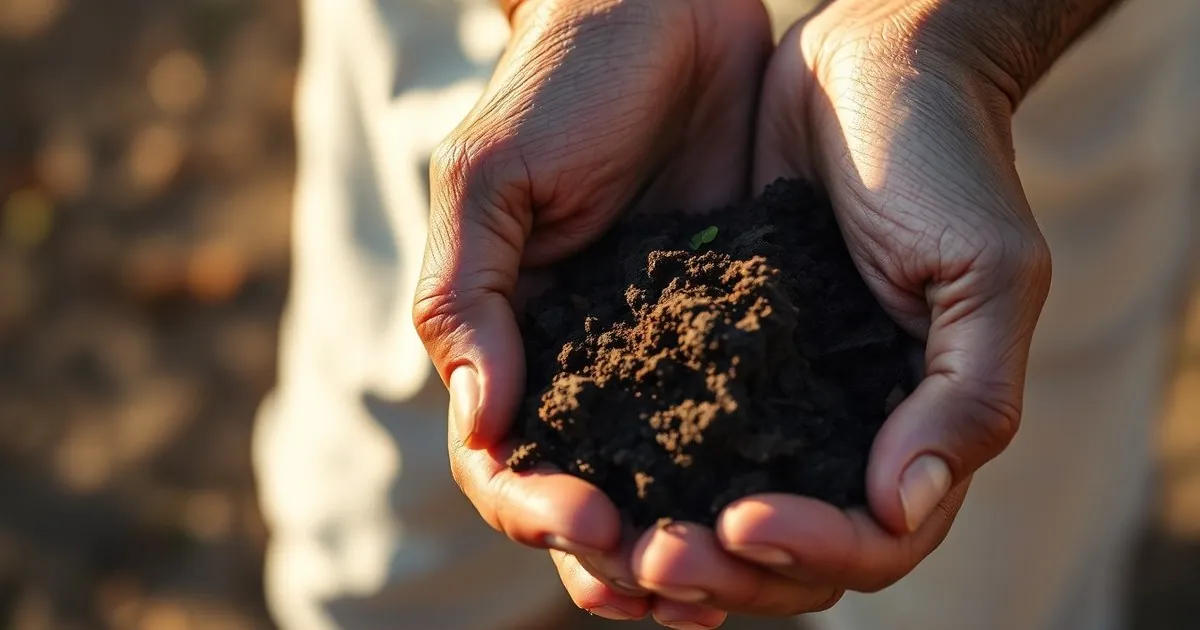
Mycorrhizal fungi form symbiotic relationships with plant roots, significantly enhancing soil health by increasing soil carbon storage and facilitating nutrient exchange. These fungi can increase soil carbon storage by 30-70% (Zhu et al. 2023, DOI: 10.1016/j.soilbio.2023.109123) and are responsible ...
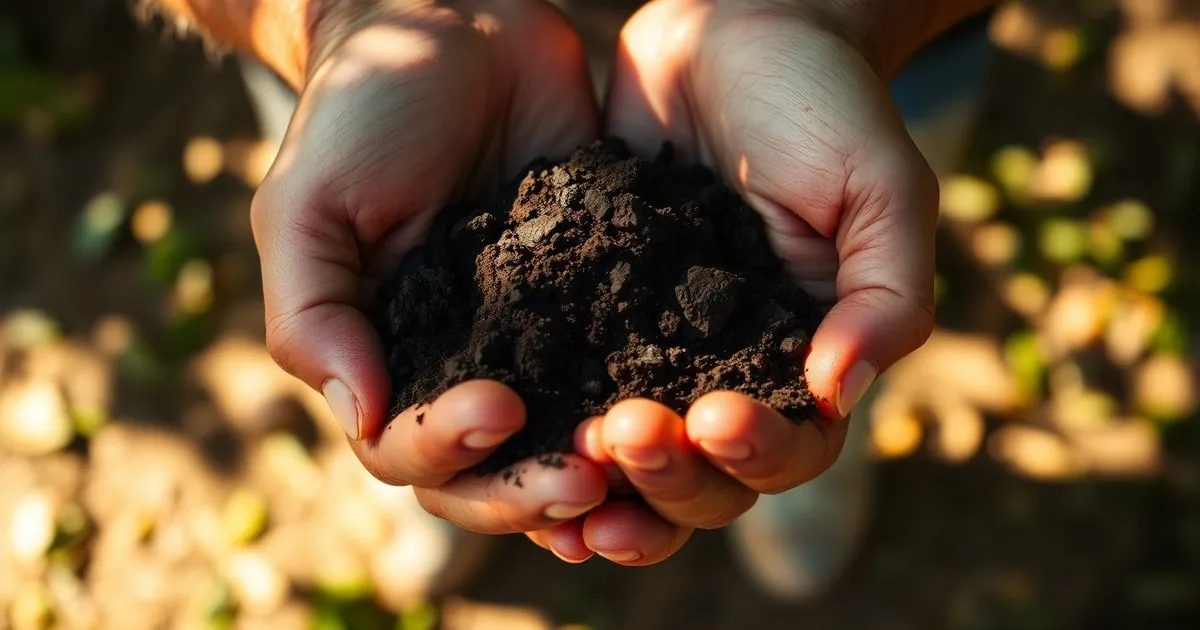
- Deeper soils enhance water retention and temperature stability. **Debated:** - The optimal depth for specific vegetable types.
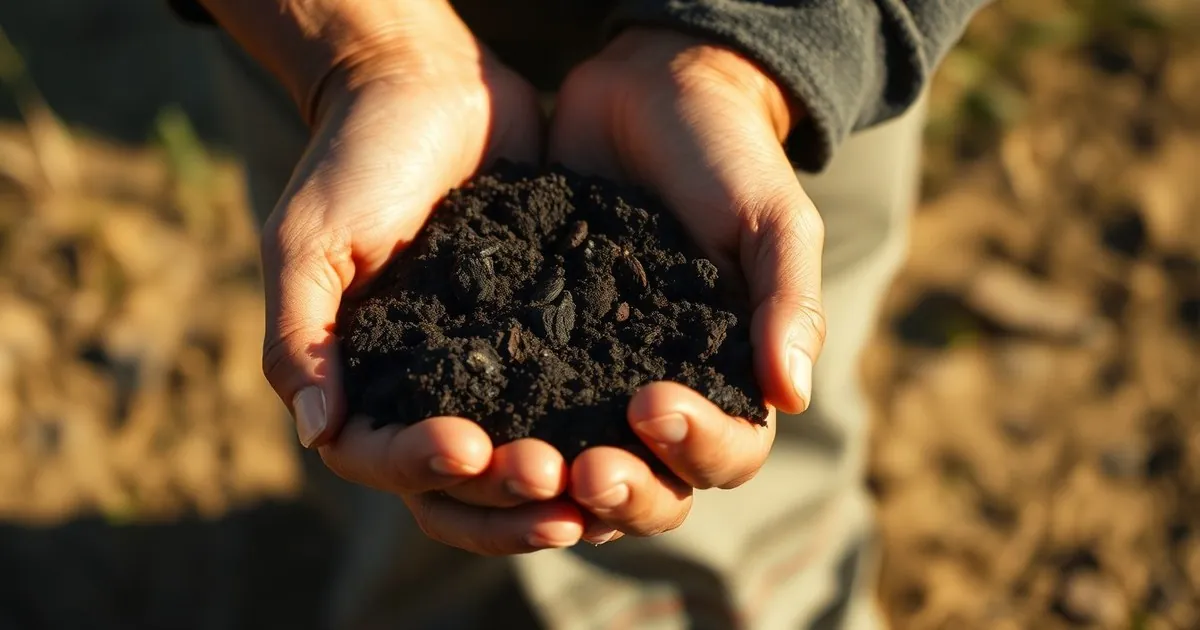
Mulch depth significantly impacts soil temperature regulation, improving plant health and water retention. Explore how proper mulching techniques enhanc...
Share this article
Soil Compaction Root Growth
Soil compaction, traditionally seen as harmful to crop yields, can enhance root growth by activating specific biochemical pathways. For example, in rice, the OsEIL1–OsWOX11 transcription factor module is activated, promoting crown root development in response to compacted soil (Li et al. 2024). Cont...
10 published papers · click to read
7,619
combined citations
Lin Chen
Xi’an Jiaotong-Liverpool University
Department of Civil Engineering, Xi'an Jiaotong-Liverpool UniversityStrategies to achieve a carbon neutral society: a review — Environmental Chemistry Letters
1,191 citations
Mohammad Miransari
Shahed University
Tehran, IranUsing arbuscular mycorrhiza to reduce the stressful effects of soil compaction on corn (Zea mays L.) growth — Soil Biology and Biochemistry
140 citations
Jane Williams
University of the West of England
Gloucester, United KingdomEffect of manual and motorized dental rasping instruments on Thoroughbred's heart rate and behavior — Journal of Veterinary Behavior
4 citations
Pichu Rengasamy
University of Adelaide
S.A, AustraliaRoot-zone constraints and plant-based solutions for dryland salinity — Plant and Soil
134 citations
Moacir Tuzzin de Moraes
Universidade Tecnológica Federal do Paraná
Francisco Beltrão, BrazilMechanical and Hydric Stress Effects on Maize Root System Development at Different Soil Compaction Levels — Frontiers in Plant Science
41 citations
Pedro A. Sánchez
Properties and Management of Soils in the Tropics
964 citations
Gernot Bodner
Management of crop water under drought: a review
605 citations
Jordan Vacheron
Plant growth-promoting rhizobacteria and root system functioning
1,452 citations
Jos M. Raaijmakers
Wageningen University & Research
Wageningen, the NetherlandsThe rhizosphere: a playground and battlefield for soilborne pathogens and beneficial microorganisms — Plant and Soil
1,680 citations
M. Amine Hassani
Microbial interactions within the plant holobiont
1,408 citations
Researchers identified from peer-reviewed literature indexed in Semantic Scholar · OpenAlex · PubMed. Each card links to the original published paper.