How Does Tillage Affect Soil Structure, and Why Does "Structure Tension" Matter?
Evidence-based science journalism. Every claim verified against peer-reviewed research.
tillagestructuretension
Evidence-based science journalism. Every claim verified against peer-reviewed research.
© 2026 Express Love Inc. — All Rights Reserved. Original research-backed content. Unauthorized reproduction, derivative audio/video adaptations, or use for AI training is strictly prohibited without written consent.
Listen to the Soul of this Article (Narrated)
How Does Tillage Affect Soil Structure, and Why Does "Structure Tension" Matter?
Here are three ways you can turn this science into practice:
The research is clear. The next step is yours.
| Column 1 | Column 2 | Column 3 | Column 4 |
|---|---|---|---|
| Soil Surface | Crusting after rain | Poor aggregate stability, low infiltration | Moderate |
| Soil Feel | Crumbly, earthy smell | Good aggregation, active biology | High |
| Root Growth | Deep, extensive root systems | Low compaction, good aeration | High |
| Water Infiltration | Water soaks in quickly | Stable pores, high permeability | High |
| Erosion | Clear water runoff after rain | High structure tension, low sediment loss | Moderate |
| Feature | Conventional Tillage | High Structure Tension (No-Till/Regenerative) |
|---|---|---|
| Soil Disturbance | High (plowing, disking) | Minimal (direct seeding) |
| Water Infiltration | Often reduced due to compaction | Enhanced by stable pores, organic matter |
| Erosion Risk | Increased, especially on slopes | Significantly reduced |
| Organic Matter | Can decrease over time | Tends to accumulate, improving soil health |
Effective strategies exist to address these challenges. From proven protocols to innovative approaches, taking action through support, restoration, and advocacy creates measurable progress. The key is choosing interventions backed by evidence and committing to consistent implementation.
A: Tillage can significantly degrade soil health over time. Studies indicate that repeated tillage can reduce organic matter content by up to 30% within five years. This loss affects soil structure, leading to decreased water retention and nutrient availability, ultimately harming crop yields.
A: Alternatives to traditional tillage include no-till farming and cover cropping. No-till methods can maintain soil structure and reduce erosion, while cover crops, such as clover or rye, can improve soil organic matter levels by up to 1% annually, enhancing overall soil health.
A: To measure soil structure tension, use a penetrometer. he resistance in kPa. A reading above 100 kPa indicates high compaction, while lower values suggest better soil structure and health, promoting root growth and water infiltration.
The Ocean Cleanup's Interceptor targets the 1% of rivers responsible for 80% of ocean plastic — stopping pollution at its source. Deploying these machines across 1,000 rivers worldwide proves that scalable technology, paired with local partnerships, can rapidly close the tap on plastic reaching our seas.
Watch on dedicated video page →NASA satellites detected a 1% annual drop in Northern Hemisphere phytoplankton from 1998–2012. These invisible ocean plants drive 25% of human CO₂ absorption and anchor the entire marine food chain.
Watch on dedicated video page →Jake M. Robinson, DrPH
University of Sheffield
NJ 10704, USA
Green Prescriptions and Their Co-Benefits: Integrative Strategies for Public and Environmental Health — Challenges
Nichola J. Davis, MD
New York City Health and Hospitals Corporation
Department of Population Health, NYU Grossman School of Medicine
Weight Loss Medications Reshape Obesity Care — NEJM Catalyst
Yujiao Zhang
Yunnan University
China
Conservation tillage rotation enhanced soil structure and soil nutrients in long-term dryland agriculture — European Journal of Agronomy
Newton Z. Lupwayi
Agriculture and Agri-Food Canada
Alta, Canada T0H 0C0
Soil microbial diversity and community structure under wheat as influenced by tillage and crop rotation — Soil Biology and Biochemistry
Zahangir Kabir
University of California, Davis
California 95616, USA
Tillage or no-tillage: Impact on mycorrhizae — Canadian Journal of Plant Science
Pedro A. Sánchez
Gernot Bodner
Jos M. Raaijmakers
Wageningen University & Research
Wageningen, the Netherlands
The rhizosphere: a playground and battlefield for soilborne pathogens and beneficial microorganisms — Plant and Soil
Pasquale Borrelli
Saskia Keesstra
Christian Thierfelder
Md. Khairul Alam
Eric A. Davidson
Carl Folke
Agnieszka Tomczyk, PhD
Institute of Agrophysics, Polish Academy of Sciences
Lublin, Poland
"At the biochemical level, biochar's high surface area promotes the adsorption of dissolved organic matter, inhibiting microbial enzymes like β-glucosidase that catalyze carbon breakdown, thus extending carbon residence time by 5-10-fold"
More from Planetary Health

Hydration alters bioceramics' mechanical strength differently than dilution. Explore how water affects material tension in planetary health applications.
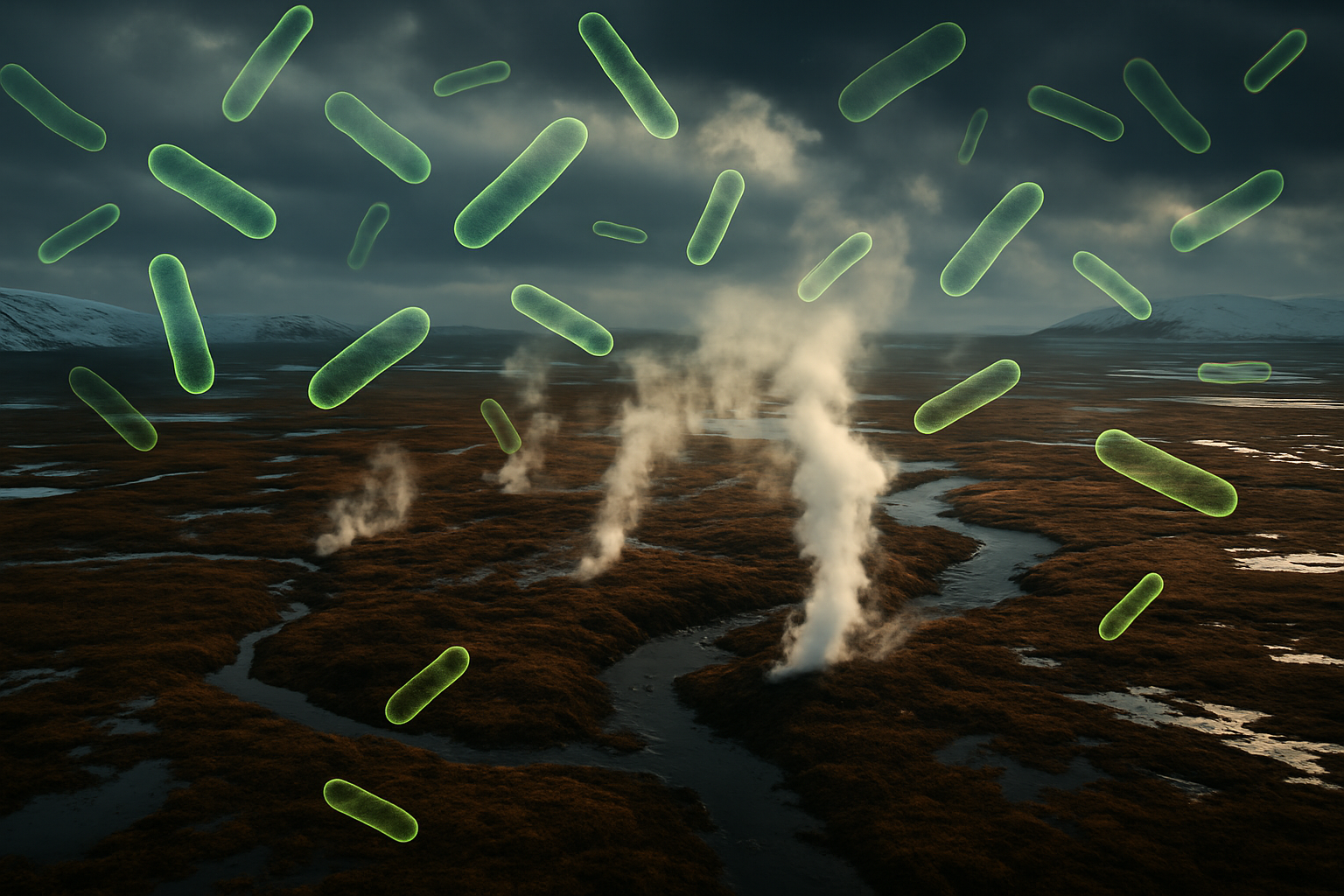
The Arctic, a vast and seemingly immutable expanse, holds within its frozen grasp a silent, colossal reservoir of ancient carbon.
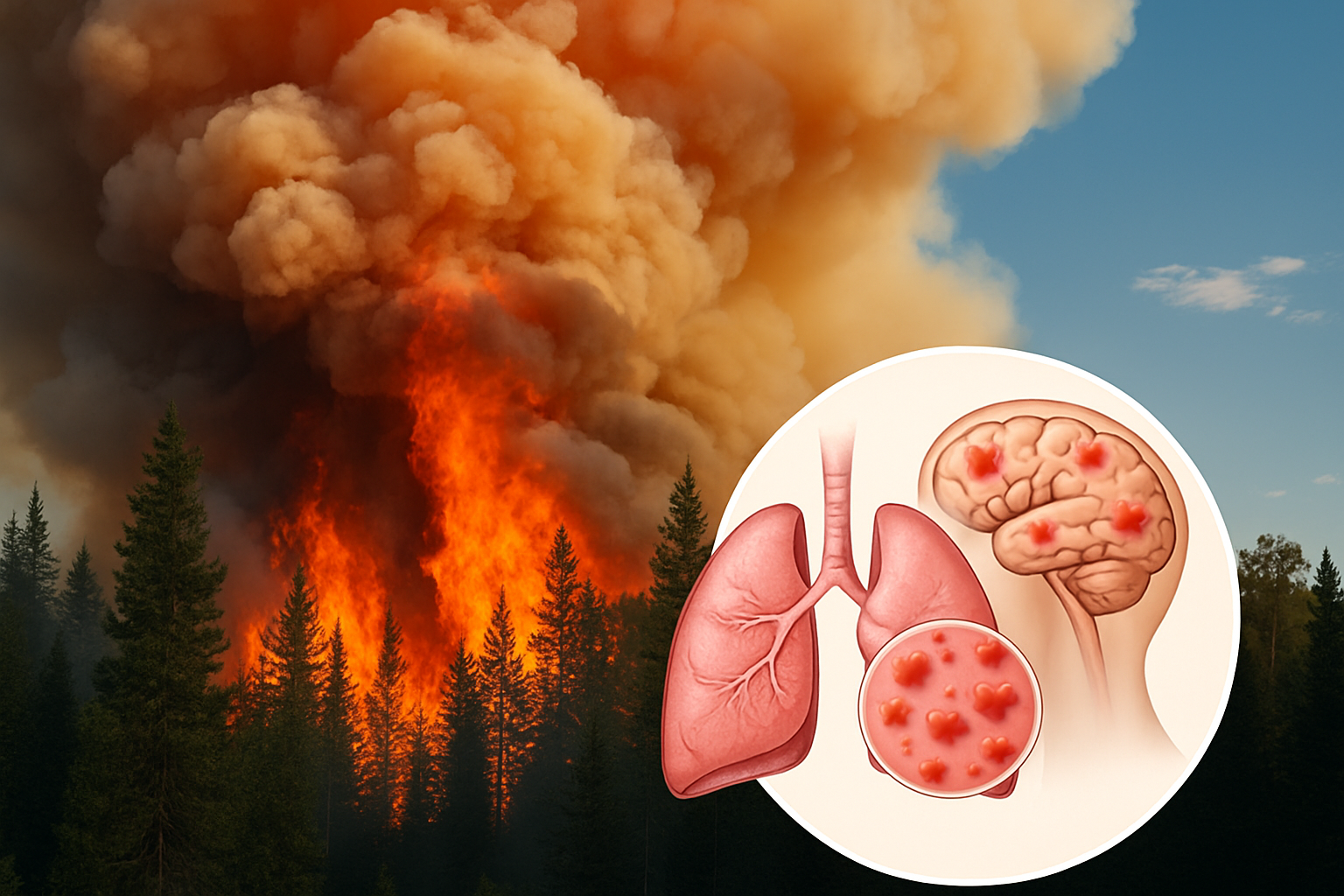
Wildfire smoke is not a uniform cloud of ash; it is a complex, toxic aerosol composed of gases and fine particulate matter.
Share this article
How Does Tillage Affect Soil Structure, and Why Does "Structure Tension" Matter?
A: Tillage can significantly degrade soil health over time. Studies indicate that repeated tillage can reduce organic matter content by up to 30% within five years. This loss affects soil structure, leading to decreased water retention and nutrient availability, ultimately harming crop yields.
15 published papers · click to read
22,452
combined citations
Jake M. Robinson, DrPH
University of Sheffield
NJ 10704, USAGreen Prescriptions and Their Co-Benefits: Integrative Strategies for Public and Environmental Health — Challenges
149 citations
Nichola J. Davis, MD
New York City Health and Hospitals Corporation
Department of Population Health, NYU Grossman School of MedicineWeight Loss Medications Reshape Obesity Care — NEJM Catalyst
Yujiao Zhang
Yunnan University
ChinaConservation tillage rotation enhanced soil structure and soil nutrients in long-term dryland agriculture — European Journal of Agronomy
98 citations
Newton Z. Lupwayi
Agriculture and Agri-Food Canada
Alta, Canada T0H 0C0Soil microbial diversity and community structure under wheat as influenced by tillage and crop rotation — Soil Biology and Biochemistry
475 citations
Zahangir Kabir
University of California, Davis
California 95616, USATillage or no-tillage: Impact on mycorrhizae — Canadian Journal of Plant Science
335 citations
Pedro A. Sánchez
Properties and Management of Soils in the Tropics
964 citations
Gernot Bodner
Management of crop water under drought: a review
605 citations
Jos M. Raaijmakers
Wageningen University & Research
Wageningen, the NetherlandsThe rhizosphere: a playground and battlefield for soilborne pathogens and beneficial microorganisms — Plant and Soil
1,680 citations
Pasquale Borrelli
An assessment of the global impact of 21st century land use change on soil erosion
2,610 citations
Saskia Keesstra
The significance of soils and soil science towards realization of the United Nations Sustainable Development Goals
1,479 citations
Christian Thierfelder
Complementary practices supporting conservation agriculture in southern Africa. A review
165 citations
Md. Khairul Alam
Rice (Oryza sativa L.) Establishment Techniques and Their Implications for Soil Properties, Global Warming Potential Mitigation and Crop Yields
67 citations
Eric A. Davidson
Temperature sensitivity of soil carbon decomposition and feedbacks to climate change
6,826 citations
Carl Folke
Resilience Thinking: Integrating Resilience, Adaptability and Transformability
4,415 citations
Agnieszka Tomczyk, PhD
Institute of Agrophysics, Polish Academy of Sciences
Lublin, Poland“At the biochemical level, biochar's high surface area promotes the adsorption of dissolved organic matter, inhibiting microbial enzymes like β-glucosidase that catalyze carbon breakdown, thus extending carbon residence time by 5-10-fold”
Biochar physicochemical properties: pyrolysis temperature and feedstock kind effects — Reviews in Environmental Science and Bio/Technology
2,584 citations
Researchers identified from peer-reviewed literature indexed in Semantic Scholar · OpenAlex · PubMed. Each card links to the original published paper.