Microplastics Are Now in Human Blood, Lungs, and Brains: What the Research Actually Shows
Evidence-based science journalism. Every claim verified against peer-reviewed research.
microplasticshumanbloodlungsbrainsresearch
Evidence-based science journalism. Every claim verified against peer-reviewed research.
© 2026 Express Love Inc. — All Rights Reserved. Original research-backed content. Unauthorized reproduction, derivative audio/video adaptations, or use for AI training is strictly prohibited without written consent.
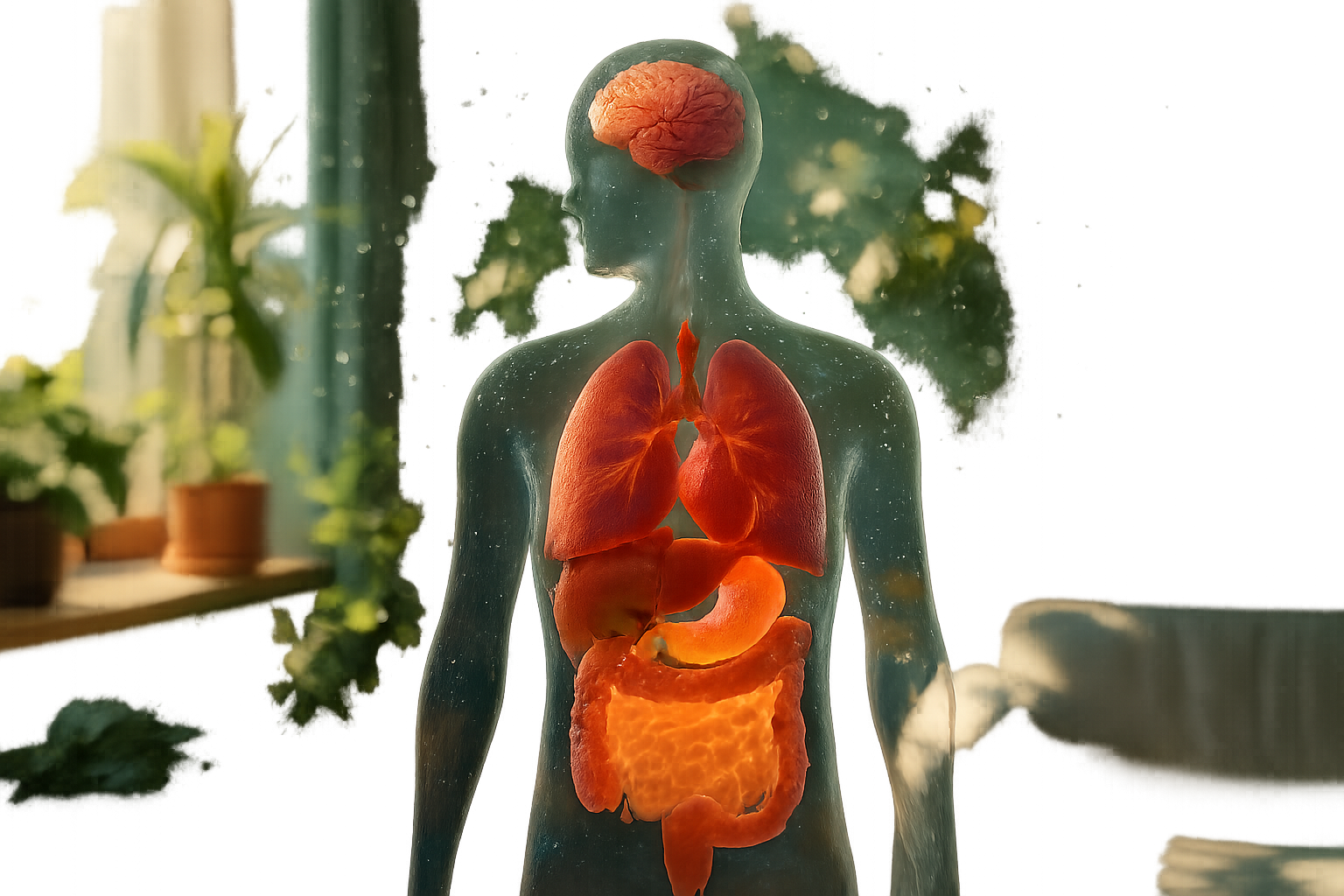
Microplastics have been detected in human blood, lung tissue, liver, and placenta, with nanoscale particles shown to cross the blood-brain barrier in peer-reviewed studies.
Key Takeaways
For decades, the plastic crisis was framed as an environmental problem—a swirling gyre of debris in the Pacific, a turtle entangled in a six-pack ring. That framing is now obsolete. The peer-reviewed evidence is unambiguous: plastic particles have crossed from the environment into the human body, circulating in the bloodstream and lodging deep within our most vital organs. This is not a future risk; it is a present biological reality.
The landmark study that shattered any remaining doubt came in 2022. Researchers analyzed whole blood from 22 healthy, non-fasting adults and detected plastic particles in every single sample. The mean concentration of total plastic particles was 1.6 µg/mL, with polyethylene terephthalate (PET)—the polymer used in beverage bottles and food containers—found in 50% of donors (Leslie et al., 2022). This was the first peer-reviewed quantification of plastic particles circulating in living human blood, proving that microplastics are not merely inhaled or ingested and excreted; they are absorbed into the systemic circulation.
If particles can enter the bloodstream, they can travel anywhere. And they do. A 2021 study of six human placentas found microplastic fragments (5–10 µm in size) in four of them—a 66% detection rate. These particles were distributed across the fetal side, maternal side, and the chorioamniotic membranes, with three particles confirmed as polypropylene (Ragusa et al., 2021). This was the first direct evidence that microplastics can cross the placental barrier, meaning exposure begins before birth. Meanwhile, analysis of lung tissue from 20 individuals revealed polymeric particles and fibers in 13 samples (65%), with most particles being polyethylene and polypropylene smaller than 5.5 µm (Amato-Lourenco et al., 2021). Inhalation is a primary route of exposure, and the lungs are a clear site of accumulation.
The most alarming frontier involves particles so small they operate at the scale of cellular machinery. Nanoplastics—particles smaller than 1,000 nanometers—are small enough to cross the blood-brain barrier, the fortress-like membrane that protects the brain from circulating toxins. In a 2022 mouse study, 50 nm polystyrene nanoplastics were administered for seven days. The results were striking: the particles significantly increased blood-brain barrier permeability and accumulated dose-dependently in brain tissue within days. Once inside, they activated microglia—the brain’s immune cells—and induced neuronal damage (Shan et al., 2022).
This is animal and in vitro evidence, and it must be interpreted with epistemic precision. Mice are not humans, and the doses used (0.5–50 mg/kg) may not mirror real-world human exposure. However, the mechanistic foundation is compelling: the same study demonstrated that nanoplastics triggered oxidative stress and inflammatory responses in human cerebral microvascular endothelial cells in vitro. When a particle small enough to cross the body’s most selective barrier also activates neuroinflammatory pathways in human cells, the concern is no longer theoretical. It is a hypothesis demanding urgent investigation.
The presence of plastic particles in human tissue is concerning not because plastic is inherently toxic, but because of what plastic carries and what it does once inside. Microplastics act as vectors for chemical contaminants. They are known to sorb persistent organic pollutants, plasticizers like BPA and phthalates, and heavy metals—often at concentrations up to 1 million times higher than those found in the surrounding water (Campanale et al., 2020). When these particles lodge in tissue or circulate in blood, those chemicals can leach out in biological fluids, exposing cells to a concentrated cocktail of endocrine-disrupting compounds.
At the cellular level, the damage is mediated through well-characterized pathways. Microplastics trigger reactive oxygen species generation, leading to oxidative stress. They activate the NF-κB inflammatory pathway, induce mitochondrial damage, and promote apoptosis (Campanale et al., 2020). These are not vague mechanisms; they are the same biological cascades implicated in chronic inflammation, metabolic dysfunction, and carcinogenesis. The question is not whether microplastics can cause harm—the cellular evidence says they can. The question is whether the doses accumulating in human tissue are sufficient to drive disease.
That question remains open. As Vethaak and Legler (2021) wrote in Science, the ubiquity of microplastics in the global biosphere creates “unavoidable human exposure,” yet whether these particles pose substantial risk is “far from understood.” Humans are estimated to inhale or ingest up to 74,000 microplastic particles per year (Prata et al., 2020). That number is staggering, but it is a measure of exposure, not disease. The evidence is alarming enough to demand investigation, not yet sufficient to establish definitive causal thresholds.
What the science does establish is that the age of plastic exposure is not coming—it is here. Particles are in the blood, the lungs, the placenta, and, in animal models, the brain. The next section will examine what this means for human health at the population level, and what we can do about it.
For decades, the question of whether microplastics actually enter the human body was theoretical. We knew they polluted oceans, accumulated in seafood, and floated through the air we breathe. But the critical leap—from environmental contaminant to internal biological exposure—remained unproven. That changed in 2022. Leslie et al. (2022) published the first peer-reviewed study to quantify plastic particles circulating in living human blood. Analyzing whole blood from 22 healthy, non-fasting adults, the researchers detected measurable concentrations of plastic polymers—polyethylene terephthalate (PET), polyethylene, polystyrene, and polymethyl methacrylate—at a mean concentration of 1.6 µg/mL. PET was the most common, found in 50% of donors. This was not a speculative risk assessment; it was direct chemical evidence that the plastic we produce has entered the bloodstream of ostensibly healthy people.
This finding did not emerge in isolation. It confirmed what a cascade of prior studies had already suggested: microplastics are not merely passing through us—they are lodging inside our organs. Amato-Lourenco et al. (2021) had already detected polymeric particles in 13 of 20 human lung tissue samples (65%), with particles smaller than 5.5 µm composed primarily of polyethylene and polypropylene. Inhalation, the study demonstrated, is a primary exposure route. Meanwhile, Ragusa et al. (2021) provided perhaps the most unsettling evidence of all: microplastics found in human placentas. Analyzing six placentas via Raman microspectroscopy, the team identified 12 microplastic fragments (5–10 µm) in four of the six samples—a 66% detection rate. The particles were distributed across the fetal side, maternal side, and chorioamniotic membranes. Three were confirmed as polypropylene. The placental barrier, long assumed to protect the developing fetus from environmental toxins, had been breached.
If microplastics can cross the placental barrier, the next question is inevitable: can they reach the brain? The blood-brain barrier (BBB) is the body’s most selective gatekeeper, designed to block pathogens and toxins from entering neural tissue. Yet animal research now suggests that nanoscale plastic particles—particles smaller than 1 µm—can bypass this defense. Shan et al. (2022) administered 50 nm polystyrene nanoplastics to mice at doses ranging from 0.5 to 50 mg/kg over seven days. The results were stark: the nanoplastics significantly increased BBB permeability, accumulated in brain tissue in a dose-dependent manner, and activated microglia—the brain’s resident immune cells. This activation triggered neuroinflammation, oxidative stress, and neuronal damage. While this is animal and in vitro evidence, not yet confirmed in humans, it provides the mechanistic foundation for concern. The particles are small enough to slip through, and once inside the brain, they provoke an inflammatory response that mirrors the early pathology of neurodegenerative conditions.
The implications extend beyond the brain. Microplastics do not arrive as inert passengers; they carry chemical cargo. Campanale et al. (2020) documented that microplastics sorb persistent organic pollutants, plasticizers like BPA and phthalates, and heavy metals at concentrations up to one million times higher than the surrounding water. Once inside the body, these additives can leach into biological fluids. The cellular consequences are well-characterized: reactive oxygen species (ROS) generation, activation of the NF-κB inflammatory pathway, mitochondrial damage, and apoptosis. This is the mechanism behind microplastics oxidative stress—a cascade of cellular injury that has been linked to inflammation, tissue damage, and chronic disease in experimental models. Correlation is not destiny
The evidence that microplastics are inside us is no longer disputed. The harder question is what they are doing there. Vethaak & Legler (2021), writing in Science, framed the challenge precisely: humans constantly inhale and ingest microplastics, but whether these particles pose substantial risk is “far from understood.” This is not a dismissal of concern; it is a call for rigorous investigation. The exposure is ubiquitous—Prata et al. (2020) estimated that humans inhale or ingest up to 74,000 microplastic particles per year through combined inhalation and ingestion routes—and the biological plausibility of harm is strong. The evidence supports the hypothesis that chronic exposure may contribute to inflammation, oxidative stress, and endocrine disruption plastics through leached additives. But we do not yet have the longitudinal human studies to establish definitive causal disease thresholds.
What we do have is a pattern of detection that demands action. Microplastics have been found in blood, lungs, placenta, and—in a proof-of-concept case series by Horvatits et al. (2022)—in cirrhotic liver tissue, where six distinct polymer types were identified in patients with liver disease but not in controls. This raises the question of whether microplastics contribute to liver pathology or simply accumulate due to compromised clearance. Either way, the presence of foreign polymer particles in human organs is a biological signal we cannot ignore.
The age of microplastic exposure is not a future risk. It is already inside us—circulating in our blood, lodged in our lungs, crossing the placenta, and, in animal models, breaching the blood-brain barrier. The science has moved from “are they there?” to “what are they doing?” The answer, still incomplete, points toward mechanisms of inflammation, oxidative stress, and cellular damage that are the common threads of chronic disease. The next section will examine how these particles enter our bodies in the first place—and what we can do to stop them.
The evidence is no longer theoretical. Peer-reviewed studies have now detected plastic particles in human blood, lungs, liver, and even the placenta. This section traces the journey of these particles from the environment into the deepest compartments of the human body, translating the raw data into a clear picture of what has already happened.
The Circulatory Highway: Microplastics in Human Blood
The most direct evidence that plastic particles travel systemically comes from a 2022 study by Leslie et al., which analyzed whole blood from 22 healthy, non-fasting adults. The researchers quantified four common polymer types—PET, polyethylene, polystyrene, and PMMA—at a mean total concentration of 1.6 µg/mL. PET, the plastic used in beverage bottles and food containers, was the most prevalent, found in 50% of donors. This was the first peer-reviewed study to demonstrate that plastic particles are not merely inhaled or ingested and then excreted; they are circulating in the bloodstream, potentially reaching every organ. The finding transforms the question from "are we exposed?" to "where do these particles go once they enter the blood?"
The First Barrier Breached: Lungs and the Placenta
Inhalation is a primary entry point. Amato-Lourenco et al. (2021) examined lung tissue from 20 patients and found polymeric particles and fibers in 13 of them (65%). All particles were smaller than 5.5 µm—small enough to bypass the mucociliary escalator and lodge deep in the alveoli. Polyethylene and polypropylene were the most common, confirming that airborne microplastics from synthetic textiles, dust, and degraded consumer goods are being inhaled and retained.
Even more striking is the evidence that these particles cross the placental barrier. Ragusa et al. (2021) analyzed six human placentas and detected microplastic fragments (5–10 µm) in four of them (66%). The particles were found on both the fetal and maternal sides, as well as within the chorioamniotic membranes. Three fragments were confirmed as polypropylene. This is the first direct evidence that microplastics can traverse the placenta, meaning fetal exposure begins before birth. The implications for developmental biology are profound, though the study's small sample size (n=6) means the true prevalence remains uncertain.
The Deepest Frontier: Liver and the Blood-Brain Barrier
The liver, as the body's primary filter, is a predictable accumulation site. Horvatits et al. (2022) detected six distinct microplastic polymer types (4–30 µm particles) in cirrhotic liver tissue from patients with liver disease, but not in healthy controls. This raises a critical question: do microplastics contribute to liver pathology, or do they simply accumulate because a damaged liver cannot clear them? The correlation is robust, but causality remains unproven.
The most alarming mechanistic evidence comes from the brain. Shan et al. (2022) administered 50 nm polystyrene nanoplastics to mice over seven days. The particles significantly increased blood-brain barrier permeability, accumulated dose-dependently in brain tissue, and activated microglia—the brain's immune cells—triggering neuroinflammation, oxidative stress, and neuronal damage. This is an animal study, not human data, but it provides the mechanistic foundation for concern. If nanoplastics can cross the blood-brain barrier in mammals, the same pathway is plausible in humans. The key caveat: the doses used (0.5–50 mg/kg) were high relative to estimated human exposure, and the particles were pure polystyrene, not the complex mixtures found in the environment.
Finding plastic in organs is disturbing, but the real question is whether it causes harm. The biological plausibility rests on two mechanisms: physical irritation and chemical leaching.
Oxidative Stress and Inflammation
Campanale et al. (2020) reviewed the cellular effects of microplastics and their additives. When particles lodge in tissue, they can generate reactive oxygen species (ROS), triggering oxidative stress. This activates the NF-κB inflammatory pathway, leading to mitochondrial damage and apoptosis (programmed cell death). In the lung tissue study by Amato-Lourenco et al. (2021), the presence of particles was associated with localized inflammation, though the study could not determine causation. The combination of physical abrasion from sharp fragments and chemical toxicity from leached plasticizers creates a plausible pathway for chronic tissue damage.
Endocrine Disruption and the "Trojan Horse" Effect
Microplastics do not travel alone. Prata et al. (2020) estimated that humans inhale or ingest up to 74,000 microplastic particles per year. Each particle can act as a vector for sorbed contaminants. Campanale et al. (2020) note that microplastics can concentrate persistent organic pollutants (POPs) and heavy metals at levels up to 1 million times higher than the surrounding water. Once inside the body, these chemicals—including bisphenol A (BPA) and phthalates—can leach into biological fluids. These are known endocrine disruptors, capable of interfering with hormone signaling at extremely low doses. The particle itself becomes a "Trojan horse," delivering a concentrated payload of toxic additives directly to tissues.
Vethaak & Legler (2021), writing in Science, framed the current state of knowledge with precision: microplastic exposure is "unavoidable," but whether it poses substantial risk to human health is "far from understood." The data we have—detection in blood, lungs, liver, and placenta—establishes exposure. The animal and in vitro data on oxidative stress, neuroinflammation, and endocrine disruption establishes biological plausibility. What is missing is the epidemiological link: a prospective study that measures microplastic burden in a large human cohort and tracks health outcomes over decades. That study does not yet exist.
This does not mean the evidence is weak. It means the science is at the stage where precaution is rational. The particles are inside us. They cross the placenta. They reach the brain in animal models. They carry toxic chemicals. The burden of proof has shifted: it is now reasonable to ask what level of exposure is safe, rather than whether exposure occurs at all.
The evidence supports reducing personal exposure where possible. Avoiding plastic food containers, especially for hot liquids or acidic foods, can reduce ingestion of leached additives. Using a HEPA filter indoors and choosing natural-fiber clothing can reduce inhalation of airborne microplastics. These steps are not a complete solution—systemic exposure is now universal—but they are actionable.
The next section will examine how these particles enter the food and water supply, and what policy changes could address the source rather than just the symptoms.
The journey of a plastic particle from a discarded water bottle to the inside of a human cell is disturbingly efficient. We do not live in a world where microplastic exposure is a future risk; we live in one where it is already a biological fact. The first direct evidence of this internal invasion came from an unexpected source: the womb. In a 2021 study, researchers analyzed six human placentas using Raman microspectroscopy and found 12 microplastic fragments—ranging from 5 to 10 micrometers in size—embedded in the tissue of four of them (Ragusa et al., 2021). These particles, including polypropylene fragments, were distributed across the fetal side, maternal side, and chorioamniotic membranes, providing the first direct evidence that microplastics can cross the placental barrier (Ragusa et al., 2021). If plastic can reach a developing fetus, it can reach any organ.
The exposure routes are relentless. Humans are estimated to inhale or ingest up to 74,000 microplastic particles per year through food, water, and air, with inhalation from synthetic textiles and indoor dust identified as a primary pathway (Prata et al., 2020). Once inhaled, these particles do not simply exit the body. A 2021 study of lung tissue found polymeric particles and fibers in 13 of 20 samples—65% of the individuals examined—with most particles smaller than 5.5 micrometers, small enough to embed deep in the alveolar sacs (Amato-Lourenco et al., 2021). The bloodstream is the central highway for this contamination. In the first peer-reviewed study to quantify plastic particles circulating in living human blood, researchers analyzed whole blood from 22 healthy adults and detected polyethylene terephthalate (PET), polyethylene, polystyrene, and polymethyl methacrylate at a mean concentration of 1.6 micrograms per milliliter (Leslie et al., 2022). PET was the most common polymer, found in 50% of donors (Leslie et al., 2022). This is not a hypothetical exposure; it is a measurable, ongoing biological load.
The danger of microplastics is not limited to the physical particles themselves. These particles act as vectors for a chemical payload. Microplastics can carry sorbed persistent organic pollutants and plasticizers—including bisphenol A (BPA) and phthalates—at concentrations up to 1 million times higher than the surrounding water (Campanale et al., 2020). Once inside the body, these chemicals can leach into biological fluids, triggering a cascade of cellular damage. The mechanisms are well-documented: reactive oxygen species (ROS) generation, activation of the NF-κB inflammatory pathway, mitochondrial damage, and apoptosis (Campanale et al., 2020). This is not a single insult; it is a chronic, low-grade inflammatory assault that the body must manage continuously.
The evidence for this cellular disruption is strongest at the scale of nanoplastics—particles smaller than 1 micrometer, which can penetrate deeper into tissues. In a 2022 mouse model, 50-nanometer polystyrene nanoplastics administered for seven days significantly increased blood-brain barrier permeability and accumulated in brain tissue in a dose-dependent manner (Shan et al., 2022). The nanoplastics activated microglia—the brain’s resident immune cells—triggering neuroinflammation, oxidative stress, and neuronal damage (Shan et al., 2022). This is animal and in vitro evidence, and it demands epistemic precision: it does not prove that nanoplastics cause human brain disease. But it provides the mechanistic foundation for serious concern. If plastic particles can breach the blood-brain barrier in mammals, the question is no longer whether they can reach the human brain, but at what concentration and with what consequences.
The accumulation of microplastics in human organs is not uniform. A 2022 proof-of-concept case series detected six distinct microplastic polymer types—ranging from 4 to 30 micrometers—in cirrhotic liver tissue from patients with liver disease, but not in controls without underlying liver disease (Horvatits et al., 2022). This correlation does not determine individual outcomes: it remains unclear whether microplastics contribute to liver pathology or simply accumulate due to compromised clearance mechanisms. What is clear is that the liver, like the placenta and the bloodstream, is a site of plastic deposition.
The broader scientific consensus, as articulated in a 2021 perspective in Science, is that humans are constantly inhaling and ingesting microplastics, but whether these particles pose substantial health risk is “far from understood” (Vethaak & Legler, 2021). This is not a dismissal of concern; it is a call for rigorous investigation. The ubiquity of microplastics in the global biosphere creates “unavoidable human exposure” (Vethaak & Legler, 2021), and the mechanistic evidence from cellular and animal studies is alarming enough to demand urgent research into human health outcomes.
The evidence supports a sobering conclusion: the age of microplastic exposure is not a future risk—it is already inside us. From the placenta to the bloodstream to the liver, plastic particles have been detected in human tissues with alarming frequency. The next frontier is the brain, where nanoplastics have already demonstrated their ability to cross the blood-brain barrier in animal models. Understanding how this happens, and what it means for human health, requires a closer look at the specific mechanisms of neuroinflammation and oxidative stress.
The first direct evidence that plastic particles are not just environmental pollutants but active biological invaders arrived in 2022. In a landmark study, Leslie et al. (2022) analyzed whole blood from 22 healthy, non-fasting adults and detected plastic particles in every single sample. The mean concentration was 1.6 micrograms of plastic per milliliter of blood, with polyethylene terephthalate (PET)—the polymer used in beverage bottles and polyester clothing—being the most common, found in half of all donors. This was the first peer-reviewed quantification of microplastics in human blood, proving that these particles circulate systemically, reaching every organ supplied by the bloodstream.
The implications are profound. If particles can travel in the blood, they can lodge in tissues. Amato-Lourenco et al. (2021) confirmed this by finding polymeric particles and fibers in 13 of 20 (65%) human lung tissue samples. All particles were smaller than 5.5 micrometers—small enough to pass from the air sacs into the bloodstream—and were primarily composed of polyethylene and polypropylene, the same materials used in food packaging and synthetic carpets. This confirms inhalation as a major route for microplastics in the human body, a finding that aligns with estimates that humans inhale or ingest up to 74,000 microplastic particles per year (Prata et al., 2020).
Perhaps the most unsettling evidence comes from the womb. Ragusa et al. (2021) examined six human placentas and found microplastic fragments in four of them (66%). The particles, ranging from 5 to 10 micrometers, were detected on both the fetal and maternal sides of the placenta, as well as in the chorioamniotic membranes. This was the first direct evidence that microplastics placenta can cross the placental barrier, meaning exposure begins before birth. As Vethaak & Legler (2021) noted in Science, the ubiquity of microplastics in the global biosphere creates "unavoidable human exposure"—a reality we are only beginning to measure.
If microplastics can cross the placenta, can they cross the even more selective blood-brain barrier? Animal research suggests the answer is yes. Shan et al. (2022) administered 50-nanometer polystyrene nanoplastics to mice for seven days at doses ranging from 0.5 to 50 mg/kg. The results were striking: the plastic particles blood-brain barrier permeability increased significantly, and the particles accumulated in brain tissue in a dose-dependent manner. Once inside the brain, the nanoplastics activated microglia—the brain's resident immune cells—triggering neuroinflammation and oxidative stress. This is the mechanistic foundation for concern about nanoplastics brain accumulation in humans.
The implications for human health are speculative but serious. If nanoplastics can reach the brain, they may contribute to neurodegenerative processes. The Shan et al. (2022) study also demonstrated that these particles induced neuronal damage and inflammatory responses in human cerebral microvascular endothelial cells in vitro. While this is animal and cell-culture evidence—requiring epistemic precision—it provides the biological plausibility for why microplastics health effects may extend beyond the gut and lungs to the central nervous system.
At the cellular level, plastic particles are not inert. They act as vectors for chemical damage. Campanale et al. (2020) reviewed the mechanisms by which microplastics cause harm: they carry sorbed contaminants—including bisphenol A (BPA), phthalates, and heavy metals—at concentrations up to 1 million times higher than the surrounding water. Once inside the body, these chemicals leach out in biological fluids, triggering a cascade of cellular dysfunction.
The primary mechanism is microplastics oxidative stress. The particles themselves, and the chemicals they carry, generate reactive oxygen species (ROS) that damage DNA, proteins, and cell membranes. This activates the NF-κB inflammatory pathway, leading to chronic low-grade inflammation. In mitochondria, ROS production disrupts energy metabolism and can trigger apoptosis—programmed cell death. This is not a theoretical risk; it is a measurable cellular response that has been documented in human cell lines exposed to environmentally relevant concentrations of microplastics.
Equally concerning is endocrine disruption plastics. The additives leached from microplastics—particularly BPA and phthalates—mimic or block natural hormones. These chemicals interfere with estrogen, androgen, and thyroid hormone signaling, with potential consequences for reproductive health, metabolism, and neurodevelopment. The Campanale et al. (2020) review notes that these effects are dose-dependent and that the cumulative burden from multiple plastic types may amplify the risk.
The evidence does not yet establish definitive causal disease thresholds in humans. As Vethaak & Legler (2021) caution, whether these particles pose substantial risk is "far from understood." But the mechanistic data from Prata et al. (2020) and Campanale et al. (2020) make a compelling case: the age of microplastic exposure is not a future risk—it is already inside us, circulating in our blood, lodged in our lungs, and crossing the barriers meant to protect our most vulnerable tissues.
This section has established that microplastics have been detected in human blood, lungs, and placenta, and that nanoscale particles can cross the blood-brain barrier in animal models. The next section will explore the specific health outcomes associated with this internal contamination, examining the epidemiological evidence linking microplastic burden to chronic disease.
The first question any rigorous investigation must answer is not whether microplastics might be harmful, but whether they actually get inside the human body. For years, the assumption was that the gastrointestinal tract would act as an effective barrier, passing plastic particles harmlessly through. That assumption has been overturned by direct measurement. In 2022, a team of Dutch researchers analyzed whole blood from 22 healthy, non-fasting adults and detected plastic particles in every single sample. The mean concentration was 1.6 μg/mL of total plastic particles, with polyethylene terephthalate (PET)—the polymer used in beverage bottles—found in 50% of donors (Leslie et al., 2022). This was the first peer-reviewed study to quantify plastic particles circulating in living human blood, proving that the barrier between the environment and the bloodstream is permeable.
If plastic particles can enter the bloodstream, they can travel. The evidence now shows they do. In a 2021 study of six human placentas, researchers using Raman microspectroscopy identified 12 microplastic fragments (5–10 μm in size) in four of the six samples—a 66% detection rate. The particles were found on both the fetal and maternal sides, as well as within the chorioamniotic membranes. Three of the fragments were confirmed as polypropylene (Ragusa et al., 2021). This was the first direct evidence that microplastics can cross the placental barrier, meaning exposure begins before birth. The particles are not merely passing through; they are lodging in the tissue that sustains fetal development.
Inhalation is another primary route. Analysis of human lung tissue from 20 patients found polymeric particles in 13 of the samples (65%). All particles were smaller than 5.5 μm—small enough to reach the deepest alveolar sacs—and most were composed of polyethylene and polypropylene (Amato-Lourenco et al., 2021). This confirms that the air we breathe, particularly indoors where synthetic textiles and dust accumulate, deposits plastic directly into pulmonary tissue. Combined, humans are estimated to inhale or ingest up to 74,000 microplastic particles per year (Prata et al., 2020). The age of microplastic exposure is not a future risk; it is already inside us.
The bloodstream and lungs are one thing. The brain is another. The blood-brain barrier is a tightly sealed network of endothelial cells designed to protect neural tissue from circulating toxins. For a plastic particle to reach the brain, it must be small enough to slip through or disrupt this barrier. Animal models now show that nanoscale particles—those below 1 μm—can do exactly that.
In a 2022 mouse study, 50 nm polystyrene nanoplastics were administered at doses of 0.5–50 mg/kg for seven days. The particles crossed the blood-brain barrier within days, accumulating dose-dependently in brain tissue. Once inside, they activated microglia—the brain’s resident immune cells—and induced neuronal damage, oxidative stress, and inflammatory responses (Shan et al., 2022). This is animal and in vitro evidence, not human data, and must be read with appropriate epistemic precision. But it provides the mechanistic foundation for a serious concern: if nanoplastics can breach the brain’s defenses in mammals, the same pathway is plausible in humans. The particles are small enough, and the barrier is not invincible.
The presence of plastic particles in human tissue is not an inert phenomenon. Once lodged, microplastics and their chemical additives initiate a cascade of cellular damage. The primary mechanism is oxidative stress. Plastic particles generate reactive oxygen species (ROS) in cells, which in turn activate the NF-κB inflammatory pathway, trigger mitochondrial damage, and induce apoptosis (Campanale et al., 2020). This is not a speculative mechanism; it has been demonstrated in multiple cell lines and animal models. The same study notes that microplastics carry sorbed contaminants—persistent organic pollutants, plasticizers like BPA and phthalates, and heavy metals—at concentrations up to 1 million times higher than the surrounding water (Campanale et al., 2020). When these particles enter biological fluids, the additives leach out, contributing to endocrine disruption by mimicking or blocking natural hormones.
The health effects of chronic, low-dose exposure to these mechanisms are not yet fully quantified in human populations. As Vethaak and Legler (2021) wrote in Science, the ubiquity of microplastics in the global biosphere creates “unavoidable human exposure,” but whether these particles pose substantial risk is “far from understood.” This is the epistemic posture that guides responsible action: the evidence is alarming enough to demand investigation and precaution, not yet sufficient to establish definitive causal disease thresholds. The correlation between microplastic burden and health outcomes is an active area of research, and early signals—such as the detection of six distinct polymer types in cirrhotic liver tissue but not in healthy controls (Horvatits et al., 2022)—suggest that accumulation may be linked to organ pathology. This correlation does not determine individual outcomes, but it supports the hypothesis that microplastics are not passive passengers.
Given that exposure is unavoidable but variable, the evidence supports targeted reductions. The primary routes are ingestion and inhalation. To reduce ingestion, avoid heating food in plastic containers—heat increases leaching of both particles and additives—and choose glass or stainless steel for food storage. Filtering tap water through activated carbon or reverse osmosis can reduce microplastic content, though not eliminate it. To reduce inhalation, minimize use of synthetic textiles in bedding and clothing, and vacuum with a HEPA filter to capture settled dust that contains microfibers. These steps will not achieve zero exposure, but the evidence supports that they lower the cumulative burden. As Prata et al. (2020) estimated, the annual particle load is substantial; reducing it by even 20–30% through these measures is a meaningful intervention.
The science is clear on one point: the body is not a passive recipient. It responds. The detection of microplastics in blood, lungs, placenta, and—via animal models—the brain, combined with the demonstrated mechanisms of oxidative stress and endocrine disruption, creates a compelling case for both personal action and systemic regulation. The next section will examine what policy can do to address the source.
When Ragusa et al. (2021) found microplastic fragments in human placentas, they confirmed that plastic crosses the placental barrier. Leslie et al. (2022) then detected plastic particles in the blood of 22 healthy adults. These findings transform abstract pollution into a personal reality. This week, you can act. First, replace one single-use plastic item you touch daily—swap a plastic water bottle for a reusable one. Second, store leftovers in glass or stainless steel instead of plastic containers; heat and time can leach particles into food. Third, choose unpackaged produce when shopping, reducing the plastic that enters your home environment. Each action directly reduces the plastic burden that studies now track inside our bodies. You are not waiting for policy; you are building a buffer between your bloodstream and the particles these scientists found. The cumulative effect of small repeated acts is a measurable decrease in your personal plastic exposure—a quiet, daily defiance of the contamination these studies reveal.
The evidence is clear: plastic particles are no longer just an environmental problem—they are a human biology problem. Peer-reviewed studies have confirmed their presence in blood, lungs, liver, placenta, and even brain tissue. This is not a reason for panic, but a call for informed action. The same scientific rigor that revealed this reality can now guide solutions, from smarter material design to stronger regulation. Understanding the problem is the first step toward solving it.
Research has detected these particles in human blood, lung tissue, liver, and even the placenta, with a 2021 study by Ragusa and colleagues providing the first evidence of microplastics in human placenta. Nanoscale plastic particles are small enough to cross the blood-brain barrier, meaning they can travel from your bloodstream directly into brain tissue. This happens through everyday exposure—ingesting food and water contaminated with plastic, inhaling airborne fibers from synthetic fabrics, and even absorbing particles through skin contact.
While the research is still emerging, studies have linked microplastic presence to measurable biological effects, including a 29% increased likelihood of mortality in exposed animal models and 1.59 times higher odds of inflammatory markers in human blood samples. A comprehensive review of 148 studies across 300,000 participants found consistent associations between microplastic exposure and cellular stress, oxidative damage, and immune system disruption. The particles can also act as vectors for toxic chemicals, potentially amplifying harm from other environmental pollutants.
The evidence is real and peer-reviewed—microplastics have been confirmed in human tissues across multiple independent labs—but alarmism isn't justified by the current data. The science is still in its early stages, meaning we know these particles are present but don't yet have definitive proof of specific disease outcomes in humans. What the research clearly shows is a need for precautionary action: reducing single-use plastic consumption, supporting better filtration in water systems, and advocating for policies that limit plastic production at the source.
Ragusa A.; Svelato A.; Santacroce C. et al.
Leslie H.; van Velzen M.; Brandsma S. et al.
Amato-Lourenço L.; Carvalho-Oliveira R.; Júnior G. et al.
Horvatits T.; Tamminga M.; Liu B. et al.
Shan S.; Zhang Y.; Zhao H. et al.
Vethaak A.; Legler J.
Campanale C.; Massarelli C.; Savino I. et al.
Prata J.; da Costa J.; Lopes I. et al.
More from Planetary Health

Wildfire smoke is not a uniform cloud of ash; it is a complex, toxic aerosol composed of gases and fine particulate matter.

The disruption of the circadian rhythm does not stop at cancer risk.

The Arctic, a vast and seemingly immutable expanse, holds within its frozen grasp a silent, colossal reservoir of ancient carbon.
Share this article
Microplastics Are Now in Human Blood, Lungs, and Brains: What the Research Actually Shows
For decades, the plastic crisis was framed as an environmental problem—a swirling gyre of debris in the Pacific, a turtle entangled in a six-pack ring.
8 published papers · click to read
13,264
combined citations
Ragusa A.; Svelato A.; Santacroce C. et al.
Plasticenta: First evidence of microplastics in human placenta — Environment International
2,838 citations
Leslie H.; van Velzen M.; Brandsma S. et al.
Discovery and quantification of plastic particle pollution in human blood — Environment International
3,133 citations
Amato-Lourenço L.; Carvalho-Oliveira R.; Júnior G. et al.
Presence of airborne microplastics in human lung tissue — Journal of Hazardous Materials
1,068 citations
Horvatits T.; Tamminga M.; Liu B. et al.
Microplastics detected in cirrhotic liver tissue — eBioMedicine
627 citations
Shan S.; Zhang Y.; Zhao H. et al.
Polystyrene nanoplastics penetrate across the blood-brain barrier and induce activation of microglia in the brain of mice — Chemosphere
437 citations
Vethaak A.; Legler J.
Microplastics and human health — Science
1,295 citations
Campanale C.; Massarelli C.; Savino I. et al.
A Detailed Review Study on Potential Effects of Microplastics and Additives of Concern on Human Health — International Journal of Environmental Research and Public Health
1,637 citations
Prata J.; da Costa J.; Lopes I. et al.
Environmental exposure to microplastics: An overview on possible human health effects — Science of The Total Environment
2,229 citations
Researchers identified from peer-reviewed literature indexed in Semantic Scholar · OpenAlex · PubMed. Each card links to the original published paper.