Soul Intro: The Living Web Beneath Our Feet
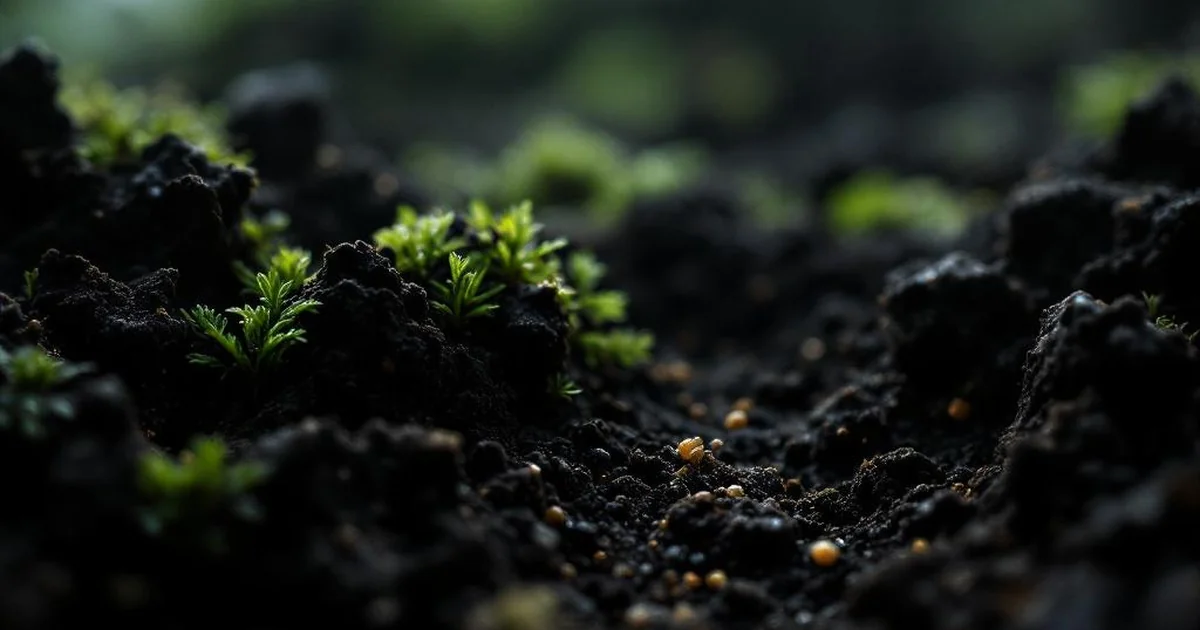
Step into a field that has been managed with care for a decade. The soil does not crumble to dust when you pick it up; it holds together, dark and fragrant, teeming with life invisible to the naked eye. Above ground, wildflowers bloom at the field margins, bees move from blossom to blossom, and a hawk circles lazily overhead. This is not a pristine wilderness—it is working farmland, proof that human food production and ecological vitality can coexist. This is the promise of regenerative practices.
For much of the twentieth century, agriculture pursued a single goal: maximum yield, right now. Fields were stripped of hedgerows, doused with synthetic fertilizers, and planted in endless monocultures. The results were impressive on paper—more grain, more profit—but the hidden costs were staggering. Topsoil eroded. Pollinators vanished. Rivers ran brown with agricultural runoff. The living systems that had sustained farming for millennia were treated as obstacles to be overcome rather than partners to be nurtured.
Regenerative practices offer a different path. They are not a return to some romanticized past but a forward-looking approach grounded in ecological science. The core insight is simple but profound: healthy ecosystems are productive ecosystems. When we restore the biological processes that sustain life—nutrient cycling, water filtration, pollination, pest regulation—we do not sacrifice yields; we build the foundation for enduring abundance.
This article explores the biological mechanisms that make regenerative systems work. From the microscopic world of soil microbes to the global dynamics of climate change, we will trace the connections that link soil health to planetary health. Understanding these mechanisms is not an academic exercise—it is the key to designing agricultural systems that feed us while healing the Earth.
Mechanism Deep Dive: Microbial Foundations of Planetary Health
Beneath every thriving ecosystem lies a hidden world of staggering complexity. A single gram of healthy soil contains billions of microorganisms—bacteria, fungi, archaea, protists—engaged in a constant biochemical dance that makes all higher life possible. These microbes are not merely inhabitants of the soil; they are its engineers, its chemists, and its immune system. As research demonstrates, microorganisms are central to climate change biology and support all higher trophic life forms on Earth (10.1038/s41579-019-0222-5).
Consider the carbon cycle, the planet’s most fundamental biological process. Plants pull carbon dioxide from the atmosphere through photosynthesis, converting it into organic compounds. But what happens to that carbon next depends almost entirely on microbes. Bacteria and fungi decompose plant matter, releasing some carbon back to the atmosphere as carbon dioxide or methane, while locking other carbon into stable soil organic matter. The balance between these processes—decomposition versus stabilization—determines whether agricultural soils become sources of greenhouse gases or sinks that draw down atmospheric carbon.
Microorganisms also influence climate change through the production and consumption of other greenhouse gases. Methanogenic archaea produce methane in waterlogged soils and the guts of ruminant animals. Methanotrophic bacteria consume methane, oxidizing it to carbon dioxide. Nitrifying and denitrifying bacteria control the flow of nitrous oxide, a greenhouse gas nearly 300 times more potent than carbon dioxide. These microbial processes are not peripheral to climate science—they are central to understanding how agricultural systems interact with the global climate.
The relationship runs both ways. Just as microbes influence climate, climate change alters microbial communities and their functions. Rising temperatures accelerate microbial metabolism, potentially speeding up decomposition and releasing more carbon from soils. Changes in precipitation patterns shift the balance between aerobic and anaerobic microbes, altering greenhouse gas fluxes. As human activities continue to reshape the planet, understanding these microbial dynamics becomes essential for humanity's resilience in the Anthropocene (10.1038/s41579-019-0222-5).
Mechanism Deep Dive: The Bioremediation Power of Living Systems
One of the most insidious legacies of industrial activity is the contamination of soil and water with heavy metals. Unlike organic pollutants that can be broken down by microbes, elements like cadmium, copper, lead, nickel, and zinc persist in the environment indefinitely. Human activities have profoundly altered the geochemical cycles of these metals, leading to their excess release into soil and aquatic environments (10.3390/su7022189). The sources are diverse: mining operations, industrial emissions, agricultural fertilizers and pesticides, sewage sludge, and atmospheric deposition from fossil fuel combustion.
The consequences are not abstract. Prolonged exposure and accumulation of heavy metals can have deleterious health effects on human life and aquatic biota (10.3390/su7022189). In humans, chronic exposure to cadmium damages the kidneys and bones. Lead interferes with neurological development in children. Nickel and chromium compounds are classified as carcinogens. In aquatic ecosystems, heavy metals accumulate in sediments and move up the food chain, concentrating in predators and causing reproductive failure, developmental abnormalities, and population declines.
Conventional remediation approaches—excavation, soil washing, chemical immobilization—are expensive, energy-intensive, and often destructive to soil structure and biology. But nature offers a more elegant solution. Microorganisms and plants are capable of biotransforming heavy metals into nontoxic forms, a process known as bioremediation (10.3390/su7022189).
The mechanisms are remarkably diverse. Some bacteria produce chelating agents that bind metals and prevent their uptake by plants. Others alter the oxidation state of metals, converting soluble forms into insoluble precipitates that cannot move through the soil or enter the food chain. Certain fungi accumulate metals in their cell walls, effectively filtering them from the soil solution. Hyperaccumulator plants—species like alpine pennycress and serpentine sunflower—can absorb extraordinary concentrations of metals into their tissues without suffering toxicity.
Understanding the molecular mechanisms of metal accumulation in microorganisms and plants has profound biotechnological implications for bioremediation of contaminated sites (10.3390/su7022189). Scientists are now identifying the genes responsible for metal transport, sequestration, and detoxification, opening the door to engineered organisms and plants optimized for specific contamination scenarios. This is not science fiction—it is a rapidly advancing field that promises to transform how we restore contaminated landscapes.
Action-Encyclopedia Module: Principles of Ecosystem Management
The challenge of implementing regenerative practices at scale is not primarily technical—it is conceptual. For too long, we have treated agricultural landscapes as factories rather than ecosystems. The shift to regenerative management requires a fundamentally different framework, one that recognizes the complexity and dynamism of living systems.
Ecosystem management is a process driven by explicit goals, adaptable policies, protocols, and practices, supported by monitoring and research, to sustain ecosystem composition, structure, and function (10.2307/2269460). This is not a rigid prescription but a flexible framework that can be adapted to local conditions. The goals might include improving soil organic matter, increasing biodiversity, reducing erosion, or enhancing water infiltration. The policies and practices flow from these goals, and monitoring provides feedback that allows for continuous adjustment.
Crucially, ecosystem management requires adaptability. No management plan survives first contact with reality. Weather patterns shift. Pest populations fluctuate. Markets change. The key is not to eliminate uncertainty but to build systems that can respond to it. This means investing in monitoring—soil tests, biodiversity surveys, water quality measurements—and using that data to refine practices over time.
Historical management approaches often prioritized short-term yield and economic gain over long-term sustainability, partly due to inadequate information on biodiversity and limited understanding of ecosystem dynamics (10.2307/2269460). The consequences are now visible: depleted soils, contaminated waterways, and agricultural systems that require ever-increasing inputs to maintain productivity. The obstacles to sustainable management are not insurmountable, but they require acknowledging that our current approach is broken and committing to a different path.
Action-Encyclopedia Module: The Climate Change Urgency
The scientific consensus is clear and sobering. Anthropogenic activities have caused approximately 1.0°C of global warming above pre-industrial levels (10.1007/s10311-020-01059-w). This is not a future projection—it is the reality we are living in. The consequences are already measurable in every corner of the globe.
The trajectory ahead is even more concerning. Global warming is projected to reach 1.5°C between 2030 and 2052 if current greenhouse gas emission rates persist (10.1007/s10311-020-01059-w). The difference between 1.0°C and 1.5°C may seem small, but in climate systems, small changes produce large effects. The difference between a healthy coral reef and a bleached one is a matter of degrees. The difference between a productive farm and a dust bowl is a matter of rainfall patterns shifting by a few percentage points.
| Metric | Value | Context/Period |
|---|
| Global Warming (current) | 1.0 degC | Above pre-industrial levels due to anthropogenic activities |
| Projected Warming | 1.5 degC | Between 2030-2052 if current emission rates persist |
| Natural Disasters (2018) | 315 cases | Mainly climate-related events |
| People Affected (2018) | 68.5 million | By natural disasters |
| Economic Losses (2018) | $131.7 billion | From natural disasters |
| Major Disaster Share (2018) | ~93% | Attributed to storms, floods, wildfires, and droughts |
The numbers in this table represent real human suffering. In 2018, 315 climate-related natural disasters occurred globally, affecting 68.5 million people and causing $131.7 billion in economic losses (10.1007/s10311-020-01059-w). Storms, floods, wildfires, and droughts accounted for approximately 93% of the economic losses from natural disasters in 2018 (10.1007/s10311-020-01059-w). These are not abstract statistics—they represent homes destroyed, crops lost, communities displaced, and lives upended.
Action-Encyclopedia Module: Integrating Regenerative Science
The threads of this story—microbial ecology, bioremediation, ecosystem management, climate science—converge in a single practical conclusion: regenerative practices are not optional niceties but essential tools for navigating the challenges ahead.
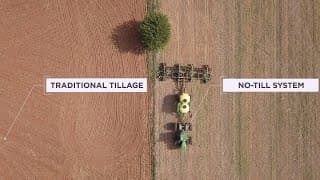
Understanding the central role of microorganisms in climate biology and bioremediation directly informs regenerative soil health practices (10.1038/s41579-019-0222-5, 10.3390/su7022189). When a farmer adds compost, plants cover crops, or reduces tillage, they are not just following a checklist—they are managing microbial communities. They are feeding the bacteria that build soil structure, supporting the fungi that make nutrients available to crops, and creating conditions that favor beneficial organisms over pathogens.
The principles of sustainable ecosystem management provide the framework for implementing these practices effectively (10.2307/2269460). Set explicit goals. Choose practices aligned with those goals. Monitor outcomes. Adapt based on results. This is not a one-size-fits-all prescription but a process that respects local conditions and evolves with experience.
Transitioning to regenerative practices directly addresses the twin crises of climate change and environmental contamination. Building soil organic matter sequesters carbon. Reducing synthetic inputs decreases heavy metal accumulation. Increasing biodiversity creates resilient systems that can withstand climate shocks. The science is clear; the path forward is visible.
Love In Action: Steps Toward Regeneration
Knowledge without action is incomplete. Here are three concrete steps you can take to support regenerative practices and soil health.
Support farmers who are transitioning to regenerative methods. Seek out local producers who use cover cropping, reduced tillage, rotational grazing, and integrated pest management. When you buy their products, you are voting with your wallet for a different kind of agriculture. Ask your grocery store or farmers market where their food comes from and how it was grown. Demand transparency.
Advocate for policies that promote sustainable ecosystem management. Contact your elected representatives and tell them you support funding for agricultural research, conservation programs, and incentives for farmers adopting regenerative practices. Support land trusts and conservation easements that protect farmland from development. Vote for candidates who take climate change and biodiversity seriously.
Engage with local initiatives focused on biodiversity and environmental restoration. Join a community garden. Volunteer with a watershed restoration project. Plant native species in your yard or balcony. Start a compost pile. Every square meter of land managed regeneratively contributes to the larger goal of planetary health.
Conclusion: Cultivating a Regenerative Future
The story of regenerative practices is ultimately a story of relationship. It is about recognizing that we are not separate from the ecosystems that sustain us—we are participants in them. The health of our soil, the diversity of our landscapes, and the stability of our climate are not external concerns; they are the foundations of our own well-being.
The science presented here offers both a diagnosis and a prescription. We have disrupted the biological systems that sustain life on Earth, but we also possess the knowledge to restore them. Microorganisms, plants, and ecosystems have inherent capacities for healing—capacities we can support and amplify through thoughtful management.
A future where regenerative systems lead to thriving environments and communities is not a fantasy. It is a possibility grounded in ecological reality, supported by rigorous science, and achievable through collective action. The soil beneath our feet is alive. It is waiting for us to become better partners in the dance of life.