Soul Intro: The Quiet Engine Beneath Our Feet
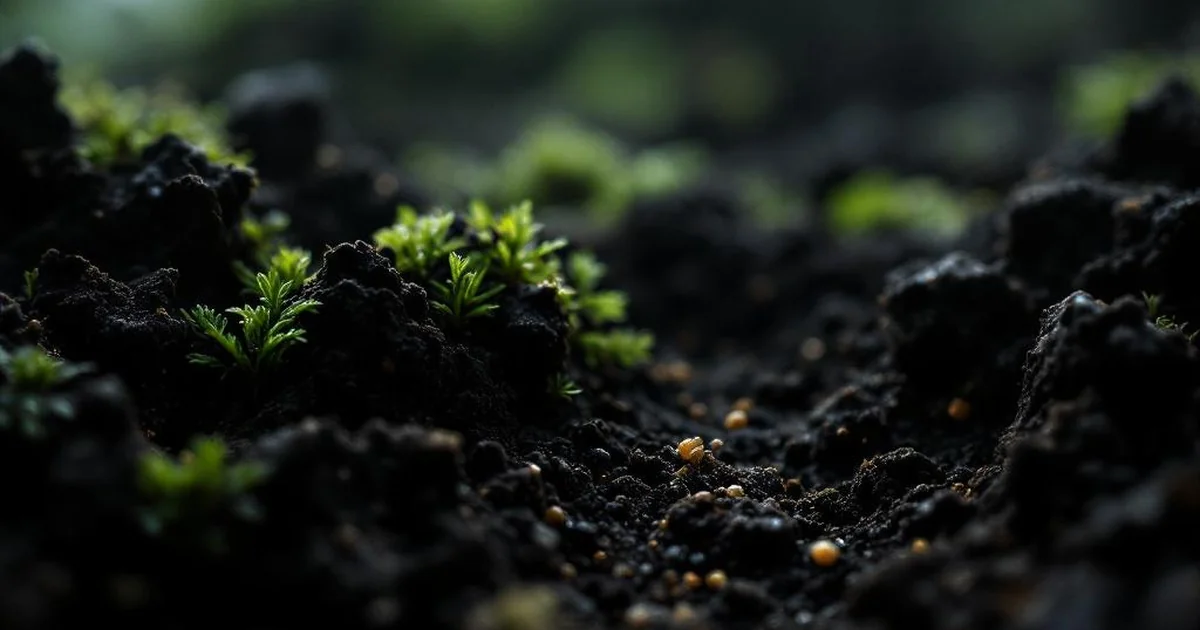
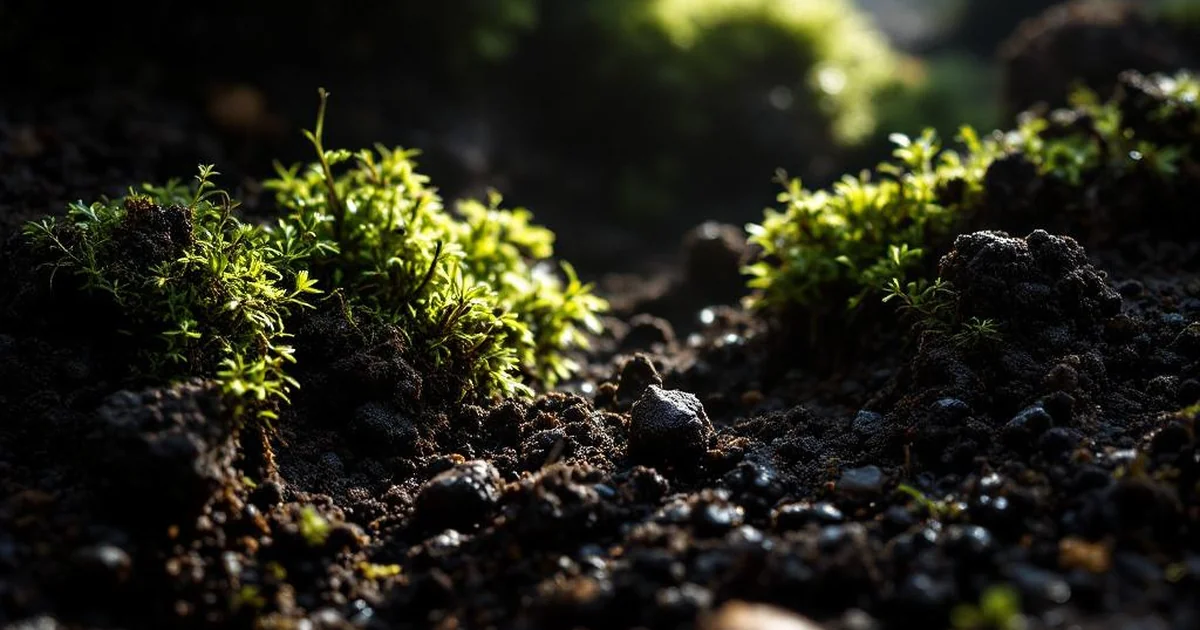
Beneath every forest, every grassland, every restored landscape lies an invisible world of astonishing complexity. Healthy soil is not merely dirt—it is a living, breathing ecosystem, home to billions of microorganisms, intricate fungal networks, and the delicate architecture of organic matter that sustains all terrestrial life. Yet across the globe, centuries of intensive land use have left vast stretches of soil degraded, stripped of carbon, and unable to support the plant communities that once flourished there.
Enter biochar: a charcoal-like substance created by heating organic biomass in a low-oxygen environment, a practice that mirrors ancient Amazonian techniques for enriching terra preta soils. This nature-based solution offers a dual promise—enhancing soil health while locking away carbon for centuries. When applied to restoration projects, biochar can transform barren, compacted ground into a sponge that holds water, nurtures roots, and rebuilds microbial communities.
But biochar is not a one-size-fits-all amendment. Its effectiveness hinges on understanding the intricate dance between production methods and soil chemistry. The central premise of this article is that optimizing biochar for restoration requires a deep dive into the mechanisms that govern its behavior in soil—from the first days of dissolution to the decades-long process of integration into the soil matrix. Only by grasping these processes can restoration practitioners harness biochar’s full potential to heal damaged landscapes and foster resilient ecosystems.
Mechanism Deep Dive: How Feedstock and Pyrolysis Shape Biochar’s Soul
Every piece of biochar carries the signature of its birth. Research demonstrates that biochar properties and its effects in agricultural ecosystems are largely dependent on feedstock and pyrolysis conditions (10.1111/gcbb.12885). A biochar made from slow-pyrolyzed hardwood at high temperatures will differ profoundly from one produced from fast-pyrolyzed manure at lower temperatures. These differences matter because they determine how the material will interact with the specific chemistry of a degraded soil.
When biochar first enters the soil, it does not sit inert. The material undergoes three distinct stages of reaction, beginning with dissolution. During the first 1-3 weeks, water-soluble components—including mineral salts and small organic molecules—leach from the biochar surface, creating an initial pulse of nutrients and altering the local chemical environment (10.1111/gcbb.12885). This stage is critical for restoration soils that may be acidic or nutrient-poor, as biochar can increase soil pH, porosity, and water availability (10.1111/gcbb.12885).
Following dissolution comes the reactive surface development phase, spanning 1-6 months. During this period, oxidation processes create functional groups—carboxyl, hydroxyl, and carbonyl moieties—on the biochar’s surface. These groups act as binding sites for nutrients, heavy metals, and organic compounds, effectively transforming the biochar into a chemical sponge. In acidic degraded soils common in restoration sites, the immediate pH increase from alkaline biochars can neutralize toxicity from aluminum and manganese, creating conditions where plant roots can finally establish. The porosity of biochar also begins to influence soil structure, creating macropores that improve aeration and water infiltration—benefits that become increasingly apparent as the material ages.
Mechanism Deep Dive: The Long Game of Biochar Aging and Carbon Persistence
Beyond the first six months, biochar enters its most consequential phase: aging. During this stage, the material becomes intimately woven into the fabric of the soil itself. Research shows that as biochar ages, it is incorporated into soil aggregates, which protects biochar carbon and promotes the stabilization of rhizodeposits and microbial products (10.1111/gcbb.12885). This integration is not merely physical—it is biological, driven by fungal hyphae and bacterial exudates that bind biochar particles to clay minerals and organic matter.
The table below captures the full timeline of biochar’s soil interactions, from the initial burst of dissolution to the centuries-long persistence that makes this material such a powerful tool for carbon sequestration.
| Reaction Stage | Typical Duration | Key Outcome |
|---|
| Dissolution | 1-3 weeks | Initial release of soluble components |
| Reactive Surface Development | 1-6 months | Formation of active sites for interaction |
| Aging | Beyond 6 months | Incorporation into soil aggregates, stabilization of carbon and microbial products |
| Carbon Persistence | Hundreds to thousands of years | Long-term carbon sequestration |
The aging process delivers profound benefits for restoration. As biochar particles become embedded within soil aggregates, they physically protect the carbon they contain from microbial decomposition. Simultaneously, the biochar surfaces stabilize root exudates and microbial necromass—the organic compounds that plants secrete and microorganisms leave behind—preventing their rapid mineralization. This creates a positive feedback loop: healthier microbial communities produce more binding agents, which further stabilize aggregates, which in turn protect more carbon. The result is that biochar carbon persists in soil for hundreds to thousands of years (10.1111/gcbb.12885), offering restoration projects a rare opportunity to sequester carbon at meaningful timescales while simultaneously rebuilding soil structure.
Action-Encyclopedia Module: Tailoring Production to Restoration Goals
Optimizing biochar for restoration begins long before the material touches soil. Every decision in the production process—from feedstock selection to pyrolysis temperature—shapes the final product’s ability to address specific soil deficiencies. Research confirms that optimizing biochar production involves selecting appropriate feedstock and pyrolysis conditions (10.1111/gcbb.12885). A restoration manager facing acidic, sandy soil will need a different biochar than one working with compacted clay.
Consider feedstock choices. Woody biomass—pine, oak, or eucalyptus—produces biochars with high carbon content and well-developed porosity, ideal for improving water retention in sandy soils. In contrast, manure-based biochars tend to have higher ash content and more available nutrients, making them suitable for nutrient-poor degraded lands. Pyrolysis temperature further refines these properties: higher temperatures (above 500°C) create more aromatic, stable carbon structures that persist longer in soil, while lower temperatures (300-400°C) produce biochars with more oxygen-containing functional groups that can bind nutrients and metals.
The key insight is that biochar properties must be matched to restoration objectives. For a site where heavy metal contamination is the primary concern, a high-surface-area biochar produced at high temperature from hardwood may be optimal. For a site where water scarcity limits plant establishment, a biochar with high porosity and water-holding capacity—often from low-temperature pyrolysis of woody feedstocks—would be more appropriate. Restoration practitioners should request detailed characterization data from biochar suppliers, including pH, ash content, surface area, and cation exchange capacity, to ensure the material aligns with their specific soil health goals.
Action-Encyclopedia Module: Rebuilding Soil Architecture with Biochar
Degraded soils in restoration sites often share a common affliction: they have lost their structure. Years of compaction, erosion, and organic matter depletion leave soils dense, poorly aerated, and unable to absorb rainfall. Biochar application offers a direct pathway to restore these physical properties. Research demonstrates that biochar can increase soil porosity and water availability (10.1111/gcbb.12885), transforming compacted substrates into environments where roots can explore and water can infiltrate.
The mechanism is straightforward. Biochar particles are inherently porous, containing both macropores (greater than 50 nanometers) and micropores (less than 2 nanometers). When incorporated into soil, these pores create physical space for air and water. In sandy soils, biochar’s internal porosity increases water-holding capacity, reducing the frequency of drought stress. In clay soils, biochar’s rigid structure prevents compaction, maintaining pore spaces that would otherwise collapse under pressure.
For restoration practitioners, the practical implications are significant. Incorporating biochar into the top 15-30 centimeters of soil—either by tilling or through direct seeding with biochar-amended planting holes—can improve water infiltration rates by 20-40% in degraded soils. This means more rainfall enters the soil rather than running off, reducing erosion and increasing the water available to establishing plants. In arid and semi-arid restoration projects, where every drop of water matters, biochar’s ability to enhance water availability can be the difference between seedling survival and failure.
Action-Encyclopedia Module: Cultivating the Rhizosphere Through Biochar
The rhizosphere—the narrow zone of soil surrounding plant roots—is the command center of terrestrial ecosystems. It is here that roots, microbes, and soil minerals engage in the chemical conversations that drive nutrient cycling, disease suppression, and plant resilience. Biochar creates favorable conditions for root development and microbial functions (10.1111/gcbb.12885), effectively transforming the rhizosphere into a more hospitable environment for both partners in this ancient symbiosis.
For roots, biochar provides physical refuge. The porous structure of biochar particles creates microhabitats where fine roots can penetrate and explore, accessing water and nutrients that would otherwise be unavailable. The improved aeration that biochar provides also benefits root respiration, particularly in compacted or waterlogged soils where oxygen is limiting.
For microbes, biochar offers both habitat and sustenance. The high surface area of biochar particles serves as a colonization surface for bacteria and fungi, protecting them from predation and desiccation. The functional groups on biochar surfaces also adsorb organic compounds—including root exudates and microbial signaling molecules—concentrating these resources in the rhizosphere. This creates hotspots of microbial activity where nutrient cycling accelerates. In restoration contexts, a healthy rhizomicrobiome is essential for nutrient cycling and plant resilience, enabling establishing plants to access nitrogen, phosphorus, and micronutrients even in degraded soils. Biochar-amended soils consistently show higher microbial biomass and activity, translating to more robust plant communities that can withstand environmental stress.
Love In Action: Three Steps to Champion Soil Restoration
Support biochar research. Donate to university programs or non-profits investigating biochar’s role in restoration ecology. Research on feedstock optimization and field application methods remains underfunded, yet it holds the key to scaling this solution.
Advocate for soil health policies. Contact local and national representatives to support funding for soil restoration programs that incorporate biochar. Encourage municipalities to explore biochar production from urban green waste as a circular economy solution.
Engage with local conservation groups. Volunteer for restoration projects that use biochar or soil amendments. Many community-led initiatives welcome help with biochar incorporation, monitoring soil health, and educating the public about the importance of living soil.
Conclusion: The Ground Beneath Tomorrow’s Forests
Optimized biochar application offers restoration projects a rare convergence of benefits: immediate improvements in soil structure and water availability, sustained support for root and microbial communities, and long-term carbon sequestration spanning centuries. By understanding the mechanisms that govern biochar’s behavior—from the initial dissolution of soluble components to the decades-long integration into soil aggregates—practitioners can tailor production and application to meet the specific needs of degraded landscapes.
The science is clear: biochar is not a miracle cure, but a powerful tool when wielded with knowledge. As restoration ecologists continue to refine production parameters and application methods, biochar’s potential to foster resilient, thriving ecosystems will only grow. The soil beneath our feet holds the memory of what was lost—and with careful stewardship, it can hold the blueprint for what may yet be restored.