Soul Intro: The Hidden World Beneath Our Feet
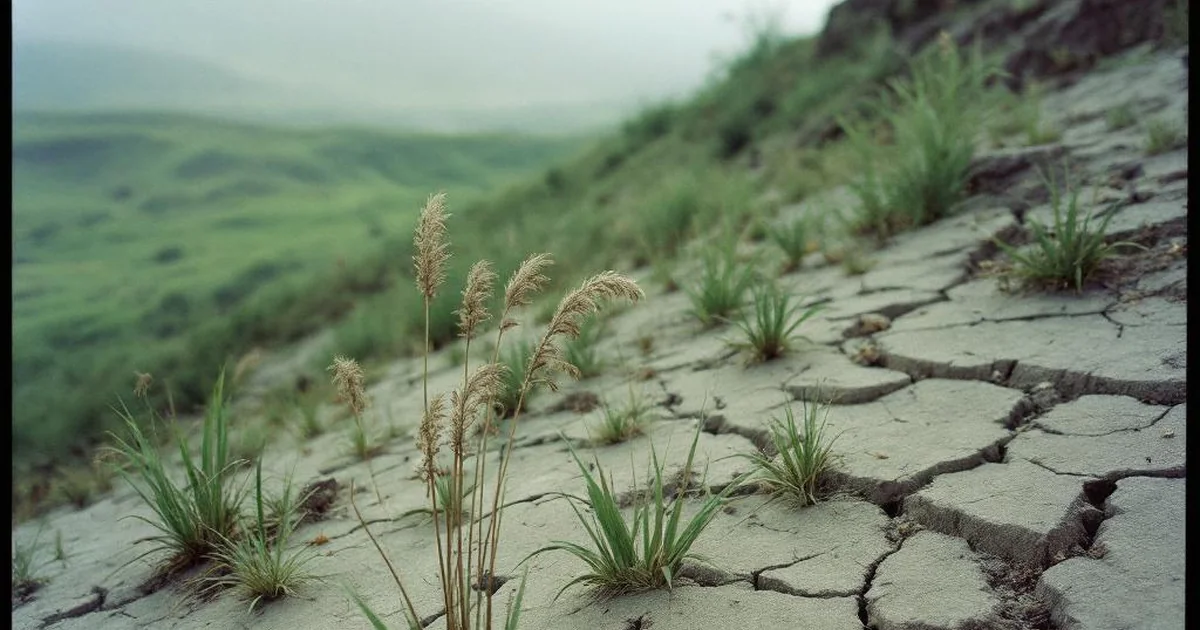
Picture a barren field. The topsoil is cracked, pale, and lifeless. Rain runs off rather than soaking in. Nothing green dares to grow. This is the legacy of decades of unsustainable farming and land clearing — a silent crisis unfolding across continents. But beneath that desolate surface, an invisible revolution is waiting to ignite.
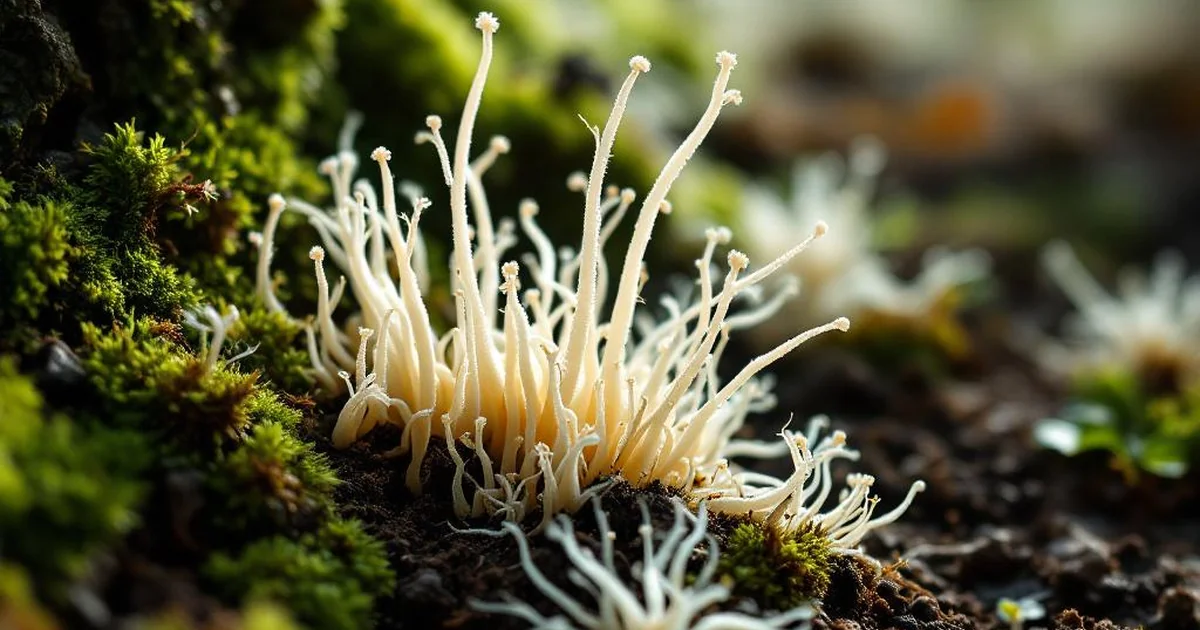
The soil is not just dirt. It is a living universe, and at its heart lies a network of fungi so ancient and so vital that scientists now consider them the architects of terrestrial life. Mycorrhizal fungi — from the Greek words for "fungus" and "root" — form symbiotic partnerships with over 80% of land plants. These thread-like organisms extend far beyond plant roots, mining nutrients and water from soil particles that roots cannot reach alone. In exchange, plants feed them sugars produced through photosynthesis.
This relationship is not merely cooperative — it is foundational. Research has established that arbuscular mycorrhizae (AMF) are crucial for soil quality, influencing host plant physiology, soil ecological interactions, and maintaining soil structure (10.4141/s04-003). When we restore degraded lands, we are not just planting seeds above ground. We are rebuilding a civilization underground — a civilization of fungi that determines whether restoration succeeds or fails.
This article explores the evidence-based impact of mycorrhizal fungi on nutrient cycling and water uptake in restored lands, revealing how these microscopic allies hold the key to healing our planet's wounded ecosystems.
Mechanism Deep Dive: How Fungi Build Living Soil
The secret to a healthy soil lies not in its mineral composition but in its architecture. And the chief architect is the arbuscular mycorrhizal fungus. These fungi produce a sticky, resilient glycoprotein called glomalin-related soil protein (GRSP), which acts as biological glue binding soil particles into stable aggregates. Research demonstrates a positive correlation between GRSP concentrations and aggregate water stability in soil (10.4141/s04-003). This is not a minor detail — it is the difference between soil that washes away in the first rain and soil that holds moisture like a sponge.
When soil aggregates form, they create pores of varying sizes. These pores serve dual purposes: they allow water to infiltrate and be retained, and they provide channels for air and root growth. The mycorrhizal network itself — a web of hyphae that can stretch for kilometers in a single handful of soil — physically enmeshes soil particles, further stabilizing structure. This improved structure directly enhances the soil's capacity to retain water and nutrients.
Central to this process is soil organic matter (SOM). SOM is vital for global terrestrial productivity, retaining water and soil nutrients, and storing more global carbon than plants and the atmosphere combined (10.1146/annurev-ecolsys-112414-054234). Mycorrhizal fungi contribute to SOM in two critical ways. First, their extensive hyphal networks die and decompose, adding organic matter. Second, and perhaps more importantly, they facilitate the transfer of plant-derived carbon into the soil. Root inputs are approximately five times more likely than an equivalent mass of aboveground litter to be stabilized as SOM (10.1146/annurev-ecolsys-112414-054234). This means that the carbon plants send underground to feed their fungal partners has a far greater chance of becoming long-term soil carbon than leaves that fall to the surface.
The physical mechanism of water uptake is equally elegant. Mycorrhizal hyphae are thinner than plant root hairs — typically 2 to 5 micrometers in diameter compared to 10 to 20 micrometers for roots. This allows them to explore micropores in soil that roots cannot access. The hyphae absorb water and transport it directly to the plant root, effectively extending the plant's reach into the soil matrix. In dry conditions, this fungal pipeline can mean the difference between survival and death for a young seedling in a restoration project.
Mycorrhizal Networks: Engineering Water Uptake in Restored Ecosystems
Mycorrhizal fungi fundamentally reshape how restored soils capture and deliver water to plants—a mechanism that determines whether degraded lands can support thriving ecosystems or remain brittle and vulnerable. When fungal hyphae colonize plant roots, they extend the effective root system by orders of magnitude, creating microscopic highways that penetrate soil pores too small for roots alone to access. This expanded network doesn't just increase contact with water; it changes how water moves through soil itself.
The hyphal networks produced by arbuscular mycorrhizal (AM) fungi secrete glomalin, a sticky protein that binds soil particles into water-stable aggregates. Research by Wright and Upadhyaya (1998) demonstrated that glomalin-bound soil can retain up to 27% more water than uncolonized soil—a critical difference in water-stressed restoration sites. These aggregates create pathways that hold water at the plant's disposal while preventing destructive runoff that would otherwise carry away topsoil and nutrients you've worked to establish.
The uptake advantage extends beyond mere volume. Mycorrhizal plants access water that non-mycorrhizal plants cannot reach—water held in smaller pores at higher tensions. During drought stress, when restored lands face their greatest vulnerability, mycorrhizal associations maintain physiological function by delivering this inaccessible water fraction. This explains why mycorrhizal-inoculated restoration projects in arid regions show survival rates 40–60% higher than uninoculated controls.
This water-delivery mechanism directly connects to nutrient cycling and stress resilience discussed elsewhere in this analysis. Efficient water uptake reduces the osmotic stress that impairs nutrient absorption, while the expanded hyphal network simultaneously mobilizes phosphorus and other nutrients from soil reserves. A restored landscape with active mycorrhizal networks becomes hydrologically intelligent—capturing water efficiently, holding it where plants need it, and releasing it responsibly during heavy rains.
Understanding how mycorrhizal fungi engineer water uptake transforms restoration from a guessing game into precision work grounded in soil biology.
Mechanism Deep Dive: Nutrient Cycling and Stress Mitigation
If water is the medium of life, phosphorus is the currency. Phosphorus is essential for energy transfer, DNA synthesis, and cell membrane formation, yet it is notoriously immobile in soil. Plant roots can only access phosphorus within a few millimeters of their surface. Mycorrhizal fungi solve this problem by extending the root system's effective volume by orders of magnitude. The fungal hyphae secrete enzymes that liberate phosphorus from organic matter and mineral surfaces, then transport it back to the plant.
This is just one example of a broader phenomenon: plant-microbe interactions that modulate intrinsic mechanisms in plants to provide defense under adverse environmental conditions (10.3389/fpls.2017.00172). Mycorrhizal fungi do not simply deliver nutrients; they fundamentally alter how plants respond to stress. When a plant is connected to a mycorrhizal network, its root system becomes more efficient at scavenging not only phosphorus but also nitrogen, zinc, copper, and other micronutrients. The fungi produce enzymes and organic acids that dissolve mineral-bound nutrients, making them bioavailable.
Beyond nutrient acquisition, microorganisms possess extensive metabolic capabilities to mitigate abiotic stresses in plants (10.3389/fpls.2017.00172). Mycorrhizal fungi can help plants tolerate drought by improving water relations, salinity by excluding sodium ions, and heavy metal toxicity by binding metals in fungal tissues. They produce hormones like auxins and cytokinins that stimulate root growth and enhance plant vigor. They also trigger systemic resistance pathways, priming the plant's immune system to respond more rapidly to pathogen attacks.
This is why soil biology is a critical component of sustainable and resilient soil management, addressing issues like ecosystem services and climate change (10.1017/9781316809785). In a restored landscape, the presence of a healthy mycorrhizal community can mean the difference between a plantation that struggles for decades and a self-sustaining ecosystem that thrives. The fungi do not just feed plants; they create a buffer against the environmental shocks that are inevitable in degraded lands — erratic rainfall, nutrient deficiencies, and soil toxicity.
The role of SOM in nutrient retention cannot be overstated. SOM acts as a reservoir for nutrients, slowly releasing them through microbial decomposition. Mycorrhizal fungi are key players in this process, as they can access organic nutrient pools that are otherwise unavailable to plants. They effectively shortcut the nutrient cycle, channeling nitrogen and phosphorus from decomposing organic matter directly into living plants. This closed-loop system is what makes natural ecosystems so resilient and productive without synthetic fertilizers.
Action-Encyclopedia Module: Practical Strategies for Restoring Soil Carbon
Soil carbon stocks have been widely lost or degraded due to land use changes and unsustainable forest and agricultural practices (10.1146/annurev-ecolsys-112414-054234). The good news is that we can reverse this damage. Restoring and maintaining SOM requires a better understanding of soil organic carbon (SOC) saturation capacity and the retention of above- and belowground inputs (10.1146/annurev-ecolsys-112414-054234). The data is clear about where to focus our efforts:
| Input Type | Relative Likelihood of Stabilization as SOM |
|---|
| Root Inputs | 5x higher than aboveground litter |
| Aboveground Litter | 1x (baseline) |
This table reveals a powerful insight: root inputs are five times more likely to become stable soil organic matter than aboveground litter. For restoration practitioners, this means the priority should be establishing deep-rooted, perennial plant communities that support robust mycorrhizal networks. Grasses, forbs, and trees with extensive root systems are not just planting choices — they are carbon sequestration strategies.
Minimize soil disturbance. Tillage and heavy machinery break hyphal networks and destroy soil aggregates. In restoration projects, use no-till methods where possible, and avoid compaction by limiting vehicle traffic. Healthy mycorrhizal networks can extend for meters, and breaking them sets back restoration by years.
Promote diverse plant communities. Different plant species host different mycorrhizal fungi. A monoculture supports only a subset of fungal species. Diverse plantings create a robust fungal community that can better withstand stress and provide more ecosystem services. Include native grasses, forbs, and woody species that form mycorrhizal associations.
Incorporate organic matter. Adding compost, mulch, or cover crops provides food for fungi and building blocks for SOM. But remember: the most efficient pathway to stable SOM is through roots. Focus on keeping living roots in the ground year-round through cover cropping or perennial plantings.
Sustainable soil management practices are essential for maintaining and restoring SOM and overall soil biology (10.1017/9781316809785). This is not just about carbon — it is about rebuilding the entire soil food web that supports life above ground.
Action-Encyclopedia Module: Using Microbial Inoculants in Restoration
In severely degraded soils, the native mycorrhizal community may be absent or depleted. This is where microbial inoculants come in. Microbial inoculants are a category of plant biostimulants that enhance plant growth (10.1007/s11104-014-2131-8). These products contain beneficial microorganisms — often including mycorrhizal fungi, rhizobacteria, and other plant-growth-promoting microbes — that can be applied to seeds, seedlings, or directly to soil.
Choose high-quality inoculants. Not all products are equal. Look for inoculants that contain viable, native strains of mycorrhizal fungi adapted to your region and soil type. Commercial products should specify the species and spore count. Research shows that inoculation with appropriate AMF strains can significantly improve plant establishment in degraded soils.
Apply at the right time. Inoculants are most effective when applied during seeding or transplanting. The fungi need to colonize the root system early to provide benefits. For tree seedlings, dipping roots in a mycorrhizal slurry before planting is a proven technique.
Support with appropriate management. Inoculants are not a magic bullet. They work best when combined with good soil management — reduced tillage, organic amendments, and diverse plantings. The goal is to establish a self-sustaining fungal community that can persist without repeated applications.
The use of microbial inoculants connects directly to their ability to mediate abiotic stresses and improve plant-microbe interactions, thereby boosting plant health and productivity (10.3389/fpls.2017.00172). In saline soils, for example, mycorrhizal inoculants can help plants exclude sodium and maintain potassium uptake. In phosphorus-deficient soils, they unlock bound phosphorus. In drought-prone areas, they improve water relations.
It is worth acknowledging that the field of biostimulants has historically faced skepticism. There has been a perception of lacking peer-reviewed evaluation, despite growing evidence (10.1007/s11104-014-2131-8). However, the scientific literature now contains robust studies demonstrating the efficacy of well-characterized microbial inoculants. The key is to use products backed by transparent research and to integrate them into a broader restoration strategy.
Love In Action: Steps to Support Soil Health
Support local conservation efforts. Join or donate to organizations that practice regenerative restoration — projects that prioritize soil biology alongside aboveground planting. Many community groups focus on rebuilding native plant communities that support diverse mycorrhizal networks. Volunteer for tree-planting events that use mycorrhizal inoculation techniques.
Choose sustainably grown produce. Food grown using regenerative agriculture practices — no-till, cover cropping, diverse rotations — supports healthy soil fungi. Look for labels like "regenerative organic" or buy directly from farmers who prioritize soil health. Every dollar spent on regeneratively grown food is a vote for the underground network.
Compost organic waste and plant native species. Compost is food for soil fungi. By composting kitchen scraps and yard waste, you create a resource that can be applied to gardens and restoration sites. When planting, choose native species that have co-evolved with local mycorrhizal fungi. Non-native plants may not form effective partnerships, leaving the soil network underutilized.
These actions are expressions of love for planetary health — love for the intricate biological connections beneath our feet that sustain all life. The mycorrhizal network is a reminder that we are part of a larger whole, and that caring for the invisible world is caring for ourselves.
Conclusion: The Future of Restoration
Mycorrhizal fungi are not merely helpful — they are essential. They build soil structure, cycle nutrients, buffer plants against stress, and store carbon in forms that persist for decades. Understanding and leveraging these microbial partnerships offers one of the most promising pathways for successful land restoration in an era of climate change and biodiversity loss.
The future of restoration lies not in brute-force engineering but in ecological intelligence — working with biological processes rather than against them. When we restore the fungal network, we restore the foundation upon which all terrestrial life depends. The soil beneath a thriving forest or prairie is not just dirt; it is a living, breathing community of trillions of organisms working in concert.
Imagine a world where degraded lands are not abandoned but regenerated — where barren fields become carbon sinks, where eroded slopes hold water, where biodiversity returns. This is not a fantasy. It is the promise of the underground network, waiting to be activated by our understanding and care. The fungi are ready. Are we?