Soul Intro: The Soil Beneath Our Feet
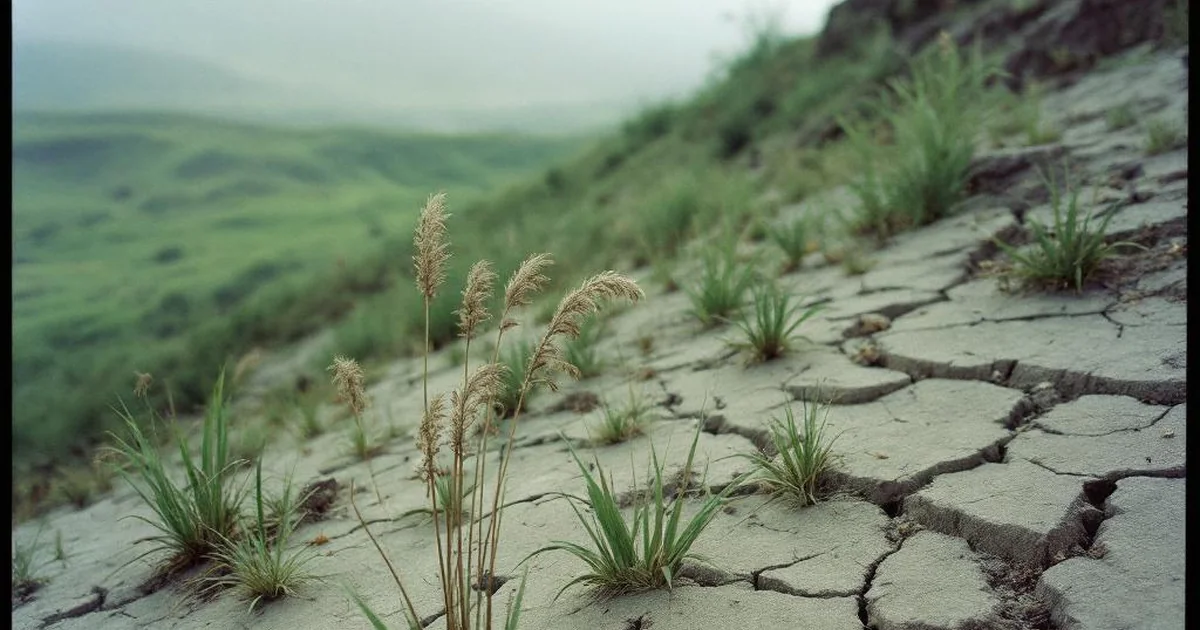
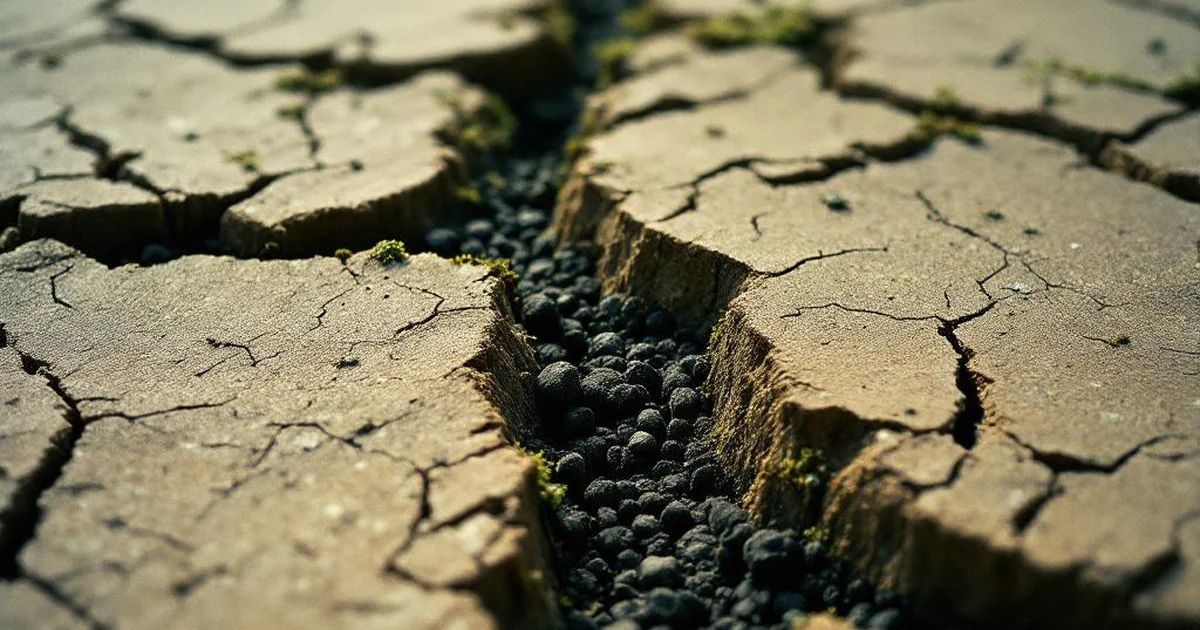
Picture a hillside in the Loess Plateau of northern China, where decades of intensive farming and deforestation have stripped the earth bare. The soil, once dark and crumbly, now lies cracked and pale, its organic matter long oxidized and washed away by summer rains. When the monsoon arrives, water sheets across the surface, carving gullies deep enough to swallow a tractor tire. Nothing grows here but sparse, bitter grasses. This scene repeats across an estimated 2 billion hectares of degraded land worldwide—an area larger than South America.
But there is something that can begin to reverse this damage. Something made not in a laboratory, but from the very plants that once thrived on that hillside. Biochar—charcoal produced by heating organic material in the absence of oxygen—has emerged as one of the most promising tools in the restoration ecologist’s kit. Its potential spans agronomy, environmental remediation, and climate change mitigation, making it a versatile material with applications across multiple sectors (10.1007/s10311-022-01424-x).
Soil is not merely dirt. It is a living system, a membrane between geology and biology that filters water, cycles nutrients, and stores more carbon than all the world’s forests and atmosphere combined. When we degrade soil, we break this membrane. When we restore it, we heal not just the land, but the planetary systems that depend on it. Biochar offers a way to do this—not by replacing what was lost, but by rebuilding the soil’s fundamental capacity to hold life.
Mechanism Deep Dive: How Biochar’s Surface Chemistry Captures Contaminants
To understand why biochar works, you must look at it under a microscope. A single gram of biochar can have a surface area larger than a tennis court. This is not a metaphor—the porous structure of biochar, created when volatile compounds boil off during pyrolysis, leaves behind a labyrinth of tiny chambers and channels. These surfaces are studded with functional groups: carboxyl, hydroxyl, and phenolic moieties that act like molecular magnets.
When biochar is added to contaminated soil, these surfaces begin to work immediately. Potentially toxic elements (PTEs) such as lead, cadmium, and arsenic, which would otherwise leach into groundwater or be taken up by plants, become bound to the biochar particles. The mechanism is complex, involving electrostatic attraction, ion exchange, surface complexation, and precipitation. Biochar’s promising surface properties make it particularly effective at immobilizing these contaminants (10.1016/j.envint.2019.105046). The result is that PTEs remain in the soil but are no longer bioavailable—they cannot enter the food chain or the water supply.
This immobilization is not a cure. The contaminants are still present, and biochar does not destroy them. But by reducing their mobility and bioavailability, it dramatically lowers the adverse environmental impacts of soil contamination (10.1016/j.envint.2019.105046). For ecosystems recovering from industrial pollution, mining waste, or agricultural overuse, this is transformative. Plants can once again send roots into the soil without absorbing toxins. Microbes can establish communities that cycle nutrients. Earthworms can burrow without accumulating heavy metals in their tissues.
Key Applications and Benefits of Biochar in Environmental Contexts
| Application Sector | Primary Role | Observed Benefit |
|---|
| Agronomy | Nutrient carrier in fertilizers | Enhanced nutrient availability |
| Environmental Remediation | Immobilization of potentially toxic elements (PTEs) | Reduced adverse environmental impacts |
| Soils (general) | Carbon sink | Carbon sequestration |
The table above captures biochar’s three primary roles in environmental contexts, but the remediation application deserves particular attention. In contaminated sites, biochar acts as a sponge for pollutants, but it also physically improves soil structure. Its porous nature increases aeration and provides habitat for beneficial microorganisms. These microbes, in turn, can further break down organic pollutants and cycle nutrients, creating a positive feedback loop that accelerates ecosystem recovery.
Mechanism Deep Dive: Biochar as a Nutrient Vessel and Carbon Bank
Consider a typical biochar-based fertilizer. The biochar particles are loaded with nitrogen, phosphorus, and potassium—either through co-pyrolysis with nutrient-rich feedstocks or by post-production impregnation. When applied to soil, these nutrients do not simply wash away with the first rain. Because they are adsorbed onto the biochar’s surface, they release slowly, matching the uptake patterns of growing plants. This is the essence of biochar’s role as a nutrient carrier in biochar-based fertilizers, enhancing nutrient availability in agronomy (10.1007/s10311-022-01424-x).
The implications for restored ecosystems are profound. Degraded soils are typically nutrient-poor—the organic matter that once held nitrogen and phosphorus has been lost to erosion and oxidation. Conventional fertilizers can replenish these nutrients temporarily, but much of the applied material leaches into waterways, causing algal blooms and dead zones. Biochar-based fertilizers solve both problems simultaneously: they deliver nutrients where they are needed and prevent them from escaping.
But biochar’s most extraordinary contribution may be invisible. When biochar is stored in soils, it acts as a carbon sink, locking away carbon that would otherwise exist as atmospheric carbon dioxide (10.1007/s10311-022-01424-x). The carbon in biochar is highly stable—it can persist for hundreds to thousands of years. This is because the pyrolysis process converts plant biomass into a form of carbon that is resistant to microbial decomposition. Every ton of biochar applied to soil represents roughly 2.5 tons of CO₂ that will not enter the atmosphere for centuries.
This dual function—nutrient delivery and carbon storage—makes biochar a uniquely powerful tool for ecosystem restoration. It addresses two of the most pressing environmental challenges of our time: soil degradation and climate change. And because biochar can be produced from agricultural waste, forestry residues, and even invasive plant species, it creates a circular economy where waste becomes a resource. The versatility of biochar as a material with applications in various sectors is one of its greatest strengths (10.1007/s10311-022-01424-x).
Action-Encyclopedia Module: Remediating Contaminated Soils with Biochar
For land managers facing contaminated soils, the first step is understanding the specific contaminants present. Biochar is not a universal solution—its effectiveness depends on matching the biochar’s properties to the particular PTEs in the soil. A biochar produced from hardwood at high temperatures, for example, will have different surface chemistry than one made from grass at lower temperatures. The choice of feedstock and pyrolysis conditions must be tailored to the site.
Once the appropriate biochar is selected, application rates typically range from 5 to 50 tons per hectare, depending on contamination levels and soil type. Incorporate biochar into the top 15–30 centimeters of soil using conventional tillage equipment. For maximum efficiency, combine biochar with other amendments such as compost, lime, or clay minerals. Integrated application with appropriate amendments is recommended for maximizing the efficiency of remediation (10.1016/j.envint.2019.105046).
Monitor soil and water quality regularly after application. Biochar’s effects are not instantaneous—the immobilization of PTEs can take weeks to months to reach equilibrium. During this period, test for reductions in bioavailable metal concentrations and improvements in plant growth. The goal is not to eliminate contaminants from the soil, but to reduce their adverse environmental impacts to levels that allow ecosystem recovery (10.1016/j.envint.2019.105046).
In practice, biochar remediation has been successfully applied at former mining sites, industrial brownfields, and agricultural lands contaminated by decades of pesticide use. In each case, the results are similar: reduced metal uptake in crops, improved water quality in nearby streams, and the gradual return of native plant and animal communities.
Action-Encyclopedia Module: Building Sustainable Agriculture with Biochar Fertilizers
For farmers and restoration practitioners working in agricultural contexts, biochar-based fertilizers offer a path to productivity that does not sacrifice long-term soil health. Begin by sourcing biochar from a reputable producer who can provide specifications for nutrient content, pH, and particle size. Look for biochar certified by the European Biochar Certificate or similar standards.
Apply biochar-based fertilizers at the same time as planting or transplanting. The slow-release nature of these fertilizers means that a single application can support crops throughout an entire growing season, reducing the need for synthetic fertilizer applications. This not only saves money but also prevents the nitrogen runoff that causes algal blooms in rivers and lakes.
The broader vision here is a circular economy. Biochar can be produced from agricultural residues—corn stalks, rice husks, nut shells—that would otherwise be burned or left to decompose, releasing their carbon to the atmosphere. By converting these wastes into biochar, farmers close the nutrient loop and create a value-added product. The versatility of biochar as a recycled material supports this circular approach (10.1007/s10311-022-01424-x).
Over time, repeated biochar applications build soil organic matter, improve water-holding capacity, and create a reservoir of stable carbon. These benefits compound year after year, transforming degraded agricultural soils into productive, resilient ecosystems. The long-term benefits for soil health and carbon sequestration in restored ecosystems are substantial (10.1007/s10311-022-01424-x).
Love In Action: How You Can Support Soil Restoration
Support local biochar initiatives. Many communities have organizations that produce biochar from urban green waste or invasive species. Volunteer at a biochar production day, or donate to a nonprofit that distributes biochar to small-scale farmers. Your time and resources can help scale this technology where it is needed most.
Reduce food waste. Approximately one-third of all food produced globally is lost or wasted. When food waste ends up in landfills, it decomposes anaerobically, producing methane—a greenhouse gas 28 times more potent than CO₂. Composting and using that compost in conjunction with biochar creates a powerful soil-building combination.
Advocate for policies that support soil health. Contact your elected representatives and ask them to fund research on biochar and other regenerative soil practices. Support legislation that incentivizes carbon sequestration in agricultural soils. Soil restoration is not just a scientific challenge—it is a political and economic one, and your voice matters.
Every action you take to support healthy soil ripples outward. The carbon you help sequester, the nutrients you help retain, the water you help filter—these are acts of love for the planet and for all the beings who depend on it.
Conclusion: The Quiet Revolution Beneath Our Feet
Biochar is not a silver bullet. It cannot single-handedly reverse climate change or restore every degraded ecosystem on Earth. But it is a powerful tool in a much larger toolkit—one that includes compost, cover crops, reduced tillage, and integrated pest management. What makes biochar special is its versatility: it enhances nutrient availability, immobilizes contaminants, and sequesters carbon, all in a single application.
The science is clear. Biochar acts as a nutrient carrier in fertilizers, improving agronomic outcomes (10.1007/s10311-022-01424-x). It immobilizes potentially toxic elements in contaminated soils, reducing their environmental impact (10.1016/j.envint.2019.105046). And when stored in soils, it locks away carbon for centuries (10.1007/s10311-022-01424-x).
Imagine a future where every degraded hillside has been restored, where every contaminated industrial site has been remediated, where every farm field is building carbon instead of losing it. This future is possible. It begins with a single application of biochar, and it grows from there—one root, one microbe, one thriving ecosystem at a time.