Soul Intro: The Forest That Feeds
Walk beneath the canopy of a mature food forest, and your senses will struggle to keep pace. Sunlight filters through layers of foliage—tall pecan trees rise above persimmon and pawpaw, beneath them grow serviceberry and hazelnut, and at ground level, sprawling squash vines weave through stands of comfrey and culinary herbs. The air hums with the activity of bees and birds. This is not a wild forest, nor is it a farm in any conventional sense. It is something older and more intelligent: a designed ecosystem that produces food while building soil, capturing water, and sheltering wildlife.
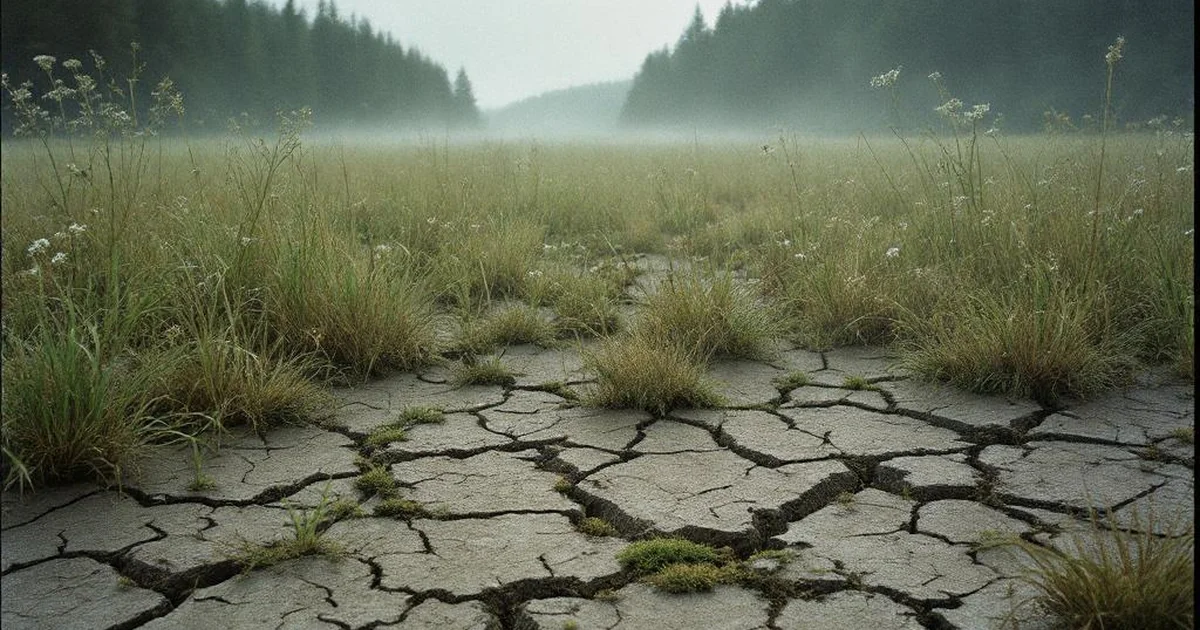
This abundance stands in stark contrast to the landscapes that dominate modern agriculture. Drive through the American Midwest, the Brazilian cerrado, or the wheat belts of Australia, and you will see mile after mile of single crops—corn, soy, wheat—stretching to the horizon. These monocultures are marvels of industrial efficiency, but they are also ecologically brittle. A single pest or pathogen can race through thousands of acres. A drought or flood can wipe out an entire season's yield. The soil beneath them, exposed and depleted, washes away or loses its carbon.
The central premise of this article is that transitioning from monoculture to food forests offers a path to genuine ecological abundance and resilience. It is not a nostalgic return to some pre-industrial past, but a forward-looking synthesis of ecological science, traditional knowledge, and careful design. The evidence is mounting that diversified, multi-story food-producing systems can restore degraded land, sequester carbon, support biodiversity, and feed communities—all at once.
Mechanism Deep Dive: The Hidden Fragility of Monocultures
To understand why food forests work, we must first understand what is broken about monocultures. The vulnerability is built into their very structure. When a single crop variety is planted across vast areas, it creates a uniform resource base that specialist pests and pathogens can exploit with devastating efficiency. Research demonstrates that crop diversification is one of the most cost-effective strategies for suppressing pest outbreaks and dampening pathogen transmission (10.1525/bio.2011.61.3.4). In a monoculture, a single fungus or insect can move from plant to plant without encountering resistance, and the lack of genetic and species diversity means there is no ecological brake on the outbreak.
The same principle applies to climate variability. Monocultures are poorly buffered against extreme weather events. A single hailstorm can flatten an entire field of wheat; a prolonged drought can desiccate a soybean crop across hundreds of square miles. But when multiple species with different root depths, canopy structures, and phenological patterns are intercropped, the system as a whole becomes more resilient. Some species will thrive in wet years, others in dry ones. The diversity itself acts as an insurance policy.
Modern industrial agriculture is not just ecologically fragile—it is also structurally dependent on external inputs. Synthetic fertilizers, pesticides, and irrigation prop up yields in systems that would otherwise collapse under pest pressure or nutrient depletion. Diversified farming systems (DFS) represent a fundamentally different approach, one rooted in agroecological principles rather than industrial chemistry (10.5751/es-05103-170444). Instead of fighting nature with toxins and fertilizers, DFS work with ecological processes: nutrient cycling, natural pest regulation, and symbiotic relationships between plants and soil microbes. The result is not just greater stability, but reduced reliance on fossil fuels and synthetic inputs.
The contrast could not be starker. Monoculture is a system designed for maximum short-term extraction, and its fragility is the price of that design. Diversified systems, by contrast, build resilience through complexity.
The Transition Blueprint: Moving From Monoculture's Limits to Abundance
Monocultures strip land of its generative capacity—a measurable ecological cost that food forests directly reverse. When a single crop dominates, soil biology collapses: research by Thiele-Bruhn et al. (2012) found that microbial diversity in monoculture soils drops by up to 90% compared to mixed-species systems, crippling nutrient cycling and water retention. The transition from this brittle system to food forest abundance isn't gradual erosion—it's an ecological phase shift driven by specific mechanisms of recovery.
The key to transitioning land lies in understanding what monocultures remove and what food forests restore simultaneously. Monocultures require external inputs (fertilizers, pesticides, tillage) that actively prevent the soil food web from rebuilding itself. Food forests, by contrast, create the conditions for that web to reassemble—mycorrhizal fungi reestablish within 18–24 months of introducing diverse perennial plants, fungal networks then facilitate nutrient transfer between species, and soil carbon begins accumulating. This isn't replacing one system with another; it's unlocking regeneration that was always waiting beneath the damage.
The abundance emerges from redundancy rather than simplification. Where monocultures produce one commodity, food forests produce dozens of yields—fruits, nuts, nitrogen-fixing biomass, animal habitat, water infiltration, carbon storage. Research on tropical agroforestry systems shows that well-designed polycultures yield 2–4 times the caloric output per hectare of monocultures while building soil carbon at 0.5–1 ton per hectare annually.
Transitioning land doesn't mean abandoning productivity during the changeover. The most successful transitions integrate perennial food species gradually into existing parcels, using the establishment phase to build soil biology while maintaining interim harvests. This pragmatic approach transforms a false choice—production versus restoration—into a single regenerative process.
The articles ahead show exactly how to design this transition: which species to layer in first, how to structure the land spatially, and what carbon and biodiversity gains to expect within your first five to ten years.
Mechanism Deep Dive: The Living Architecture of Food Forests
A food forest is not a random collection of edible plants. It is a deliberately designed agroecosystem that mimics the structure and function of a natural forest. The key insight is that natural forests are extraordinarily productive and stable because they capture resources across multiple dimensions: sunlight is intercepted at different heights, water is held in the canopy and leaf litter, and nutrients cycle through a complex web of roots, fungi, and decomposers. Food forests replicate these dynamics with species chosen for human benefit.
This approach aligns directly with the principles of diversified farming systems, which are defined as agroecological, systems-based alternatives to industrial agriculture (10.5751/es-05103-170444). In a food forest, the "crop" is not a single species but the entire assemblage. Nitrogen-fixing trees enrich the soil for fruit-bearing neighbors. Deep-rooted perennials bring minerals from the subsoil to the surface. Flowering understory plants attract pollinators and beneficial insects that control pests. The resilience that comes from this diversity is not incidental—it is the direct result of ecological processes that suppress pest outbreaks, dampen pathogen transmission, and buffer production against climate variability (10.1525/bio.2011.61.3.4).
It is important to distinguish intentional food forest design from uncontrolled woody plant encroachment (WPE), which has increased globally in grasslands and savannas due to interacting factors including precipitation changes, altered fire regimes, and grazing pressure (10.1007/978-3-319-46709-2_2). Woody encroachment can reduce grassland biodiversity and alter ecosystem function. Food forests, by contrast, are managed systems where human stewardship maintains the desired balance between woody and herbaceous layers, prevents the dominance of any single species, and ensures ongoing productivity. The goal is not to convert every landscape into forest, but to apply forest-inspired design principles where they are ecologically and socially appropriate.
The genius of food forest architecture lies in its vertical stratification. Canopy trees capture the most sunlight; understory trees and shrubs thrive in dappled shade; herbaceous perennials, groundcovers, and root crops fill the lowest layers. Each layer adds to the system's total photosynthetic capacity and creates microhabitats for different organisms. The result is a landscape that produces food, builds soil, stores carbon, and supports wildlife—all on the same piece of land.
Action-Encyclopedia Module: Designing for Resilience
The transition from monoculture to food forest does not happen overnight, but the principles are well-established and the evidence is clear. The most powerful tool available is crop diversification—a cost-effective, low-tech intervention that delivers outsized benefits for system resilience. Research shows that diversification suppresses pest outbreaks by disrupting the host-finding abilities of specialist herbivores, dampens pathogen transmission by reducing the density of susceptible hosts, and buffers crop production from climate variability and extreme events (10.1525/bio.2011.61.3.4). These benefits are not theoretical; they have been documented across dozens of cropping systems worldwide.
Start by assessing the current state of the land. Is it an active monoculture field, a degraded pasture, or abandoned cropland? Each starting point requires a different approach. For active cropland, begin with intercropping: plant nitrogen-fixing trees or shrubs in rows between existing crop strips. This creates immediate structural diversity without sacrificing current production. Over successive seasons, expand the woody component, gradually replacing annual crops with perennial species. The goal is not to eliminate annuals but to integrate them into a multi-story system.
The principles of agroecological design guide every decision. Mimic natural succession: pioneer species prepare the soil and create microclimate conditions for later, more demanding species. Build soil organic matter through mulching, compost, and cover cropping. Manage for redundancy—plant multiple species that fill similar ecological roles, so that if one fails, others compensate. Diversified farming systems are not a fixed recipe but a set of principles that must be adapted to local conditions (10.5751/es-05103-170444).
Most importantly, observe and iterate. A food forest is a living system that evolves over decades. The first years are about establishing structure and building soil. The real abundance comes later, as the system matures and its ecological complexity deepens.
Action-Encyclopedia Module: Carbon, Biodiversity, and the Right Way to Restore
One of the most compelling arguments for food forests is their potential to sequester carbon while restoring biodiversity. The evidence on soil organic carbon is nuanced but promising. Research indicates that afforestation of former croplands generally increases soil organic carbon (SOC) stocks (10.1016/j.foreco.2020.118127). This makes sense: converting land from annual tillage—which oxidizes soil carbon—to perennial, no-till systems allows carbon to accumulate. The deep root systems of trees and shrubs contribute organic matter to deeper soil layers, where it can persist for decades or centuries.
However, the same research warns that context matters enormously. Afforestation of former grasslands or peatlands can leave SOC stocks unchanged or even reduced (10.1016/j.foreco.2020.118127). Grassland soils are already rich in carbon, and planting trees can disturb that stored carbon. Similarly, converting primary forests to secondary forests, especially when involving prior agricultural land-use, generally reduces SOC stocks (10.1016/j.foreco.2020.118127). Clear-cut harvesting also reduces SOC. These findings underscore a critical point: not all tree planting is beneficial. The wrong trees in the wrong place can do more harm than good.
| Land-Use Change/Management Activity | Impact on Soil Organic Carbon Stocks |
|---|
| Afforestation of former croplands | Generally increases |
| Afforestation of former grasslands/peatlands | Unchanged or reduced |
| Conversion of primary to secondary forests (via agriculture) | Generally reduces |
| Clear-cut harvesting | Generally reduces |
This is where the concept of nature-based solutions (NbS) becomes vital. Well-designed NbS can address climate change and biodiversity loss simultaneously, but poorly designed NbS—such as large-scale monoculture tree plantations—can negatively impact native ecosystems and local resource rights (10.1111/gcb.15513). A food forest, by contrast, is inherently polycultural. It does not replace diverse grasslands with single-species tree stands; it creates a new kind of diverse ecosystem on land that has already been degraded by intensive agriculture. The carbon benefit is real, but it comes as part of a broader package of ecological restoration.
Love In Action: Three Ways to Nurture the Transition
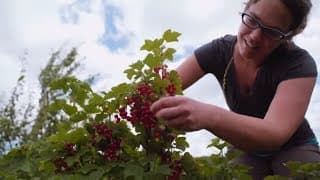
Support local agroecological farms that are already practicing diversified, perennial-based agriculture. Seek out farmers' markets, community-supported agriculture programs, and food forest projects in your region. Your purchasing power sends a clear signal that ecological abundance is valued over industrial efficiency. Ask farmers about their practices. Learn what grows well in your bioregion.
Advocate for policy changes that support land restoration and diversified farming. This includes reforming agricultural subsidies that currently favor monoculture commodity crops, funding research into perennial polycultures and agroforestry, and protecting existing diverse ecosystems from conversion. Write to your representatives. Attend local planning meetings. Policy shapes the landscape more than any individual action.
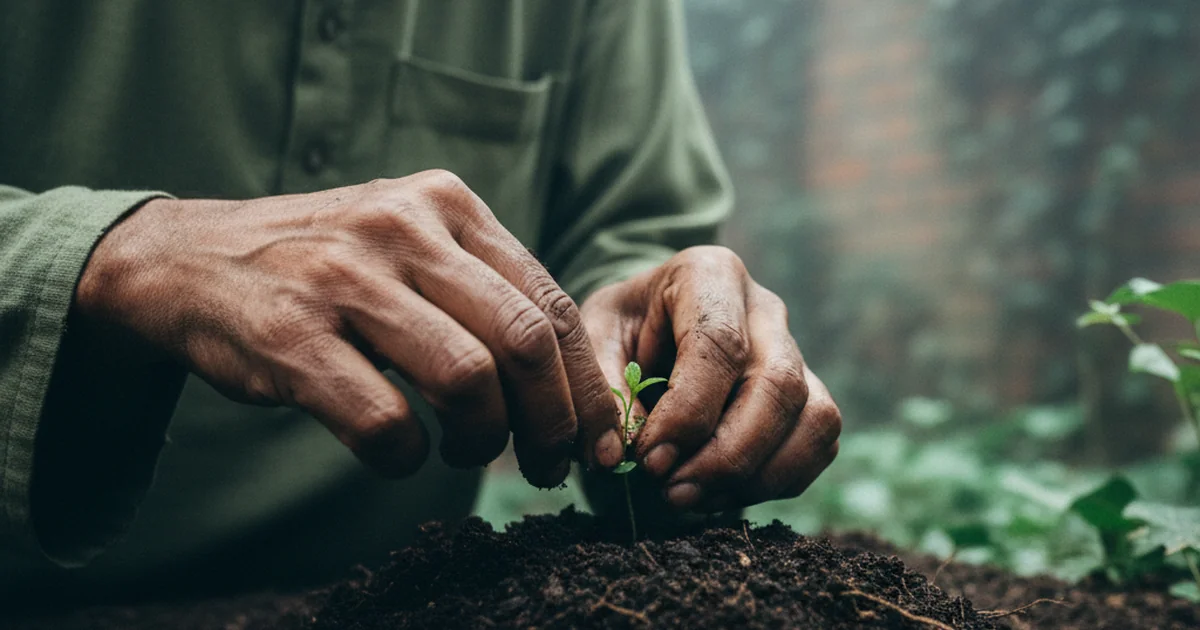
Start small, even on a tiny scale. A backyard food forest with a few fruit trees, berry bushes, and perennial vegetables is a living laboratory. Observe what thrives, what struggles, and how the system changes over time. Share your successes and failures with neighbors. The transition from monoculture to abundance begins with the first tree planted, the first perennial bed established, the first harvest from a system that will feed you and the soil for years to come.
Conclusion: The Abundant Future Is Already Rooting
The path from monoculture to abundance is not a fantasy. It is being walked by farmers, restoration ecologists, and community groups around the world, one acre at a time. The science is clear: diversified, multi-story food-producing systems are more resilient, more productive over the long term, and more beneficial to the planet than the industrial monocultures they replace. They build soil carbon, support biodiversity, and buffer against climate shocks—all while producing nourishing food.
Imagine a landscape where every farm includes a food forest component, where degraded croplands are restored to perennial abundance, where the boundary between agriculture and wild nature blurs into a productive, living mosaic. This is not a return to some imagined past. It is a movement toward a future that is more intelligent, more beautiful, and more resilient than what we have now. The first seeds have already been planted. The forest is growing.