Soul Intro: A Symphony of Green in the City's Heart
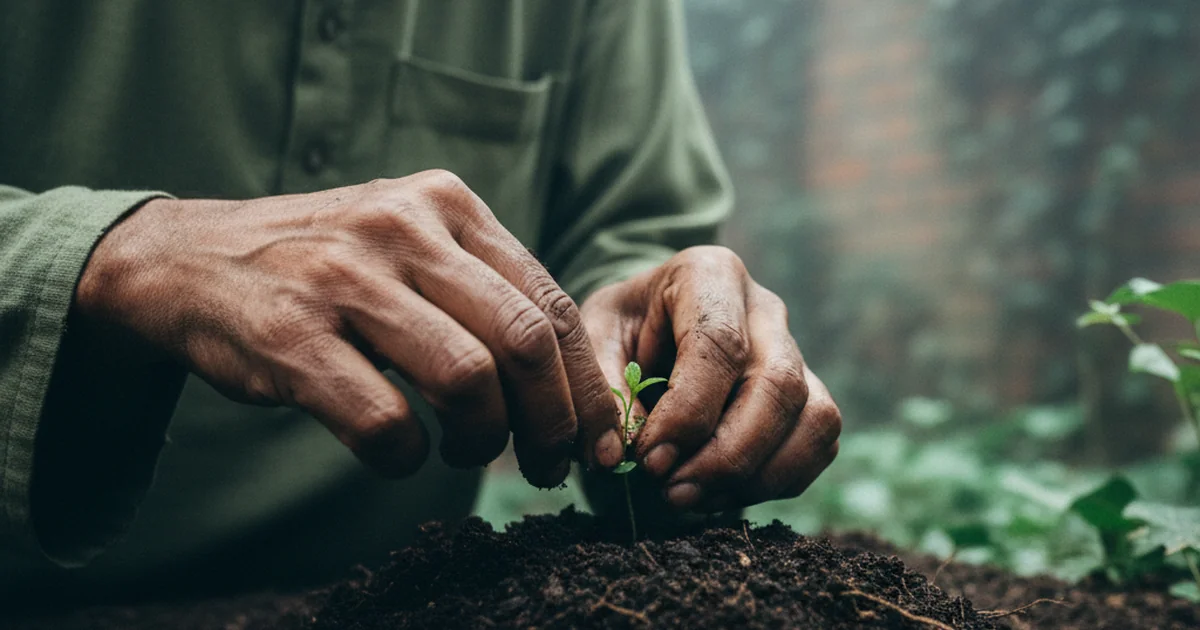
Imagine stepping from the bustling concrete into a vibrant, living canvas. The air here is cooler, imbued with the scent of damp earth and blossoming fruit. Sunlight dapples through a canopy of diverse trees, their branches laden with ripening berries and nuts. Below, shrubs offer edible leaves and flowers, while the ground layer teems with herbs and root crops, all humming with the quiet industry of pollinators. This isn't a distant wilderness; it's an urban food forest, a thriving ecosystem woven into the very fabric of our cities. It’s a place where children discover the joy of plucking a fresh apple, where neighbors connect over shared harvests, and where biodiversity flourishes amidst human activity.
This vision, far from idyllic fantasy, represents a powerful, tangible approach to ecological restoration within our urban and peri-urban landscapes. Integrating food forests offers a multifaceted nature-based solution, addressing not only environmental degradation but also fostering community well-being, food security, and climate resilience. These intentional, perennial polycultures mimic natural woodland ecosystems, designed to produce food and other resources while enhancing ecological functions. They transform underutilized spaces into productive, biodiverse havens, offering a profound reconnection between people and the natural world. As our cities expand, the intelligent design and thoughtful implementation of such green infrastructure become not just desirable, but essential for a healthier, more connected future.
Mechanism Deep Dive: Nature's Blueprint for Urban Resilience
Nature-based solutions (NbS) offer a critical pathway for cities to adapt and mitigate the escalating impacts of climate change. These solutions, which leverage the inherent power of natural systems, are increasingly recognized as essential tools in urban planning (10.5751/es-08373-210239). By integrating elements like food forests, cities can create living infrastructure that performs vital ecological functions, from managing stormwater to cooling urban heat islands. The fundamental role of NbS extends to addressing the direct impacts of climate change and hydrometeorological hazards on human populations, offering protective and adaptive capacities that grey infrastructure often cannot (10.1111/gcb.15310).
Consider how a well-designed food forest system can absorb heavy rainfall, reducing flood risk and replenishing groundwater, a stark contrast to impermeable urban surfaces that exacerbate runoff. The diverse plant life also sequesters carbon dioxide, helping to mitigate greenhouse gas emissions, while the canopy provides shade, actively lowering ambient temperatures in densely built environments. Research consistently shows that most interventions within natural or semi-natural ecosystems are reported to ameliorate adverse climate impacts (10.1111/gcb.15310). This means that enhancing existing green spaces or creating new, ecologically rich ones like food forests can directly improve air quality, foster biodiversity, and provide crucial habitats for urban wildlife, all while offering tangible benefits to human residents.
The layered structure of a food forest, with its diverse species and root systems, contributes to soil health and stability, further bolstering resilience against erosion and drought. These living systems represent a dynamic, self-sustaining approach to environmental management, offering long-term benefits that extend beyond simple aesthetics. By harnessing these natural mechanisms, urban areas can transform vulnerabilities into opportunities for ecological regeneration and enhanced community well-being, demonstrating how symbiotic relationships with nature can build more resilient cities.
Mechanism Deep Dive: Unearthing Urban Ecosystem Services and Biodiversity's Gifts
Understanding urban ecosystem services (UES) is critically important, particularly as more than half of the world's population now resides in cities (10.1007/s13280-014-0504-0). These services encompass the myriad benefits that urban ecosystems provide to human well-being, ranging from air purification and climate regulation to recreational opportunities and cultural enrichment. As urban areas continue to expand, the demand for these services intensifies, making their assessment and integration into planning essential. Food forests, as complex urban ecosystems, exemplify the provision of multiple UES simultaneously, offering food, habitat, and aesthetic value.
The vital contributions of biodiversity and ecosystems to people are increasingly being recognized as fundamental natural assets (10.5281/zenodo.3553579). These contributions include not only provisioning services like food and water but also regulating services such as disease control and cultural services like spiritual enrichment. The Intergovernmental Science-Policy Platform on Biodiversity and Ecosystem Services (IPBES) plays a crucial role in providing objective scientific assessments on the state of knowledge regarding biodiversity, ecosystems, and their contributions to people, guiding policy and practice globally (10.5281/zenodo.3553579).
A comprehensive review of 217 papers on UES studies revealed key characteristics of this research landscape. Most of these studies were undertaken in Europe, North America, and China, primarily focusing on the city scale (10.1007/s13280-014-0504-0). This geographic and spatial concentration highlights both the areas of advanced research and potential gaps in understanding UES in other rapidly urbanizing regions.
| Characteristic | Finding |
|---|
| Number of papers analyzed | 217 |
| Primary geographic focus | Europe, North America, and China |
| Primary spatial scale | City scale |
The insights from such reviews underscore the need for broader geographical and contextual studies to fully grasp the potential of UES, including those provided by food forests, across diverse urban settings.
Action-Encyclopedia Module: Navigating the Path to Urban Nature-Based Solutions
Implementing nature-based solutions (NbS) in urban environments, such as establishing food forests, requires careful planning and a deep understanding of local contexts. Key perspectives on indicators for urban NbS are essential for measuring their effectiveness and ensuring their successful integration into cityscapes (10.5751/es-08373-210239). These indicators might include metrics related to biodiversity enhancement, water retention, temperature regulation, and community engagement, providing a framework for both design and evaluation.
Despite the clear benefits, knowledge gaps persist in the implementation of urban NbS. A lack of comprehensive data on long-term performance, cost-benefit analyses, and effective governance models often hinders widespread adoption (10.5751/es-08373-210239). Common barriers to the successful deployment of NbS in urban environments include insufficient funding, regulatory hurdles, fragmented institutional responsibilities, and a lack of public awareness or acceptance. Overcoming these challenges is crucial for scaling up urban greening initiatives.
Opportunities for action to overcome these barriers are plentiful. Foster interdisciplinary collaboration between urban planners, ecologists, community organizers, and policymakers to develop integrated strategies. Invest in research to fill knowledge gaps, particularly regarding the specific ecological and social outcomes of diverse NbS applications. Develop clear policy frameworks that incentivize and streamline the creation of urban green spaces, including provisions for long-term maintenance and community involvement. Educate the public on the benefits of NbS, building a strong foundation of support for these vital initiatives. Prioritize pilot projects that demonstrate the tangible advantages of food forests and other NbS, showcasing their potential for ecological restoration and community upliftment (10.5751/es-08373-210239).
Action-Encyclopedia Module: Harnessing Ecosystem Interventions for Climate Resilience
Nature-based interventions are increasingly recognized for their reported effectiveness in addressing the multifaceted impacts of climate change and hydrometeorological hazards. From flood protection to urban cooling, these solutions leverage ecological processes to build resilience within communities. Many interventions in natural or semi-natural ecosystems have been reported to ameliorate adverse climate impacts, demonstrating their capacity to buffer against extreme weather events and gradual environmental shifts (10.1111/gcb.15310). This includes protecting existing wetlands, restoring riparian zones, and managing natural forests, all of which enhance ecosystem functions that safeguard communities.
A key distinction exists between interventions in existing natural or semi-natural ecosystems and those involving created ecosystems. While the former often enhance inherent ecological processes, created ecosystems, such as afforestation initiatives, can present a different set of outcomes. For instance, interventions involving created ecosystems are primarily reported to deliver benefits like reduced soil erosion or increased vegetation cover (10.1111/gcb.15310). This demonstrates their tangible value in improving specific environmental conditions, even if the full suite of ecosystem services may take longer to develop compared to restoring a mature natural system.
However, these created ecosystems can also be associated with trade-offs. For example, large-scale afforestation with monoculture plantations might increase vegetation cover but potentially reduce local biodiversity or alter water cycles in ways that differ from diverse, native ecosystems. The focus on benefits like reduced soil erosion or increased vegetation cover highlights specific ecological gains that are often the primary objectives of such projects (10.1111/gcb.15310). When designing food forests, drawing lessons from both types of interventions is crucial. Emphasize species diversity, native plants where appropriate, and multi-layered design to maximize ecological benefits and minimize potential trade-offs, ensuring that these created urban ecosystems contribute robustly to local climate resilience.
Cultural ecosystem services (CES) represent an invaluable aspect of the broader concept of ecosystem services, encompassing the non-material benefits people obtain from ecosystems through spiritual enrichment, cognitive development, reflection, recreation, and aesthetic experiences (10.5751/es-05790-180344). In urban restoration, including the development of food forests, CES are pivotal. These services foster a sense of place, community identity, and provide opportunities for education and social interaction. A food forest, for example, is not just a source of food; it's a living classroom, a tranquil retreat, and a gathering space that strengthens social bonds.
The role of stakeholder engagement is a significant consideration in the assessment of urban ecosystem services (10.1007/s13280-014-0504-0). Involving local residents, community groups, businesses, and municipal authorities from the outset ensures that restoration projects are aligned with community needs and values. This participatory approach moves beyond top-down planning, creating a sense of ownership and shared responsibility for the green spaces. When communities are engaged in the design and implementation of projects, such as planting trees, maintaining garden beds, or harvesting produce, the cultural value of these spaces deepens.
Community involvement directly enhances the success and sustainability of urban greening initiatives. When residents invest their time and effort, they become stewards of the land, ensuring long-term care and protection. This active participation transforms abstract environmental goals into tangible, personal experiences, reinforcing the connection between people and nature. Through shared labor and shared harvest in food forests, community ties are strengthened, knowledge is exchanged across generations, and the collective appreciation for urban biodiversity and its contributions to well-being grows exponentially.
Love In Action: Growing Green Futures Together
Embrace the opportunity to transform your urban environment and foster deeper connections with nature and community. Here are concrete ways to contribute to the growth of urban food forests:
1. Support Local Initiatives: Seek out and volunteer with local organizations dedicated to urban greening, community gardens, or food forest projects. Offer your time for planting, weeding, watering, or harvesting. Your direct involvement helps establish and maintain these vital green spaces.
2. Advocate for Policy Change: Contact your local city council representatives and express your support for policies that promote urban food forests and nature-based solutions. Encourage the allocation of public land for community-led food growing initiatives and advocate for zoning changes that facilitate edible landscapes.
3. Cultivate Edible Landscapes: Start small in your own space. Plant edible perennials like fruit bushes, nut trees, or culinary herbs in your garden, balcony, or even a shared community patch. Share your knowledge and harvests with neighbors, inspiring a ripple effect of green, edible transformation. Participate in educational workshops to learn about permaculture principles and food forest design. These actions, big or small, collectively contribute to a more resilient, connected, and delicious urban future.
Conclusion: A Verdant Vision for Urban Life
Integrating food forests into urban and peri-urban restoration initiatives offers a compelling and multifaceted approach to building healthier, more resilient cities. These vibrant ecosystems provide a wealth of benefits, from enhancing biodiversity and mitigating climate change impacts to fostering community engagement and improving food security. By embracing nature-based solutions, we harness the inherent power of ecological systems to address critical environmental and social challenges.
The journey towards widespread urban food forests requires thoughtful planning, overcoming existing barriers, and proactive community involvement. As we look ahead, the vision of cities interwoven with productive, biodiverse green spaces is not merely an aesthetic ideal but a practical necessity for planetary health and human well-being. Imagine a future where every neighborhood boasts a living larder, a place of connection, learning, and sustenance, contributing to a truly regenerative urban landscape.