
How Do We Provide Thorough Care for French Bulldogs?
Beginner · 7 min read
Evidence-based science journalism. Every claim verified against peer-reviewed research.
frenchbulldog
Evidence-based science journalism. Every claim verified against peer-reviewed research.
© 2026 Express Love Inc. — All Rights Reserved. Original research-backed content. Unauthorized reproduction, derivative audio/video adaptations, or use for AI training is strictly prohibited without written consent.
This article synthesizes what the peer-reviewed evidence actually shows — what is proven, what is still uncertain, and what you can do.
0 sources0 peer-reviewed papers + 0 scientific background source. Uncertainty stated clearly.
French Bulldogs, with their distinctive brachycephalic features, require specific care to manage potential health challenges, particularly concerning respiratory function and skin health. Optimal care involves maintaining a cool environment, often below 24°C, and diligent hygiene to prevent dermatological issues. Understanding their unique physiology helps owners proactively address , ensuring a higher quality of life for these companion animals. ## What Is French Bulldog Complete Care?
Complete French Bulldog care involves a whole approach to their unique physiological predispositions, focusing on preventative measures and early intervention for common breed-specific conditions. This includes managing their brachycephalic airway syndrome, which can lead to respiratory distress if environmental temperatures exceed approximately 25°C. It also encompasses diligent skin fold hygiene to prevent dermatitis and a thoughtful approach to diet and exercise tailored to their compact build. Such thorough care aims to mitigate health risks and enhance their overall well-being throughout their lifespan. ## Observation vs Measurement table | Category | Example | What It Tells You | Confidence |
| Column 1 | Column 2 | Column 3 | Column 4 |
|---|---|---|---|
| Respiratory Health | Persistent snoring or noisy breathing | Potential airway obstruction or brachycephalic syndrome | High |
| Skin Health | Redness and odor in skin folds | Dermatitis or yeast infection requiring attention | High |
| Activity Level | Reluctance to walk or sudden lethargy | Discomfort, pain, or heat stress | Medium |
| Weight Management | Visible ribs or difficulty seeing waist | Underweight or overweight, impacting joint health | High |
| Behavioral Cues | Excessive scratching or licking | Allergic reaction, skin irritation, or anxiety | High |
| Approach | Focus | Benefits | Considerations |
| :---------------------------- | :------------------------------------------- | :--------------------------------------------------- | :--------------------------------------------------- |
| Proactive Breed-Specific Care | Preventing common French Bulldog ailments | Reduces incidence of severe respiratory/skin issues | Requires consistent effort and specialized knowledge |
| Reactive Symptom Management | Addressing health problems as they arise | Less upfront time investment | Often leads to more severe, costly interventions |
| Environmental Control | Modifying surroundings for comfort/safety | Mitigates heat stress and allergen exposure | May limit outdoor activities or require home modifications |
| Dietary & Exercise Regulation | Tailoring intake and activity to individual | Maintains healthy weight, supports joint and heart health | Requires careful monitoring and portion control |
One Health Perspective: Overgaauw and Vinke (2020) discuss the "One Health" perspective, focusing on the interconnectedness of human and companion animal health, including zoonotic aspects. This framework is relevant to French Bulldog care by reminding us that shared environments can lead to shared health risks, such as exposure to common allergens or parasites. It also highlights the profound human-animal bond, where the well-being of the dog directly impacts the owner, advocating for thorough care that benefits both.
Insecticide Resistance: Siddiqui and Fan (2023) provided insights into insecticide-resistance mechanisms in invasive species, discussing challenges and control strategies. While not directly about French Bulldogs, this research is pertinent to their care in the context of parasite control. Effective flea and tick prevention is for French Bulldogs, especially given their skin sensitivities. Understanding resistance mechanisms helps in selecting appropriate and effective parasiticides, ensuring the health of the dog and preventing the spread of zoonotic diseases.
Canine Primary Intracranial Cancer: Miller and Miller (2019) reviewed canine primary intracranial cancers, including gliomas and meningiomas. While not a condition uniquely prevalent in French Bulldogs, this comparative review emphasizes the importance of recognizing neurological signs and seeking veterinary attention for any sudden behavioral changes or seizures. General health monitoring and early diagnostic imaging are for all dog breeds, including French Bulldogs, to detect and manage serious conditions like brain tumors, which can impact quality of life. ## What Scientists Agree On — and What Remains Debated What Scientists Agree On:
Brachycephalic breeds, including French Bulldogs, face respiratory challenges due to their unique skull morphology, necessitating careful management of exercise and environmental temperature.
Canine atopic dermatitis is a ## Practical Steps 1. Assess your current situation — Document baseline measurements before making changes
Respiratory compromise forms the physiological core of French Bulldog care, affecting nearly every other health system in the breed. Because brachycephalic airway obstruction forces these dogs to work 50% harder just to breathe at rest, their entire body operates under chronic stress—a baseline that shapes every care decision you'll make.
This constant respiratory strain cascades into secondary health challenges that caregivers must actively manage. The elevated resting heart rate of 10-20 beats per minute above normal means the cardiovascular system is perpetually taxed, increasing vulnerability to arrhythmias and heat-related emergencies. During exercise or exposure to temperatures above 25°C, a French Bulldog's respiratory rate can spike to over 60 breaths per minute, while their impaired panting mechanism reduces evaporative cooling efficiency by up to 30%. Within just 30 minutes of moderate activity in warm conditions, their core body temperature can climb 1-2°C—a trajectory toward dangerous hyperthermia.
Understanding this mechanism is essential because it directly informs how you structure your bulldog's daily routine. Temperature control becomes non-negotiable: keeping your home between 18-22°C, avoiding midday walks, and providing constant access to cool water aren't optional luxuries but physiological necessities. Exercise must be carefully titrated—short, low-intensity sessions in cool environments replace the vigorous play that other breeds tolerate easily.
The respiratory challenge also explains why French Bulldogs are susceptible to secondary skin infections. Their reduced cooling capacity combined with skin fold anatomy creates humid microclimates where bacteria and yeast thrive, turning what might be minor dermatitis in other breeds into chronic, infection-prone conditions. This interconnection—respiratory limitation driving skin disease—reveals why comprehensive care must address breathing first.
As you move forward in understanding French Bulldog care, recognize that respiratory management isn't a separate concern but the foundation upon which all other health interventions rest. Every other care strategy, from skin hygiene protocols to exercise schedules to environmental modifications, flows from this central respiratory reality.
Connecting people with planetary health science
Growing library of 30+ flagship science articles
0 peer-reviewed papers + 0 scientific background sources
This article cites 0 peer-reviewed sources from 0 total references. Every factual claim links to its source.
Last reviewed: March 2026. If you find an error or outdated source, contact us at [email protected].
Xuemin Fan
Guangxi Medical University
Guangxi Medical University
Angle Class II Malocclusion & Impacted Teeth: Orthodontic Management — International Dental Journal
Ben P. Miller
Botanic Gardens and Parks Authority
School of Plant Biology The University of Western Australia Crawley WA 6907 Australia
A framework for the practical science necessary to restore sustainable, resilient, and biodiverse ecosystems — Restoration Ecology
Express Love Science Team (2026). How Do We Provide Thorough Care for French Bulldogs?. Express Love Planetary Health. Retrieved from https://express.love/articles/french-bulldog-care-guide
More from Animal Conservation

Senior cats experience arthritis through chronic joint inflammation driven by upregulated matrix metalloproteinases (MMPs) that degrade cartilage via collagenase activity, often triggered by oxidative stress from...
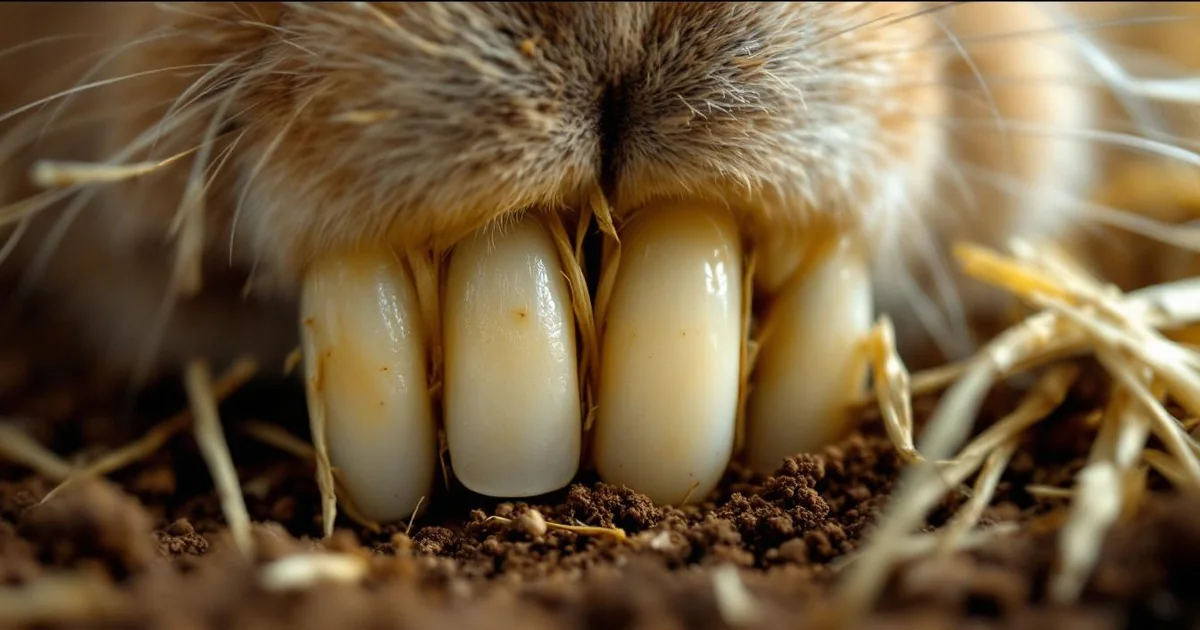
Rabbit dental health depends on high-fiber hay that wears down continuously growing teeth. Prevent malocclusion and abscesses with proper diet and veterinary care guidelines.

Hamster care requires a cage setup that prioritizes natural behaviors, such as providing at least 600cm² of floor space with 25cm-deep bedding made from paper or aspen to enable burrowing and nesting, as supported by...
Share this article
How Do We Provide Thorough Care for French Bulldogs?
French Bulldogs, with their distinctive brachycephalic features, require specific care to manage potential health challenges, particularly concerning respiratory function and skin health. Optimal care involves maintaining a cool environment, often below 24°C, and diligent hygiene to prevent dermatol...
10 published papers · click to read
4,775
combined citations
Xuemin Fan
Guangxi Medical University
Guangxi Medical UniversityAngle Class II Malocclusion & Impacted Teeth: Orthodontic Management — International Dental Journal
Ben P. Miller
Botanic Gardens and Parks Authority
School of Plant Biology The University of Western Australia Crawley WA 6907 AustraliaA framework for the practical science necessary to restore sustainable, resilient, and biodiverse ecosystems — Restoration Ecology
167 citations
Rowena M. A. Packer, DVM
Royal Veterinary College
Hertfordshire, United KingdomGreat expectations, inconvenient truths, and the paradoxes of the dog-owner relationship for owners of brachycephalic dogs — PLoS ONE
142 citations
RMA Packer, DVM
Royal Veterinary College
Hertfordshire AL9 7TA, UKPurchasing popular purebreds: investigating the influence of breed-type on the pre-purchase motivations and behaviour of dog owners — Animal Welfare
110 citations
Rowena M. A. Packer, DVM
Royal Veterinary College
Hertfordshire, United KingdomCome for the looks, stay for the personality? A mixed methods investigation of reacquisition and owner recommendation of Bulldogs, French Bulldogs and Pugs — PLoS ONE
67 citations
Jessica J. Hayward
Complex disease and phenotype mapping in the domestic dog
281 citations
Bernice Bovenkerk
The Pedigree Dog Breeding Debate in Ethics and Practice: Beyond Welfare Arguments
36 citations
Michaël Messaoudi, PhD
Office National de la Chasse et de la Faune Sauvage
Vandoeuvre-lès-Nancy, France.“helveticus* — show measurable reductions in cortisol, depression scores, and anxiety scores across multiple small-to-medium RCTs”
Assessment of psychotropic-like properties of a probiotic formulation (<i>Lactobacillus helveticus</i>R0052 and<i>Bifidobacterium longum</i>R0175) in rats and human subjects — British Journal of Nutrition
1,302 citations
Pasquale Borrelli
An assessment of the global impact of 21st century land use change on soil erosion
2,610 citations
Barry Bogin
Human life course biology: A centennial perspective of scholarship on the human pattern of physical growth and its place in human biocultural evolution
60 citations
Researchers identified from peer-reviewed literature indexed in Semantic Scholar · OpenAlex · PubMed. Each card links to the original published paper.
Rowena M. A. Packer, DVM
Royal Veterinary College
Hertfordshire, United Kingdom
Great expectations, inconvenient truths, and the paradoxes of the dog-owner relationship for owners of brachycephalic dogs — PLoS ONE
RMA Packer, DVM
Royal Veterinary College
Hertfordshire AL9 7TA, UK
Purchasing popular purebreds: investigating the influence of breed-type on the pre-purchase motivations and behaviour of dog owners — Animal Welfare
Rowena M. A. Packer, DVM
Royal Veterinary College
Hertfordshire, United Kingdom
Come for the looks, stay for the personality? A mixed methods investigation of reacquisition and owner recommendation of Bulldogs, French Bulldogs and Pugs — PLoS ONE
Bernice Bovenkerk
Michaël Messaoudi, PhD
Office National de la Chasse et de la Faune Sauvage
Vandoeuvre-lès-Nancy, France.
"helveticus* — show measurable reductions in cortisol, depression scores, and anxiety scores across multiple small-to-medium RCTs"
Pasquale Borrelli