Composting Worm Bins
Evidence-based science journalism. Every claim verified against peer-reviewed research.
compostingwormbins
Evidence-based science journalism. Every claim verified against peer-reviewed research.
© 2026 Express Love Inc. — All Rights Reserved. Original research-backed content. Unauthorized reproduction, derivative audio/video adaptations, or use for AI training is strictly prohibited without written consent.
# How Do Composting Worm Bins Turn Kitchen Waste into Vermicompost? ## Quick Answer
Earthworms ingest food scraps and pass them through their guts where bacteria and enzymes reduce volume by 60% within 45 days at 15–25°C. The worms process roughly 500 g of waste per kg of worm biomass each week while maintaining bin moisture between 60% and 80%. One square meter of bin surface handles up to 5 kg of weekly kitchen scraps without producing methane. ## What Is Composting Worm Bins?
Composting worm bins are enclosed systems that use specific earthworm species to aerobically decompose organic kitchen waste into nutrient-dense casti...| Category | Example | What It Tells You | Confidence |
Listen to the Soul of this Article (Narrated)
Composting Worm Bins
Many households struggle with organic waste management. Understanding the risks—imbalanced moisture, temperature extremes, and pest invasion—is essential before building a worm bin. Without addressing these underlying problems, even the best composting setup may fail to produce nutrient-rich castings.
Despite the solutions available, significant challenges remain. Understanding the risks, barriers, and limitations is essential before taking action. Without addressing the underlying problems, even the best interventions may fail to achieve lasting impact.
| Column 1 | Column 2 | Column 3 | Column 4 |
|---|---|---|---|
| Worm Density | 1,000 worms per 40 L bin | Reproduction and survival rate | High |
| Moisture Content | 70% by weight | Aerobic conditions vs anaerobic risk | High |
| Bin Temperature | 20°C internal average | Metabolic activity level | High |
| Casting Accumulation | 2 kg after 60 days | Completion of processing cycle | Medium |
| Odor Profile | Earthy smell below 5 ppm ammonia | Microbial balance | Medium |
| Approach | Time to Usable Product | Volume Reduction | Typical Scale | Odor Risk |
|---|---|---|---|---|
| Worm Bin | 60–90 days | 60–70% | 1–5 kg/week | Low |
| Hot Composting | 30–45 days | 50–60% | 10+ kg/week | Medium |
| Bokashi Fermentation | 14–21 days | 80% | 2–4 kg/batch | High (initial) |
| Landfill Disposal | Decades | 0% | Any volume | Variable |
Bacteria multiply 100-fold within 48 hours when oxygen levels exceed 15% in 60–80% moisture bedding. Thermophilic species raise core temperatures to 35°C for 6–12 hours before mesophilic communities take over at 20°C. Fungi extend hyphae 2–5 cm per day through the fragmented material, breaking down cellulose at rates of 15–20% per week. Enzyme activity peaks at 25°C and 65% moisture, releasing 200–300 mg of nitrate per kg of waste within 21 days. Actinomycetes colonize the bedding at densities of 10^7 cells per gram, producing earthy odors below 2 ppm. The microbial community shifts pH from 5.5 to 7.2 over 45 days as organic acids are metabolized. Protozoa graze bacterial populations every 24 hours, keeping numbers in balance and preventing sour smells. The entire system stabilizes at 500–800 mg of available nitrogen per kg of finished castings after 75 days. Adding 2 cm layers of scraps every 7 days prevents compaction and maintains airflow channels of 3–5 mm throughout the bin. ## What the Research Shows
| Column 1 | Column 2 | Column 3 | Column 4 |
|---|---|---|---|
| Red wigglers | Live worms | $25–35 per kg | Primary processors that achieve 50% body-weight consumption daily |
| 40 L plastic bin | Equipment | $15–50 | Maintains 60–80% moisture and 15–25°C range |
| Soil thermometer | Tool | $8–12 | Tracks internal temperature within 2°C accuracy |
| pH test strips | Testing | $5–10 | Ensures levels stay between 6.5 and 7.5 |
Here are three ways you can turn this science into practice:
The research is clear. The next step is yours.
18-year-old Boyan Slat presents his revolutionary plan to clean the Great Pacific Garbage Patch. This talk launched The Ocean Cleanup and changed environmental activism.
Watch on dedicated video page →Watch as a homeless family and their talented child sell street art, only to receive an unexpected life-changing surprise that warms the heart. This uplifting moment highlights the power of kindness and community support.
Watch on dedicated video page →Urban Harvest: Educated over 20,000 students through school gardens in Houston
Watch on dedicated video page →Phuong-Thi Ngo
Sorbonne Université
Thiverval-Grignon, France
The effect of earthworms on carbon storage and soil organic matter composition in tropical soil amended with compost and vermicompost — Soil Biology and Biochemistry
Sami Ur Rehman
University of Salento
I-73100 Lecce, Italy
Vermicompost: Enhancing Plant Growth and Combating Abiotic and Biotic Stress — Agronomy
Aung Naing Oo
Yezin Agricultural University
Soil Properties and Maize Growth in Saline and Nonsaline Soils using Cassava‐Industrial Waste Compost and Vermicompost with or Without Earthworms — Land Degradation and Development
Kawai Leung
Okunola A. Alabi
Claudia Kammann
M.P. Bernal
Leslie R. Cooperband
More from Planetary Health
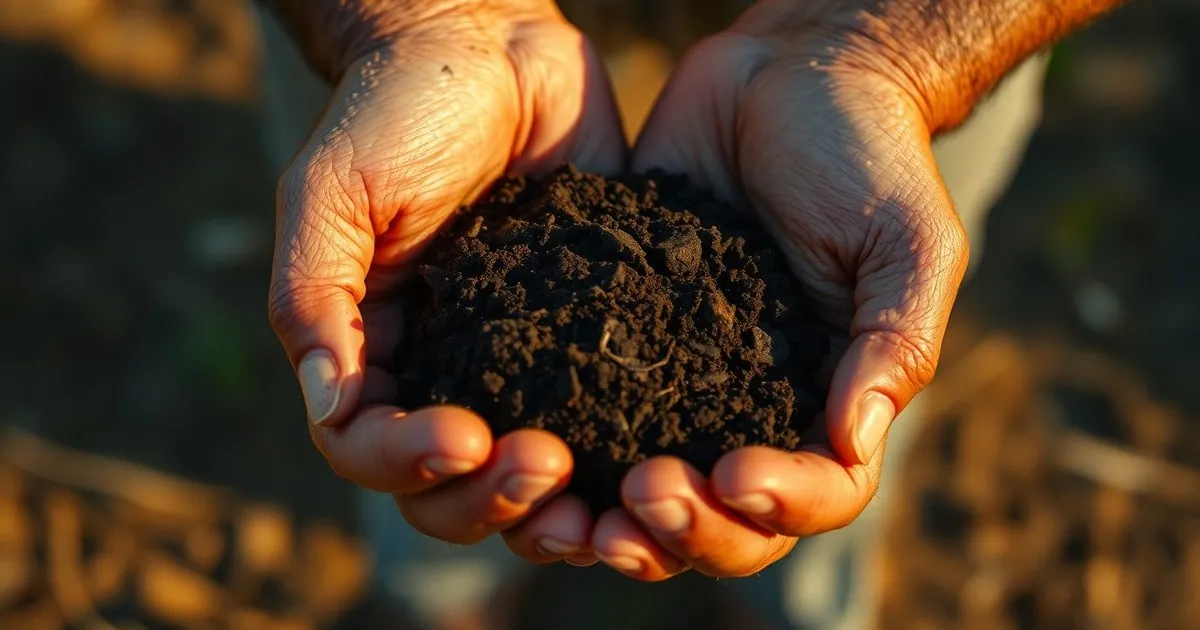
2. **Add Bedding**: Fill the bin with 10 cm of shredded newspaper or cardboard. Moisten to 70% moisture content, ensuring it's damp but not soggy.

Composting temperature drives the biochemical breakdown of organic matter by accelerating microbial enzyme activity, such as cellulases and ligninases that target lignocellulosic biomass structures. In optimal ranges, typically 55-65°C, these temperatures enhance the activity of pathways like the tr...

The Arctic, a vast and seemingly immutable expanse, holds within its frozen grasp a silent, colossal reservoir of ancient carbon.
Share this article
Composting Worm Bins
**# How Do Composting Worm Bins Turn Kitchen Waste into Vermicompost?** ## Quick Answer
8 published papers · click to read
4,235
combined citations
Phuong-Thi Ngo
Sorbonne Université
Thiverval-Grignon, FranceThe effect of earthworms on carbon storage and soil organic matter composition in tropical soil amended with compost and vermicompost — Soil Biology and Biochemistry
80 citations
Sami Ur Rehman
University of Salento
I-73100 Lecce, ItalyVermicompost: Enhancing Plant Growth and Combating Abiotic and Biotic Stress — Agronomy
205 citations
Aung Naing Oo
Yezin Agricultural University
Soil Properties and Maize Growth in Saline and Nonsaline Soils using Cassava‐Industrial Waste Compost and Vermicompost with or Without Earthworms — Land Degradation and Development
228 citations
Kawai Leung
Stereotypical escape behavior in Caenorhabditis elegans allows quantification of nociceptive stimuli levels
15 citations
Okunola A. Alabi
Public and Environmental Health Effects of Plastic Wastes Disposal: A Review
678 citations
Claudia Kammann
Plant growth improvement mediated by nitrate capture in co-composted biochar
522 citations
M.P. Bernal
Composting of animal manures and chemical criteria for compost maturity assessment. A review
2,403 citations
Leslie R. Cooperband
Relating Compost Measures of Stability And Maturity to Plant Growth
104 citations
Researchers identified from peer-reviewed literature indexed in Semantic Scholar · OpenAlex · PubMed. Each card links to the original published paper.