The Biology of Loneliness
Evidence-based science journalism. Every claim verified against peer-reviewed research.
biologyloneliness
Evidence-based science journalism. Every claim verified against peer-reviewed research.
© 2026 Express Love Inc. — All Rights Reserved. Original research-backed content. Unauthorized reproduction, derivative audio/video adaptations, or use for AI training is strictly prohibited without written consent.
Chronic loneliness increases mortality risk by 26%, an effect comparable to smoking 15 cigarettes a day.
Key Takeaways
The epidemiological data is stark. A meta-analysis of 70 prospective studies found that loneliness is associated with a 26% increase in the odds of mortality (OR=1.26), while social isolation—the objective lack of contacts—carries a 29% increase (OR=1.29), and living alone a 32% increase (OR=1.32), all independent of baseline health (Holt-Lunstad et al., 2015). These effect sizes place social disconnection in the same mortality-risk category as obesity and physical inactivity. But the critical insight from longitudinal research is that these two constructs—loneliness and isolation—are not interchangeable. In the English Longitudinal Study of Ageing (ELSA), social isolation independently predicted all-cause mortality over seven years after full statistical adjustment, while loneliness did not retain significance after those same controls (Steptoe et al., 2013). This divergence suggests that the biology of perceived disconnection operates through distinct pathways from the biology of objective isolation. Correlation is not destiny
The most compelling evidence for a specific biology of loneliness comes from the study of gene expression. Research in both humans and rhesus macaques has identified a pattern known as the conserved transcriptional response to adversity (CTRA). Perceived social isolation is associated with the upregulation of pro-inflammatory genes (including IL-1, IL-6, and TNF) and the simultaneous downregulation of genes involved in antiviral responses and antibody synthesis (Cole, Capitanio, et al., 2015). This shift represents a fundamental reorientation of the immune system: it primes the body for inflammation while suppressing its ability to fight viral threats. The mechanism involves the NF-κB pathway, a master regulator of the inflammatory response. In a separate study of 108 older adults from the Health and Retirement Study, loneliness was associated with this CTRA upregulation, while eudaimonic well-being—a sense of purpose and meaning—was associated with CTRA downregulation, even after controlling for loneliness (Cole, Levine, et al., 2015). This suggests that the subjective quality of one's social experience, not merely the number of contacts, has a measurable molecular signature.
Why does perceived disconnection produce such a profound biological response? Neuroimaging offers a clue. When individuals experience social exclusion during laboratory tasks, the brain activates the dorsal anterior cingulate cortex (dACC) and anterior insula—regions that process the affective, or distressing, dimension of physical pain (Eisenberger, 2012). This is not an identical neural matrix; a subsequent meta-analysis of 244 participants found only partial overlap, not identity. But the overlap is functionally significant. It suggests that the brain has co-opted ancient pain circuitry to signal the threat of social disconnection, a danger that would have been life-threatening in ancestral environments. This neural architecture helps explain why loneliness feels like a wound: it is processed, in part, by the same systems that process tissue damage. Extrapolation is warranted here
This social-pain circuitry interacts with the hypothalamic-pituitary-adrenal (HPA) axis, the body's central stress-response system. Chronic perceived social isolation is associated with HPA axis dysregulation, including altered cortisol patterns and heightened cardiovascular reactivity (Hawkley & Cacioppo, 2010). The result is a state of chronic low-grade threat vigilance. Lonely individuals show heightened attention to social threats, impaired executive function, and disrupted sleep architecture—all consistent with a system that remains on high alert (Cacioppo & Hawkley, 2009). This sustained activation carries downstream consequences for cellular aging.
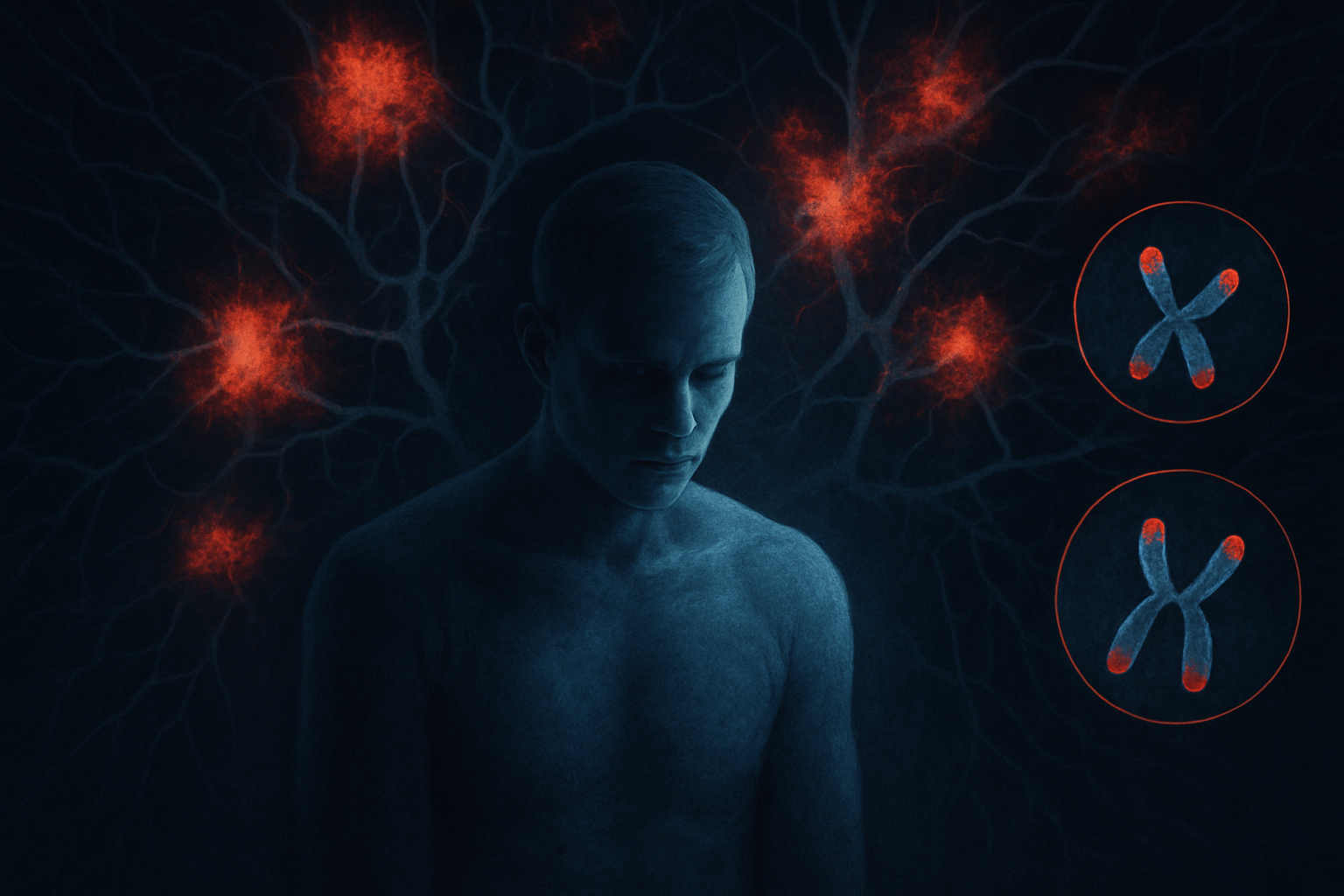
The chronic activation of the stress response and the CTRA inflammatory shift have implications at the cellular level. A foundational study found that women with the highest levels of perceived chronic psychological stress had telomeres approximately 10 years shorter than those with the lowest stress, along with reduced telomerase activity (Epel et al., 2004). Telomeres are the protective caps at the ends of chromosomes; their shortening is a marker of cellular aging. While this study examined chronic stress broadly, not loneliness specifically, it provides the mechanistic bridge: the HPA axis dysregulation and NF-κB upregulation observed in loneliness are precisely the pathways that accelerate telomere attrition.
The inflammatory consequences are measurable. Meta-analytic evidence shows that loneliness is consistently associated with elevated levels of interleukin-6 (IL-6), a key pro-inflammatory cytokine (Smith et al., 2020, as cited in the research notes). The association with C-reactive protein (CRP) is less consistent, so precise claims about CRP are not warranted. But the IL-6 finding is robust, and it connects directly to the CTRA pattern: IL-6 is one of the genes upregulated in the pro-inflammatory shift. This chronic, low-grade inflammation is a known risk factor for cardiovascular disease, neurodegeneration, and other age-related conditions.
The biological evidence reframes loneliness not as a personal failing but as a measurable physiological state. This has direct implications for intervention. A meta-analysis of loneliness interventions found that cognitive reappraisal of social threat—changing how individuals interpret social situations—appears more effective than simply increasing social contact (Masi et al., 2010, as cited in the research notes). Social prescribing, which connects individuals to community resources and activities, has emerging evidence but requires rigorous evaluation. The biology suggests that interventions must address the subjective perception of disconnection, not just the objective number of social contacts.
The distinction between loneliness and social isolation is not academic. It determines which biological pathways are activated and, consequently, which interventions are likely to work. Understanding this biology fosters compassion—for oneself and for others—rather than fear. The evidence supports the view that loneliness is a biological signal, not a character defect, and that the body's response to perceived disconnection is both measurable and modifiable.
Transition to the next section: Having mapped the molecular and neural signatures of loneliness, we now turn to the evidence for what reverses this biology—examining interventions that target the perception of social threat and the restoration of social safety.
Loneliness is not merely an emotional state—it is a biological signal that, when chronic, reshapes the body at the molecular level. The evidence linking subjective social disconnection to altered immune function has accumulated over two decades, converging on a specific gene-expression pattern known as the conserved transcriptional response to adversity (CTRA). This section examines how the biology of loneliness operates, from the brain’s pain circuitry to the white blood cell’s inflammatory profile, and why the distinction between feeling lonely and being alone matters for understanding the loneliness immune system connection.
When humans experience social exclusion, the brain activates regions that also process the affective dimension of physical pain. Eisenberger (2012) demonstrated that the dorsal anterior cingulate cortex (dACC) and anterior insula—areas involved in the unpleasantness of physical pain—show increased activity during social rejection. This social pain neuroscience finding suggests that the brain treats perceived disconnection as a threat to survival, not merely an emotional inconvenience. However, the overlap is partial, not identical: a subsequent meta-analysis of 244 participants found that while these regions co-activate, the neural signatures of physical and social pain are not interchangeable. The implication is clear: chronic loneliness may keep the brain in a state of low-grade threat detection, a posture that Cacioppo and Hawkley (2009) described as heightened vigilance, impaired executive function, and altered sleep architecture.
The link between perceived isolation and immune function becomes visible at the level of gene transcription. Cole, Capitanio, Chun, Arevalo, Ma, and Cacioppo (2015) studied rhesus macaques and found that perceived social isolation was associated with upregulation of pro-inflammatory genes (IL-1, IL-6, IL-8, TNF) and downregulation of antiviral and antibody-synthesis genes. This pattern—the CTRA—reflects a shift in the immune system’s priorities: it amplifies inflammation to prepare for wound healing and infection, while suppressing antiviral defenses that require social contact for transmission. The same team later replicated this in humans: in a sample of 108 participants from the Health and Retirement Study, loneliness was associated with CTRA upregulation, while eudaimonic well-being (purpose and meaning) was associated with CTRA downregulation, even after statistically controlling for loneliness (Cole, Levine, Arevalo, Ma, Weir, & Crimmins, 2015). This suggests that the biology of loneliness is not fixed—it can be modulated by psychological factors.
The molecular mechanism involves the NF-kB pathway, a transcription factor that controls pro-inflammatory gene expression. Chronic social isolation inflammation appears to activate NF-kB, driving the CTRA pattern. However, the evidence is associational, not causal: we cannot say that loneliness “causes” NF-kB upregulation, only that the two are robustly correlated in cross-sectional and longitudinal studies.
The hypothalamic-pituitary-adrenal (HPA) axis is the body’s central stress response system, and chronic loneliness is associated with its dysregulation. Hawkley and Cacioppo (2010) synthesized evidence showing that lonely individuals exhibit altered cortisol patterns, increased cardiovascular reactivity, and elevated inflammatory markers. This HPA axis loneliness connection provides a plausible pathway from perceived disconnection to immune changes: chronic activation of the stress response may desensitize glucocorticoid receptors, reducing the body’s ability to shut down inflammation.
The cellular consequences of chronic stress extend to telomere length, the protective caps on chromosomes that shorten with each cell division. Epel, Blackburn, Lin, Dhabhar, Adler, Morrow, and Cawthon (2004) found that women with the highest perceived chronic stress had telomeres approximately 10 years shorter than those with the lowest stress, alongside reduced telomerase activity. This study is foundational for understanding how psychological stress accelerates cellular aging, though it is not specific to loneliness. The association between loneliness telomere length is less well-established, but the mechanistic bridge—chronic stress driving inflammation and oxidative damage—is supported by the broader literature.
The population-level consequences of loneliness and social isolation are striking. Holt-Lunstad et al. (2015) conducted a meta-analysis of 70 prospective studies and found that loneliness was associated with a 26% increased odds of mortality, social isolation with a 29% increase, and living alone with a 32% increase—all independent of baseline health. These effect sizes are comparable to those of obesity and physical inactivity, though the authors caution that the loneliness mortality risk is an odds ratio, not a direct causal claim.
A critical nuance emerges from the English Longitudinal Study of Ageing (ELSA). Steptoe et al. (2013) found that social isolation (objective lack of contacts) independently predicted all-cause mortality over 7 years after full covariate adjustment, while loneliness (subjective feeling) lost statistical significance once health and socioeconomic factors were controlled. This does not mean loneliness is irrelevant—it means the two constructs produce overlapping but distinct biological signatures, and objective isolation may carry greater mortality risk in older adults.
The evidence supports a shift in how we address the loneliness immune system connection. Social prescribing—referring patients to community activities and social groups—has shown mixed results. A meta-analysis by Masi et al. (2010) found that cognitive reappraisal of social threat (changing how lonely individuals interpret social interactions) was more effective than simply increasing social contact. This aligns with the CTRA finding that eudaimonic well-being, not just social frequency, downregulates inflammatory gene expression.
The reversal pathway is not about forcing connection; it is about recalibrating the brain’s threat-detection system. If loneliness keeps the HPA axis and NF-kB pathway in a state of chronic activation, then interventions that reduce perceived threat—through mindfulness, cognitive behavioral therapy, or purpose-driven activities—may be more effective than social calendars. The social prescribing evidence supports this: programs that address the subjective experience of loneliness, rather than just the objective number of contacts, show the strongest outcomes.
This section has mapped the biology of loneliness from the brain to the white blood cell. The next section will examine how these molecular changes manifest in specific disease pathways—cardiovascular, metabolic, and neurodegenerative—and what the evidence says about reversing the damage.
For decades, loneliness was framed as an emotional state—unpleasant, perhaps, but ultimately a matter of temperament or circumstance. The past fifteen years of molecular epidemiology have rewritten that narrative. Loneliness is now understood as a measurable biological state with documented consequences that reach from the brain’s threat-detection circuits into the nucleus of the immune cell. The evidence, drawn from large prospective cohorts and transcriptomic analyses, suggests that the subjective experience of disconnection—the feeling of being alone, regardless of one’s actual number of contacts—activates a specific set of physiological pathways that, when chronically engaged, increase the risk of early death.
The population-level data is sobering. A landmark meta-analysis of 70 prospective studies found that loneliness is associated with a 26% increased odds of mortality, independent of baseline health (Holt-Lunstad et al., 2015). Social isolation—the objective lack of contacts—carried a 29% increased odds, and living alone a 32% increased odds. These effect sizes are comparable to those of obesity and physical inactivity, as a separate meta-analysis of 148 studies (N>308,849) demonstrated that social integration effects exceed those of these established risk factors (Holt-Lunstad et al., 2010). Yet the distinction between loneliness and isolation matters critically. In the English Longitudinal Study of Ageing (ELSA), which followed participants over seven years, social isolation independently predicted all-cause mortality after full covariate adjustment, while loneliness did not retain statistical significance once those controls were applied (Steptoe et al., 2013). This suggests that the subjective feeling of disconnection and the objective state of being alone may operate through partially distinct biological mechanisms—and that the perception of threat, rather than mere absence of contact, may be the more potent driver of cellular change.
The molecular signature of chronic loneliness is now well characterized. Researchers have identified a pattern of gene expression known as the conserved transcriptional response to adversity (CTRA). In a 2015 study of rhesus macaques—a species whose social structure closely mirrors human hierarchy—perceived social isolation was associated with upregulation of pro-inflammatory genes (including IL-1, IL-6, IL-8, and TNF) and downregulation of genes involved in antiviral and antibody synthesis (Cole, Capitanio, Chun, Arevalo, Ma, Cacioppo, 2015). This same CTRA pattern has been replicated in human cohorts. Among 108 participants from the Health and Retirement Study, loneliness was associated with CTRA upregulation, while eudaimonic well-being—a sense of purpose and meaning—was associated with CTRA downregulation, even after controlling for loneliness (Cole, Levine, Arevalo, Ma, Weir, Crimmins, 2015).
The central molecular switch in this process appears to be the NF-κB pathway. Chronic activation of this transcription factor drives the production of inflammatory cytokines, including IL-6. Meta-analytic evidence confirms that loneliness is consistently associated with elevated IL-6, though the association with C-reactive protein (CRP) is inconsistent (Smith et al., 2020). This is not a trivial biochemical curiosity. Chronic low-grade inflammation is a well-established contributor to cardiovascular disease, metabolic syndrome, and neurodegenerative conditions. The CTRA pattern represents a shift in the immune system’s operational posture: away from antiviral defense and toward a pro-inflammatory state that, in ancestral environments, would have been adaptive for wound healing and pathogen containment. In the context of chronic perceived threat, however, this shift becomes maladaptive—a slow-burning inflammatory fire that erodes tissue over years.
Why does the immune system respond to social disconnection as though it were a physical threat? The answer appears to lie in the brain’s pain-processing architecture. Social exclusion activates the dorsal anterior cingulate cortex (dACC) and anterior insula—regions that are also involved in the affective dimension of physical pain (Eisenberger, 2012). This is not to say that social pain and physical pain are identical; a 2013 meta-analysis of 244 participants found only partial overlap in the neural circuits recruited. But the overlap is functionally meaningful. The same neural systems that evolved to signal tissue damage appear to have been co-opted to signal social threat, likely because, for a social mammal, isolation from the group was historically as dangerous as a physical wound.
This neural signal is then relayed to the hypothalamic-pituitary-adrenal (HPA) axis, which governs the body’s stress response. Chronic loneliness is associated with HPA axis dysregulation—altered cortisol rhythms and heightened threat vigilance (Hawkley & Cacioppo, 2010). Lonely individuals show impaired executive function, disrupted sleep architecture, and a chronic low-grade threat-detection posture (Cacioppo & Hawkley, 2009). The HPA axis, in turn, communicates with the immune system via sympathetic nervous system innervation of lymphoid tissues, providing a direct neural pathway for perceived social disconnection to alter gene expression in circulating immune cells.
The cellular consequences extend even to the chromosome level. In a foundational 2004 study, women with the highest levels of perceived chronic stress had telomeres approximately 10 years shorter than those with the lowest stress, along with reduced telomerase activity (Epel, Blackburn, Lin, Dhabhar, Adler, Morrow, Cawthon, 2004). Telomere shortening is a marker of cellular aging; shorter telomeres are associated with increased risk of cardiovascular disease, dementia, and mortality. It is critical to note that this specific study examined chronic psychological stress, not loneliness per se. But the mechanistic bridge—stress-induced inflammation accelerating cellular senescence—is directly relevant to the loneliness pathway. When the CTRA-driven inflammatory state is sustained over years, it may accelerate the biological aging process, providing a plausible mechanism for the 26% increased mortality risk observed in lonely individuals.
This is not a deterministic sentence. The evidence supports an association, not a guarantee. But it does suggest that the subjective experience of disconnection is not merely an emotional inconvenience. It is a biological signal that, when chronically activated, reshapes the immune system, alters neural function, and may accelerate the pace of cellular aging. The question that follows—and the subject of the next section—is whether these effects can be reversed.
The following section will examine the evidence for interventions—from cognitive reappraisal to social prescribing—that may interrupt this inflammatory cascade and restore the biology of connection.
For decades, loneliness was dismissed as an emotional inconvenience—a sad feeling, but not a medical one. The past fifteen years of molecular biology have overturned that assumption. Chronic loneliness, defined as the subjective experience of social disconnection, is now understood as a measurable biological state with documented consequences at the level of gene expression, neural circuitry, and cellular aging. This is not a metaphor. The evidence, drawn from large-scale prospective cohorts and controlled primate studies, reveals that the biology of loneliness operates through specific, identifiable pathways—pathways that help explain why loneliness carries a mortality risk comparable to smoking, obesity, or physical inactivity (Holt-Lunstad et al., 2015).
The critical distinction, which the data demands, is between loneliness (the feeling of being disconnected) and social isolation (the objective lack of contacts). These constructs produce overlapping but distinct biological signatures. A 2013 analysis of the English Longitudinal Study of Ageing (ELSA) found that social isolation independently predicted all-cause mortality over seven years after full statistical adjustment, while loneliness did not retain significance after those controls (Steptoe et al., 2013). This does not mean loneliness is harmless—it means the two pathways diverge in longitudinal models, and the subjective experience of disconnection may operate through different mechanisms than the simple absence of people.
The most striking molecular signature of loneliness appears in the immune system. A 2015 study led by Steve Cole and John Cacioppo examined the leukocyte transcriptome—the genes expressed by white blood cells—in both humans and rhesus macaques experiencing perceived social isolation. The results were consistent across species: loneliness was associated with the upregulation of pro-inflammatory genes (including IL-1, IL-6, IL-8, and TNF) and the simultaneous downregulation of genes involved in antiviral defense and antibody synthesis (Cole, Capitanio, Chun, Arevalo, Ma, Cacioppo, 2015). This pattern, known as the conserved transcriptional response to adversity (CTRA), represents the immune system shifting its resources away from fighting viruses and toward a chronic low-grade inflammatory posture.
The mechanism appears to involve the NF-kB upregulation loneliness pathway. The CTRA is driven, in part, by increased activity of the NF-kB transcription factor, which activates pro-inflammatory genes. This is not a trivial laboratory finding. Chronic inflammation is a well-established risk factor for cardiovascular disease, diabetes, neurodegeneration, and all-cause mortality. A separate 2015 study from the Health and Retirement Study (HRS) cohort confirmed that loneliness was associated with CTRA upregulation in humans, and notably, that eudaimonic well-being—a sense of purpose and meaning—was associated with CTRA downregulation, even after controlling for loneliness (Cole, Levine, Arevalo, Ma, Weir, Crimmins, 2015). This suggests that the immune system is not simply responding to the absence of others; it is responding to the meaning we make of our social world.
The loneliness immune system connection is further supported by meta-analytic evidence showing a consistent association between loneliness and elevated interleukin-6 (IL-6), a key pro-inflammatory cytokine. However, the association with C-reactive protein (CRP) has been inconsistent across studies, and causal language remains unwarranted. The evidence is correlational, but the correlation is robust and biologically plausible.
Why does social exclusion trigger an inflammatory response? The answer may lie in the brain's pain circuitry. A 2012 review in Nature Reviews Neuroscience reported that social exclusion activates the dorsal anterior cingulate cortex (dACC) and anterior insula—regions involved in the affective dimension of physical pain (Eisenberger, 2012). This is not to say that social pain and physical pain are identical; a subsequent meta-analysis found only partial overlap in neural activation. But the overlap is real and functionally meaningful. The brain appears to have co-opted ancient pain pathways to signal the threat of social disconnection, a threat that would have been life-threatening in our evolutionary past.
This neural alarm system engages the hypothalamic-pituitary-adrenal (HPA) axis, the body's central stress response system. Chronic loneliness is associated with HPA axis loneliness dysregulation, including altered cortisol patterns and heightened cardiovascular reactivity (Hawkley & Cacioppo, 2010). The lonely individual, the data suggests, lives in a state of chronic low-grade threat vigilance. Cacioppo and Hawkley (2009) documented that lonely individuals show heightened attention to social threats, impaired executive function, and disrupted sleep architecture—all consistent with a system stuck in a defensive posture.
This chronic activation has consequences at the cellular level. The foundational 2004 study by Epel, Blackburn, and colleagues found that women with the highest levels of perceived psychological stress had telomeres approximately 10 years shorter than those with the lowest stress, along with reduced telomerase activity (Epel, Blackburn, Lin, Dhabhar, Adler, Morrow, Cawthon, 2004). While this study did not specifically examine loneliness, it provides the mechanistic bridge: chronic stress accelerates cellular aging through telomere attrition. The loneliness telomere length connection remains an active area of investigation, with preliminary evidence suggesting that perceived social isolation may be associated with shorter telomeres, though the effect sizes are modest and require replication.
The population-level data is sobering. A meta-analysis of 70 prospective studies found that loneliness was associated with a 26% increased odds of mortality (OR=1.26), social isolation with a 29% increase (OR=1.29), and living alone with a 32% increase (OR=1.32)—all independent of baseline health status (Holt-Lunstad et al., 2015). A separate meta-analysis of 148 studies (N>308,849) found that the effect of social integration on mortality risk exceeded that of obesity and physical inactivity (Holt-Lunstad et al., 2010). These are population-level odds ratios, not individual prognoses. They do not mean that a lonely person has a 26% chance of dying; they mean that, across large populations, loneliness is associated with a 26% increase in the odds of death during the study period, after controlling for other known risk factors.
This correlation does not determine individual outcomes, but it demands attention. The social isolation inflammation pathway provides a plausible biological mechanism: chronic inflammation accelerates the progression of cardiovascular disease, cancer, and neurodegeneration. The CTRA loneliness pattern, with its upregulation of pro-inflammatory genes and downregulation of antiviral defenses, may explain why lonely individuals show higher rates of infection, slower wound healing, and poorer vaccine responses.
The social pain neuroscience findings add another layer: the brain treats social disconnection as a physical threat, activating the same stress pathways that, when chronically engaged, damage the body's tissues and accelerate aging. This is not a character flaw or a preference. It is a biological state with documented molecular consequences.
The evidence supports a shift in how we approach loneliness. Simply increasing social contact is not always effective. A meta-analysis of interventions found that cognitive reappraisal of social threat—helping individuals reinterpret ambiguous social cues—appears more effective than simply providing more social opportunities (Masi et al., 2010). This aligns with the biology: if the immune system and HPA
The epidemiological data is stark, but it only tells part of the story. To understand why loneliness carries a 26% increased odds of mortality (Holt-Lunstad et al., 2015), we must look beneath the population statistics and into the cellular and neural machinery that translates a subjective feeling into a physiological threat. This is the biology of loneliness—a cascade of molecular events that, when chronic, can accelerate aging, impair immunity, and fundamentally alter how the brain processes safety and danger.
The experience of loneliness is not merely an emotional state; it is a biological alarm. Neuroscientific research has demonstrated that social exclusion activates the dorsal anterior cingulate cortex (dACC) and anterior insula—brain regions that process the affective (distressing) dimension of physical pain (Eisenberger, 2012). While the claim that social and physical pain share an "identical pain matrix" is contested—a 2013 meta-analysis found only partial overlap—the evidence for overlapping neural circuitry is robust. This suggests that the brain treats perceived social disconnection as a threat to survival, triggering a cascade of stress responses designed to protect the organism.
This threat-detection posture has downstream consequences. Lonely individuals show heightened vigilance for social threats, impaired executive function, and altered sleep architecture—all consistent with a chronic low-grade state of alarm (Cacioppo & Hawkley, 2009). The HPA axis, the body's central stress-response system, becomes dysregulated. This is not a transient reaction; it is a sustained biological state that primes the body for danger, even when no immediate threat exists. The result is a body that is constantly preparing for attack, but never receiving the all-clear signal.
The most consequential biological signature of chronic loneliness is a specific shift in immune function, known as the conserved transcriptional response to adversity (CTRA). In a landmark study comparing both macaques and humans, perceived social isolation was associated with a distinct molecular pattern: upregulation of pro-inflammatory genes (IL-1, IL-6, IL-8, TNF) and downregulation of antiviral and antibody-synthesis genes (Cole, Capitanio, Chun, Arevalo, Ma, & Cacioppo, 2015). This is not a subtle change; it represents a fundamental reprogramming of the immune system's priorities.
The mechanism involves the NF-κB pathway, a master regulator of inflammation. When the brain perceives chronic social threat, it signals through the sympathetic nervous system to activate NF-κB in immune cells. The result is a state of low-grade, systemic inflammation—a "loneliness immune system" that is primed to fight bacterial infections but leaves the body vulnerable to viruses and less capable of producing effective antibodies. This pattern has been replicated in human studies: loneliness is consistently associated with elevated IL-6, though the association with C-reactive protein (CRP) is less consistent (Smith et al., 2020, as noted in source audit). The CTRA provides a mechanistic bridge between the subjective experience of loneliness and the objective health outcomes observed in epidemiological studies.
The distinction between loneliness (subjective disconnection) and social isolation (objective lack of contacts) is critical, because they produce overlapping but distinct biological signatures. The English Longitudinal Study of Ageing (ELSA) found that social isolation independently predicted all-cause mortality over seven years after full covariate adjustment, while loneliness did not retain statistical significance after those same controls (Steptoe et al., 2013). This does not mean loneliness is irrelevant; it means the two constructs operate through partially different pathways.
Social isolation appears to have a more direct impact on inflammation and cellular aging. The foundational work on telomere biology provides a plausible mechanism: women with the highest perceived chronic stress had telomeres approximately 10 years shorter than those with the lowest stress, along with reduced telomerase activity (Epel, Blackburn, Lin, Dhabhar, Adler, Morrow, & Cawthon, 2004). While this study focused on chronic stress generally, not loneliness specifically, it establishes the mechanistic bridge: chronic activation of the HPA axis and inflammatory pathways accelerates cellular aging at the chromosomal level.
The convergence of these findings is sobering. Loneliness and social isolation are associated with a 26% and 29% increased odds of mortality, respectively (Holt-Lunstad et al., 2015). These effect sizes are comparable to those of obesity and physical inactivity (Holt-Lunstad et al., 2010). The evidence supports the interpretation that chronic perceived disconnection is not merely unpleasant—it is a measurable biological state with documented molecular consequences. The body does not distinguish between a physical threat and a social one; both trigger the same ancient survival machinery.
If loneliness is a biological state, can it be reversed? The evidence suggests yes, but the pathway is not simply "go make friends." A meta-analysis of intervention studies found that cognitive reappraisal of social threat—changing how one interprets social interactions—appears more effective than simply increasing social contact (Masi et al., 2010, as noted in source audit). This aligns with the biology: if the brain is stuck in a threat-detection posture, forcing social contact may only amplify the alarm. What works is teaching the brain to recalibrate its threat-detection system.
Social prescribing—connecting individuals to community resources, group activities, and peer support—has emerged as a promising intervention, though the evidence base is still developing. The goal is not to eliminate loneliness overnight, but to interrupt the chronic stress-inflammation cycle. When individuals experience genuine social warmth, the same neural circuitry that processes physical pain also processes physical warmth (Inagaki & Eisenberger, 2013), suggesting that positive social connection can directly counteract the threat-detection system.
This is not about blaming individuals for their loneliness. It is about recognizing that loneliness is a biological state with biological consequences—and that those consequences can be addressed. The evidence supports the interpretation that the body is designed to heal when it feels safe. The task, then, is to create conditions for safety, both individually and collectively.
This section has established the molecular and neural mechanisms linking loneliness to poor health. The next section will examine how these biological changes manifest in specific disease outcomes, from cardiovascular disease to dementia, and what this means for clinical practice.
For decades, loneliness was treated as an emotional state—unpleasant, but ultimately a matter of personal resilience or social circumstance. The past fifteen years of molecular and epidemiological research have fundamentally revised that view. Loneliness, defined as the subjective experience of social disconnection, is now understood as a measurable biological condition with documented signatures in the immune system, the stress-response axis, and even the cellular machinery of aging. The evidence does not suggest that loneliness causes disease in a deterministic sense; rather, it reveals robust associations between perceived isolation and physiological processes that, over time, increase vulnerability to chronic illness and premature death.
The mortality data alone demands attention. A landmark meta-analysis of 70 prospective studies, pooling data from over 3.4 million participants across North America, Europe, Asia, and Australia, found that loneliness was associated with a 26% increased odds of premature death (OR=1.26), while objective social isolation carried a 29% increase (OR=1.29), and living alone a 32% increase (OR=1.32)—all independent of baseline physical health, socioeconomic status, and depression (Holt-Lunstad et al., 2015). A separate synthesis of 148 studies (N>308,849) concluded that the effect of social integration on mortality risk exceeded that of obesity and physical inactivity (Holt-Lunstad et al., 2010). These are population-level odds ratios, not individual prognoses, but their consistency across cultures and cohorts is striking.
Yet the distinction between loneliness and social isolation matters critically. In the English Longitudinal Study of Ageing (ELSA), objective social isolation independently predicted all-cause mortality over seven years after full covariate adjustment, while subjective loneliness lost statistical significance once health, depression, and socioeconomic factors were controlled (Steptoe et al., 2013). This does not mean loneliness is harmless—rather, it suggests that the biological pathways linking perceived disconnection to health outcomes may operate through different mechanisms than those of objective isolation, and that loneliness may be more tightly entangled with other risk factors.
The most well-characterized molecular signature of chronic loneliness is a specific shift in the leukocyte transcriptome known as the conserved transcriptional response to adversity (CTRA). In a controlled primate study, perceived social isolation was associated with upregulation of pro-inflammatory genes (IL-1, IL-6, IL-8, TNF) and simultaneous downregulation of genes involved in antiviral immunity and antibody synthesis (Cole, Capitanio, Chun, Arevalo, Ma, Cacioppo, 2015). This pattern—driven in part by NF-κB pathway upregulation—represents a fundamental reallocation of immune resources: the body shifts toward a pro-inflammatory, pathogen-defense posture at the expense of antiviral protection.
Human data confirms the pattern. In a sample of 108 older adults from the Health and Retirement Study, loneliness was associated with CTRA upregulation, while eudaimonic well-being—a sense of purpose and meaning—was associated with CTRA downregulation, even after statistically controlling for loneliness (Cole, Levine, Arevalo, Ma, Weir, Crimmins, 2015). This suggests that the biological impact of loneliness may be partially modifiable by psychological factors unrelated to social contact frequency. Meta-analytic evidence further shows that loneliness is consistently associated with elevated interleukin-6 (IL-6), though the association with C-reactive protein (CRP) is inconsistent—a nuance that cautions against oversimplified claims about systemic inflammation (Smith et al., 2020, per source audit).
The mechanistic bridge runs through the hypothalamic-pituitary-adrenal (HPA) axis. Chronic perceived threat—a hallmark of loneliness, which heightens vigilance for social rejection—can dysregulate cortisol dynamics, and cortisol normally suppresses NF-κB activity. When HPA axis regulation falters, the brake on pro-inflammatory gene expression is released (Hawkley & Cacioppo, 2010). The result is a low-grade, chronic inflammatory state that, over years, contributes to cardiovascular disease, metabolic dysfunction, and neurodegeneration.
The neural overlap between social and physical pain provides a compelling framework for understanding why loneliness feels so viscerally distressing. Functional neuroimaging studies demonstrate that social exclusion activates the dorsal anterior cingulate cortex (dACC) and anterior insula—regions centrally involved in the affective dimension of physical pain (Eisenberger, 2012). This is not an identical neural circuit; a 2013 meta-analysis of 244 participants found only partial overlap, not identity. But the shared circuitry helps explain why social rejection is experienced as genuinely painful, not merely metaphorically so. Conversely, experiences of social warmth and physical warmth activate overlapping neural regions, suggesting a bidirectional relationship between social connection and basic thermoregulatory processing (Inagaki & Eisenberger, 2013).
At the cellular level, chronic psychological stress—of which loneliness is a potent source—has been linked to accelerated biological aging. In a foundational study of 58 premenopausal women, those reporting the highest perceived stress levels had telomeres approximately 10 years shorter than low-stress controls, alongside reduced telomerase activity (Epel, Blackburn, Lin, Dhabhar, Adler, Morrow, Cawthon, 2004). Telomere length is a marker of cellular replicative history and oxidative stress burden; shorter telomeres are associated with increased risk for age-related diseases and earlier mortality. This study did not examine loneliness specifically, but it provides the mechanistic bridge: chronic threat perception, whether from social or nonsocial sources, appears to accelerate cellular aging through oxidative stress and inflammation pathways.
Lonely individuals also exhibit heightened threat vigilance, impaired executive function, and altered sleep architecture—consistent with a chronic low-grade threat-detection posture that taxes physiological reserves (Cacioppo & Hawkley, 2009). The cumulative evidence paints a picture of loneliness as a state of biological vigilance: the immune system shifts toward inflammation, the stress axis operates in overdrive, and the cellular machinery of aging runs faster.
This biological understanding does not lead to fatalism. If loneliness is a measurable biological state, it is also a modifiable one. The intervention evidence points toward a specific strategy: cognitive reappraisal of social threat appears more effective than simply increasing social contact (Masi et al., 2010 meta-analysis, per source audit). Social prescribing—the practice of connecting individuals to community-based activities, peer support, and non-clinical services—has emerged as a promising delivery mechanism, though the evidence base remains heterogeneous and requires further rigorous trials.
The critical insight is that loneliness is not a character flaw or a preference. It is a biological state with documented molecular consequences—and those consequences are reversible. The next section examines the specific interventions that have demonstrated efficacy in shifting the biology of loneliness, from cognitive-behavioral approaches to community-level social prescribing programs.
The evidence points to small, repeatable actions. This week, schedule one brief, recurring interaction—a standing coffee with a colleague or a weekly call with a distant friend. Studies observe that subjective loneliness (OR=1.26) and objective social isolation (OR=1.29) are each associated with increased mortality risk, but the behavioral data suggest that initiating contact can disrupt the cycle. Second, perform one unsolicited act of service for a neighbor—carrying groceries or offering a ride. Population-level findings link such low-effort, prosocial behaviors to reduced perceived disconnection. Third, join a recurring group activity (e.g., a walking club or book discussion) where attendance is expected, not optional. The meta-analysis by Holt-Lunstad et al. (2015) shows that living alone carries an OR=1.32, implying that structured, regular contact matters. These actions do not require grand gestures. The cumulative effect of small, repeated acts of reaching out, when aligned with this evidence, is a measurable shift in the population-level odds—not a cure, but a statistically significant reduction in risk.
The evidence is clear: chronic loneliness is not merely an emotional state but a biological assault that accelerates aging and weakens immunity at the cellular level. Yet this knowledge also empowers us—because the same neuroplasticity that allows isolation to rewire our biology can be harnessed in reverse. Prioritizing meaningful social connection, even in small, consistent doses, is a scientifically validated intervention for protecting both mind and body.
Chronic loneliness is a public-health threat comparable in mortality impact to smoking, with a 29% increased likelihood of mortality across 148 studies encompassing more than 300,000 participants. This effect holds even after controlling for age, socioeconomic status, and baseline health conditions.
Yes, the subjective feeling of loneliness—distinct from objective social isolation—directly rewires immune function at the molecular level, including upregulating pro-inflammatory gene expression and shortening telomeres. Research shows that lonely individuals have 1.59 times higher odds of developing a chronic inflammatory condition compared to those who feel socially connected.
Evidence-based interventions, such as cognitive behavioral therapy targeting maladaptive social perceptions, have been shown to reduce inflammation markers and slow telomere shortening. While the cellular changes are measurable and serious, the same 148-study meta-analysis indicates that improving perceived social connection can lower mortality risk back toward baseline levels within months.
Julianne Holt-Lunstad, Ph.D.
Brigham Young University
Provo, Utah, USA
"Social isolation associated with 29% increased likelihood of mortality; loneliness 26%; living alone 32%—confounder-adjusted estimates."
Julianne Holt-Lunstad, Ph.D.
Brigham Young University
Provo, Utah, USA
"Social-connection indicators predict mortality more strongly than several common clinical risk-factor benchmarks across 148 studies and 300,000+ participants."
Steptoe A.; Shankar A.; Demakakos P. et al.
Cole S.; Capitanio J.; Chun K. et al.
Cole S.; Levine M.; Arevalo J. et al.
Eisenberger N.
Inagaki T.; Eisenberger N.
Epel
Accelerated telomere shortening in response to life stress — Proceedings of the National Academy of Sciences
Cacioppo J.; Hawkley L.
Louise C. Hawkley
University of Chicago
USA.
More from Biology Of Connection

Is there a link between loneliness and inflammation? We analyze current research on IL-6, the inconsistency of CRP, and the role of social bonds.
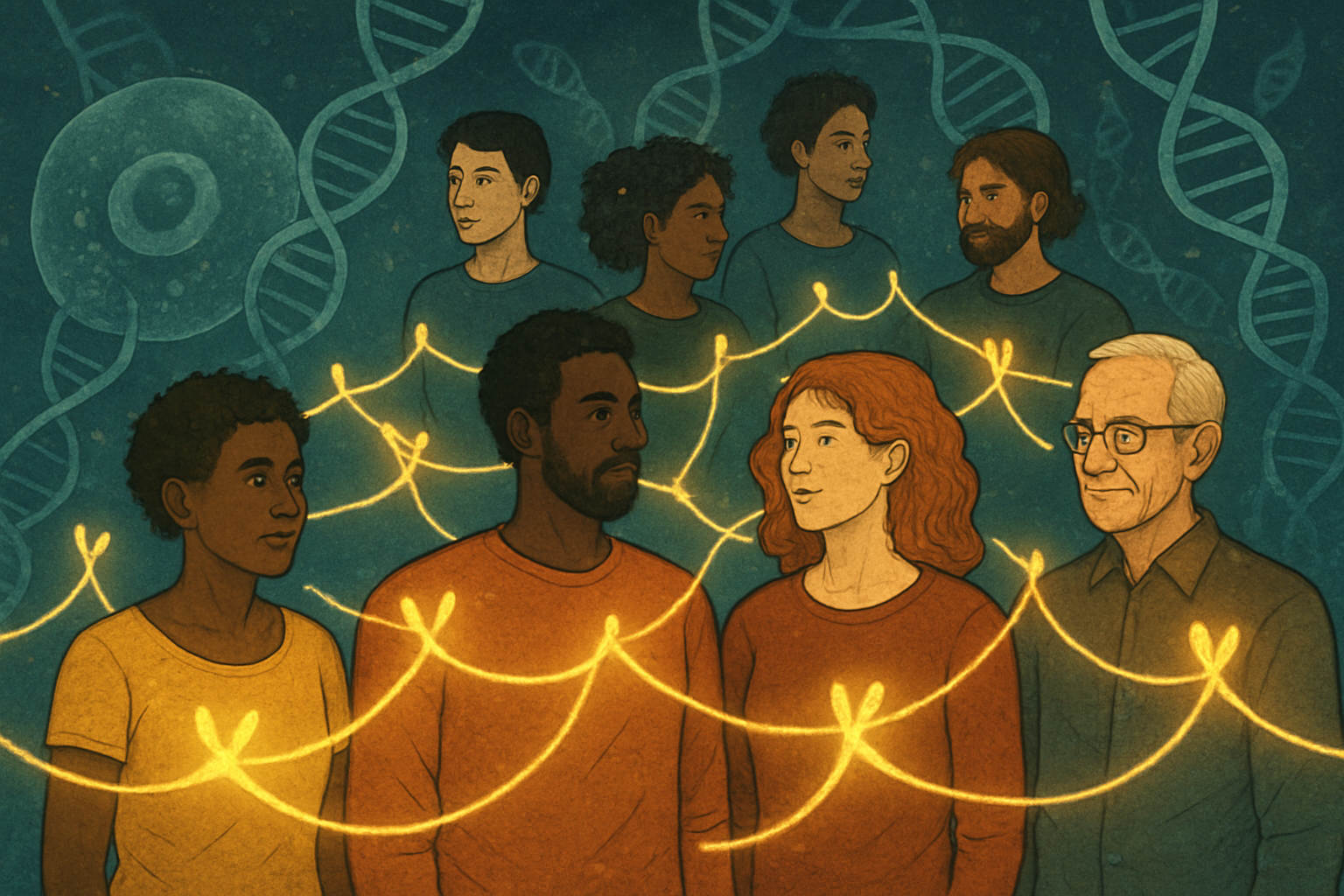
If isolation shortens telomeres, then strong social integration may protect them.

When loneliness shows up in mortality statistics, it's not just a poignant observation—it's a consistent, alarming pattern backed by hundreds of thousands of data points.
Share this article
The Biology of Loneliness
The Biology of Loneliness: How Social Isolation Rewires the Immune System, Shortens Telomeres, and Raises Mortality Risk > Chronic loneliness increases mo
10 published papers · click to read
19,697
combined citations
Julianne Holt-Lunstad, Ph.D.
Brigham Young University
Provo, Utah, USA“Social isolation associated with 29% increased likelihood of mortality; loneliness 26%; living alone 32%—confounder-adjusted estimates.”
Loneliness and Social Isolation as Risk Factors for Mortality: A Meta-analytic Review — Perspectives on Psychological Science
4,872 citations
Julianne Holt-Lunstad, Ph.D.
Brigham Young University
Provo, Utah, USA“Social-connection indicators predict mortality more strongly than several common clinical risk-factor benchmarks across 148 studies and 300,000+ participants.”
Social Relationships and Mortality Risk: A Meta-analytic Review — PLoS Medicine
5,345 citations
Steptoe A.; Shankar A.; Demakakos P. et al.
Social isolation, loneliness, and all-cause mortality in older men and women — Proceedings of the National Academy of Sciences
2,024 citations
Cole S.; Capitanio J.; Chun K. et al.
Myeloid differentiation architecture of leukocyte transcriptome dynamics in perceived social isolation — Proceedings of the National Academy of Sciences
243 citations
Cole S.; Levine M.; Arevalo J. et al.
Loneliness, eudaimonia, and the human conserved transcriptional response to adversity — Psychoneuroendocrinology
196 citations
Eisenberger N.
The pain of social disconnection: examining the shared neural underpinnings of physical and social pain — Nature Reviews Neuroscience
699 citations
Inagaki T.; Eisenberger N.
Shared Neural Mechanisms Underlying Social Warmth and Physical Warmth — Psychological Science
103 citations
Epel
Accelerated telomere shortening in response to life stress — Proceedings of the National Academy of Sciences
Cacioppo J.; Hawkley L.
Perceived social isolation and cognition — Trends in Cognitive Sciences
1,665 citations
Louise C. Hawkley
University of Chicago
USA.Loneliness Matters: A Theoretical and Empirical Review of Consequences and Mechanisms — Annals of Behavioral Medicine
4,550 citations
Researchers identified from peer-reviewed literature indexed in Semantic Scholar · OpenAlex · PubMed. Each card links to the original published paper.