Note: This article summarizes peer-reviewed research for informational purposes only. It is not medical advice.
Key Takeaway
Loneliness — the subjective sense that your social needs are not being met — is associated with measurable changes in inflammatory biology, particularly in the cytokine IL-6. CRP, the inflammatory marker most commonly cited in popular media, shows inconsistent results specifically for loneliness. And while a large body of longitudinal research links social disconnection to higher mortality risk, the direction of causality between loneliness and inflammation remains an open research question.
What Are We Actually Measuring?
Before examining the biology, a critical distinction: loneliness and social isolation are related but distinct constructs, and conflating them leads to misleading conclusions about the evidence.
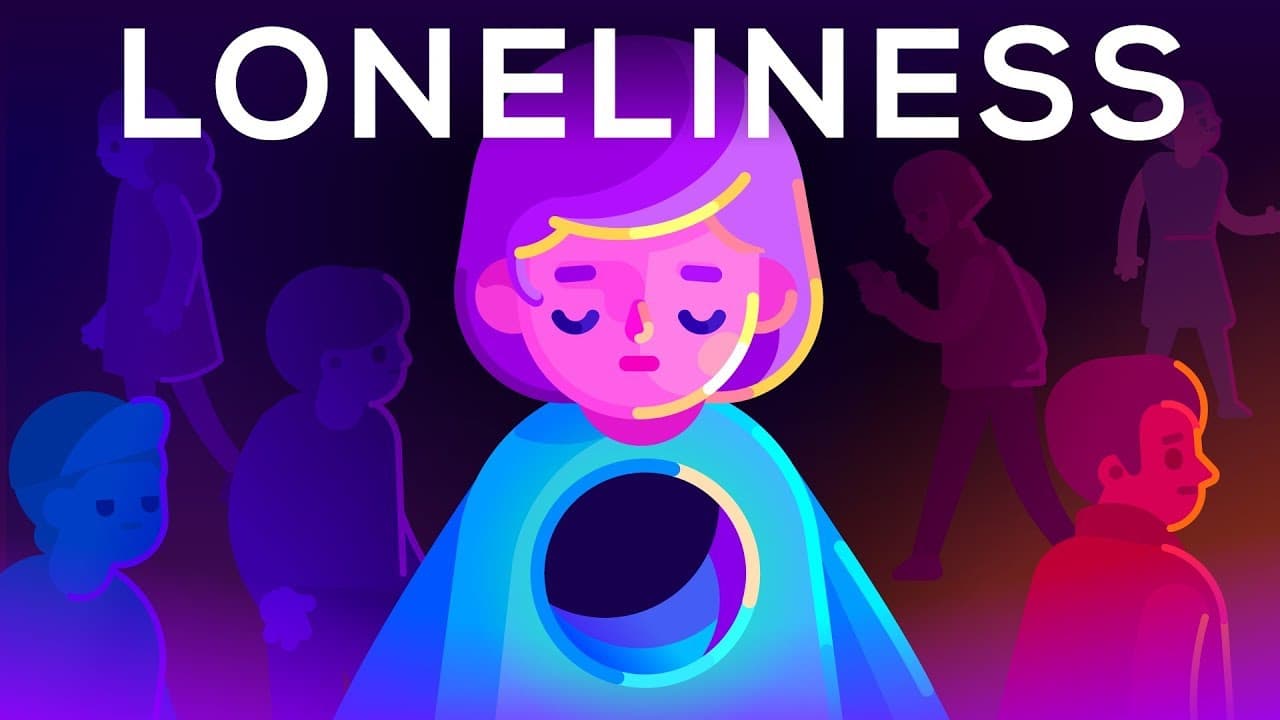
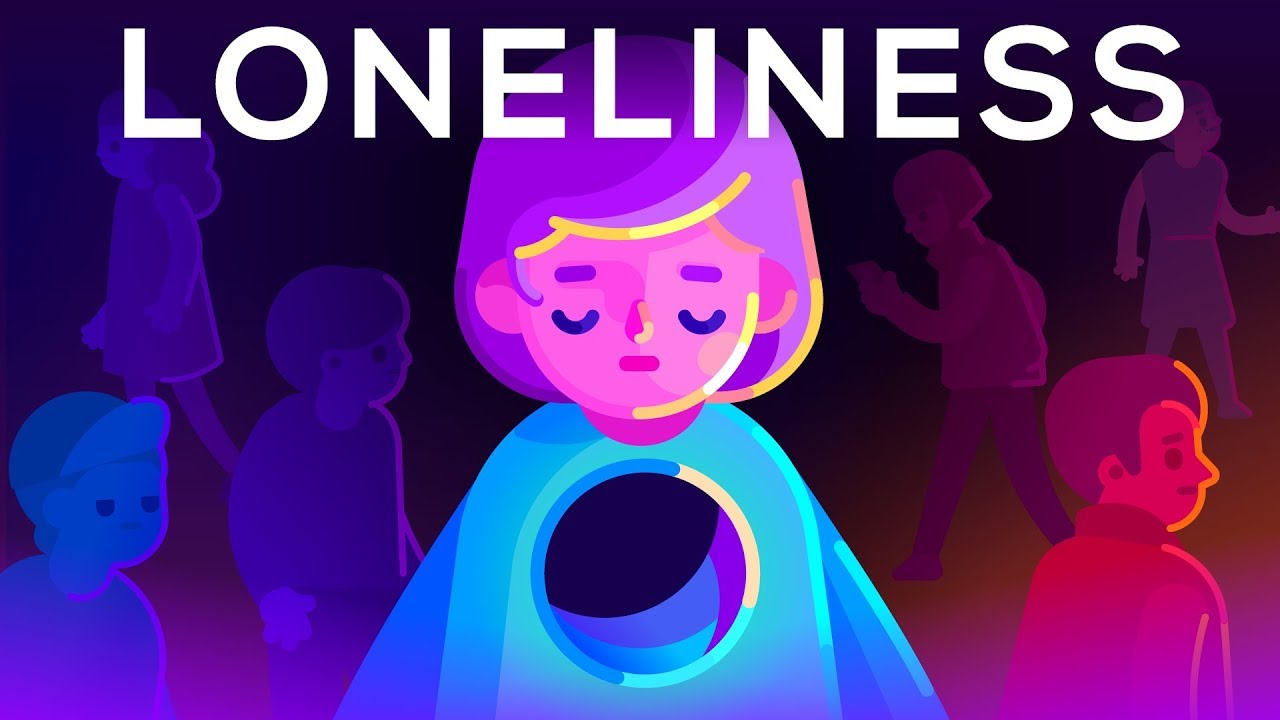
- Loneliness is subjective — the distressing gap between the social connection you have and the connection you want. You can be lonely in a crowd.
- Social isolation is objective — having few social contacts, a small network, or limited social participation. It is measurable from the outside.
This distinction matters biologically. Smith et al. (2020), the largest meta-analytic review of loneliness and inflammation to date, found that loneliness is more consistently associated with elevated IL-6, while C-reactive protein (CRP) associations are stronger for objective social isolation than for subjective loneliness. Using the two terms interchangeably overstates what the evidence actually shows for either construct.
The Biology of Feeling Alone
When researchers measure loneliness, they typically use validated instruments such as the UCLA Loneliness Scale — a self-report tool that captures perceived isolation, not network size. Studies using these tools consistently find associations with elevated interleukin-6 (IL-6), a pro-inflammatory cytokine involved in acute and chronic immune signaling.
In laboratory stress tests, this signal is amplified under pressure. Jaremka et al. (2013) found that participants reporting higher loneliness produced significantly more IL-6 and TNF-α — another pro-inflammatory marker — in response to the Trier Social Stress Test than their less lonely peers. This suggests that loneliness may not only raise baseline inflammatory tone but also amplify the inflammatory response to acute stressors.
A large body of longitudinal evidence also links perceived social disconnection to mortality risk. Holt-Lunstad et al. (2015) meta-analysed 70 prospective studies covering 3.4 million participants and found that loneliness was associated with a 26% increased odds of mortality (OR = 1.26), and social isolation with a 29% increase (OR = 1.29), both independent of baseline health status. The foundational Alameda County Study (Berkman & Syme, 1979), which followed 4,775 adults for nine years, was among the first large prospective studies to demonstrate that the extent of social ties is associated with mortality risk — a finding since replicated across cultures and health conditions.
The Biology of Being Alone
Objective social isolation — having a small or thin network — carries its own biological signature, though researchers caution that the evidence here overlaps imperfectly with loneliness research. Holt-Lunstad et al. (2010), an earlier meta-analysis of 148 studies and over 300,000 participants, found that adequate social relationships were associated with a 50% greater likelihood of survival — a finding that placed social connection alongside established health risk factors in terms of effect size.
The key point for readers is this: the two constructs — subjective loneliness and objective social isolation — often co-occur but are not identical, and their inflammatory biomarker profiles differ. Studies that blur the boundary between them can produce inflated or misleading claims about what loneliness "does" to the body.
IL-6: The More Consistent Signal
Of the inflammatory markers studied in the context of loneliness, IL-6 shows the most consistent pattern across independent research programs. IL-6 is a cytokine produced by immune cells, fibroblasts, and endothelial cells in response to injury, infection, and — the relevant case here — psychosocial stress.
Smith et al. (2020) identified IL-6 as the biomarker most reliably elevated in association with subjective loneliness across studies. Jaremka et al.'s work on acute stress reactivity reinforces this: when lonelier individuals face a social stressor, IL-6 rises more than it does in less lonely individuals. Kiecolt-Glaser et al.'s longitudinal study of caregivers — a group experiencing sustained social stress rather than subjective loneliness per se — found elevated basal IL-6 that persisted for up to six years after caregiving ended, among the strongest longitudinal evidence that chronic social stress sustains systemic inflammatory signaling.
The IL-6 signal is not a proof of causation. It is an association — one that appears across multiple study designs but has not yet been definitively established as a causal pathway.
CRP: The Inconsistent Signal
C-reactive protein (CRP) is a different story. CRP is a liver-produced protein that rises sharply during acute inflammation and is widely used as a clinical marker of systemic inflammatory activity. Some studies find that loneliness is associated with elevated CRP; others find no significant relationship.
Smith et al. (2020) concluded that the CRP evidence for loneliness is inconsistent across studies. Cole's original pilot study (n=14) found twice the CRP in lonely individuals, but this sample was small and requires replication at scale. The more robust CRP signal in the literature is associated with objective social isolation, not subjective loneliness.
It would be inaccurate to state as a general finding that loneliness reliably raises CRP. Claims asserting a specific percentage increase in CRP attributable to loneliness are not supported by the current evidence base and should be treated with scepticism. The IL-6 evidence is more consistent than CRP for loneliness specifically.
Gene Expression and the CTRA Pattern
Beyond circulating cytokines, researchers have examined how loneliness relates to gene expression in immune cells. Steve Cole and colleagues identified the Conserved Transcriptional Response to Adversity (CTRA) — a pattern in which perceived threat shifts the activity of immune cell genes: pro-inflammatory genes (including IL-1β, IL-6, and IL-8) are upregulated, while genes involved in antiviral defense and antibody production are downregulated.
Cole et al. (2007) observed this pattern in lonely individuals — a pilot study (n=14 for CRP analysis) that has since been extended by work linking the CTRA to multiple forms of adversity, including low socioeconomic status, chronic stress, and bereavement. The pattern is measurable in blood leukocytes and is thought to reflect an evolutionarily conserved response to perceived social danger: the organism redirects immune resources away from antiviral defense (relevant when you are embedded in a safe social group) and toward bacterial-threat readiness (relevant when you are alone and vulnerable).
This is a plausible mechanistic framework, but the sample sizes in early CTRA loneliness work were small, and the evolutionary interpretation remains theoretical. Replications at larger scale are ongoing.
On the other side of the CTRA equation, Fredrickson et al. (2015) found that eudaimonic well-being — living with purpose, meaning, and personal growth — is associated with downregulation of the CTRA pro-inflammatory gene profile in a sample of 108 adults. A separate randomized trial by Fredrickson et al. (2013) found that a 6-week loving-kindness meditation practice was associated with reduced CTRA gene expression compared to a waitlist control — one of the few RCTs linking a psychosocial practice to changes in inflammatory gene expression at the molecular level. Whether these effects persist beyond the intervention period remains a research question.
Acute Stress vs. Chronic Inflammation
An important nuance in reading this literature: studies differ in whether they are measuring acute inflammatory reactivity (the IL-6 spike in response to a specific stressor) or chronic baseline inflammation (the resting level of inflammatory markers over time). These are related but not the same phenomenon.
Jaremka et al. (2013) demonstrated acute reactivity: lonelier people produce more IL-6 when stressed. This does not automatically mean their resting IL-6 is higher across the board. Kiecolt-Glaser et al.'s caregiver study captured chronic signaling: years of social stress sustained elevated basal IL-6. Both findings are meaningful, but they support different interpretations.
Readers should also be aware that loneliness, depression, sleep disruption, and chronic pain often co-occur — all of which independently influence inflammatory markers. Isolating the specific contribution of subjective loneliness from these correlated variables is methodologically challenging, and most studies acknowledge this limitation.
Social Pain and the Contested Brain-Body Link
A widely cited finding in this space is Eisenberger et al. (2003), which found that social exclusion in a virtual ball-toss game (Cyberball) activated the dorsal anterior cingulate cortex — a region also involved in the affective dimension of physical pain. This finding has been influential in arguing that social pain and physical pain share neural circuitry.
However, subsequent neuroimaging meta-analyses have found inconsistent patterns across studies, and the claim that the brain processes social pain and physical pain identically is not supported by the current literature. The Eisenberger finding represents a promising line of inquiry, not an established equivalence. Loneliness and physical pain may share some overlapping neural pathways, but the relationship is contested and nuanced.
What Early Research Suggests About Connection Practices
The research on social connection and inflammatory biology extends beyond describing the problem to examining whether practices can shift the underlying biology. The evidence here is promising but preliminary.
Social connection and its multisystem health effects are also explored in two related articles on this site: the biology of cooperation across species, which situates social bonding in an evolutionary context, and the gut-brain axis and social biology, which examines how the microbiome intersects with social behavior and mood regulation.
Pressman et al. (2005) found that incoming college students with smaller, less diverse social networks showed attenuated antibody responses to influenza vaccination — a partial but suggestive finding that social connection may modulate immune function under challenge conditions.
Hawkley & Cacioppo's (2010) comprehensive review documented loneliness-associated effects across multiple biological systems: disrupted sleep architecture, elevated blood pressure, accelerated cognitive decline, and altered HPA axis activity. Inflammation is one signal among many in the biology of perceived social disconnection.
A 2026 randomized trial by Martinez, Lyubomirsky, and Cole found that six weeks of intentional extraverted behavior reduced CTRA inflammatory gene expression compared to a control condition — but the biological benefits faded within a month of stopping the practice. This is an important caveat: the immune system appears to require ongoing social engagement to maintain any associated shifts in gene expression. A one-time effort, a course, or a temporary behavioral change does not appear to produce durable biological change based on this evidence. The available research suggests that sustained social engagement, rather than episodic intervention, may be more closely associated with lasting biological effects.
Smith, Riddell, and Poole's 2025 handbook chapter synthesizing the broader inflammatory evidence base distinguishes the loneliness (IL-6) and social isolation (CRP) biomarker profiles and summarizes methodological limitations across the literature — a useful orientation for researchers and clinicians working in this area.
Where the Science Is Still Evolving
Several open questions define the frontier of this research:
- Causality remains debated. Does loneliness lead to elevated inflammation, or does elevated inflammation (by reducing motivation and energy) lead to social withdrawal? Or does a third variable — early adversity, chronic illness, socioeconomic stress — drive both? Longitudinal studies show loneliness preceding inflammatory markers in some samples, but reverse causation and shared-cause explanations have not been ruled out.
- CRP is not a reliable marker for loneliness. Studies are inconsistent. Claims linking loneliness to specific percentage increases in CRP are not supported by the meta-analytic evidence.
- The neural identity of social and physical pain is contested. The brain structures involved overlap but are not identical, and the evolutionary and clinical implications of partial overlap remain under debate.
- Intervention durability is unproven. No behavioral intervention has yet demonstrated durable reduction in clinical-grade inflammation in rigorous, long-term randomized controlled trials. Short-term gene expression shifts are measurable, but whether they translate to clinically meaningful outcomes over time is unknown.
- Early CTRA work used small samples. The pilot studies are important, but replication at scale — with pre-registered designs and independent research groups — is needed before the CTRA loneliness hypothesis is considered established.
Medical Disclaimer: This article synthesizes peer-reviewed research on loneliness, social connection, and inflammation. It is not a substitute for professional medical advice, diagnosis, or treatment. If you are experiencing persistent loneliness, depression, or physical symptoms, please consult a qualified healthcare provider.