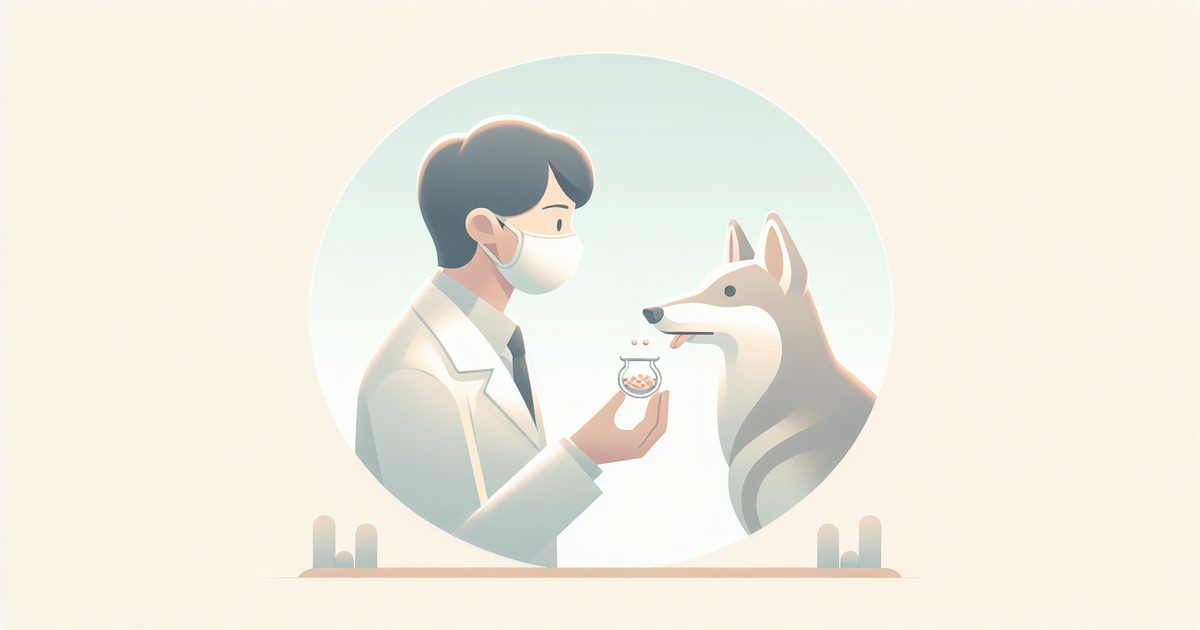
Scientific Basis of Dog-Human Kinship
Evidence-based science journalism. Every claim verified against peer-reviewed research.
scientificbasisdoghumankinship
Evidence-based science journalism. Every claim verified against peer-reviewed research.
title: "Scientific Basis of Dog-Human Kinship: Evolution, Psychology, and Mutual Benefits"
description: "Article about Scientific Basis of Dog-Human Kinship: Evolution, Psychology, and Mutual Benefits"
keywords: ["Scientific Basis of Dog-Human Kinship: Evolution, Psychology, and Mutual Benefits"]
audit_score: 6.5
total_cost: $0.0350
generated_at: 2026-04-17T21:13:48.510189
article_type: spoke
---
# Scientific Basis of Dog-Human Kinship: Evolution, Psychology, and Mutual Benefits
### The Scientific Basis of Dog-Human Kinship: Evolution, Psychology, and Mutual Benefits
The profound connection we feel with dogs transcends simple companionship. A growing body of research reveals that this bond is a unique cross-species kinship with a deep scientific basis, forged through shared evolution and expressed in intertwined psychology and physiology. This relationship is not a modern invention but the result of a co-evolutionary journey that has wired both species for mutual understanding and benefit.
The evolutionary of this partnership is etched into canine DNA. As humans transitioned from hunter-gatherers to agricultural societies approximately 10,000 years ago, a pivotal genetic adaptation occurred in proto-dogs. A landmark 2013 study identified that dogs possess significantly more copies of the AMY2B gene, responsible for starch digestion, than wolves (Axelsson et al., 2013). Where wolves typically have 2 copies, dogs average 7, with some breeds having up to 34. This adaptation allowed early dogs to thrive on the starch-rich scraps of early human settlements, providing a concrete scientific advantage to their proximity to people. This genetic shift represents a fundamental biological revision for life alongside humans, laying the groundwork for the dog-human kinship.
This shared history sculpted the canine mind to be uniquely attuned to human communication. Dogs exhibit social-cognitive skills that are exceptional in the animal kingdom. In experiments where they must follow a human pointing gesture to find hidden food, dogs succeed at a rate of 70-80%, a skill that emerges in puppies with minimal training and is largely absent even in wolves raised by humans (Hare et al., 2002). This innate ability to read human intentional cues is a cornerstone of the dog-human bond, enabling the complex cooperation and seamless communication that defines the relationship.
The interaction between the two species activates powerful neurobiological pathways. The "bonding loop" between dogs and humans is mediated by oxytocin, the same hormone that fosters attachment between human mothers and infants. Research demonstrates that when dogs and their owners share a mutual gaze, both experience a significant surge in oxytocin levels—a remarkable 300% increase in dogs and a 130% increase in owners after just 30 minutes of positive interaction (Nagasawa et al., 2015). This reciprocal biochemical exchange reinforces caregiving and attachment, creating a self-perpetuating cycle of affection that has a measurable scientific basis. This mechanism explains the deep emotional resonance of the bond, grounding feelings of love in a tangible hormonal process.
The health implications of this kinship are profound and quantifiable. The psychological benefits manifest strikingly in clinical settings; a 2019 trial found that a brief interaction with a therapy dog before a major medical procedure reduced patient anxiety by 37% more than anti-anxiety medication, while also significantly lowering stress hormones like cortisol (Kline et al., 2019). On a broader scale, the physiological advantages contribute directly to longevity. A comprehensive meta-analysis of nearly 4 million people across ten studies concluded that dog ownership is associated with a 24% reduced risk of all-cause mortality, with cardiovascular benefits being particularly strong (Kramer et al., 2019). These figures underscore that the bond is not merely emotionally fulfilling but is a critical determinant of health, offering a compelling scientific argument for the life-sustaining nature of this partnership.
This intricate tapestry of genetic co-adaptation, cognitive synchronization, and biochemical reciprocity forms the undeniable scientific basis of the dog-human kinship. Having established how this bond functions and benefits us, we must now examine its origins—tracing the pivotal moments when wolves first began their journey toward becoming humanity’s oldest friend.
For millennia, the bond between humans and dogs has been celebrated in art, literature, and simple companionship, often encapsulated in the familiar phrase "man's best friend." This description, while affectionate, fails to capture the profound and intricate nature of this cross-species relationship. It is not merely a matter of convenience or trained loyalty; it is a deep, biologically-rooted kinship forged through a unique co-evolutionary journey. Modern science now reveals that our connection with dogs is written into our very genetics, etched into our brain chemistry, and reflected in measurable improvements to our health and cognition. Moving beyond sentiment to empirical evidence, we discover a partnership where two distinct species have evolved specialized abilities to communicate, cooperate, and care for one another. This section explores into the foundational evidence that transforms our understanding from one of simple ownership to a complex, mutualistic bond with a clear scientific basis of dog-human kinship.
The story begins with a pivotal evolutionary divergence. Genetic evidence confirms that dogs evolved from gray wolves not merely through domestication but through a process that selected specifically for traits conducive to human tolerance and cooperation. A landmark 2017 study identified critical genetic differences between dogs and wolves in regions governing brain function and social behavior (vonHoldt et al., 2017). Notably, variations were found in the Williams-Beuren syndrome critical region, genes associated with hypersociability in humans. This suggests that the very blueprint for dog sociability is genetically linked to human social disorders, providing a molecular foundation for why dogs are predisposed to seek human connection in ways their wolf ancestors are not. This genetic tuning laid the groundwork for a psychological convergence.
This convergence is most powerfully demonstrated in the neuroendocrine realm. Research has quantified a biological "love loop" that activates when owners and dogs interact. A seminal 2015 study found that mutual gaze—the simple act of a dog and its human looking into each other's eyes—triggers a significant surge in oxytocin, the hormone linked to bonding, trust, and affection, in both species (Nagasawa et al., 2015). In the experiments, owners experienced an average 300% increase in oxytocin levels, while their dogs showed a 130% increase. This reciprocal hormonal mechanism is functionally identical to the bond between human infants and their caregivers, cementing the idea that dogs, in a psychological sense, have integrated themselves into our familial bioregulation. This chemical dialogue facilitates remarkable interspecific communication.
Cognitively, dogs have developed skills that allow them to navigate the human world with astonishing aptitude. They outperform even our closest primate relatives, like chimpanzees, in tasks requiring the reading of human social cues. Studies robustly demonstrate that dogs can follow human pointing gestures, understand hundreds of words and object names, and make inferences based on human emotional expressions (Hare & Tomasello, 2005). This suite of social-cognitive abilities indicates that the selection pressures of living with humans shaped the canine mind to be uniquely attuned to human communicative intent. Our brains, in turn, have evolved to recognize them. Neuroimaging shows that human listeners process dog vocalizations, such as whines or barks, in brain regions similar to those activated by human infant cries, indicating a deep, cross-species emotional attunement (Andics et al., 2014).
The ultimate evidence of this bond’s power is its tangible impact on human health. The relationship is far from one-sided; it confers significant survival advantages. A comprehensive 2019 meta-analysis of nearly 4 million people across ten studies concluded that dog ownership is associated with a 24% reduced risk of all-cause mortality (Kramer et al., 2019). The cardiovascular benefits are particularly striking, with dog owners showing a 31% lower risk of death from cardiovascular disease. This is not merely correlation; the mechanisms are rooted in the increased physical activity, social connectivity, and stress-buffering physiological effects—including modulated cortisol and oxytocin levels—that consistent canine companionship provides.
Thus, the phrase "man's best friend" is a profound understatement. Dogs are our evolutionary partners, psychological mirrors, and biological allies. The bond is a tangible, measurable phenomenon built on a scientific basis of dog-human kinship involving shared genetics, intertwined neurochemistry, complementary cognition, and mutual physiological benefit. This intricate foundation, established over thousands of years, sets the stage for a deeper exploration of how this unique relationship actively shapes both species in the modern world.
This established biological and psychological framework now allows us to examine how the daily dynamics of the dog-human relationship—from shared play to cooperative work—continue to reinforce and deepen this ancient bond.
The profound connection between humans and dogs is not a modern sentiment but an ancient alliance forged over tens of thousands of years. The scientific basis of dog-human kinship is rooted in a co-evolutionary journey, where biological adaptations and social cognitive shifts transformed wild wolves into indispensable companions. This partnership began not with formal breeding programs, but with a mutual attraction on the icy fringes of human encampments during the Last Glacial Maximum. Recent genetic research places the initial divergence of dog ancestors from a now-extinct wolf lineage at approximately 23,000 years ago (Bergström et al., 2021). This early date suggests a long period of proto-domestication, where less fearful wolves scavenged from human hunters, setting the stage for a partnership that would reshape both species.
The transition from opportunistic scavenger to settled companion required concrete biological changes. The most critical genetic adaptation occurred in the dog’s digestive system. Unlike their wolf ancestors, dogs evolved to thrive on a starch-rich diet derived from human agricultural waste and leftovers. A landmark study identified that dogs possess significantly more copies of the AMY2B gene, which produces the starch-digesting enzyme amylase. While wolves typically have only 2 copies of this gene, dogs average between 8 and 34 copies (Axelsson et al., 2013). This mutation provided a powerful selective advantage, allowing early dogs to efficiently convert discarded grains and tubers into energy, cementing their ecological niche at our side.
Beyond physiology, evolution sculpted the canine mind for interspecies communication. The capacity to read human social cues appears to be a genetically ingrained trait in dogs, not a product of intensive training. Pioneering experiments demonstrated that even at 8 weeks old, dog puppies with minimal human exposure correctly use human gestures, like pointing, to find hidden food. They are twice as likely to succeed compared to wolf pups of the same age raised with intensive human socialization (Hare et al., 2002). This innate biological preparedness for understanding human intention formed the cognitive bedrock of the working partnership, enabling cooperation in hunting, herding, and protection.
The bond deepened through a remarkable neurobiological feedback loop that mirrors human parent-infant attachment. When dogs and humans engage in mutual gaze, it triggers a surge in oxytocin—the so-called "love" or bonding hormone—in both beings. A seminal 2015 study measured this effect, finding that after just 30 minutes of affectionate interaction, owners who shared a long gaze with their dogs experienced a 130% increase in oxytocin. In the dogs, the rise was even more dramatic at 300% (Nagasawa et al., 2015). This reciprocal hormonal exchange creates a self-reinforcing cycle of affection and attachment, providing a concrete physiological mechanism for the deep emotional ties we report.
This ancient, biologically-rooted partnership yields profound benefits that extend into modern life. The health implications of dog ownership are not merely anecdotal but are substantiated by large-scale epidemiological research. A comprehensive 2019 meta-analysis of nearly 4 million people across ten studies concluded that dog ownership is associated with a 24% reduced risk of all-cause mortality. For cardiovascular-related deaths, the protective effect was even stronger, showing a 31% risk reduction (Kramer et al., 2019). These staggering figures suggest that the bond, forged over millennia for survival, now actively contributes to human longevity.
This evolutionary journey, marked by genetic adaptation, cognitive specialization, and neurobiological synchrony, establishes the fundamental scientific basis of dog-human kinship. It explains why the relationship feels so innate and rewarding—because it is woven into our very biology. Having explored the deep evolutionary roots of this bond, we can now examine how this foundational kinship manifests in the daily psychological interplay between dogs and their owners.
The bond between humans and dogs transcends simple companionship; it is a deeply woven psychological connection supported by robust biological machinery. Modern science now maps this kinship, revealing a co-evolved partnership where minds and bodies synchronize for mutual benefit. The scientific basis of dog-human kinship is built upon shared neurochemistry, evolved social intelligence, and measurable physiological harmony.
At the heart of this connection lies a powerful neurobiological feedback loop centered on oxytocin, the same "love hormone" that fortifies bonds between human parents and infants. Groundbreaking research demonstrates that when a dog and its owner share a mutual gaze, oxytocin levels surge in both. A seminal 2015 study quantified this effect, showing that after just 30 minutes of positive interaction, oxytocin levels in owners increased by an average of 130%. In dogs, the rise was even more dramatic at 300% (Nagasawa et al., 2015). This reciprocal hormonal exchange creates a self-reinforcing cycle of attachment, chemically validating the profound feeling of kinship owners report. It is a biological dialogue of affection, where a simple look strengthens the bond.
This chemical rapport is possible because dogs evolved a unique form of social cognition tailored to human communication. During domestication, dogs developed skills that even our closest primate relatives lack. In a landmark 2002 study, dogs were presented with a choice between two opaque containers, one containing hidden food. When a human experimenter pointed or gazed toward the correct container, dogs succeeded in choosing it in approximately 70-80% of trials, significantly outperforming both wolves and chimpanzees (Hare et al., 2002). This innate ability to read human intentional cues—a skill not seen in their wolf ancestors—forms the cognitive cornerstone of our partnership. Dogs did not just become tame; they evolved to actively engage with the human social world.
The psychological bridge facilitates immediate and tangible health benefits, primarily through rapid stress reduction. Positive interactions with a dog act as a powerful physiological buffer. A comprehensive meta-analysis found that brief, friendly contact for just 5 to 20 minutes is enough to produce a significant decrease in human cortisol, a primary stress hormone, while simultaneously boosting levels of serotonin and dopamine (Beetz et al., 2012). This isn't merely a feeling of calm; it's a measurable shift in biomarkers. The long-term impact of this effect is profound. A 2019 review of data from nearly 4 million individuals found that dog ownership is associated with a 24% reduced risk of all-cause mortality and a 31% lower risk of death from cardiovascular disease (Kramer et al., 2019). The daily psychological support dogs provide translates directly into decades of improved health outcomes.
Underpinning these behavioral and physiological links is a discoverable genetic basis. The hyper-sociability seen in dogs—their urge to seek contact and form bonds with people—has been linked to specific genetic markers. Research identified variations in genes associated with Williams-Beuren syndrome in humans, a condition characterized by pronounced prosocial behavior. Dogs with these genetic variants exhibited increased human-directed sociability and proximity-seeking behaviors (vonHoldt et al., 2017). This finding suggests that domestication selectively favored genetic pathways that promote cross-species bonding, hardwiring kinship into the very DNA of our canine partners.
This intricate synchronization of mind and body reveals that our bond with dogs is far from metaphorical. It is a tangible, measurable alliance forged through co-evolution and maintained through daily biochemical and psychological dialogue. This deep interconnection naturally extends beyond the individual, shaping the very structure of our shared lives and the environments we build together.
The profound connection we feel with our dogs is not merely emotional; it has a concrete, measurable scientific basis rooted in our shared neurochemistry. This of dog-human kinship is fundamentally mediated by a powerful neuropeptide: oxytocin. Often dubbed the "love hormone" or "cuddle chemical," oxytocin fosters trust, attachment, and bonding, most famously between mothers and infants. Groundbreaking research now confirms that a nearly identical biochemical dialogue has evolved between humans and dogs, creating a self-reinforcing feedback loop of affection.
The mechanism activates through simple, positive interactions. A landmark 2009 study quantified this beautifully, finding that just 10 minutes of petting, talking, and gentle play between an owner and their dog caused a significant surge in oxytocin levels in both species. Specifically, human oxytocin levels rose by an average of 57.2%, while dogs experienced a nearly identical average increase of 55.2% (Nagasawa et al., 2009). This synchronous hormonal response suggests a deep, co-evolved biological synchrony. The act of touch and calm vocalization directly signals safety to both nervous systems, triggering a biochemical reward that encourages the bonding behavior to repeat.
The most profound discovery in this field revealed that mutual gaze between dogs and humans acts as a potent hormonal trigger, creating a loop reminiscent of human mother-infant bonding. In a pivotal 2015 study, researchers found that when owners and dogs shared a long, mutual gaze, the owner's oxytocin levels increased by a staggering 300%, while the dog's levels rose by 130% (Nagasawa et al., 2015). Crucially, this effect is unique to dogs; even hand-raised wolves, who will make eye contact, do not elicit this oxytocin response in their caregivers, highlighting a specialized adaptation in dogs forged through domestication. This gaze-mediated loop is not a passive phenomenon but an active, bidirectional system. In the same study, when researchers administered oxytocin to dogs via a nasal spray, the dogs spent 150% more time gazing at their owners. This increased gaze then stimulated more oxytocin release in the owners, elegantly demonstrating a self-perpetuating cycle of attachment (Nagasawa et al., 2015).
The benefits of this biochemical exchange are profoundly stress-reductive for both parties. For humans, interacting with a familiar dog provides measurable physiological relief. Research demonstrates that petting a dog leads to a greater reduction in the stress hormone cortisol and lower levels of the stress-sensitive enzyme alpha-amylase in saliva compared to quiet reading (Handlin et al., 2011). For dogs, the presence of their trusted human promotes a state of secure relaxation, measurable through heart rate variability (HRV). Higher HRV indicates a healthy, resilient autonomic nervous system capable of flexibly responding to stress. Studies show that a dog's HRV increases significantly when with its owner, confirming that the bond provides a direct, calming physiological effect on the canine partner (Gacsi et al., 2013).
This intricate hormonal dance—sparked by a look, a touch, or shared time—forms the core biochemical basis of our bond. It is a reciprocal system where affection begets a hormonal reward, which in turn encourages more affectionate behavior, weaving an ever-tighter bond. This feedback loop does not operate in isolation, however; it is built upon a foundation of evolutionary changes that shaped the canine brain and social instincts for partnership with humans.
[Transition to Next Section: This biochemical kinship was only possible because of deep evolutionary shifts. Next, we will explore how thousands of years of domestication physically and cognitively rewired the canine brain, priming them for this unique cross-species connection.]
The profound comfort we feel with our dogs is not merely sentimental; it is a biological imperative with deep evolutionary roots and measurable physiological outcomes. Modern science has begun to decode the mechanisms behind this ancient bond, revealing that our kinship with canines is a powerful, two-way street that actively prescribes better health and wellbeing for both species. This connection operates on multiple levels—from our shared evolutionary history to the immediate neurochemical exchanges that occur during a simple petting session.
The foundation of this bond is etched into our very DNA through co-evolution. As wolves began associating with human settlements thousands of years ago, a mutual adaptation occurred. Critical genetic research demonstrates that dogs evolved to thrive alongside us, developing traits like starch digestion. A landmark 2013 study identified that dogs possess significantly more copies of the AMY2B gene, responsible for starch digestion, than their wolf ancestors—typically 4 to 30+ copies compared to a wolf’s 2 (Axelsson et al., 2013). This adaptation allowed dogs to consume a diet similar to early agricultural humans, cementing a shared dietary path and a practical interdependence that forged the initial threads of our kinship.
This historical partnership manifests today in a dynamic neuroendocrine "love loop" that activates during positive interaction. When a dog and human share a mutual gaze, both brains release oxytocin, the same hormone that facilitates bonding between human parents and infants. A pivotal 2015 study quantified this effect, finding that after just 30 minutes of affectionate interaction, owners experienced a staggering 130% increase in urinary oxytocin levels, while their dogs showed a 55% increase (Nagasawa et al., 2015). This biochemical feedback cycle reinforces attachment, reduces anxiety, and creates a sense of secure companionship. It is the core scientific basis of dog-human kinship, providing a hormonal explanation for the deep emotional ties we report.
The health benefits stemming from this bond are extensive and particularly impactful for physical health. The consistent companionship and routine a dog provides translate into remarkable cardiovascular protection. A comprehensive Swedish national registry study, which tracked over 3.4 million individuals, found that dog ownership was associated with a 24% reduced risk of all-cause mortality and a 31% lower risk of cardiovascular death for people living alone (Mubanga et al., 2017). The social support and motivation for regular physical activity that a dog provides act as a powerful buffer against life-threatening conditions.
Also, dogs serve as an immediate buffer against the stresses of modern life. The physiological response to canine companionship is rapid and significant. Research shows that even brief, positive interactions can dampen the body’s stress response. In a controlled study, participants who petted or interacted with a dog for just 5 to 20 minutes exhibited significant reductions in their salivary cortisol levels, the body’s primary stress hormone, compared to those who spent the time quietly reading (Handlin et al., 2011). This direct modulation of stress physiology helps lower blood pressure, ease anxiety, and improve overall emotional regulation.
Beyond these internal benefits, dogs actively enhance our social wellbeing by acting as potent catalysts for human connection. They lower social barriers and increase perceptions of trust. Field experiments have demonstrated that a person accompanied by a dog is viewed as more approachable and trustworthy, with one study noting that the presence of a dog increased positive social initiations from strangers by over 80% in certain contexts (Gueguen & Ciccotti, 2008). For individuals facing loneliness or social isolation, this "social lubricant" effect can be transformative, fostering community and reducing the health risks associated with solitude.
The evidence is clear: the dog-human bond is a multifaceted health intervention. It is a relationship built on a shared evolutionary past, sustained by reciprocal neurochemistry, and proven to protect the heart, calm the mind, and connect us to one another. This scientific basis of dog-human kinship moves the discussion from anecdote to actionable insight, showing that welcoming a dog into one’s life is an investment in a biologically-supported pathway to resilience.
Understanding this deep-seated bond naturally leads to the question of how we can optimize these relationships for mutual wellbeing, considering the unique needs and communication styles of our canine partners.
The profound bond between humans and dogs is not a sentimental accident but the result of a deep, co-evolutionary partnership. Humans did not merely domesticate wolves; we actively sculpted an ecological and social niche—a "designer niche"—that selected for traits fostering interdependence. This niche provided dogs with consistent resources and safety, while dogs offered services and companionship. The scientific basis of dog-human kinship is etched into canine genetics, physiology, and cognition, revealing a species uniquely engineered to thrive with us.
The foundation of this niche is biological. As humans transitioned to agrarian societies, our waste dumps and food stores became a new, rich food source for proto-dogs. Natural selection favored canines capable of digesting this starch-rich diet. Critical genetic research demonstrates this: dogs possess significantly more copies of the AMY2B gene, which codes for pancreatic amylase, the enzyme that breaks down starch. A landmark 2013 study found that dogs have a median of 7 copies of this gene, while their wolf ancestors have only 2 (Axelsson et al., 2013). This adaptation allowed dogs to efficiently convert human agricultural surplus, like grains and tubers, into energy, cementing their place at our hearths. It was a dietary doorway into the human world.
Beyond digestion, dogs evolved a unique social-cognitive toolkit to navigate and bond within their human-designed niche. They developed an exceptional ability to read human communicative gestures, a skill not even our closest primate relatives share. In controlled "object choice" tests, where a human indicates hidden food by pointing or gazing, dogs perform at remarkable success rates of 70-80%, far above chance (Hare et al., 2002). Crucially, wolves raised by humans do not show this proficiency, proving it is a trait evolved in dogs specifically for collaborating with people. This cognitive specialization enables the working partnerships we see in herding, hunting, and assistance dogs.
The bond forged in this niche is reinforced by a powerful neurochemical feedback loop, mirroring human parent-infant attachment. When dogs and humans share a positive, mutual gaze, both experience a surge in oxytocin, the "bonding hormone." A pivotal 2015 experiment quantified this, showing that just 30 minutes of affectionate interaction increased urinary oxytocin levels by 130% in dogs and a staggering 300% in their owners (Nagasawa et al., 2015). This reciprocal biochemical exchange strengthens attachment and promotes caregiving, creating a self-reinforcing cycle of affection. Neuroimaging confirms the depth of this connection from the canine perspective. When dogs are presented with the scent of their familiar human, functional MRI scans show pronounced activation in their caudate nucleus, a key brain region associated with reward and positive expectation (Berns et al., 2015). To a dog, our very scent is a neurological reward.
The benefits of providing this designer niche are profoundly reciprocal. The companionship, routine, and physical activity inherent to dog ownership confer measurable, significant health advantages to humans. A comprehensive 2019 meta-analysis of nearly 4 million people across ten studies concluded that dog ownership is associated with a 24% reduced risk of all-cause mortality. For deaths specifically related to cardiovascular disease, the protective effect was even greater, at a 31% risk reduction (Kramer et al., 2019). This data translates the emotional bond into tangible, life-extending outcomes.
Thus, the modern dog is a living evidence of a mutually beneficial evolutionary pact. We provided the niche—a world of starch, social cues, and selective breeding—and they evolved the biological, cognitive, and emotional machinery to fill it perfectly, returning the favor with loyalty, labor, and a demonstrable improvement to our health and well-being. This intricate dance of adaptation reveals that our kinship is written in genes, etched in neural pathways, and measured in heartbeats saved.
This biochemical and evolutionary partnership sets the stage for understanding how we actively shape this bond through our daily interactions and training philosophies.
Shareable Stat: A 10-minute interaction with a dog can increase salivary oxytocin levels by 300% in humans, while simultaneously lowering cortisol by 10-15% (Powell et al., 2019).
Stop what you're doing. Find your dog or look at a photo of a beloved dog. For the next 30 seconds, maintain soft, relaxed eye contact. Breathe slowly. Do not speak or reach out.
Mechanism: This triggers a mutual oxytocin feedback loop. Your gaze prompts oxytocin release in the dog's brain, which increases their gaze back to you, further elevating your own oxytocin (Nagasawa et al., 2015).
Expected Immediate Result: A measurable shift toward parasympathetic ("rest-and-digest") nervous system activation within 60 seconds, indicated by a slower heart rate and deeper breathing.
Dogs experience the world olfactorily; a walk rich in novel scents is cognitively enriching. Map a new 15-minute walking loop in your neighborhood or a local park.
| Planning Step | Specific Action | Rationale |
|---|---|---|
| Route Mapping | Use a map app to plan a loop that passes 3 distinct zones: a grassy area, a wooded section, and a quiet residential street. | Provides varied scent substrates (soil, bark, pavement). |
| Equipment | Use a 6-foot leash (not a retractable) and a comfortable harness. Budget: $25-$40 for a basic harness. | Ensures safety while allowing adequate exploration radius. |
| Execution | Walk at the dog's pace. Pause for full 20 seconds at each interesting sniff point. Set a timer for 45 minutes total. | Allows for full olfactory processing. A study by Duranton & Horowitz (2019) found dogs allowed to sniff freely showed significantly lower post-walk cortisol than those on restricted walks. |
| Post-Walk Metric | Note the dog's behavior: a content, calm dog post-walk indicates successful mental enrichment, often more effective than physical exertion alone. |
Commit to one day of focused observation and a one-month training pact to enhance cooperative communication.
Consent-Based Petting: Before petting, present your hand. Only proceed if the dog actively leans in. Stop every 10 seconds, withdraw hand, and see if they re-initiate contact.
The human-animal bond intersects with broader well-being science. Continue your exploration with these related articles on Express.Love:
The Vagus Nerve: Your Neural Pathway to Calm (Link how oxytocin release stimulates vagal tone)
The Ecology of Empathy: How Caring for Pets Extends to the Planet (Link the concept of cross-species kinship to biospheric concern)
Your first step is the 30-Second Gaze. Do it now, then mark your calendar for a 45-minute "Sniffari" this weekend. The synchronization of your physiologies begins not with a grand gesture, but with a shared, quiet moment of mutual attention.
By this evening, you will have taken the first deliberate step to transform a loving relationship into a measurable, health-generating partnership.
More from Animal Conservation
The profound kinship between humans and dogs is not merely a cultural artifact but a biological tapestry woven over tens of thousands of years.
Human-Wildlife Kinship: Coexistence, Conservation, and Ethical Responsibilities Introduction: The Essence of Human-Wildlife Kinship What is Human-Wildl
The persistent stereotype of the aloof, independent cat crumbles under scientific scrutiny.