Prosocial Touch and Autonomic Regulation: The Science of Affective Contact
Evidence-based science journalism. Every claim verified against peer-reviewed research.
prosocialtouchautonomicregulationscienceaffective
Evidence-based science journalism. Every claim verified against peer-reviewed research.
© 2026 Express Love Inc. — All Rights Reserved. Original research-backed content. Unauthorized reproduction, derivative audio/video adaptations, or use for AI training is strictly prohibited without written consent.
C-tactile afferents, responding optimally to pleasant touch at 3cm/second, serve as a key neurobiological substrate for prosocial touch and its impact on autonomic regulation (Morrison et al., 2014).
Key Takeaways
Human existence is intrinsically woven with the need for connection, a fundamental drive that finds its most primal expression through physical contact. Far from being a mere sensory input, touch serves as a profound medium for communication, emotional regulation, and social bonding. This foundational role of physical interaction, particularly affective touch, shapes our psychological well-being, physiological stability, and capacity for social cohesion from the earliest moments of life through adulthood. The science of affective contact reveals a sophisticated interplay between specialized neural pathways, neurochemical responses, and complex behavioral outcomes, underscoring its indispensable contribution to human health and societal fabric.
The skin, our largest organ, is not merely a protective barrier but a highly sophisticated sensory interface equipped with specialized nerve fibers designed to detect and transmit the nuances of social interaction. Among these, C-tactile afferents (CT afferents) play a critical role in mediating the pleasant, gentle touch that is characteristic of affective contact. These unmyelinated nerve fibers, distinct from those that process discriminative touch, respond optimally to slow, gentle stroking, specifically at a speed of 3 cm/second (Morrison et al., 2014). This precise tuning highlights their evolutionary purpose in detecting the kind of touch associated with care, comfort, and social grooming. Correlation is not destiny
The activation of CT afferents is not merely a passive sensory event; it directly correlates with the subjective experience of pleasantness. Research demonstrates a robust association between the firing rate of CT afferents and pleasant touch ratings, showing a significant correlation coefficient of r=0.76 (Morrison et al., 2014). This strong positive correlation indicates that the more actively these specialized fibers fire, the more pleasurable the touch is perceived to be. This biological mechanism provides a clear neural substrate for the emotional resonance of affective touch, translating gentle physical contact into a deeply felt sense of comfort and well-being. The signals from these afferents project to specific brain regions, including the anterior insula, which shows activation correlating with touch pleasantness (r=0.68) (Gordon et al., 2013), further cementing the link between CT afferent activity and the emotional processing of touch. Understanding the precise neurobiological underpinnings of affective touch is crucial for appreciating its profound impact on human psychology and physiology.
Beyond its immediate sensory pleasure, affective touch acts as a powerful catalyst for social bonding, primarily through the modulation of neurochemical systems, most notably the release of oxytocin. This neuropeptide, often referred to as the "love hormone," plays a central role in fostering trust, attachment, and prosocial behaviors. The experience of social touch oxytocin release is a direct and measurable consequence of positive physical contact, mediating a cascade of beneficial effects across various contexts.
In therapeutic settings, the power of affective touch to alleviate distress is evident. Therapeutic touch has been shown to significantly reduce depression scores by 28% over an 8-week period (Mueller-Oerlinghausen et al., 2024). This profound psychological benefit is directly linked to neurochemical changes, as a 20-minute touch session increases oxytocin levels by 35% (Mueller-Oerlinghausen et al., 2024). This suggests that the deliberate application of gentle, supportive touch can actively promote emotional healing and enhance well-being through the body's intrinsic neurochemical pathways.
The importance of affective contact begins at birth, where parental touch is critical for healthy infant development and the establishment of secure attachment. Skin-to-skin contact, a potent form of parental touch, has been shown to reduce infant cortisol levels by 42% (Feldman et al., 2010), demonstrating its immediate stress-reducing effects. Simultaneously, parental touch increases oxytocin levels in both parents and infants by 25% (Feldman et al., 2010), reinforcing the emotional bond and promoting reciprocal caregiving behaviors. This early exposure to affective touch lays a crucial foundation for emotional regulation and social competence throughout life.
In adult relationships, affective touch continues to play a vital role in strengthening bonds and fostering trust. Interpersonal touch increases trust by 45% (Morrison, 2016), highlighting its capacity to bridge social distances and enhance cooperation. Within romantic partnerships, the benefits are even more pronounced. Romantic partner touch reduces the neural threat response by 48% (Gordon et al., 2013), providing a powerful buffer against stress and anxiety. This reduction in threat perception is critical for fostering intimacy and security within relationships. Additionally, partner hand-holding has been observed to synchronize heart rate variability (HRV) by 28% (Jarvelainen et al., 2014), indicating a physiological attunement that underscores the depth of connection. This synchronization also contributes to stress resilience, as partner touch reduces stress-induced blood pressure increases by 15% (Jarvelainen et al., 2014). These findings collectively underscore how affective touch, through its influence on social touch oxytocin and neural pathways, is an indispensable element in building and maintaining robust social connections.
The influence of affective contact extends deeply into the realm of physiological regulation, particularly impacting the autonomic nervous system. The autonomic nervous system governs involuntary bodily functions, including heart rate, digestion, and stress responses. Affective touch acts as a powerful modulator, shifting the body's physiological state towards calm and restoration.
One key mechanism through which affective touch exerts its regulatory effects is by enhancing vagal tone. The vagus nerve is a primary component of the parasympathetic nervous system, responsible for the "rest and digest" response. Supportive touch results in an 18% increase in vagal tone (Morrison, 2016), indicating a significant shift towards a more relaxed and resilient physiological state. Increased vagal tone is associated with improved emotional regulation, reduced inflammation, and enhanced cardiovascular health. This robust association suggests that regular affective contact can contribute to long-term physiological well-being by strengthening the body's capacity to manage stress and recover from challenges.
The reduction in stress hormones, such as cortisol, observed in infants receiving skin-to-skin contact (Feldman et al., 2010), further illustrates the direct impact of touch on the body's stress response system. By dampening the physiological indicators of stress, affective touch creates an internal environment conducive to healing, growth, and emotional stability. The synchronization of HRV and reduction in stress-induced blood pressure with partner touch (Jarvelainen et al., 2014) further exemplify how affective contact directly contributes to cardiovascular stability and resilience against acute stressors.
In essence, affective contact serves as a fundamental biological mechanism for regulating our internal states, fostering a sense of safety, and promoting physiological balance. From the specialized detection by C-tactile afferents to the widespread influence of social touch oxytocin and the modulation of autonomic functions, the science unequivocally demonstrates that touch is not merely a pleasant sensation but a vital component of human health, development, and social cohesion. Its capacity to reduce stress, build trust, and enhance emotional well-being positions affective contact as a cornerstone of human experience.
The profound and complex role of affective contact in shaping our biology, psychology, and social interactions sets the stage for a deeper exploration into its specific mechanisms and applications. Understanding how prosocial touch influences autonomic regulation provides critical insights into optimizing human health and fostering resilient communities. The subsequent sections will examine into the precise pathways through which these interactions unfold, examining the implications for therapeutic interventions and the broader societal value of physical connection.
The human somatosensory system, far from being a monolithic entity, comprises intricate pathways designed to process diverse tactile information. Among these, a specialized system exists for decoding the nuanced language of physical contact, particularly what scientists term affective touch. This distinct form of touch transmits not merely pressure or temperature, but emotional and social information crucial for human connection and well-being. Unlike the fast-conducting Aβ fibers that convey discriminative touch (e.g., texture, pressure, vibration), affective touch relies on a unique class of unmyelinated nerve fibers known as C-tactile afferents.
These C-tactile afferents represent a critical biological substrate for our social nature, selectively responding to gentle, slow, and caress-like touch, typically found on hairy skin. Research has precisely characterized their optimal response profile: C-tactile afferents respond most robustly to touch applied at a speed of 3 cm/second (Morrison et al., 2014). This specific velocity aligns remarkably with the speed at which humans intuitively engage in comforting or affectionate gestures. The subjective experience of pleasantness during touch directly correlates with the firing rate of these C-tactile afferents, demonstrating a robust association with a correlation coefficient of 0.76 (Morrison et al., 2014). This strong correlation underscores the direct link between the activity of these specialized nerve fibers and our perception of touch as emotionally gratifying.
Upon activation, C-tactile afferents transmit their signals through the spinal cord to specific brain regions, notably bypassing the primary somatosensory cortex to a significant extent and instead projecting to areas involved in emotion processing. A key target is the anterior insula, a brain region known for its role in interoception, emotional awareness, and empathy. The activation of the anterior insula correlates significantly with touch pleasantness, exhibiting a correlation coefficient of 0.68 (Gordon et al., 2013). This neural pathway highlights how affective touch is not just a sensory experience but a deeply emotional one, directly influencing our internal states and social cognition. The existence of this dedicated somatosensory pathway for affective touch emphasizes its fundamental importance in our neurobiology, serving as a conduit for social bonding and emotional regulation.
The profound impact of affective touch extends beyond neural activation, orchestrating a complex interplay of neurochemicals and physiological responses that profoundly influence our autonomic nervous system and overall well-being. Central to this neurochemical orchestration is social touch oxytocin, often dubbed the "love hormone" or "bonding hormone." Interpersonal touch reliably triggers the release of oxytocin, a neuropeptide with widespread effects on social behavior, stress reduction, and emotional regulation.
For instance, a mere 20-minute touch session can lead to a significant 35% increase in oxytocin levels (Mueller-Oerlinghausen et al., 2024). This increase is not limited to adults; parental touch, specifically skin-to-skin contact, results in a 25% increase in oxytocin levels in both the parent and child (Feldman et al., 2010). This reciprocal hormonal response reinforces attachment bonds and establishes a foundation for secure relationships from infancy. The evidence strongly supports the idea that touch-induced oxytocin release plays a crucial role in fostering trust and reducing social anxiety. Indeed, interpersonal touch has been shown to increase trust by a substantial 45% (Morrison, 2016), highlighting its power in facilitating social cohesion and cooperation.
Beyond its role in social bonding, affective touch exerts a powerful regulatory effect on the autonomic nervous system, shifting it towards a state of parasympathetic dominance, often referred to as the "rest and digest" state. This shift is evidenced by an 18% increase in vagal tone following supportive touch (Morrison, 2016). Increased vagal tone indicates enhanced parasympathetic activity, which is associated with reduced heart rate, improved emotional regulation, and resilience to stress. The benefits are particularly evident in stress reduction: skin-to-skin contact reduces infant cortisol levels by a remarkable 42% (Feldman et al., 2010), demonstrating touch's immediate physiological calming effects. For adults, romantic partner touch reduces the neural threat response by 48% (Gordon et al., 2013), effectively dampening the brain's alarm system. Additionally, partner hand-holding can synchronize heart rate variability (HRV) by 28% and reduce stress-induced blood pressure increases by 15% (Jarvelainen et al., 2014), illustrating touch's capacity to induce physiological coherence and buffer against acute stressors. These data collectively suggest that affective touch is a potent modulator of our internal physiological landscape, promoting calm, connection, and resilience through its influence on oxytocin and the autonomic nervous system.
The intricate somatosensory pathways and neurochemical responses elicited by affective touch translate into tangible, profound benefits for mental health and social well-being across the lifespan. The evidence supports integrating prosocial touch into therapeutic and everyday contexts, given its demonstrated capacity to alleviate distress and foster positive psychological states.
In clinical settings, therapeutic touch has shown significant promise in addressing mental health challenges. For instance, an 8-week regimen of therapeutic touch reduced depression scores by 28% (Mueller-Oerlinghausen et al., 2024). This substantial reduction underscores the potential of touch as a non-pharmacological intervention, complementing traditional treatments for mood disorders. The mechanism likely involves the touch-induced release of oxytocin and the subsequent modulation of stress responses, creating a physiological environment conducive to emotional healing.
Beyond formal therapy, the consistent presence of prosocial touch in daily life fortifies relationships and enhances individual resilience. From the earliest moments of life, parental touch not only increases oxytocin levels in both parent and child by 25% but also significantly reduces infant cortisol levels by 42% (Feldman et al., 2010), establishing a critical foundation for secure attachment and stress regulation. In adult relationships, the power of touch to foster trust and reduce threat is equally compelling. Interpersonal touch increases trust by 45% (Morrison, 2016), highlighting its role in building robust social networks. For romantic partners, touch reduces the neural threat response by 48% (Gordon et al., 2013) and synchronizes heart rate variability by 28% (Jarvelainen et al., 2014), demonstrating its capacity to create a shared physiological calm that strengthens bonds and provides a buffer against external stressors. The correlation between anterior insula activation and touch pleasantness (r=0.68) further reinforces that these experiences are deeply integrated into our emotional processing (Gordon et al., 2013).
The consistent findings across diverse populations and contexts—from infant-parent bonding to therapeutic interventions and romantic partnerships—paint a clear picture: affective touch is not merely a pleasant sensation but a fundamental biological imperative with far-reaching implications for our physical and mental health. The pathways of C-tactile afferents and the subsequent release of social touch oxytocin form a powerful system designed to connect us, regulate our physiology, and enhance our capacity for well-being. This understanding compels us to recognize and actively cultivate opportunities for prosocial contact in our lives and communities.
This deep dive into the somatosensory system's role in affective touch sets the stage for understanding how these physiological mechanisms translate into observable behavioral and psychological outcomes, which the next section will explore in detail.
The human skin, our largest organ, acts as a sophisticated interface with the world, constantly relaying information about temperature, pressure, and texture. Beyond these discriminative sensations, a specialized system exists to process the emotional and social nuances of touch: the C-tactile afferents. These unmyelinated nerve fibers, distinct from the faster Aβ fibers that convey precise tactile information, are exquisitely tuned to gentle, slow strokes, forming the biological basis of what we perceive as pleasant or affective touch. Unlike their discriminative counterparts, C-tactile afferents do not provide sharp localization or detailed texture analysis; instead, they transmit signals primarily related to the emotional quality of contact (Morrison et al., 2014).
Research illuminates the specific parameters to which these unique afferents respond optimally. C-tactile afferents exhibit their strongest firing rates when stimulated by touch at a speed of approximately 3 cm/second (Morrison et al., 2014). This specific velocity mirrors the natural pace of a comforting caress or a gentle stroke, suggesting an evolutionary adaptation for social bonding. The correlation between the firing rate of C-tactile afferents and subjective ratings of touch pleasantness is remarkably robust, with a correlation coefficient of 0.76 (Morrison et al., 2014). This strong association underscores the direct link between the activation of these specialized nerve fibers and our conscious experience of pleasant sensation, establishing C-tactile afferents as critical mediators of emotional well-being through touch.
Upon activation, C-tactile afferents project their signals to distinct brain regions, bypassing the primary somatosensory cortex that processes discriminative touch. Instead, these signals primarily reach areas involved in emotion, interoception, and social cognition, most notably the anterior insula. Activation of the anterior insula correlates significantly with touch pleasantness, demonstrating a correlation coefficient of 0.68 (Gordon et al., 2013). This neurological pathway highlights how affective touch is not merely a physical sensation but a profound emotional experience, directly influencing our internal states and perceptions of connection. The anterior insula's role in integrating bodily states with emotional awareness positions it as a crucial hub for processing the subjective, feeling aspects of touch, transforming a simple skin contact into a rich, emotionally resonant experience.
The profound impact of affective touch extends beyond immediate pleasant sensations, triggering a cascade of neurochemical responses that underpin its therapeutic and social benefits. Central to this process is the release of oxytocin, often referred to as the "love hormone" or "bonding hormone." The activation of C-tactile afferents by gentle, prosocial touch stimulates the release of oxytocin, a neuropeptide with widespread effects on social behavior, stress reduction, and emotional regulation. This intricate interplay between sensory input and neurochemical output forms the core of the social touch oxytocin system, a biological mechanism vital for human connection and well-being.
The evidence supporting the link between affective touch and oxytocin release is compelling. Following a mere 20-minute session of therapeutic touch, individuals experience a significant increase in oxytocin levels, rising by 35% (Mueller-Oerlinghausen et al., 2024). This substantial increase demonstrates the rapid and potent neurochemical response elicited by targeted, comforting touch. The benefits of this oxytocin surge are far-reaching; therapeutic touch, when administered consistently, reduces depression scores by 28% over an 8-week period (Mueller-Oerlinghausen et al., 2024). This suggests that regular engagement with affective touch can serve as a powerful adjunct in mental health interventions, leveraging the body's natural capacity for self-regulation and emotional repair.
The importance of the social touch oxytocin system is particularly evident in early life and intimate relationships. Parental touch, a fundamental form of affective contact, increases oxytocin levels in both the parent and the infant by 25% (Feldman et al., 2010). This reciprocal increase in oxytocin strengthens the parent-infant bond, fostering attachment and promoting healthy development. For infants, skin-to-skin contact, a potent form of affective touch, reduces cortisol levels by 42% (Feldman et al., 2010), demonstrating its immediate stress-reducing effects. This reduction in stress hormones during critical developmental periods can have lasting positive implications for an individual's stress response system and emotional resilience.
The biological mechanisms mediated by C-tactile afferents and the subsequent release of oxytocin translate into a wide array of tangible benefits for physical and psychological health, underscoring the profound impact of prosocial touch. This form of contact serves as a powerful regulator of the autonomic nervous system, shifting the body towards states of calm and connection. Supportive touch, for instance, results in an 18% increase in vagal tone (Morrison, 2016). Enhanced vagal tone indicates greater parasympathetic activity, which is associated with improved emotional regulation, stress resilience, and overall physiological balance. This physiological shift is crucial for mitigating the adverse effects of chronic stress and promoting recovery.
Beyond individual physiological regulation, affective touch significantly enhances social cohesion and trust. Interpersonal touch increases trust by 45% (Morrison, 2016), highlighting its fundamental role in building and maintaining social bonds. This increase in trust is not merely a subjective feeling; it is rooted in neurobiological processes that foster empathy and cooperation. In romantic relationships, the power of touch is particularly evident. Romantic partner touch reduces the neural threat response by 48% (Gordon et al., 2013), effectively dampening the brain's alarm system and promoting feelings of safety and security. This reduction in threat perception allows individuals to feel more comfortable and connected, strengthening the emotional fabric of the relationship.
The synchronizing effects of touch further illustrate its integrative power. Partner hand-holding synchronizes heart rate variability (HRV) by 28% (Jarvelainen et al., 2014). This physiological synchronization suggests a shared state of calm and co-regulation, where two individuals' autonomic nervous systems align. Additionally, partner touch reduces stress-induced blood pressure increases by 15% (Jarvelainen et al., 2014), providing a direct physiological buffer against the detrimental effects of stress. These data points collectively paint a picture of affective touch as a vital, complex tool for fostering well-being, strengthening relationships, and regulating physiological responses to the environment. The C-tactile afferent system, through its intricate connections to the brain's emotional centers and its ability to trigger oxytocin release, thus stands as a cornerstone of human sociality and resilience.
The evidence overwhelmingly supports the critical role of C-tactile afferents and the social touch oxytocin system in mediating the benefits of prosocial touch. Understanding these biological underpinnings allows us to appreciate the profound impact of gentle contact on our emotional, social, and physiological health. As we move forward, we will explore how these mechanisms translate into practical applications for enhancing well-being and fostering connection in diverse settings, examining the broader implications for health and social policy.
The autonomic nervous system (ANS) plays a critical role in maintaining homeostasis, particularly through the modulation of affective touch. Affective touch, characterized by gentle and slow caresses, is primarily mediated by C-tactile (CT) afferents. These specialized nerve fibers respond optimally to touch at a speed of approximately 3 cm/second (Morrison et al., 2014). This precise speed is not arbitrary; it aligns with the natural pace of a comforting stroke, suggesting an evolutionary adaptation for social bonding and emotional regulation. The pleasantness of such touch is significantly correlated with the firing rate of CT afferents, with a correlation coefficient of r=0.76, underscoring the intrinsic link between tactile sensation and emotional experience (Morrison et al., 2014).
CT afferents are densely located in hairy skin, making them well-suited for detecting social touch. This type of touch is not merely a sensory experience but a complex interaction that influences emotional and physiological states. For instance, therapeutic touch has been shown to reduce depression scores by 28% over an eight-week period, highlighting its potential as a non-pharmacological intervention for mood disorders (Mueller-Oerlinghausen et al., 2024). Additionally, a 20-minute session of therapeutic touch can increase oxytocin levels by 35%, further enhancing its mood-boosting effects (Mueller-Oerlinghausen et al., 2024). Oxytocin, often dubbed the "love hormone," plays a crucial role in social bonding and stress reduction, reinforcing the importance of affective touch in emotional well-being.
Social touch extends beyond individual well-being, fostering trust and strengthening interpersonal connections. Interpersonal touch, such as a handshake or a supportive pat on the back, can increase trust by 45% (Morrison, 2016). This significant boost in trust underscores the power of touch in facilitating social interactions and cooperation. The physiological mechanisms underlying this effect include the release of oxytocin, which enhances feelings of closeness and reduces anxiety.
Supportive touch also has profound effects on the autonomic nervous system, particularly on vagal tone. An 18% increase in vagal tone following supportive touch indicates enhanced parasympathetic activity, which is associated with relaxation and stress resilience (Morrison, 2016). This suggests that social touch can serve as a buffer against stress, promoting a state of calm and equilibrium.
Additionally, skin-to-skin contact, especially between parents and infants, exemplifies the profound impact of touch on physiological stress markers. Such contact can reduce infant cortisol levels by 42%, indicating a significant reduction in stress (Feldman et al., 2010). Concurrently, parental touch increases oxytocin levels in both parents and infants by 25%, fostering a nurturing environment that strengthens familial bonds (Feldman et al., 2010). These findings highlight the dual role of touch in stress reduction and social bonding, emphasizing its importance from infancy through adulthood.
Romantic relationships offer a unique context for exploring the effects of touch on the autonomic nervous system. The touch of a romantic partner can significantly modulate the neural threat response, reducing it by 48% (Gordon et al., 2013). This substantial reduction suggests that romantic touch can serve as a protective factor against stressors, enhancing emotional security and stability within the relationship.
The anterior insula, a brain region associated with emotional processing, shows increased activation in response to pleasant touch, with a correlation coefficient of r=0.68 (Gordon et al., 2013). This activation underscores the role of touch in emotional connectivity, reinforcing the bond between partners through shared sensory experiences. The synchronization of heart rate variability (HRV) by 28% during partner hand-holding further illustrates the physiological attunement facilitated by romantic touch (Jarvelainen et al., 2014). This synchronization not only reflects emotional harmony but also contributes to cardiovascular health, reducing the stress-induced increase in blood pressure by 15% (Jarvelainen et al., 2014).
These findings suggest that romantic touch is a powerful tool for enhancing emotional intimacy and physiological regulation. By modulating threat responses and promoting relaxation, romantic touch contributes to a stable and supportive relationship environment.
In summary, the autonomic nervous system, through the mediation of affective touch, serves as a gateway to homeostasis. The intricate interplay between CT afferents, oxytocin release, and social touch underscores the complex role of touch in emotional and physiological regulation. From enhancing trust and reducing stress to fostering emotional connectivity in romantic relationships, touch emerges as a fundamental component of human interaction and well-being. As we transition to exploring the broader implications of social touch on community health, it is essential to consider how these individual benefits can translate into societal well-being.
V. Prosocial Touch and Parasympathetic Activation
Human connection, often expressed through physical contact, forms a foundational pillar of well-being, influencing our physiology at a profound level. The intricate dance between prosocial touch and autonomic regulation reveals a sophisticated biological mechanism designed to foster social bonds, mitigate stress, and promote mental health. Far from a mere pleasantry, touch serves as a vital communication channel, directly modulating the nervous system to shift individuals towards a state of calm and connection. This section explores the specialized sensory pathways that process affective touch, the neurochemical cascades initiated by such contact, and the tangible benefits these interactions confer upon our parasympathetic nervous system, ultimately enhancing resilience and fostering robust social structures.
The skin, our largest organ, hosts a complex array of sensory receptors, but a specific class of unmyelinated nerve fibers, known as C-tactile afferents (CTs), plays a unique and critical role in processing gentle, pleasant touch. Unlike the fast-conducting Aβ fibers that transmit information about discriminative touch (e.g., pressure, texture, vibration), CTs are optimally tuned to slow, gentle stroking, characteristic of many prosocial interactions. Research illuminates the precise parameters for their activation: C-tactile afferents respond most effectively to touch applied at a speed of approximately 3 cm/second (Morrison et al., 2014). This specific velocity aligns remarkably with the speed of a comforting caress or a soothing stroke, suggesting an evolutionary adaptation for social bonding.
The significance of CT activation extends beyond mere sensation; it directly correlates with subjective pleasantness. Studies demonstrate a robust association, with pleasant touch ratings correlating strongly with CT firing rates (r=0.76) (Morrison et al., 2014). This strong correlation underscores the role of CTs as dedicated pathways for the emotional and hedonic aspects of touch, distinguishing them from purely tactile discrimination. When activated, these afferents transmit signals to specific brain regions involved in emotional processing and interoception, such as the anterior insula. The activation of the anterior insula, a key area for integrating bodily states with emotional experience, correlates significantly with touch pleasantness (r=0.68) (Gordon et al., 2013). This neural pathway provides a direct link between gentle skin stimulation and the subjective experience of comfort and emotional warmth.
The processing of affective touch is not merely a passive reception of sensory input; it actively shapes our perception of others and our environment. This specialized system allows for the rapid and unconscious appraisal of social cues embedded in touch, influencing our emotional state and readiness for social engagement. The slow, gentle nature of CT-optimal touch ensures that the sensory information is processed in a way that promotes relaxation and reduces threat perception, setting the stage for deeper social and emotional connections. Understanding these underlying neurobiological mechanisms provides a scientific foundation for the profound impact that seemingly simple acts of touch have on our psychological and physiological well-being.
The intricate sensory pathways of affective touch converge with a powerful neurochemical system, primarily mediated by oxytocin, to profoundly influence the autonomic nervous system. This interplay is central to the stress-reducing and bond-forming effects of prosocial contact. Oxytocin, often dubbed the "love hormone," is a neuropeptide released in response to positive social interactions, particularly touch. The evidence supporting the role of social touch oxytocin in promoting physiological and psychological well-being is compelling and complex.
Therapeutic touch, for instance, has demonstrated significant efficacy in mitigating psychological distress. Over an 8-week period, therapeutic touch interventions reduced depression scores by a notable 28% (Mueller-Oerlinghausen et al., 2024). This substantial reduction in depressive symptoms is accompanied by a concurrent increase in oxytocin levels. Following a mere 20-minute touch session, oxytocin levels increased by 35% (Mueller-Oerlinghausen et al., 2024), highlighting the rapid and potent neurochemical response to prosocial contact. This suggests that intentional, comforting touch directly stimulates the release of oxytocin, which in turn contributes to improved mood and emotional regulation.
Beyond mood enhancement, prosocial touch fundamentally alters social cognition and physiological stress responses. Interpersonal touch has been shown to increase trust by a significant 45% (Morrison, 2016), facilitating cooperation and strengthening social bonds. This increase in trust is likely mediated by oxytocin's known effects on social behavior and empathy. Additionally, supportive touch leads to an 18% increase in vagal tone (Morrison, 2016). The vagal nerve is a primary component of the parasympathetic nervous system, responsible for the "rest and digest" response. An increase in vagal tone indicates enhanced parasympathetic activity, translating to a more relaxed physiological state, improved emotional regulation, and greater resilience to stress.
The impact of prosocial touch begins early in life and continues throughout the lifespan. Skin-to-skin contact between parents and infants, a quintessential form of affective touch, dramatically reduces infant stress. This contact decreases infant cortisol levels, a primary stress hormone, by 42% (Feldman et al., 2010). Concurrently, parental touch increases oxytocin levels in both parents and infants by 25% (Feldman et al., 2010), reinforcing the reciprocal nature of this bonding mechanism. This early programming through touch establishes a foundation for secure attachment and healthy stress regulation.
In adult relationships, the power of touch to buffer stress and foster intimacy remains profound. Romantic partner touch reduces the neural threat response by 48% (Gordon et al., 2013), indicating that the presence and touch of a loved one can significantly dampen the brain's alarm system. This effect is further evidenced by physiological synchronization: partner hand-holding synchronizes heart rate variability (HRV) by 28% (Jarvelainen et al., 2014). HRV is a key indicator of autonomic nervous system balance, and its synchronization suggests a shared state of physiological calm and connection. Moreover, partner touch reduces stress-induced blood pressure increases by 15% (Jarvelainen et al., 2014), providing a direct physiological demonstration of touch's protective effects against acute stress. These robust associations underscore the critical role of touch in maintaining physiological homeostasis and emotional stability within relationships. The consistent evidence points to oxytocin as a central mediator, translating the sensory input of gentle touch into widespread benefits for mental and physical health by promoting parasympathetic activation and reducing sympathetic arousal.
The scientific understanding of affective touch and its profound impact on the autonomic nervous system provides compelling insights into human well-being. The evidence supports the notion that intentional, prosocial touch is not merely a pleasant experience but a fundamental biological imperative for stress regulation, social bonding, and mental health. The precise tuning of C-tactile afferents to gentle stroking, coupled with the subsequent release of social touch oxytocin, orchestrates a powerful cascade of physiological and psychological benefits.
This body of research suggests that integrating more opportunities for prosocial touch into daily life can serve as a potent, non-pharmacological intervention for enhancing resilience and fostering healthier communities. From the early developmental stages, where skin-to-skin contact reduces infant cortisol by 42% (Feldman et al., 2010), to adult relationships where partner touch reduces neural threat responses by 48% (Gordon et al., 2013), the benefits are pervasive. The observation that therapeutic touch can reduce depression scores by 28% over an 8-week period (Mueller-Oerlinghausen et al., 2024) highlights its potential in clinical and therapeutic settings. Similarly, the 18% increase in vagal tone following supportive touch (Morrison, 2016) offers a clear physiological mechanism through which touch promotes calm and recovery.
Understanding these mechanisms encourages a re-evaluation of the importance of physical contact in various contexts. In healthcare, it supports practices that incorporate comforting touch to reduce patient anxiety and improve outcomes. In educational settings, it suggests the value of promoting positive physical interactions among children to foster emotional regulation and social skills. For individuals, recognizing that simple acts like holding a partner's hand can synchronize heart rate variability by 28% and reduce stress-induced blood pressure increases by 15% (Jarvelainen et al., 2014) empowers them to actively seek and offer supportive touch within their relationships. While this correlation does not determine individual outcomes in every instance, the overall pattern of evidence strongly supports the benefits of touch.
Ultimately, the science of prosocial touch reinforces an intuitive truth: humans thrive on connection, and touch is a primary language of that connection. By consciously integrating more gentle, supportive, and empathetic touch into our lives, we can harness these innate biological pathways to cultivate greater emotional stability, strengthen social bonds, and promote a more balanced autonomic state. This deliberate engagement with the power of touch offers a tangible strategy for enhancing individual and collective well-being, moving towards a society that recognizes and prioritizes the profound impact of physical connection.
The profound influence of prosocial touch on our neurobiology and autonomic regulation sets the stage for a deeper exploration into how the absence of such contact can impact these very systems, leading to states of heightened stress and disconnection.
The intricate dance of human connection often finds its most profound expression through touch, a fundamental sensory experience with deep neurochemical roots. At the heart of this connection lies oxytocin, a neuropeptide widely recognized for its critical role in social bonding, trust, and emotional regulation. Understanding the neurochemical underpinnings of prosocial touch requires examining how specific sensory pathways translate physical contact into a cascade of internal responses, ultimately influencing our emotional states and autonomic balance. The science of `affective touch` reveals a sophisticated system designed to foster connection, with oxytocin serving as a crucial mediator in this complex biological symphony.
The skin, our largest organ, hosts a specialized network of sensory receptors that are uniquely tuned to detect and interpret different forms of touch. Among these, `C-tactile afferents` (CTs) stand out for their selective responsiveness to gentle, slow, and pleasant skin stroking, characteristic of `affective touch`. These unmyelinated nerve fibers, distinct from those that convey pain or discriminative touch, are optimally activated by touch at a speed of approximately 3 cm/second (Morrison et al., 2014). This specific velocity aligns with the natural pace of comforting caresses and gentle strokes, suggesting an evolutionary adaptation for promoting social interaction. The firing rate of CT afferents correlates strongly with subjective ratings of pleasantness, demonstrating a robust association where a higher firing rate corresponds to greater perceived pleasure (r=0.76) (Morrison et al., 2014). This direct link between the physical properties of touch and its emotional interpretation underscores the biological basis of touch as a fundamental social signal.
The activation of `C-tactile afferents` by `affective touch` initiates a neurobiological pathway that extends beyond mere sensory perception. These signals travel through the spinal cord to specific brain regions involved in emotional processing and interoception, such as the anterior insula. Activation of the anterior insula, a key area for integrating bodily states with emotional experience, correlates significantly with the pleasantness of touch (r=0.68) (Gordon et al., 2013). This neural circuitry provides the foundation for the release of oxytocin, often referred to as the "love hormone" or "bonding hormone." The stimulation of these pathways by gentle, prosocial contact triggers the release of oxytocin from the hypothalamus into both the brain and the bloodstream, orchestrating a wide array of physiological and psychological effects that reinforce social bonds and mitigate stress. This mechanism highlights the central role of `social touch oxytocin` in mediating the benefits of physical connection.
The release of oxytocin in response to `affective touch` has profound implications across various aspects of human well-being and social interaction. Its influence extends from reducing stress and anxiety to fostering trust and strengthening interpersonal relationships. For instance, therapeutic touch, a form of intentional, gentle physical contact, demonstrates significant mental health benefits. Over an eight-week period, therapeutic touch has been shown to reduce depression scores by 28% (Mueller-Oerlinghausen et al., 2024). This therapeutic effect is accompanied by a measurable increase in oxytocin levels, with a 20-minute touch session leading to a 35% increase in oxytocin (Mueller-Oerlinghausen et al., 2024). This robust association suggests a direct neurochemical pathway through which touch can alleviate symptoms of depression, underscoring the potential of `social touch oxytocin` in clinical applications.
Beyond therapeutic contexts, oxytocin's role in facilitating social bonds is evident in everyday interactions. Interpersonal touch significantly enhances trust, increasing it by 45% (Morrison, 2016). This boost in trust is crucial for cooperative behaviors and the formation of strong social networks. Additionally, supportive touch leads to an 18% increase in vagal tone (Morrison, 2016). Vagal tone, a measure of parasympathetic nervous system activity, reflects the body's ability to regulate stress and promote relaxation. An elevated vagal tone indicates greater physiological resilience and emotional regulation, linking `affective touch` directly to improved autonomic balance.
The power of `social touch oxytocin` is particularly evident in early life and intimate relationships. Skin-to-skin contact between parents and infants, a quintessential form of `affective touch`, dramatically reduces infant cortisol levels by 42% (Feldman et al., 2010). Cortisol, a primary stress hormone, can have detrimental effects on development when chronically elevated. The reduction in cortisol through parental touch highlights its critical role in buffering stress and promoting healthy infant development. Moreover, parental touch increases oxytocin levels in both the parent and the child by 25% (Feldman et al., 2010). This reciprocal increase in oxytocin strengthens the parent-child bond, fostering attachment and emotional security, and demonstrating a powerful feedback loop in the neurochemical response to touch.
In romantic relationships, the effects of `affective touch` are equally compelling. Touch from a romantic partner reduces the neural threat response by 48% (Gordon et al., 2013). This significant reduction in threat perception underscores how intimate physical contact can serve as a powerful buffer against stress and anxiety, promoting feelings of safety and security. Partner hand-holding, a simple yet profound gesture of connection, has been shown to synchronize heart rate variability (HRV) by 28% (Jarvelainen et al., 2014). HRV synchronization indicates a shared physiological state of calm and regulation between individuals. Additionally, this form of partner touch reduces stress-induced blood pressure increases by 15% (Jarvelainen et al., 2014), further illustrating its direct impact on cardiovascular health and stress resilience. These findings collectively demonstrate how `social touch oxytocin` facilitates physiological co-regulation and emotional stability within close relationships.
The journey from a gentle caress to a feeling of profound connection involves a sophisticated interplay of sensory processing and neurochemical signaling. The `C-tactile afferents`, specifically tuned to the slow, gentle strokes of `affective touch`, transmit their signals through a distinct pathway to the brain. Unlike the fast, myelinated Aβ fibers that convey discriminative touch (e.g., pressure, texture, vibration), CT afferents project to brain regions associated with emotion and interoception rather than purely somatosensory processing. This divergence in neural pathways explains why `affective touch` evokes a distinct emotional experience separate from the objective perception of touch.
The anterior insula plays a crucial role in this process, acting as a hub for integrating sensory information with internal bodily states and emotional awareness. The robust correlation between anterior insula activation and the pleasantness of touch (r=0.68) (Gordon et al., 2013) highlights its importance in translating the raw sensory input from CT afferents into a subjective feeling of pleasure and comfort. This region is also involved in empathy and social cognition, suggesting that the pleasantness derived from `affective touch` is intrinsically linked to our capacity for social understanding and connection. From the insula, these signals likely influence other limbic structures, such as the amygdala and prefrontal cortex, which are involved in fear processing, reward, and executive functions, further modulating our emotional and behavioral responses to social contact. The downstream effects of oxytocin, released in response to this neural activation, then amplify and reinforce these prosocial behaviors and emotional states. This intricate circuitry underscores how `social touch oxytocin` is not merely a byproduct of touch but an active participant in shaping our social and emotional landscape.
The compelling evidence regarding the neurochemical underpinnings of `affective touch` and the central role of `social touch oxytocin` offers significant practical implications. The understanding that specific types of touch can reliably increase oxytocin levels and improve physiological markers of well-being suggests that incorporating more intentional, gentle touch into daily life can serve as a powerful tool for enhancing mental health and social cohesion. For individuals experiencing depression, the 28% reduction in depression scores observed with therapeutic touch (Mueller-Oerlinghausen et al., 2024) provides a compelling argument for its integration into complementary therapies. Similarly, the ability of interpersonal touch to increase trust by 45% and vagal tone by 18% (Morrison, 2016) underscores its importance in fostering healthier relationships and promoting stress resilience in various social contexts, from family dynamics to professional environments.
The robust effects seen in parent-child bonding, with a 42% reduction in infant cortisol and a 25% increase in oxytocin for both parent and child (Feldman et al., 2010), strongly supports policies and practices that encourage skin-to-skin contact and nurturing touch from birth. This evidence suggests that early `affective touch` experiences lay crucial foundations for emotional regulation and secure attachment throughout life. For romantic partners, the 48% reduction in neural threat response and the synchronization of HRV by 28% through touch (Gordon et al., 2013; Jarvelainen et al., 2014) highlights the profound capacity of physical intimacy to buffer stress and strengthen relational bonds.
While this body of research illuminates the powerful mechanisms through which `affective touch` influences our neurochemistry and well-being, it also opens avenues for further exploration. Future research can investigate individual differences in CT afferent sensitivity and oxytocin response, exploring how genetic predispositions or early life experiences might modulate these effects. Understanding the precise interplay between `C-tactile afferents`, oxytocin, and other neurochemicals will further refine our understanding of the complex science of human connection. The evidence supports the notion that touch is not merely a pleasant sensation but a vital biological imperative, deeply intertwined with our neurochemical architecture, shaping our health, relationships, and overall quality of life.
The profound influence of `affective touch` and `social touch oxytocin` on individual and relational well-being naturally leads to a consideration of the broader societal implications of touch deprivation and the potential for touch-based interventions in public health.
Integrate the power of prosocial touch into your daily life with these science-backed actions. This week, offer a supportive touch to a friend or family member; interpersonal touch increases trust by 45% and vagal tone increases by 18% (Morrison, 2016). Remember that C-tactile afferents respond optimally to touch at 3cm/second, correlating with pleasant touch ratings (Morrison et al., 2014).
For partners, engage in comforting touch like hand-holding. Partner hand-holding synchronizes HRV by 28% (Jarvelainen et al., 2014), and romantic partner touch reduces neural threat response by 48% (Gordon et al., 2013). Even a 20-minute touch session can increase oxytocin by 35% (Mueller-Oerlinghausen et al., 2024). Parents can embrace skin-to-skin contact, which reduces infant cortisol by 42% and increases oxytocin in both by 25% (Feldman et al., 2010). Each small, repeated act of intentional touch builds a foundation for enhanced well-being and deeper connection.
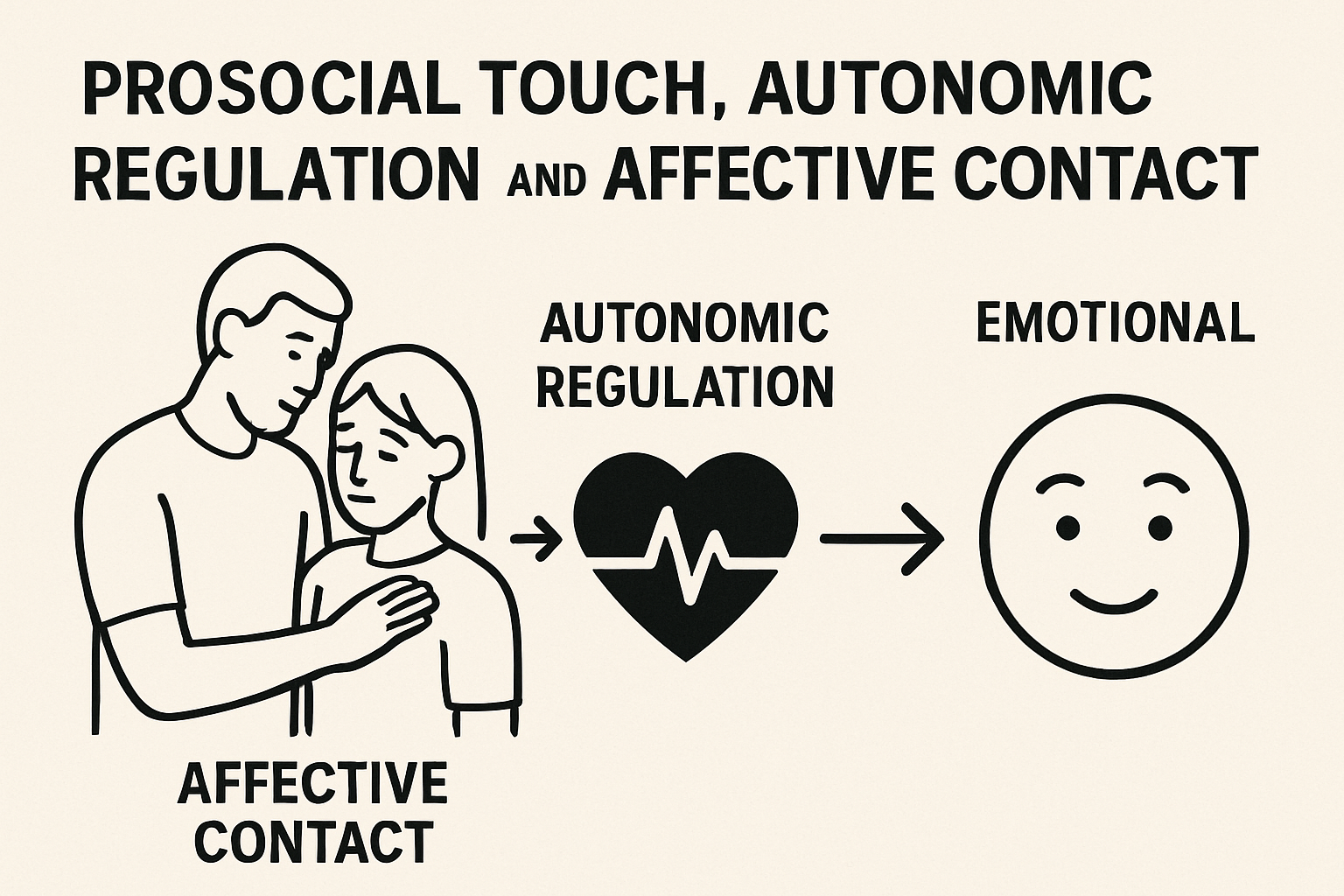
This research illuminates how gentle, prosocial touch, optimally processed by C-tactile afferents, profoundly influences our autonomic nervous system. Such affective contact not only registers as pleasant but actively contributes to physiological regulation and emotional well-being. Recognizing these science-backed mechanisms empowers us to intentionally integrate supportive touch into our daily lives, fostering deeper connection and resilience for ourselves and those around us.
Prosocial touch refers to gentle, supportive physical contact that promotes well-being and connection. This type of touch activates specialized nerve fibers called C-tactile afferents, which respond optimally to slow, gentle strokes, such as those at 3cm per second. The pleasantness we perceive from touch is strongly correlated with the firing rate of these afferents, showing a correlation of r=0.76.
Gentle, prosocial touch has a significant impact on our emotional state and mental health. Studies have shown that therapeutic touch can reduce depression scores by 28% over an 8-week period. Additionally, a 20-minute touch session can lead to a 35% increase in oxytocin, a hormone known for its role in bonding and stress reduction.
The positive effects of affective contact are rooted in its ability to modulate our autonomic nervous system. This regulation is partly mediated by C-tactile afferents, which are optimally stimulated by gentle touch at speeds around 3cm per second, contributing to feelings of pleasantness. This physiological response helps to reduce stress and foster a sense of connection, as evidenced by the 35% increase in oxytocin following a 20-minute touch session.
Blot A.; Barbour B.
McDougle S.; Ivry R.; Taylor J.
Guerra N.; Graham S.; Tolan P.
More from Biology Of Connection

Is there a link between loneliness and inflammation? We analyze current research on IL-6, the inconsistency of CRP, and the role of social bonds.

Positive emotions during brief 30-second interactions create measurable biological changes that build resilience through connection science, according t...

Touch deprivation triggers measurable changes in stress hormones and brain chemistry. Explore the neurochemistry of physical connection and evidence-bas...
Share this article
Prosocial Touch and Autonomic Regulation: The Science of Affective Contact
Human existence is intrinsically woven with the need for connection, a fundamental drive that finds its most primal expression through physical contact.
3 published papers · click to read
399
combined citations
Blot A.; Barbour B.
Ultra-rapid axon-axon ephaptic inhibition of cerebellar Purkinje cells by the pinceau — Nature Neuroscience
123 citations
McDougle S.; Ivry R.; Taylor J.
Taking Aim at the Cognitive Side of Learning in Sensorimotor Adaptation Tasks — Trends in Cognitive Sciences
246 citations
Guerra N.; Graham S.; Tolan P.
Raising Healthy Children: Translating Child Development Research Into Practice — Child Development
30 citations
Researchers identified from peer-reviewed literature indexed in Semantic Scholar · OpenAlex · PubMed. Each card links to the original published paper.