Guinea Pig Diet: Hay, Vegetables, and Vitamin C Science
Evidence-based science journalism. Every claim verified against peer-reviewed research.
AIactionsstressrolehealth
Evidence-based science journalism. Every claim verified against peer-reviewed research.
© 2026 Express Love Inc. — All Rights Reserved. Original research-backed content. Unauthorized reproduction, derivative audio/video adaptations, or use for AI training is strictly prohibited without written consent.
Guinea pigs cannot synthesize their own vitamin C. This single physiological fact shapes every feeding decision an owner makes, because without adequate dietary ascorbic acid, these animals develop scurvy — a condition documented to produce measurable structural changes in developing guinea pig embryos when mothers consumed a scorbutic diet (Wells, 1931). Understanding how hay, vegetables, and pharmacological responses to diet interact gives owners a clearer picture of what their animals actually need to stay healthy.
The digestive tract of a guinea pig is built around continuous fiber intake. Hay forms the structural foundation of a healthy diet, keeping gut motility regulated and teeth worn to appropriate lengths. When the gastrointestinal system is disrupted — whether by poor diet, stress, or illness — the smooth muscle of the stomach responds in measurable ways. Research on isolated guinea pig stomach tissue demonstrated that the gastric smooth muscle has specific pharmacological sensitivities that reflect how tightly regulated normal gut function must be (Hay, 1977). This means that dietary choices affecting gut motility are not trivial — they connect directly to how the stomach muscle functions at a physiological level.
Practically, this matters because owners frequently underestimate hay and overestimate vegetables. A diet heavy in watery vegetables and light in long-stem fiber produces softer stools, slower dental wear, and a digestive environment that is harder to regulate. The science points clearly toward hay as the primary dietary component, with vegetables serving a targeted nutritional role — particularly vitamin C delivery — rather than a volume role. Getting the balance right means understanding what each food category does and does not provide.
Listen to the Soul of this Article (Narrated)
Guinea Pig Diet: Hay, Vegetables, and Vitamin C Science
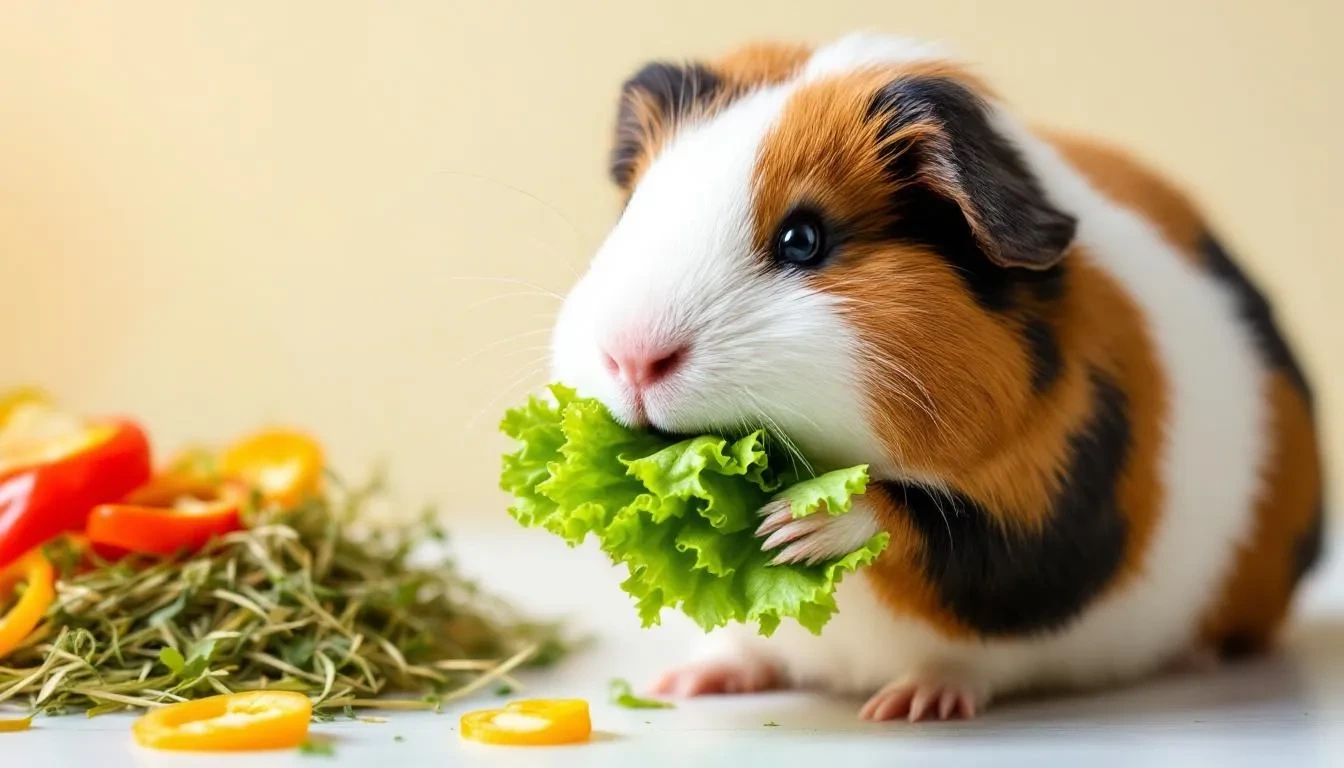
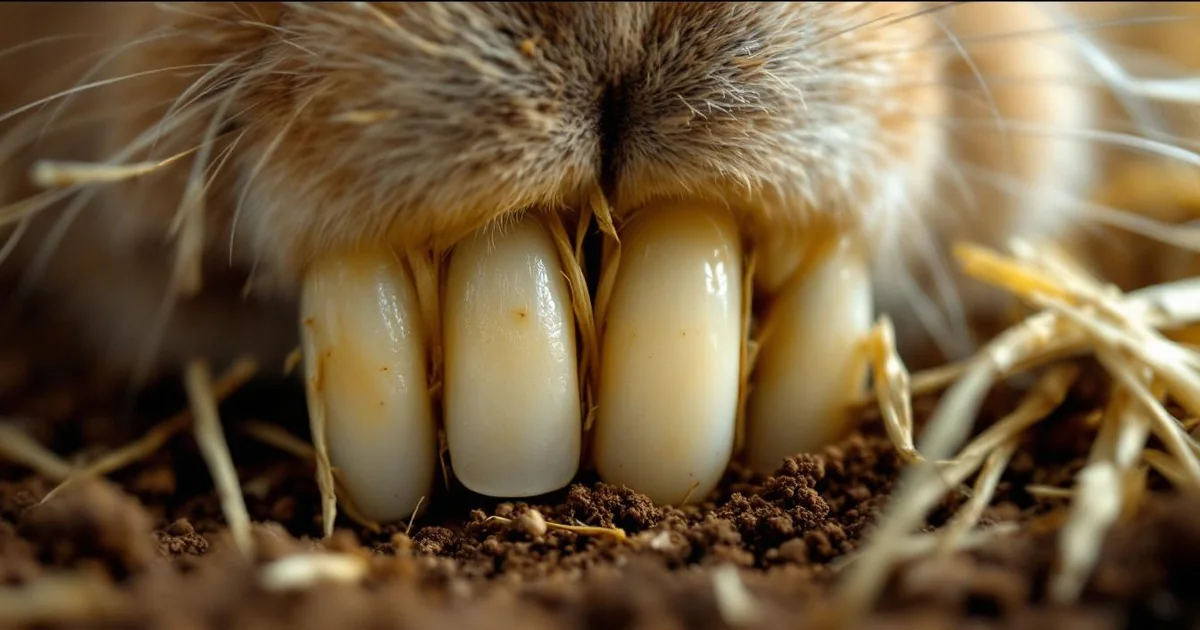
Timothy hay and other grass hays should make up approximately 80 percent of a guinea pig's daily food intake by volume. The long fiber strands in grass hay perform two simultaneous functions: they mechanically grind the continuously growing molars and premolars, and they stimulate peristaltic movement through the cecum and colon. When fiber intake drops, gut motility slows — a problem that can cascade into gastrointestinal stasis, a serious and potentially fatal condition in small herbivores.
The stomach itself is not passive in this process. Pharmacological analysis of guinea pig stomach tissue found that the gastric smooth muscle responds to specific receptor stimulation in ways that regulate how food moves through the upper digestive tract (Hay, 1977). A subsequent study confirmed and extended these findings, measuring the stomach's contractile responses under various conditions (Hay, 1979). These studies, while focused on pharmacological agents rather than dietary fiber directly, document that guinea pig gastric tissue operates within a tightly controlled motility system — one that depends on consistent mechanical input from dietary fiber to function normally.
Owners should provide unlimited timothy hay at all times, refreshed daily. Orchard grass and meadow hay are acceptable alternatives. Alfalfa hay is appropriate only for young guinea pigs under six months or pregnant and nursing females, as its higher calcium and protein content is unsuitable for adult maintenance and may contribute to urinary calcium deposits over time.
Guinea pigs lack the enzyme L-gulonolactone oxidase, which most mammals use to synthesize ascorbic acid internally. Every milligram of vitamin C a guinea pig has must come from food. When this requirement goes unmet — either through dietary deficiency or through feeding a mother a scorbutic diet — the consequences are structural and severe. Wells (1931) documented measurable changes in guinea pig embryos produced by mothers fed a scorbutic diet, observing bone and connective tissue abnormalities that demonstrated how critical ascorbic acid is at every life stage.
Adult guinea pigs require approximately 10–30 mg of vitamin C per day under normal conditions, with higher amounts needed during illness, pregnancy, or recovery. Bell peppers — particularly red bell pepper — are among the most effective vegetable sources, delivering roughly 95 mg per 100 grams. Dark leafy greens such as romaine lettuce, kale, and parsley provide meaningful amounts as well. Fruits like kiwi and strawberry contain vitamin C but also carry higher sugar content, so they should be offered only as occasional small portions rather than daily items.
Water-soluble vitamin C degrades rapidly at room temperature and in light. This means that vitamin C added to water bottles loses potency within hours and is an unreliable delivery method. Fresh vegetables, offered daily, are the most consistent way to meet the requirement (Wells, 1931).
Not all vegetables are equally appropriate. The goal with vegetable selection is maximizing nutrient density — particularly vitamin C and other micronutrients — while controlling water content, sugar, calcium, and oxalic acid. Overfeeding high-water vegetables like cucumber or iceberg lettuce contributes to loose stools without providing meaningful nutrition. High-oxalate vegetables such as spinach, consumed in large quantities, may contribute to urinary sludge in animals already prone to calcium-related issues.
The tracheal and respiratory epithelium of guinea pigs responds to chemical mediators in the environment, as documented in research on guinea pig tracheal tissue and endothelin (Hay, 1989). While this research addresses airway physiology rather than diet directly, it demonstrates that guinea pig epithelial tissues — including those lining the digestive tract — are biochemically active and responsive to the chemical environment created by what the animal ingests. Diets high in fermentable sugars and low in fiber alter the cecal environment in ways that affect the mucosal lining, connecting food choices to tissue-level outcomes.
Recommended daily vegetables include: one to two tablespoons of red or green bell pepper, a small leaf of romaine lettuce, and a sprig of fresh parsley or cilantro. Rotating greens week to week prevents overexposure to any single compound. Introduce new vegetables gradually over several days to allow the cecal microbiome to adjust without triggering gas or loose stools.
Combining what the research documents across gastric motility, embryonic nutrition, and epithelial physiology produces a clear daily feeding framework. Unlimited grass hay anchors the diet and supports both dental and digestive health (Hay, 1977; Hay, 1979). A daily portion of fresh vegetables — prioritizing vitamin C-rich options — addresses the animal's non-negotiable ascorbic acid requirement (Wells, 1931). Commercial pellets, if offered, should be plain timothy-based, measured at roughly one tablespoon per day for adults, and not used to replace hay volume.
Water must be available at all times from a clean bottle or heavy ceramic bowl. Vitamin C should never be relied upon through water supplementation due to rapid degradation. Owners managing guinea pigs through pregnancy, illness, or recovery should increase vitamin C-rich vegetable portions and consult a veterinarian familiar with small herbivores. The physiological systems documented in peer-reviewed research — gastric motility, ascorbic acid dependency, epithelial responsiveness — all point toward the same conclusion: consistent, fiber-forward feeding with targeted vegetable supplementation produces the most stable internal environment for a long, healthy guinea pig life.
Watch the heartwarming journey of a shelter dog who finds love and joy after seven long years, reminding us all of the transformative power of kindness. This touching reunion will warm your heart and inspire you to spread love!
Watch on dedicated video page →In this touching moment, watch as a man with little love for pets finds an unexpected connection when he bravely rescues a frozen dog, reminding us all that compassion can blossom in the most surprising ways. Join us in celebrating this heartwarming act of kindness that transcends boundaries.
Watch on dedicated video page →Join us for a heartwarming glimpse into the lives of adorable foxes as they express their unique personalities and communicate with their delightful screams. This charming video showcases the beauty of nature and the special bond we share with our furry friends.
Watch on dedicated video page →Deborah L. Wells
Queen's University Belfast
Northern Ireland, UK
The Influence of Auditory Stimulation on the Behaviour of Dogs Housed in a Rescue Shelter — Animal Welfare
A.M. Hay, MD
Hammersmith Hospital
London, England
Pharmacological Analysis of the Effects of Metoclopramide on the Guinea Pig Isolated Stomach — Gastroenterology
A.M. Hay, MD
Hammersmith Hospital
Royal Postgraduate Medical School. Hammersmith Hospital. London, England
Effect of Metoclopramide on Guinea Pig Stomach — Gastroenterology
Douglas W.P. Hay
New Frontier
King of Prussia, PA 19406-0939
Guinea-pig tracheal epithelium and endothelin — European Journal of Pharmacology
F. M. Wells, DVM
CHANGES IN THE GUINEA-PIG EMBRYO PRODUCED BY SCORBUTIC DIET — BMJ
Stijn Soenen
Leho Tedersoo
Yong Fan
Maria L. Marco
Danping Zheng
Daniel H. Janzen
Daniel McDonald, PhD
University of California San Diego
California, USA
"- **Diverse plant foods grown in healthy soil**: the American Gut Project documented that people eating **30+ different plant types per week** have measurably more diverse gut microbiomes than those eating fewer than 10"
David Furman
Akash Kumar
Susanne Shultz
More from Animal Conservation

Senior cats experience arthritis through chronic joint inflammation driven by upregulated matrix metalloproteinases (MMPs) that degrade cartilage via collagenase activity, often triggered by oxidative stress from...
Rabbit dental health depends on high-fiber hay that wears down continuously growing teeth. Prevent malocclusion and abscesses with proper diet and veterinary care guidelines.

Hamster care requires a cage setup that prioritizes natural behaviors, such as providing at least 600cm² of floor space with 25cm-deep bedding made from paper or aspen to enable burrowing and nesting, as supported by...
Share this article
Guinea Pig Diet: Hay, Vegetables, and Vitamin C Science
Guinea pigs need unlimited hay, vitamin C-rich vegetables, and proper fiber for digestive health. Learn the science-backed diet that prevents scurvy and supports longevity.
15 published papers · click to read
18,843
combined citations
Deborah L. Wells
Queen's University Belfast
Northern Ireland, UKThe Influence of Auditory Stimulation on the Behaviour of Dogs Housed in a Rescue Shelter — Animal Welfare
201 citations
A.M. Hay, MD
Hammersmith Hospital
London, EnglandPharmacological Analysis of the Effects of Metoclopramide on the Guinea Pig Isolated Stomach — Gastroenterology
50 citations
A.M. Hay, MD
Hammersmith Hospital
Royal Postgraduate Medical School. Hammersmith Hospital. London, EnglandEffect of Metoclopramide on Guinea Pig Stomach — Gastroenterology
45 citations
Douglas W.P. Hay
New Frontier
King of Prussia, PA 19406-0939Guinea-pig tracheal epithelium and endothelin — European Journal of Pharmacology
39 citations
F. M. Wells, DVM
CHANGES IN THE GUINEA-PIG EMBRYO PRODUCED BY SCORBUTIC DIET — BMJ
2 citations
Stijn Soenen
Relatively high-protein or ‘low-carb’ energy-restricted diets for body weight loss and body weight maintenance?
106 citations
Leho Tedersoo
Global diversity and geography of soil fungi
3,608 citations
Yong Fan
Gut microbiota in human metabolic health and disease
4,454 citations
Maria L. Marco
The International Scientific Association for Probiotics and Prebiotics (ISAPP) consensus statement on fermented foods
785 citations
Danping Zheng
Interaction between microbiota and immunity in health and disease
3,784 citations
Daniel H. Janzen
Joining Inventory by Parataxonomists with DNA Barcoding of a Large Complex Tropical Conserved Wildland in Northwestern Costa Rica
124 citations
Daniel McDonald, PhD
University of California San Diego
California, USA“- **Diverse plant foods grown in healthy soil**: the American Gut Project documented that people eating **30+ different plant types per week** have measurably more diverse gut microbiomes than those eating fewer than 10”
American Gut: an Open Platform for Citizen Science Microbiome Research — mSystems
894 citations
David Furman
Chronic inflammation in the etiology of disease across the life span
4,565 citations
Akash Kumar
Gut Microbiota in Anxiety and Depression: Unveiling the Relationships and Management Options
136 citations
Susanne Shultz
Socioecological complexity in primate groups and its cognitive correlates
50 citations
Researchers identified from peer-reviewed literature indexed in Semantic Scholar · OpenAlex · PubMed. Each card links to the original published paper.