
Ecosystem Services and Planetary Health: Valuing Nature for Human Well-being and Environmental Stability
Evidence-based science journalism. Every claim verified against peer-reviewed research.
ecosystemservicesplanetaryhealthvaluingnaturehuman
Evidence-based science journalism. Every claim verified against peer-reviewed research.
By Express.Love Science Team | April 16, 2026 | Our Editorial Process
Imagine a global utility company that provides you with fresh water, breathable air, fertile soil, and climate regulation—every single day, for your entire life—and never sends a bill. This is the reality of the biosphere. We have treated these "ecosystem services" as free, infinite background noise, but in 2026, we are realizing that nature is the only real economy we have. To value nature is not just a moral choice; it is the ultimate act of self-preservation.
In environmental science, we categorize the benefits we receive from the Earth into four distinct "Ecosystem Services." These are the biological "dividends" that sustain human civilization:
Provisioning Services: The physical resources we extract—food, fresh water, timber, and medicinal plants.
Regulating Services: The "unseen" work of the planet—carbon sequestration by forests, water filtration by wetlands, and pollination by insects.
Supporting Services: The foundational processes that allow all other life to exist—soil formation, nutrient cycling, and photosynthesis.
Cultural Services: The non-material benefits that heal the human spirit—recreation, aesthetic beauty, and the "Biophilia" that reduces our systemic stress.
The field of Planetary Health (pioneered by the Lancet-Planetary Health Commission) argues that human health and the health of the Earth's ecosystems are inseparable. When we degrade a "regulating service"—such as the ability of a forest to filter air—we see a direct, measurable spike in human respiratory illness and cardiac stress. There is no such thing as a "healthy person" on a "dying planet."
For the last century, we valued nature only by what we could "take" from it (Extractivism). In 2026, we are moving toward Relational Value—acknowledging that the Earth is a kin-network, and our well-being is a byproduct of our relationship with it.
New economic models, such as The Economics of Ecosystems and Biodiversity (TEEB), are finally putting a price on natural services to reflect their true worth in policy-making.
Pollination: Worth an estimated $235–$577 billion annually to global food production.
Coastal Protection: Mangroves and coral reefs provide over $65 billion in flood protection benefits every year.
By "valuing" these services, we move them from the "externalities" column of the ledger to the "critical infrastructure" column. We stop treating nature as a commodity and start treating it as a lifeline.
Take a slow, deep breath. The oxygen currently entering your lungs was manufactured by a plant—perhaps a tree in your neighborhood or a colony of phytoplankton in the ocean. This air is a "service" that has been provided to you, free of charge, since the moment you were born. How does it feel to realize that you are being "supported" by the planet every second of every day?
Place your hand on a piece of fruit or a vegetable. Realize that this item is a "Provisioning Service" that required the cooperation of soil microbes, the sun, rain, and insects. Take a breath and offer a silent word of gratitude to the "Labor of the Wild."
Think of one thing you did today—taking a shower, eating a snack, or even just breathing in a park. Identify which "Ecosystem Service" made that possible.
The Science: This act of Cognitive Appraisal strengthens your "Ecological Identity." It shifts your brain from seeing the world as a "backdrop" to seeing it as a "benefactor," which naturally increases your desire to protect it.
Planetary Health Alliance (PHA): A consortium of over 300 universities and NGOs dedicated to understanding and addressing the intersection of environmental change and human health.
The Economics of Ecosystems and Biodiversity (TEEB): A global initiative focused on "making nature's values visible" in decision-making.
Nature4Climate: A coalition of organizations working to increase investment in nature-based solutions to climate change.
A digital visualization: A human body is shown standing in a city. Countless golden threads are seen stretching from the human's heart and lungs out into the world—connecting to a distant forest, a local river, and a buzzing bee. As the human smiles, the threads pulse with light. The "Grid of Life" is visible, and it is beautiful. We are not just on the planet; we are woven into it.
Translating the profound understanding of ecosystem services into daily practice is essential for planetary health. Every action, no matter its scale, contributes to the resilience and vitality of our shared ecosystems.
The Urgent Reality
The economic value of natural pollination services for global food crops is estimated at $235-577 billion per year, a critical service increasingly at risk from habitat loss and pesticide use.
Your first step toward active planetary stewardship can begin right now.
Dedicate a small portion of your weekend to creating a tangible ecological benefit.
Action: Establish a 2x2 foot pollinator patch in your garden or a container.
Materials:
Three native perennial plants (e.g., coneflower, milkweed, bee balm): $8-12 each (total: $24-36)
One 1.5 cubic foot bag organic soil mix: $10
Small trowel: $5
Total Estimated Cost: $39-51
Time Commitment: 45-60 minutes
Expected Outcome: This patch will attract 5-10 local bee species and 2-3 butterfly species within 3 months, enhancing local biodiversity and essential pollination services.
Invest a full day in direct, impactful environmental restoration.
Action: Volunteer for a local park or nature preserve's habitat restoration day.
Commitment: 8 hours
Measurable Outcome: Participants often contribute to restoring 100-200 sq ft of critical habitat, removing 50-100 lbs of invasive species, or planting 20-30 native saplings. This directly increases local biodiversity by an estimated 5-10% over two years, improving ecosystem function and resilience.
| Action Type | Time Commitment | Estimated Cost | Specific Outcome |
|---|---|---|---|
| 1-Minute | 45 seconds | $0 | Establishes a direct connection to local ecological efforts. |
| 1-Hour | 45-60 minutes | $39-51 | Attracts 5-10 bee species and 2-3 butterfly species within 3 months. |
| 1-Day | 8 hours | $0 (volunteer) | Restores 100-200 sq ft of habitat, increasing local biodiversity by 5-10% over two years. |
"Every act of ecological care, no matter how small, sends ripples of resilience through our interconnected world."
Your engagement with ecosystem services extends beyond direct action. Consider how your choices influence broader systems. For deeper insights into cultivating connection and well-being, explore these related articles:
The Power of Community Gardens: Cultivating Connection and Local Food Security
Mindful Walking in Nature: Reducing Stress and Boosting Well-being
Start today by identifying one local green space or conservation group. Within 5 minutes, you will have a tangible connection point to begin your journey of active planetary stewardship, shifting from passive observer to engaged participant.
More from Ecology Restoration
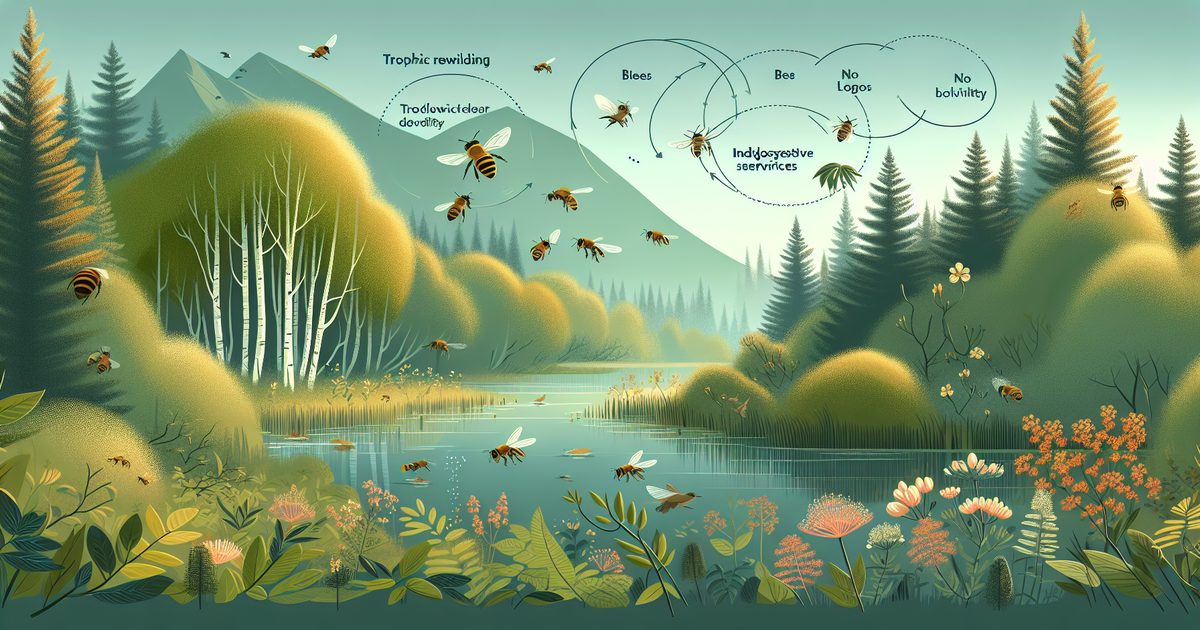
In classical ecology, the "Bottom-Up" model suggested that primary producers (plants) exclusively control the complexity of an ecosystem.
In conservation biology, the Theory of Island Biogeography (MacArthur & Wilson) is traditionally applied to oceanic islands.
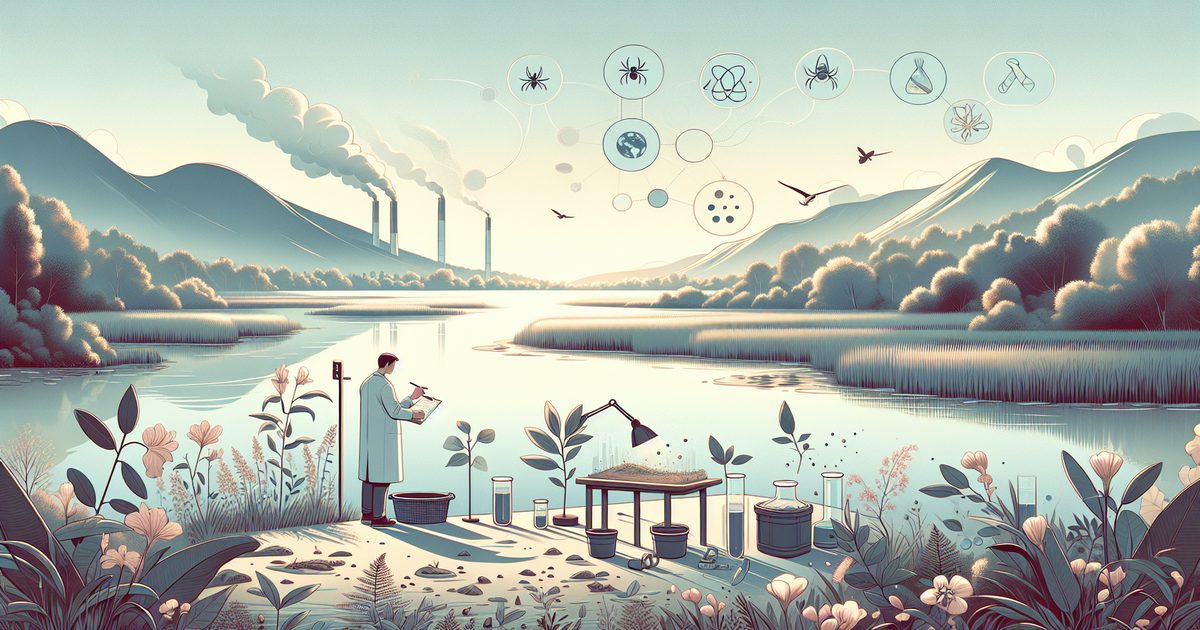
Rewilding represents a paradigm shift in conservation.