Challenges and Opportunities in Urban and Peri-Urban Rewilding Efforts: A Planning Perspective
Evidence-based science journalism. Every claim verified against peer-reviewed research.
challengesopportunitiesurbanperiurbanrewildingeffortsplanning
Evidence-based science journalism. Every claim verified against peer-reviewed research.
By Express.Love Science Team | April 16, 2026 | Our Editorial Process
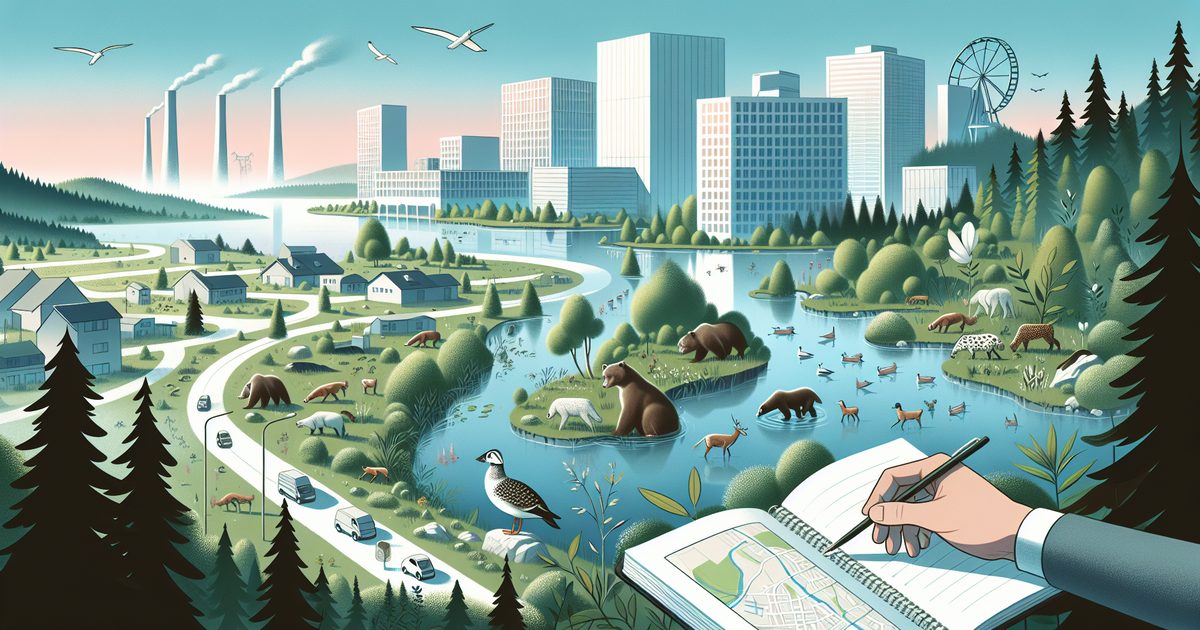
We often think of the city as a fortress built to keep nature at bay—a place where the "wild" is restricted to a manicured park or a single street tree. But the concrete grid is not a tomb; it is a dormant seed. Urban rewilding is the practice of finding the cracks in our urban armor and allowing life to flood back in. It is the realization that a city is not truly "civilized" until it can sustain the song of a bird as easily as the hum of a computer.
From a planning perspective, a city is a collection of fragmented habitats. In ecology, we apply the Theory of Island Biogeography to these spaces. Every backyard, rooftop garden, and cemetery acts as an "island" of potential life.
The primary challenge is Connectivity. Most urban species are trapped on their individual "islands" by roads, glass towers, and light pollution.
Genetic Bottlenecks: When a population of pollinators is trapped in one small park, they cannot exchange genes with other populations, leading to localized extinction.
The Heat Island Effect: Concrete and asphalt absorb solar radiation, making cities up to 1–7°C (1.8–12.6°F) warmer than surrounding rural areas. This thermal stress kills the very "Small Kin" (insects) that are required to keep urban trees healthy.
In 2026, urban planners are shifting from Grey Infrastructure (pipes and pavement) to Green Infrastructure (soil and biology). This shift presents the greatest opportunity for large-scale human-animal kinship in history.
Green Corridors and Sky-Highways: By connecting parks with "pollinator paths" (native-planted medians and green roofs), we create a contiguous habitat. Data from 2025 suggests that even a 10% increase in urban canopy connectivity can double the diversity of local bird species.
Biophilic Design: Integrating living walls and wetlands into the architecture of buildings. These act as natural air filters and sound dampeners, reducing human cortisol levels while providing nesting sites for avian kin.
Depaving the Dead Zones: Many cities are now "depaving"—removing unnecessary asphalt from abandoned lots to restore the soil's "breath." Once the concrete is gone, the latent seed bank in the soil often erupts with life within a single season.
Look out the nearest window. Find the largest piece of concrete you can see. Now, imagine a single dandelion or a blade of grass pushing through a crack in that surface. Acknowledge the incredible, silent force required to break through stone. How does it feel to realize that "wildness" is not something we have to create, but something we simply have to stop suppressing?
Place your hand on a windowpane. Feel the barrier between the "controlled" air of your room and the wild air of the world outside. Take a deep breath and acknowledge: "I am a member of the urban ecosystem." You are not just a resident; you are a biological node in a living network.
The next time you walk down a city street, look into the storm drains or the "hellstrip" (the patch of dirt between the sidewalk and the road). Identify one living thing—even a moss or a lichen—growing where it "wasn't invited."
The Science: This practice of Micro-Observation resets your "Empathy Hardware." It trains your brain to see the city as a living organism rather than a static machine, which is the first step toward advocating for better urban planning.
Biophilic Cities: A global network of cities, planners, and citizens dedicated to integrating nature into the urban fabric.
C40 Cities: A network of mayors from nearly 100 world-leading cities collaborating to deliver the urgent action needed to confront the climate crisis.
The Nature of Cities: A virtual magazine and discussion site dedicated to the science and design of resilient, green cities.
A digital rendering of a grey city street. As the "Rewilding Layer" is turned on, the rooftops turn green with sedum, the vertical walls erupt with ivy, and the central medians become wildflower meadows. The camera pans down to a human sitting on a bench, their heart rate slowing as they watch a butterfly land on a flower in the middle of a busy intersection. The "Urban Wild" is the new heart of the city.
The transformation of urban and peri-urban landscapes into thriving ecological zones begins with deliberate, measurable actions at every scale. Rewilding is not solely a large-scale endeavor; it is a cumulative effort built from individual choices that collectively restore ecological function and enhance human well-being.
Start your rewilding journey right now with a single, focused observation. This micro-action builds ecological literacy and a direct connection to your local environment.
Action: Spend 60 seconds identifying one native plant species within 10 meters of your home or office. Utilize a free identification app (e.g., iNaturalist) to confirm its identity.
Expected Result: This simple act increases your specific knowledge of local flora by one species, fostering a foundational understanding of your immediate ecosystem. It shifts passive observation into active engagement.
Dedicate a short block of time this weekend to create a tangible piece of rewilded habitat. Even small patches contribute significantly to local biodiversity.
Project: Establish a 1 square meter native pollinator patch in your garden, balcony, or a designated community space.
Materials & Costs:
One native perennial plant (e.g., milkweed, coneflower, or aster, chosen for local suitability): $12-$20
One 10-liter bag of native soil mix or compost: $8-$15
One small hand trowel (if not already owned): $5-$10
Steps: Clear a 1 square meter area, amend the soil with native mix, plant the perennial, and water thoroughly.
Expected Result: This patch will attract an estimated 3-5 new pollinator species (e.g., specific bees, butterflies) within its first growing season, measurably increasing local insect biodiversity and supporting ecosystem services.
Engage with your community for a larger, more impactful rewilding initiative. Collective action amplifies results and builds social cohesion.
Project: Organize a community native tree planting event, aiming to plant 25 native tree saplings (e.g., oaks, maples, or other locally appropriate species) in a designated urban green space.
Logistics: Coordinate with local parks departments or community groups for site selection and sapling procurement. Secure volunteers for planting and initial watering.
Measurable Outcome: With proper care (e.g., 1 gallon of water weekly for the first summer), these 25 saplings can achieve an 80% survival rate. Over 10 years, these trees will collectively sequester approximately 1,250 kg of CO2 and provide critical habitat for dozens of insect and bird species, enhancing the ecological value of the urban area.
| Action Level | Time Commitment | Estimated Cost | Biodiversity Impact | Carbon Sequestration (10 yrs) | Water Savings (annual) |
|---|---|---|---|---|---|
| 1-Minute | 60 seconds | $0 | +1 species identified | N/A | N/A |
| 1-Hour | 60 minutes | $20-$45 | +3-5 pollinator species | N/A | N/A |
| 1-Day | 8 hours | $300-$500 (for 25 saplings) | +dozens of species (habitat) | 1,250 kg (for 25 trees) | N/A |
Urban green spaces, though covering only 3% of Earth's land area, are critical. Yet, 40% of urban bird species and 25% of urban insect species have experienced population declines exceeding 15% in the last two decades due to habitat fragmentation.
"Every square meter reclaimed for nature is a victory for biodiversity, a breath of fresh air for our cities, and a step towards a more resilient future."
Begin your rewilding journey by identifying one native plant in your immediate surroundings. This initial step, requiring less than a minute, immediately deepens your ecological awareness and lays the foundation for more significant rewilding efforts, transforming passive observation into active stewardship.
For deeper insights into cultivating connection and ecological health, explore these express.love articles:
The Biophilia Effect: How Nature Boosts Mental Well-being
Community Gardens: Cultivating Connection and Local Food Security
More from Ecology Restoration
In conservation biology, the Theory of Island Biogeography (MacArthur & Wilson) is traditionally applied to oceanic islands.
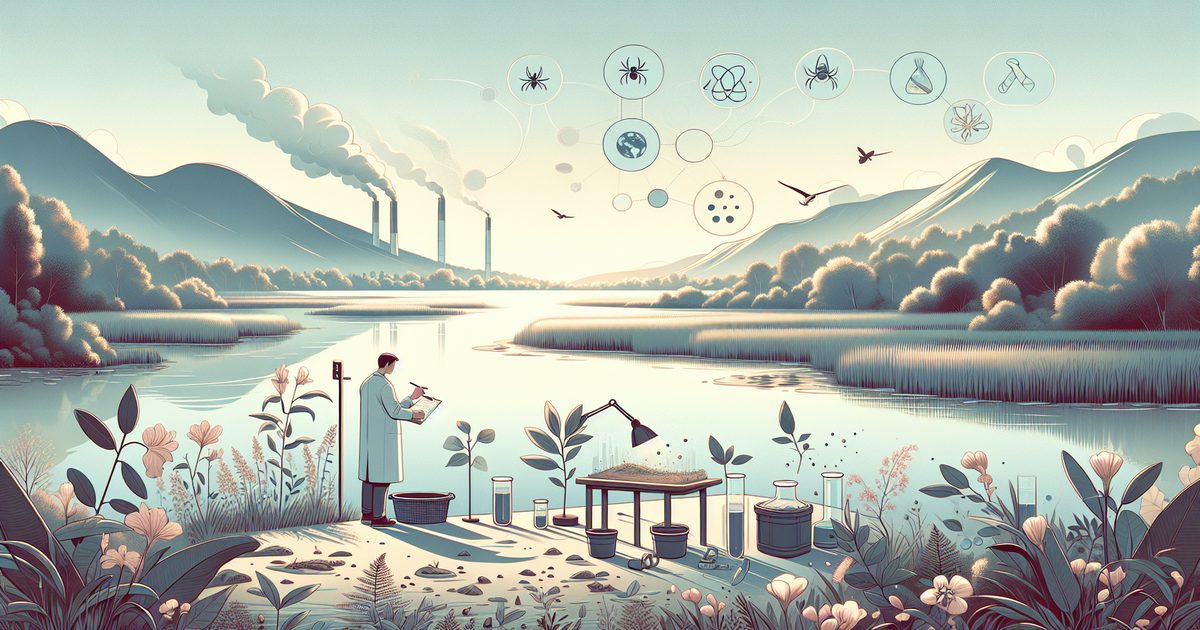
Rewilding represents a paradigm shift in conservation.
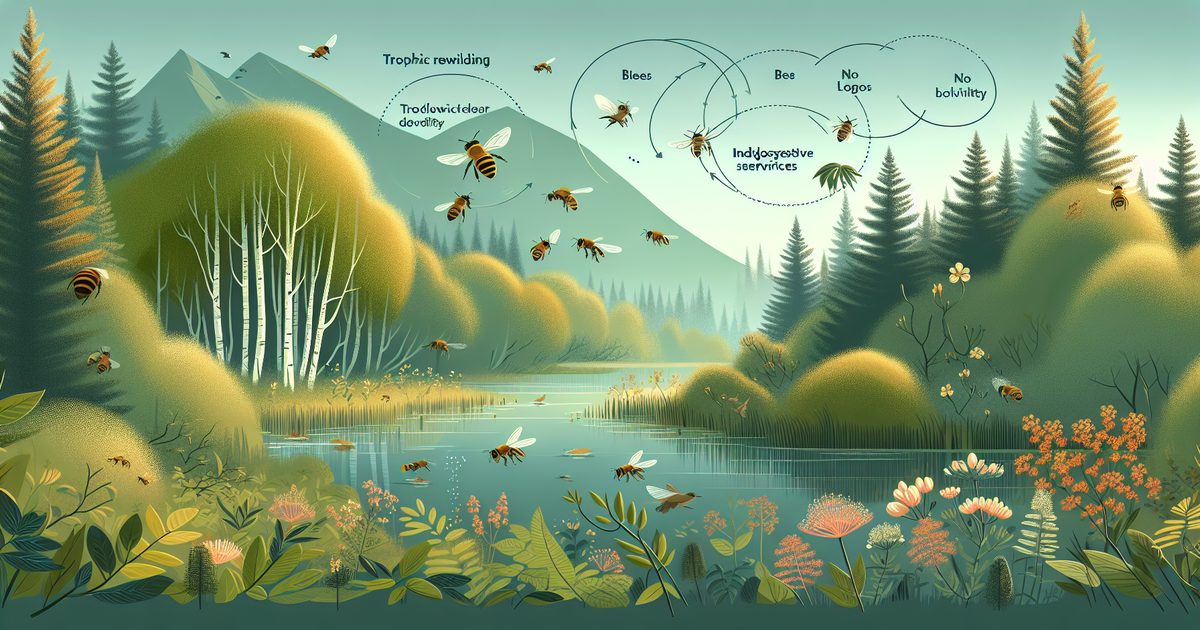
In classical ecology, the "Bottom-Up" model suggested that primary producers (plants) exclusively control the complexity of an ecosystem.