1. The 2026 Biological Ledger: Drivers and Thresholds
As of 2026, the data from the Intergovernmental Science-Policy Platform on Biodiversity and Ecosystem Services (IPBES) remains stark: we are in the midst of the Sixth Mass Extinction. Unlike previous extinctions, this one is driven by a single biological entity—human activity.
The Five Drivers of Collapse
To heal the planet, we must address the root causes of the "Biological Burn":
- Land-Use Change: The primary driver. Converting wild forests and grasslands into monocultures and urban sprawl destroys the "homes" of our kin.
- Climate Instability: Rapidly shifting temperature zones outpace the ability of species to migrate, leading to "ecological traps."
- Pollution & Toxicity: From microplastics in the deep sea to nitrogen runoff in our rivers, we are chemically altering the "bloodstream" of the planet.
- Overexploitation: Treating the ocean and the forest as a mine rather than a garden.
- Invasive Species: The accidental or intentional movement of species that disrupt the local biological "peace treaty."
2. Consequences: The "One Health" Connection
The crisis is not just an "environmental" issue; it is a Planetary Health crisis. When biodiversity collapses, the feedback loops that sustain human civilization begin to fail.
The Feedback Loops
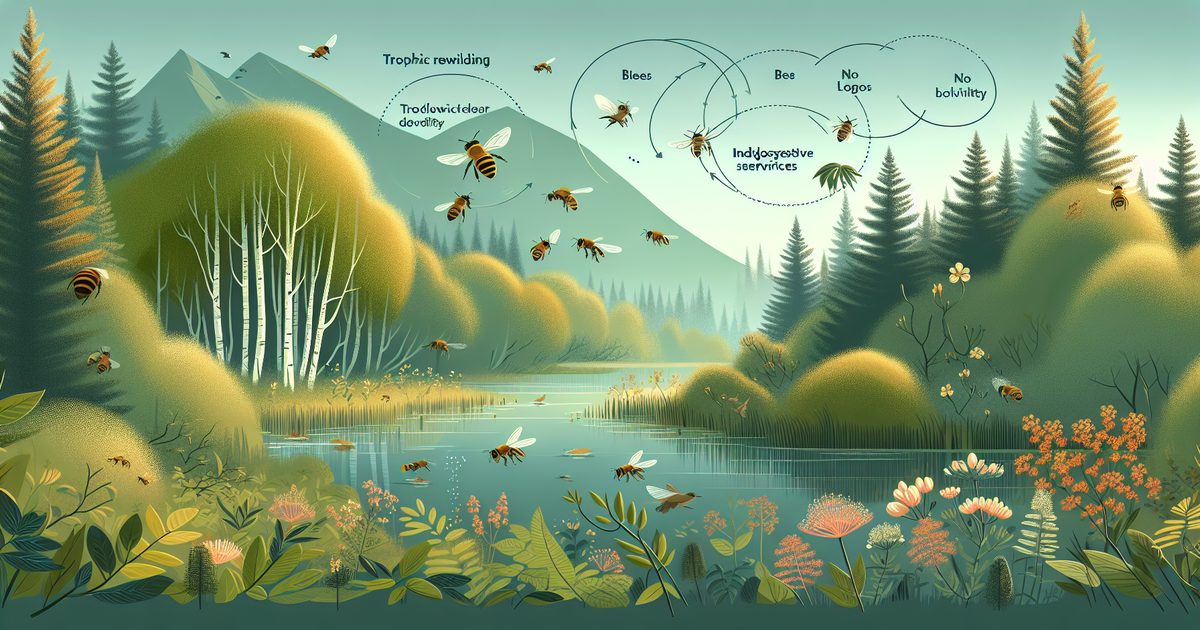
Ecosystem Service Decay: When we lose pollinators (insects), our food systems become fragile. When we lose wetlands, our cities flood. The "biological insurance policy" we've relied on for ten thousand years is being canceled.
Zoonotic Spillover: Biodiversity acts as a "buffer." In degraded ecosystems, pathogens move more easily from animals to humans. Protecting wild kin is the single most effective way to prevent the next pandemic.
Tipping Points: We are approaching thresholds where ecosystems—like the Amazon or the permafrost—may shift from "carbon sinks" to "carbon sources." Once these gears turn, they cannot be easily reversed by human technology.
🕒 Pause & Reflect
Take a moment to look at your own hand. Notice the complexity of your skin, the pulse in your wrist. You are a biological masterpiece, but you cannot exist for a single minute without the "work" of other species—the bacteria in your gut, the trees creating your oxygen, the insects pollinating your food. How does it feel to realize that you are not a separate observer of the "crisis," but a living participant in the web?
Love In Action
1. Pause & Reflect
Place your hands on your chest and feel the rise and fall of your breath. Acknowledge that the air you are breathing is a gift from the "Kinship of Plants." Take a deep breath and offer a silent "thank you" to the diversity of life that makes this moment possible.
2. ⚡ 60-Second Micro-Act: The 30x30 Advocate
The global 30x30 goal is to protect 30% of the Earth's land and sea by 2030. Spend 60 seconds finding out if your local or national government has officially committed to this target.
The Science: Political will is the "keystone" of conservation. By being an informed citizen, you provide the "Social Pressure" needed to turn targets into protected habitats.
3. The Village Map (Planetary Kin)
IPBES: The leading global body providing scientific evidence to decision-makers.
The IUCN Red List of Threatened Species: The world's most comprehensive information source on the global conservation status of species.
Nature Positive: A global movement calling for the world to halt and reverse nature loss by 2030.
4. The Kindness Mirror
A digital map of the world. At first, it is covered in small, flickering red lights (extinction zones). As humans begin to enact "Urgent Actions"—rewilding, depaving, and protecting—the red lights turn into vibrant green pulses. The pulses expand and connect, forming a glowing, resilient network across the continents. The planet is no longer "failing"; it is healing.
Take Action Today
Action Protocol
The biodiversity crisis demands immediate, tangible action. Every choice, from a minute-long decision to a day-long commitment, contributes to the health of our planet. This protocol outlines specific steps you can take, starting today, to foster ecological resilience and protect life on Earth.
Your Impact: A Snapshot
| Action Level | Time Commitment | Estimated Annual Impact | Cost Range |
|---|
| 1-Minute | Daily | 300-500 fewer plastic items | $0-$5 |
| 1-Hour | Weekend | 15% increase in local pollinator visits | $30-$50 |
| 1-Day | Monthly | 50-100 unique biodiversity observations | $0 |
1-Minute Action: Eliminate Single-Use Plastics
Identify one single-use plastic item you regularly use, such as a plastic water bottle, coffee cup, or grocery bag. Commit to replacing it with a reusable alternative starting today.
Step 1: Select one item (e.g., plastic water bottle).
Step 2: Purchase a reusable alternative (e.g., stainless steel water bottle, cost: $10-$25).
Step 3: Carry your reusable item daily.
Expected Result: Prevent 300-500 plastic items from entering landfills or oceans annually, reducing plastic pollution that harms marine and terrestrial wildlife.
1-Hour Action: Cultivate a Pollinator Patch
Dedicate a weekend hour to creating a small, native pollinator patch in your garden or a container.
Materials:
3-5 native perennial wildflower plants (e.g., milkweed, coneflower, aster) from a local nursery.
Native soil mix (if using a container).
Small trowel.
Estimated Cost: $30-$50 for plants.
Steps:
Step 1: Select a sunny 2x2 foot area in your garden or a 12-inch diameter pot.
Step 2: Plant your native wildflowers according to nursery instructions.
Step 3: Water thoroughly (1 gallon weekly for the first summer).
Expected Result: Provide vital nectar and pollen sources, increasing local pollinator visits by an estimated 15% within one growing season, supporting insect populations crucial for ecosystem health.
1-Day Action: Become a Citizen Scientist
Commit a full day (4-6 hours) to a citizen science project focused on biodiversity monitoring.
Tool: iNaturalist app (free download).
Steps:
Step 1: Download the iNaturalist app and create an account.
Step 2: Visit a local park, nature reserve, or even your backyard.
Step 3: Spend 4-6 hours photographing and uploading observations of plants, insects, birds, and fungi.
Step 4: Add detailed notes and locations to each observation.
Expected Result: Contribute 50-100 unique, verified biodiversity observations to global databases, directly aiding scientists in tracking species distribution, population changes, and identifying conservation priorities.
"Since 1970, global vertebrate populations have plummeted by an average of 69%."
Start Today
The urgency of the biodiversity crisis cannot be overstated. Global vertebrate populations have declined by an average of 69% since 1970. This staggering loss impacts every aspect of planetary health, from climate regulation to food security.
Your actions, however small, create a ripple effect of positive change.
Start today by identifying one single-use plastic item in your daily routine and replacing it. This immediate action reduces your personal waste by an estimated 300 items annually, directly lessening the burden on ecosystems.
Learn more about sustainable living: [Link to: "Mindful Consumption: Reducing Your Ecological Footprint"]
Discover the power of local action: [Link to: "The Ripple Effect: How Local Food Systems Boost Planetary Health"]
Connect with nature in your community: [Link to: "Cultivating Connection: The Power of Community Gardens"]