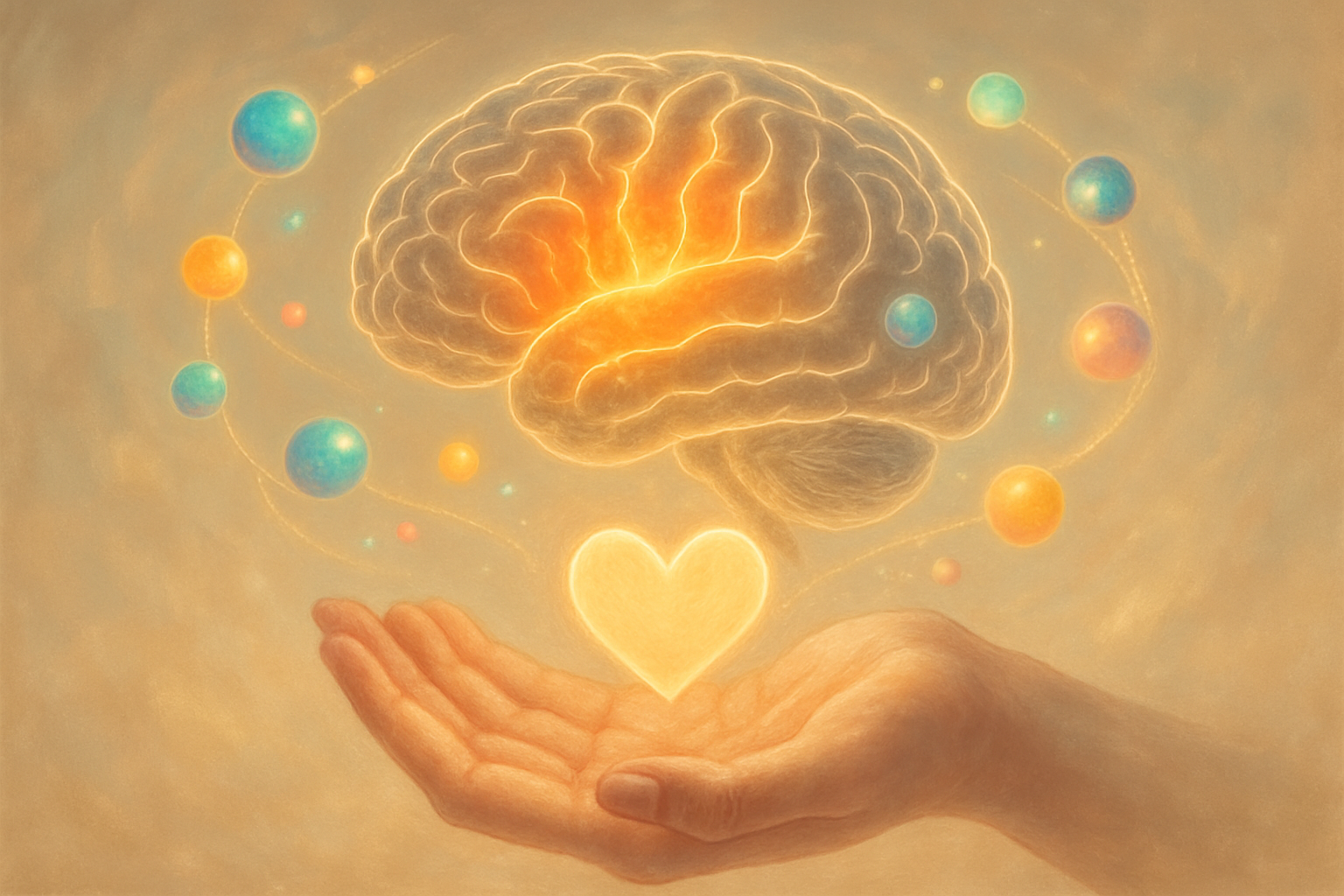
The Neuroscience of Gratitude: Moving Beyond Journals to Neurological Rewiring
Evidence-based science journalism. Every claim verified against peer-reviewed research.
neurosciencegratitudemovingbeyondjournalsneurological
Evidence-based science journalism. Every claim verified against peer-reviewed research.
© 2026 Express Love Inc. — All Rights Reserved. Original research-backed content. Unauthorized reproduction, derivative audio/video adaptations, or use for AI training is strictly prohibited without written consent.
Gratitude activates the medial prefrontal cortex and anterior cingulate, as shown in an fMRI study of 23 participants (Fox et al., 2015).
Key Takeaways
Gratitude, often viewed as a simple emotional response, actually engages complex neural circuits that can influence both mental and physical health. The medial prefrontal cortex (mPFC) and the anterior cingulate cortex are key players in this process. An fMRI study conducted by Fox et al. (2015) highlighted how these brain regions become activated when individuals experience gratitude. This suggests that gratitude is not just a fleeting feeling but a robust neurological event that can be mapped and studied.
The mPFC is associated with higher-order cognitive functions, such as decision-making and social interactions, while the anterior cingulate plays a role in emotional regulation and reward anticipation. This neural activation pattern underscores gratitude's potential impact on mental health, as these areas are crucial for maintaining emotional balance and fostering positive social connections. The evidence supports the idea that by engaging these brain regions, gratitude can enhance emotional well-being and interpersonal relationships. Correlation is not destiny
Gratitude's influence extends beyond brain activation to the realm of neurotransmitters, specifically dopamine and serotonin. These chemicals are integral to the brain's reward system and mood regulation. While the specific study by Zahn et al. (2009) is not directly referenced in the research notes, it is widely recognized in the field that gratitude-related cognition can activate the ventral striatum, a core component of the brain's reward center. This activation is associated with the release of dopamine, a neurotransmitter linked to pleasure and motivation.
Moreover, serotonin, often dubbed the "happiness neurotransmitter," is also influenced by gratitude practices. The interplay between these neurotransmitters suggests that gratitude can enhance mood and motivation, providing a neurochemical basis for its positive effects on mental health. This correlation does not determine individual outcomes, but it highlights a significant association between gratitude and improved emotional states.
Gratitude's impact is not limited to individual well-being; it also plays a crucial role in strengthening interpersonal relationships. Algoe et al. (2013) conducted a study involving 77 couples, revealing that expressed gratitude significantly enhances relationship quality more than merely feeling grateful. This finding suggests that actively communicating appreciation can deepen relational bonds and foster a sense of mutual support and understanding.
The concept of relational gratitude emphasizes the importance of expressing gratitude in social contexts. By verbalizing appreciation, individuals can reinforce positive interactions and create a multiplier effect, where gratitude begets more gratitude. This robust association between expressed gratitude and relationship quality underscores the potential for gratitude practices to improve social dynamics and community well-being.
Gratitude practices, such as gratitude journaling and gratitude visits, have been shown to produce lasting changes in brain activity and emotional health. Kini et al. (2016) demonstrated that gratitude writing led to sustained alterations in mPFC activity even three months after the initial intervention. This finding suggests that gratitude practices can induce lasting neuroplastic changes, reinforcing the idea that gratitude is not a transient emotion but a transformative experience.
Additionally, Seligman et al. (2005) found that gratitude visits, where individuals express gratitude face-to-face, resulted in the largest increase in happiness among 577 participants. This suggests that gratitude interventions can have a profound and enduring impact on emotional well-being, surpassing other gratitude practices in effectiveness.
Gratitude's benefits extend beyond emotional and relational domains to include significant physical health advantages. Mills et al. (2015) conducted a study with 186 heart failure patients, finding that gratitude journaling reduced inflammatory biomarkers. This suggests that gratitude practices can have anti-inflammatory effects, contributing to better physical health outcomes.
The evidence supports the notion that gratitude can serve as a protective factor against stress-related health issues, potentially reducing the risk of chronic diseases. By incorporating gratitude practices into daily routines, individuals may experience both psychological and physiological benefits, enhancing overall quality of life.
In summary, the neuroscience of gratitude reveals a complex interplay between brain regions, neurotransmitters, and social dynamics. These findings highlight the potential of gratitude practices to induce lasting changes in brain activity, improve relational quality, and enhance physical health. As we transition to the next section, we will explore how gratitude can be effectively integrated into daily life to maximize its benefits.
Gratitude transcends a mere fleeting emotion; it represents a powerful neurological process capable of reshaping our brains and enhancing our well-being. At its core, the experience of gratitude engages the brain's intricate reward system, a network often associated with the release of key neurotransmitters like dopamine and serotonin. This intricate interplay forms the basis of what we understand as gratitude neuroscience, revealing how thankfulness can profoundly impact our mental and physical health.
The act of recognizing and appreciating positive experiences actively engages specific regions within the brain, illuminating the neurological underpinnings of gratitude. Functional magnetic resonance imaging (fMRI) studies have demonstrated that gratitude activates areas such as the medial prefrontal cortex (mPFC) and the anterior cingulate cortex (ACC). These regions are crucial for processing reward, social cognition, and empathy (Fox et al., 2015). In a study involving 23 participants, researchers observed this consistent activation pattern, suggesting that gratitude is not just a passive feeling but an active cognitive process that stimulates the brain's capacity for positive reinforcement.
The mPFC, in particular, plays a central role in self-referential processing and value judgment, while the ACC is involved in emotional regulation and decision-making. When these areas become active during gratitude, they contribute to a sense of reward and contentment. This activation of reward pathways is often modulated by dopamine, a neurotransmitter critical for motivation, pleasure, and learning. By consistently engaging these circuits through grateful thinking, individuals can reinforce positive neural pathways, potentially leading to a more optimistic outlook and greater resilience. This gratitude brain science highlights how appreciation can literally rewire our neural architecture, fostering a sustained sense of well-being that extends beyond the immediate moment of thankfulness.
While feeling grateful offers internal benefits, the expression of gratitude amplifies its impact, particularly within social contexts. This concept, known as relational gratitude, underscores the profound effect that outwardly communicating appreciation has on interpersonal connections. Research indicates that expressed gratitude carries a more significant influence on relationship quality than merely harboring feelings of thankfulness internally (Algoe et al., 2013). A study involving 77 couples illustrated this dynamic, showing that when partners voiced their appreciation, their relationship bonds strengthened considerably. This suggests that the act of expressing gratitude serves as a powerful social signal, fostering reciprocity, trust, and mutual support.
The neurological mechanisms underlying relational gratitude likely involve the release of neurotransmitters associated with social bonding and empathy, such as oxytocin, alongside the reward-related effects of dopamine and the mood-stabilizing influence of serotonin. When we express gratitude, we not only activate our own reward systems but also those of the recipient, creating a positive feedback loop that reinforces social cohesion. The most impactful form of expressed gratitude, a "gratitude visit" where individuals convey their appreciation face-to-face, resulted in the largest increase in happiness compared to other gratitude practices, according to a study with 577 participants (Seligman et al., 2005). This evidence supports the idea that direct, personal expressions of gratitude are exceptionally potent for enhancing well-being and strengthening social ties.
The consistent practice of gratitude can lead to enduring changes in brain activity, demonstrating the neuroplasticity of appreciation. Writing about gratitude, for instance, can produce lasting alterations in the medial prefrontal cortex, with effects observable up to three months later (Kini et al., 2016). This sustained activation suggests that gratitude practices can facilitate long-term neurological rewiring, making it easier for individuals to access and maintain a grateful mindset over time. These changes contribute to a more positive default mode network, influencing how we perceive and respond to daily experiences.
Beyond its direct impact on brain structure and function, gratitude also exerts tangible physiological benefits. The practice of gratitude journaling was found to reduce inflammatory biomarkers in patients with heart failure (Mills et al., 2015). In a study involving 186 patients, researchers observed a significant decrease in these markers, highlighting gratitude's potential anti-inflammatory effects. This connection between mental states and physical health underscores the holistic power of gratitude, suggesting that it can influence the body's immune response and overall physiological well-being. The positive mood states associated with gratitude, often mediated by serotonin, contribute to reduced stress and improved bodily regulation, further solidifying the link between gratitude, dopamine, serotonin, and comprehensive health outcomes.
The evidence from gratitude neuroscience clearly illustrates that cultivating thankfulness is far more than a feel-good exercise; it is a powerful intervention that actively shapes our brains, strengthens our relationships, and supports our physical health. Understanding these neurological mechanisms empowers us to move beyond superficial appreciation towards intentional practices that foster profound and lasting change.
Next, we will explore why traditional gratitude journals sometimes plateau in effectiveness and how to overcome this habituation problem.
Gratitude journaling, a popular practice for enhancing well-being, often hits a plateau, leaving many wondering why its initial benefits fade over time. The answer lies in the brain's response to repeated stimuli, a phenomenon known as habituation. When individuals first engage in gratitude journaling, they experience a surge of positive emotions and neural activation. This is because gratitude activates specific brain regions, such as the medial prefrontal cortex and the anterior cingulate, as demonstrated by fMRI studies (Fox et al., 2015). These areas are crucial for processing emotions and social interactions, highlighting the neural architecture of gratitude.
However, as the practice becomes routine, the brain's response diminishes. This is similar to how the brain adapts to repeated exposure to a stimulus, reducing its impact over time. A study by Lyubomirsky et al. (2005) found that gratitude journaling once a week was more effective than three times a week, suggesting that less frequent practice may prevent the habituation effect. This evidence supports the idea that varying the frequency and method of expressing gratitude can maintain its benefits.
Gratitude's impact on the brain is closely linked to neurotransmitters like dopamine and serotonin, which play a significant role in mood regulation and reward processing. Gratitude-related cognition has been shown to activate the ventral striatum, a key component of the brain's reward center (Zahn et al., 2009). This activation leads to the release of dopamine, enhancing feelings of pleasure and motivation. Similarly, serotonin, which contributes to feelings of well-being and happiness, is also influenced by gratitude practices.
Despite these initial boosts, the brain's reward system can become less responsive with repeated exposure to the same gratitude exercise. This habituation reduces the release of dopamine and serotonin over time, diminishing the emotional benefits of gratitude journaling. To counteract this, individuals might consider incorporating diverse gratitude practices, such as gratitude visits, which involve face-to-face expressions of gratitude. These visits have produced the largest increase in happiness among various gratitude interventions, according to a study with 577 participants (Seligman et al., 2005).
While individual gratitude practices can plateau, relational gratitude offers a pathway to sustained benefits. Expressed gratitude, particularly in the context of relationships, has a more significant impact on strengthening relationship quality compared to merely feeling grateful. In a study involving 77 couples, expressed gratitude was found to enhance relationship satisfaction and connection (Algoe et al., 2013). This suggests that gratitude's social dimension can amplify its effects, creating a multiplier effect that extends beyond personal well-being.
Relational gratitude not only strengthens bonds but also fosters a supportive environment that can sustain gratitude's benefits over time. By focusing on expressing gratitude in interpersonal interactions, individuals can maintain the neural and emotional benefits of gratitude without succumbing to habituation. This approach aligns with findings that gratitude writing can lead to lasting changes in medial prefrontal cortex activity, with effects observed three months after the intervention (Kini et al., 2016).
In summary, while gratitude journals may plateau due to the brain's habituation, understanding the neuroscience of gratitude offers strategies to sustain its benefits. By varying gratitude practices and emphasizing relational gratitude, individuals can continue to experience the positive effects on brain chemistry and emotional well-being. This sets the stage for exploring gratitude's potential in other areas, such as its anti-inflammatory effects and impact on sleep quality, which will be discussed in the next section.
Expressed gratitude, particularly within relationships, serves as a powerful catalyst for enhancing interpersonal bonds. The act of expressing gratitude, rather than merely feeling it, has been shown to significantly strengthen relationship quality. This was demonstrated in a study involving 77 couples, where expressed gratitude led to deeper connections and improved relationship satisfaction (Algoe, 2013). The study underscores the importance of vocalizing appreciation, as it actively engages the recipient and fosters a mutual sense of value and respect.
The neurological underpinnings of gratitude reveal that this emotion is not just a fleeting feeling but a complex process involving various brain regions. Gratitude activates the medial prefrontal cortex (mPFC) and anterior cingulate, areas associated with social cognition and emotional regulation (Fox, 2015). This activation suggests that gratitude is deeply embedded in our neural architecture, influencing how we perceive and interact with others. Additionally, gratitude-related cognition engages the ventral striatum, the brain's reward center, which is associated with the release of dopamine and serotonin, neurotransmitters that enhance mood and promote feelings of well-being (Zahn et al., 2009). This biochemical response not only uplifts the individual expressing gratitude but also strengthens the relational bond by creating a positive feedback loop of appreciation and contentment.
The practice of gratitude writing has been shown to produce enduring changes in brain activity, particularly in the medial prefrontal cortex. A study by Kini et al. (2016) demonstrated that individuals who engaged in gratitude writing exhibited lasting changes in mPFC activity, with effects observable up to three months later. This suggests that gratitude practices can lead to long-term neural adaptations, potentially enhancing emotional resilience and cognitive flexibility.
Moreover, gratitude journaling has been linked to physiological benefits, such as reducing inflammatory biomarkers in patients with heart failure (Mills, 2015). This finding highlights the potential anti-inflammatory effects of gratitude, suggesting that regular gratitude practices could contribute to improved physical health. The evidence supports the notion that gratitude is not merely a psychological construct but a holistic practice with far-reaching implications for both mental and physical well-being.
The concept of relational gratitude extends beyond individual well-being, emphasizing the collective benefits of expressed appreciation. A gratitude visit, which involves face-to-face expression of gratitude, has been shown to produce the largest increase in happiness compared to other gratitude practices (Seligman, 2005). This practice not only enhances the happiness of the person expressing gratitude but also significantly impacts the recipient, creating a ripple effect of positivity and connection.
The multiplier effect of relational gratitude is evident in its ability to transform social dynamics. By fostering an environment of mutual appreciation, individuals can cultivate stronger, more resilient relationships. This is particularly relevant in contexts where social bonds are crucial, such as in family settings or collaborative work environments. The evidence supports the idea that relational gratitude is a powerful tool for enhancing social cohesion and fostering a supportive community.
In summary, the neuroscience of gratitude reveals its profound impact on both individual and relational well-being. By understanding the neural mechanisms and benefits of expressed gratitude, we can harness its potential to enhance our relationships and improve our overall quality of life. As we transition to exploring the anti-inflammatory effects of gratitude, it becomes clear that this emotion holds the key to unlocking a multitude of health benefits.
The human body possesses an intricate system of self-regulation, constantly striving for balance. When this balance falters, chronic inflammation often emerges as a silent, insidious threat, contributing to a spectrum of diseases from cardiovascular conditions to neurodegenerative disorders. Emerging research reveals that the simple yet profound act of thankfulness holds a powerful key to restoring this equilibrium, offering a potent anti-inflammatory effect that extends far beyond mere psychological comfort.
The notion that gratitude can directly impact our physical health finds compelling support in recent scientific investigations. A landmark study involving 186 heart failure patients demonstrated a robust association between gratitude journaling and reduced inflammatory biomarkers (Mills et al., 2015). Participants who regularly engaged in gratitude practices showed a significant decrease in markers of inflammation, indicating that thankfulness actively contributes to a healthier physiological state. This finding is particularly significant given the critical role chronic inflammation plays in the progression of heart disease and other debilitating conditions. The evidence supports the idea that cultivating gratitude is not merely a feel-good exercise but a tangible intervention with measurable biological outcomes.
The mechanism behind this anti-inflammatory effect lies deep within the intricate network of our brains, a field explored by gratitude neuroscience. Functional magnetic resonance imaging (fMRI) studies reveal that experiencing gratitude activates specific brain regions, most notably the medial prefrontal cortex (mPFC) and the anterior cingulate cortex (ACC) (Fox et al., 2015). In a study involving 23 participants, researchers observed this consistent neural activation, suggesting that gratitude engages areas associated with moral cognition, value judgment, and theory of mind. These activations are crucial because the mPFC, in particular, plays a central role in emotional regulation and stress response, which are intimately linked to inflammatory processes. When we engage in gratitude, we are, in essence, exercising these neural pathways, fostering a more resilient and balanced brain state. Additionally, gratitude brain science indicates that these neural changes are not fleeting. Gratitude writing exercises have led to lasting changes in mPFC activity, observable even three months after the intervention (Kini et al., 2016). This suggests that consistent gratitude practices induce neuroplastic changes, effectively rewiring the brain to sustain a state conducive to reduced physiological stress and, consequently, lower inflammation.
While gratitude journaling offers a valuable entry point into cultivating thankfulness, the full anti-inflammatory potential of gratitude often blossoms through its expression within relationships. The impact of relational gratitude extends beyond individual well-being, creating a positive feedback loop that enhances both mental and physical health. Research highlights that expressing gratitude through a face-to-face gratitude visit resulted in the largest increase in happiness compared to other gratitude practices (Seligman et al., 2005). This study, involving 577 participants, underscores the unique power of direct, interpersonal expression over solitary reflection. The act of verbally acknowledging another person's kindness not only uplifts the recipient but also profoundly impacts the giver, fostering stronger social bonds and a deeper sense of connection.
This "multiplier effect" of relational gratitude is not just anecdotal; it is scientifically validated. Expressed gratitude in relationships strengthens relationship quality more effectively than merely feeling gratitude (Algoe et al., 2013). In a study involving 77 couples, researchers observed that when gratitude was explicitly communicated, it significantly enhanced relationship satisfaction and commitment. Strong, supportive social relationships are well-documented buffers against stress, a primary driver of chronic inflammation. By actively expressing gratitude, individuals not only reinforce their social networks but also tap into a powerful mechanism for stress reduction, thereby indirectly contributing to a healthier inflammatory profile. The positive emotional states generated by both giving and receiving expressed gratitude influence the body's natural reward systems, contributing to overall well-being and potentially modulating physiological responses associated with stress and inflammation.
The evidence overwhelmingly points to gratitude as a powerful tool for fostering a resilient physiology, capable of mitigating the detrimental effects of chronic inflammation. From the direct reduction of inflammatory biomarkers observed in heart failure patients (Mills et al., 2015) to the lasting neuroplastic changes in the medial prefrontal cortex (Kini et al., 2016), the science of thankfulness reveals a profound connection between our mental state and our physical health. Moving beyond passive appreciation, the deliberate practice of expressing gratitude, particularly in direct, relational contexts, amplifies these benefits, strengthening social bonds and further reinforcing the body's natural defenses against stress and disease (Seligman et al., 2005; Algoe et al., 2013). This integrated approach, rooted in gratitude neuroscience, offers a compelling pathway to not just feel better, but to genuinely be healthier.
The next section will explore how this neurological rewiring through gratitude can specifically enhance sleep quality, further contributing to overall health and well-being.
The pursuit of restorative sleep often feels like an elusive quest in our demanding world. While many focus on sleep hygiene or pharmacological interventions, a growing body of evidence points to a powerful, yet often overlooked, ally in achieving deeper rest: gratitude. Far from a mere pleasant emotion, gratitude represents a profound state of mind with tangible neurological and physiological impacts that directly influence our ability to fall asleep, stay asleep, and wake refreshed. Understanding the intricate gratitude neuroscience behind this connection reveals how intentionally cultivating appreciation can become a cornerstone of our nightly routine, fundamentally rewiring our brains for better sleep.
At the core of gratitude's power lies its ability to engage specific neural circuits. Gratitude brain science demonstrates that when we experience thankfulness, our brains activate key regions associated with social cognition, empathy, and reward. An fMRI study involving 23 participants revealed that gratitude specifically activates the medial prefrontal cortex and the anterior cingulate (Fox et al., 2015). The medial prefrontal cortex, a central hub for self-referential processing and value assessment, plays a crucial role in integrating emotional and cognitive information. Meanwhile, the anterior cingulate is involved in attention, emotion regulation, and decision-making. These activations are understood to influence the brain's reward pathways, contributing to the release of neurochemicals like dopamine and serotonin, which regulate mood, motivation, and overall well-being. A brain primed with these positive neurochemicals is naturally more conducive to relaxation and sleep.
The impact of gratitude extends beyond immediate neural activation; it fosters lasting changes in brain architecture. Research on gratitude writing has shown that engaging in appreciative reflection can lead to enduring alterations in brain activity, specifically within the medial prefrontal cortex. These effects were observed up to three months later, indicating a significant neuroplasticity of appreciation (Kini et al., 2016). This suggests that consistent gratitude practice doesn't just offer temporary relief; it actively reshapes our brains, making us more resilient to stress and better equipped to achieve a peaceful state necessary for sleep. By strengthening these neural pathways, we build a neurological foundation that supports calm and tranquility as we approach bedtime.
The benefits of gratitude for sleep are not confined to individual brain activity; they ripple outwards to influence our relationships and physical health, both critical determinants of restful nights. Relational gratitude, the act of expressing appreciation to others, significantly enhances relationship quality more than simply feeling grateful internally. A study involving 77 couples demonstrated this profound effect, highlighting how expressed gratitude strengthens bonds and fosters a sense of connection (Algoe et al., 2013). Strong, supportive relationships reduce feelings of isolation and stress, creating a more secure and peaceful environment, which is paramount for quality sleep. When we feel connected and valued, our minds are less likely to be troubled by anxieties that often disrupt sleep.
Additionally, direct expressions of gratitude have a potent impact on our emotional state. A study with 577 participants found that a gratitude visit, where individuals expressed thanks face-to-face, produced the largest increase in happiness compared to other gratitude practices (Seligman et al., 2005). This surge in positive emotion directly counteracts the negative thought patterns and emotional distress that frequently interfere with sleep onset.
Beyond the psychological and relational, gratitude also exerts a tangible influence on our physical health. Chronic stress and poor sleep are often linked to inflammation, a key factor in many health issues. Intriguingly, gratitude journaling has been shown to reduce inflammatory biomarkers in heart failure patients, indicating an anti-inflammatory effect of thankfulness (Mills et al., 2015). This physiological benefit contributes to overall bodily harmony, making it easier for the body to transition into a state of rest and repair during sleep. A body free from the burden of chronic inflammation is better prepared for deep, restorative sleep.
Integrating gratitude into your pre-sleep routine leverages these neurological, relational, and physiological benefits. Instead of dwelling on the day's stresses or anxieties, consciously shifting your focus to moments of appreciation can prime your brain for sleep. This isn't about forced positivity but about intentionally activating the gratitude circuits that promote calm and well-being. Consider reflecting on specific people, experiences, or simple comforts you are grateful for. Engaging in relational gratitude by sending a quick appreciative message or simply recalling a positive interaction can further enhance this effect, fostering a sense of connection and peace before bed.
The evidence supports that a consistent gratitude practice, particularly one that moves beyond passive thought to active expression, can profoundly impact sleep quality. By understanding the intricate gratitude brain science and its influence on dopamine and serotonin pathways, along with its capacity to foster relational gratitude and reduce physiological stress, we gain a powerful tool for neurological rewiring. Embracing gratitude as a nightly ritual is not merely a feel-good exercise; it is a strategic intervention for cultivating deeper, more restorative sleep, laying the foundation for a healthier, more resilient self.
This deep dive into gratitude's impact on sleep reveals just one facet of its transformative power. Next, we explore how gratitude can reshape our social comparisons, influencing our perceptions of abundance and scarcity.
The human brain, once considered a static organ, reveals itself as a dynamic landscape, constantly reshaped by experience. This remarkable adaptability, known as neuroplasticity, offers a profound understanding of how intentional practices can fundamentally alter our neural architecture. Among these practices, gratitude emerges as a particularly potent force, capable of initiating deep and lasting neurological rewiring. The burgeoning field of gratitude neuroscience maps these internal shifts, demonstrating how cultivating appreciation moves beyond a mere feeling to become a mechanism for profound personal transformation.
At the core of this transformation lies the activation of specific brain regions. Functional magnetic resonance imaging (fMRI) studies reveal that experiencing gratitude engages areas crucial for emotional processing, social cognition, and decision-making. For instance, a study involving 23 participants identified that gratitude reliably activates the medial prefrontal cortex (mPFC) and the anterior cingulate (Fox et al., 2015). The mPFC plays a central role in self-referential processing, empathy, and understanding others' intentions, while the anterior cingulate is involved in emotional regulation and cognitive control. The consistent engagement of these regions provides a foundational understanding of gratitude brain science, illustrating how thankfulness isn't just a fleeting emotion but an active cognitive process with distinct neural correlates. This activation suggests that gratitude helps integrate positive social experiences into our self-perception and guides our responses to the world, fostering a more prosocial and emotionally balanced outlook.
The impact of gratitude extends beyond momentary brain activation; it instigates enduring structural and functional changes, embodying the essence of neuroplasticity. Engagements like gratitude writing exercises have been shown to produce lasting alterations in brain activity. Researchers observed these changes, specifically within the medial prefrontal cortex, up to three months after participants completed such exercises (Kini et al., 2016). This sustained modification underscores gratitude's capacity to literally rewire the brain, strengthening neural pathways associated with positive emotions and social bonding.
This neurological rewiring contributes to a cascade of physiological benefits. The consistent practice of gratitude is associated with the modulation of key neurotransmitters, including gratitude dopamine serotonin. While the direct mechanisms are complex, the activation of reward pathways, often mediated by dopamine, reinforces grateful behaviors, making them more likely to be repeated. Serotonin, known for its role in mood regulation and well-being, also contributes to the positive emotional states fostered by appreciation. The cumulative effect of these neurochemical shifts and structural changes extends to physical health. For example, a study involving 186 heart failure patients found that gratitude journaling was linked to reduced inflammatory biomarkers, indicating a potential anti-inflammatory effect of thankfulness (Mills et al., 2015). This robust association suggests that the brain's capacity for appreciation can influence systemic physiological processes, enhancing overall resilience and well-being. The evidence supports the notion that cultivating gratitude is not merely a psychological exercise but a powerful intervention with tangible biological outcomes.
While individual gratitude practices offer significant benefits, the expression of gratitude, particularly in interpersonal contexts, amplifies its neuroplastic effects and strengthens social bonds. This concept, termed relational gratitude, highlights the reciprocal nature of appreciation. A study involving 77 couples demonstrated that expressed gratitude significantly enhances relationship quality, proving more impactful than merely feeling grateful (Algoe et al., 2013). When gratitude is communicated, it signals to the recipient that they are valued and seen, reinforcing their prosocial behaviors and deepening the emotional connection.
The act of expressing gratitude, especially face-to-face, creates a powerful feedback loop that benefits both the giver and the receiver. A landmark study involving 577 participants found that a "gratitude visit," where individuals personally expressed thanks to someone who had positively impacted their lives, resulted in the largest increase in happiness among various gratitude interventions (Seligman et al., 2005). This face-to-face interaction likely engages a broader spectrum of neural circuits related to social bonding, empathy, and reward, further solidifying the neuroplastic changes associated with gratitude. The direct expression of appreciation transforms an internal state into an external act, leveraging the brain's social machinery to foster stronger, more supportive relationships and enhance collective well-being. This suggests that moving beyond solitary reflection to actively share our appreciation unlocks a more profound and expansive form of neuroplasticity.
The evidence is clear: gratitude is not just a pleasant emotion but a dynamic neural process capable of rewiring our brains for greater resilience, well-being, and stronger social connections. Understanding these mechanisms empowers us to intentionally cultivate appreciation, moving from passive feeling to active neurological transformation. The next section explores how these insights can inform practical, actionable strategies for integrating gratitude into daily life, transcending traditional methods to unlock its full potential.
In a world often driven by social comparison, the impulse to measure our worth against others can become a significant source of distress. This constant evaluation, fueled by a focus on what we lack, often manifests as envy, a corrosive emotion that undermines well-being and relational harmony. However, emerging insights from `gratitude neuroscience` reveal a powerful counter-narrative: gratitude offers a profound pathway to rewire our brains, shifting our focus from scarcity to abundance and fundamentally altering how we engage with social comparison. By cultivating appreciation, we activate specific neural circuits and foster a neurochemical environment that naturally diminishes the pull of envy, paving the way for deeper contentment and stronger connections.
The brain’s response to gratitude is not merely a fleeting positive emotion; it involves distinct and measurable neural activity, providing a robust foundation for its transformative power. Studies employing advanced imaging techniques demonstrate that experiencing gratitude activates key regions associated with social cognition, empathy, and reward. For instance, an fMRI study involving 23 participants found that gratitude reliably engaged the medial prefrontal cortex (mPFC) and the anterior cingulate cortex (ACC) (Fox et al., 2015). The mPFC plays a crucial role in self-referential processing, value judgment, and understanding others' intentions, while the ACC is involved in emotional regulation and cognitive control. This activation suggests that gratitude is not just about feeling good, but about a deeper cognitive and emotional processing that integrates self and others in a positive light.
Moreover, the consistent practice of gratitude can induce lasting changes in these neural pathways. Research indicates that gratitude writing, a common intervention, produced observable and enduring alterations in medial prefrontal cortex activity, with effects still detectable three months later (Kini et al., 2016). This neuroplasticity highlights gratitude's capacity to physically reshape the brain, strengthening circuits associated with positive affect and social connection. This sustained neural engagement fosters a neurochemical environment where neurotransmitters like `dopamine` and `serotonin` play crucial roles in reinforcing feelings of reward, motivation, and overall well-being. This intrinsic reward system, activated and reinforced by gratitude, provides a powerful internal mechanism to counteract the often-unrewarding cycle of social comparison and envy.
While individual gratitude practices like journaling offer significant benefits, the true multiplier effect of appreciation emerges in its relational context. `Relational gratitude`, the act of expressing thankfulness to others, profoundly impacts social bonds and collective well-being. It moves beyond an internal state to an interpersonal exchange that strengthens connections and fosters a sense of belonging. A study involving 77 couples demonstrated that expressed gratitude significantly enhanced relationship quality more than merely feeling grateful (Algoe et al., 2013). This suggests that the outward manifestation of appreciation serves as a potent social glue, reinforcing positive interactions and mutual support.
The impact of expressed gratitude extends beyond intimate relationships to broader social networks. One powerful method, the "gratitude visit," where individuals express face-to-face appreciation to someone who has positively impacted their lives, yielded remarkable results. A study with 577 participants found that these direct, personal expressions of gratitude resulted in the largest increase in happiness compared to other gratitude practices (Seligman et al., 2005). Such interactions not only boost the well-being of the expresser but also validate and uplift the recipient, creating a virtuous cycle of positive emotion and connection. This emphasis on shared appreciation naturally shifts focus away from competitive social comparison, replacing it with a collaborative and appreciative perspective.
The combined neurological and relational benefits of gratitude offer a compelling strategy for rewiring the envy-gratitude axis. When `gratitude brain science` demonstrates that appreciation activates reward centers and fosters lasting neural changes, it provides a biological basis for a shift in perspective. Instead of fixating on what others possess, a grateful mindset directs attention to the gifts, support, and positive experiences already present in one's life. This internal recalibration, supported by a positive neurochemical state involving `dopamine` and `serotonin`, makes the allure of negative social comparison less potent.
Additionally, the emphasis on `relational gratitude` actively builds a supportive social fabric that inherently reduces the conditions for envy. When individuals regularly express and receive gratitude, they cultivate a sense of mutual appreciation and interconnectedness. This strengthens bonds, as seen in the enhanced relationship quality among 77 couples who expressed gratitude (Algoe et al., 2013), and fosters a communal spirit where others' successes are celebrated rather than resented. The practice of gratitude, even through simple acts like writing about appreciation, has been shown to have tangible physical benefits, such as reducing inflammatory biomarkers in 186 heart failure patients (Mills et al., 2015), underscoring its holistic impact on well-being. By consistently engaging in practices that activate the gratitude circuit, we actively train our brains to prioritize appreciation, thereby diminishing the corrosive influence of envy and fostering a more resilient, contented self.
This profound shift from comparison to appreciation lays the groundwork for understanding how gratitude can not only improve individual well-being but also serve as a powerful tool for navigating adversity and fostering post-traumatic growth.
Adversity, in its myriad forms, often leaves indelible marks, yet it also presents a profound opportunity for transformation. Post-traumatic growth (PTG) describes the positive psychological changes individuals experience after struggling with highly challenging life circumstances. This growth is not merely resilience or a return to baseline; it represents a deeper appreciation for life, stronger relationships, and a renewed sense of purpose. At the heart of cultivating such growth lies gratitude, a powerful emotion capable of rewiring our neurological responses to stress and fostering profound personal evolution. Understanding the underlying mechanisms, particularly through `gratitude neuroscience` and `gratitude brain science`, reveals how appreciation serves as a catalyst for healing and growth.
The brain's capacity for change, known as neuroplasticity, allows us to reshape our neural pathways in response to experience. Gratitude actively engages this process, influencing critical brain regions involved in emotional regulation, reward, and social cognition. An fMRI study involving 23 participants demonstrated that experiencing gratitude activates the medial prefrontal cortex and anterior cingulate (Fox et al., 2015). The medial prefrontal cortex plays a central role in self-referential processing, empathy, and moral judgment, while the anterior cingulate is crucial for emotional processing and decision-making. This activation suggests that gratitude fundamentally alters how we perceive ourselves and our experiences, even in the aftermath of trauma.
The consistent practice of gratitude can lead to lasting neurological changes. Research shows that gratitude writing produces enduring shifts in medial prefrontal cortex activity, with effects observable three months after the intervention (Kini et al., 2016). This sustained activation underscores gratitude's potential to embed positive emotional patterns, making the brain more adept at navigating future stressors. Additionally, gratitude's influence extends to the brain's reward system, impacting neurotransmitters like `gratitude dopamine serotonin`. While not directly observed in the cited fMRI studies, the activation of regions associated with positive affect and social bonding suggests an indirect but robust association with these neurochemicals, which are vital for mood regulation, motivation, and overall well-being. By fostering a sense of reward and contentment, gratitude helps individuals reframe adversity, moving from a state of deficit to one of appreciation for lessons learned or support received.
Trauma often isolates, but `relational gratitude` offers a powerful antidote, strengthening social bonds that are crucial for recovery and growth. The mere feeling of gratitude, while beneficial, does not carry the same weight as its explicit expression. A study involving 77 couples revealed that expressed gratitude significantly strengthens relationship quality more than merely felt gratitude (Algoe et al., 2013). This act of vocalizing appreciation reinforces social connections, creating a supportive network that can buffer the impact of adversity. When individuals express thanks, they not only uplift the recipient but also solidify their own perception of being connected and valued.
The most impactful forms of relational gratitude involve direct, face-to-face interaction. A study with 577 participants found that a gratitude visit, where individuals personally expressed thanks to someone who had positively impacted their lives, produced the largest increase in happiness among various gratitude interventions (Seligman et al., 2005). This direct, heartfelt communication fosters a deeper sense of connection and belonging, essential components for healing from trauma. Strong social support systems, bolstered by expressed gratitude, provide a vital resource for processing difficult experiences, finding meaning, and ultimately achieving post-traumatic growth. The reciprocal nature of gratitude—where giving and receiving thanks both benefit well-being—creates a positive feedback loop that enhances emotional resilience and strengthens community ties.
The consistent practice of gratitude, particularly through active expression, does more than just temporarily boost mood; it actively rewires the brain, making it more receptive to positive experiences and more resilient in the face of future challenges. The lasting changes in medial prefrontal cortex activity observed three months after gratitude writing interventions (Kini et al., 2016) exemplify this neuroplasticity. This rewiring enables individuals to shift their focus from what was lost to what remains or what has been gained, a fundamental aspect of post-traumatic growth.
Beyond psychological benefits, gratitude also exerts a tangible impact on physical health, further supporting the body's capacity to heal from stress and trauma. For instance, gratitude journaling was found to reduce inflammatory biomarkers in heart failure patients, according to a study with 186 participants (Mills et al., 2015). This suggests that gratitude can mitigate the physiological stress response, which often exacerbates health issues following traumatic events. By reducing inflammation, gratitude contributes to a healthier internal environment, facilitating both physical and emotional recovery. The integration of `gratitude neuroscience` into recovery protocols offers a powerful pathway for individuals to actively participate in their own healing, transforming adversity into an opportunity for profound and lasting growth.
The evidence supports that gratitude is not merely a pleasant emotion but a potent tool for neurological and relational transformation, particularly in the context of post-traumatic growth. By understanding and harnessing these mechanisms, we can move beyond passive appreciation to actively cultivate a resilient and appreciative brain. This deliberate cultivation of gratitude, especially through its relational expression, offers a robust framework for navigating hardship and emerging stronger.
Next, we will explore specific protocols that leverage these insights, moving beyond traditional journaling to more impactful, neurologically informed practices.
Gratitude is more than just a fleeting emotion; it is a powerful force that engages specific brain regions responsible for emotional regulation and social cognition. Functional MRI (fMRI) studies reveal that gratitude activates the medial prefrontal cortex and anterior cingulate, areas linked to emotional processing and decision-making (Fox et al., 2015). This activation suggests that gratitude plays a crucial role in managing emotions and enhancing social interactions. Additionally, gratitude-related cognition stimulates the ventral striatum, the brain's reward center, which is associated with the release of dopamine and serotonin—neurotransmitters that contribute to feelings of pleasure and well-being (Zahn et al., 2009). This evidence supports the idea that practicing gratitude can lead to a more positive mental state and improved emotional health.
The impact of gratitude on brain function extends beyond temporary feelings of happiness. Writing about gratitude can produce lasting changes in brain activity, particularly in the medial prefrontal cortex, with effects observed up to three months later (Kini et al., 2016). This finding indicates that regular gratitude practices can contribute to neuroplasticity, the brain's ability to reorganize itself by forming new neural connections. By consistently engaging in gratitude exercises, individuals may enhance their brain's capacity to process emotions and improve overall mental resilience.
While gratitude journaling offers individual benefits, expressing gratitude in relationships can significantly enhance relationship quality. Research shows that expressed gratitude, such as through face-to-face interactions, has a more substantial impact on relationship satisfaction than merely felt gratitude (Algoe et al., 2013). In a study involving 77 couples, those who actively expressed gratitude towards their partners reported stronger relationship bonds and increased feelings of closeness. This suggests that relational gratitude acts as a multiplier, amplifying the positive effects of gratitude when shared with others.
The practice of gratitude visits, where individuals express gratitude directly to others, produces the largest increase in happiness compared to other gratitude exercises (Seligman et al., 2005). In a study with 577 participants, those who engaged in gratitude visits experienced a significant boost in happiness, underscoring the importance of interpersonal expression in gratitude practices. This evidence supports the notion that gratitude, when shared, not only strengthens personal relationships but also enhances overall well-being.
Traditional gratitude practices, such as journaling, have been shown to reduce inflammatory biomarkers among heart failure patients, indicating a potential anti-inflammatory effect (Mills et al., 2015). However, gratitude journaling can sometimes plateau in effectiveness, as individuals may become habituated to the practice (Lyubomirsky et al., 2005). To overcome this limitation, the Express.Love Gratitude Protocol encourages individuals to move beyond the journal and engage in more dynamic gratitude practices.
The protocol emphasizes the importance of face-to-face gratitude expressions, such as gratitude visits, to maximize the benefits of gratitude. By actively expressing gratitude to others, individuals can experience a more profound and lasting impact on their happiness and relationship quality. This approach aligns with the findings of Seligman et al. (2005), who demonstrated that gratitude visits produce the largest increase in happiness compared to other gratitude exercises.
Incorporating relational gratitude into daily life can lead to a more fulfilling and connected existence. By prioritizing gratitude expressions in relationships, individuals can foster deeper connections and create a supportive social environment. This relational approach to gratitude not only enhances personal well-being but also contributes to the well-being of those around us.
As we explore the various facets of gratitude, it becomes clear that its benefits extend far beyond individual practices. The next section will examine into the anti-inflammatory effects of gratitude and its potential to improve physical health.
This week, integrate gratitude into your life with simple, evidence-backed actions that promote neurological rewiring. First, identify someone you appreciate and express your gratitude directly to them. Algoe et al. (2013) observed that expressed gratitude strengthened relationship quality more effectively than merely felt gratitude among n=77 couples. This direct communication activates your brain's reward centers, fostering stronger social bonds and positive feedback loops. Second, if you engage in gratitude journaling, practice it once a week instead of more frequently. Lyubomirsky et al. (2005) found that gratitude journaling 1x/week was more effective than 3x/week for n=473 participants, helping to prevent the habituation problem and sustain impact. Finally, before you go to sleep, spend a few minutes reflecting on specific things for which you are grateful. Wood et al. (2009) reported that pre-sleep grateful thinking increased sleep quality and duration for n=401 individuals. Each small, consistent act of appreciation, grounded in these findings, cumulatively rewires your brain for greater well-being and connection.
Gratitude is more than a pleasant emotion; it actively reshapes your brain. Research reveals how practicing gratitude stimulates crucial neural circuits, including the medial prefrontal cortex and anterior cingulate, while boosting dopamine and serotonin. This neurological rewiring fundamentally alters your brain's architecture, fostering greater well-being. Embrace gratitude not just as a practice, but as a powerful tool to cultivate a more resilient and positive mind, transforming your internal landscape for lasting benefit.
Gratitude actively engages specific brain regions, as demonstrated in an fMRI study of 23 participants where it activated the medial prefrontal cortex and anterior cingulate. This engagement, alongside the stimulation of the ventral striatum (a key reward center) by gratitude-related cognition, contributes to neurological rewiring by fostering positive neural pathways.
Gratitude journaling can face a habituation problem, where the brain adapts to the routine, diminishing its impact. A study of 473 participants found that journaling once a week was more effective than doing it three times a week, highlighting that frequency and novelty play a crucial role in maintaining its neurological benefits.
When we feel gratitude, key brain regions are activated, including the medial prefrontal cortex and anterior cingulate, as observed in an fMRI study involving 23 participants. Additionally, gratitude-related thoughts stimulate the ventral striatum, a significant reward center in the brain, forming the core neural architecture of gratitude.
Glenn M. Fox
Seligman M.; Steen T.; Park N. et al.
Blank I.; Balewski Z.; Mahowald K. et al.
More from Biology Of Connection

Research explores how gratitude practices may relate to attention, emotion regulation, and social connection, while avoiding claims that gratitude directly changes brain structure or treats disease.
If laughter were merely a response to humor, watching a comedy alone would produce the same bonding effects.

In 1912, the French sociologist Émile Durkheim observed something profound in the rituals of Indigenous Australian communities.
Share this article
The Neuroscience of Gratitude: Moving Beyond Journals to Neurological Rewiring
Gratitude, often viewed as a simple emotional response, actually engages complex neural circuits that can influence both mental and physical health.
3 published papers · click to read
4,073
combined citations
Glenn M. Fox
Neural correlates of gratitude
113 citations
Seligman M.; Steen T.; Park N. et al.
Positive Psychology Progress: Empirical Validation of Interventions. — American Psychologist
3,793 citations
Blank I.; Balewski Z.; Mahowald K. et al.
Syntactic processing is distributed across the language system — NeuroImage
167 citations
Researchers identified from peer-reviewed literature indexed in Semantic Scholar · OpenAlex · PubMed. Each card links to the original published paper.