Soul Intro
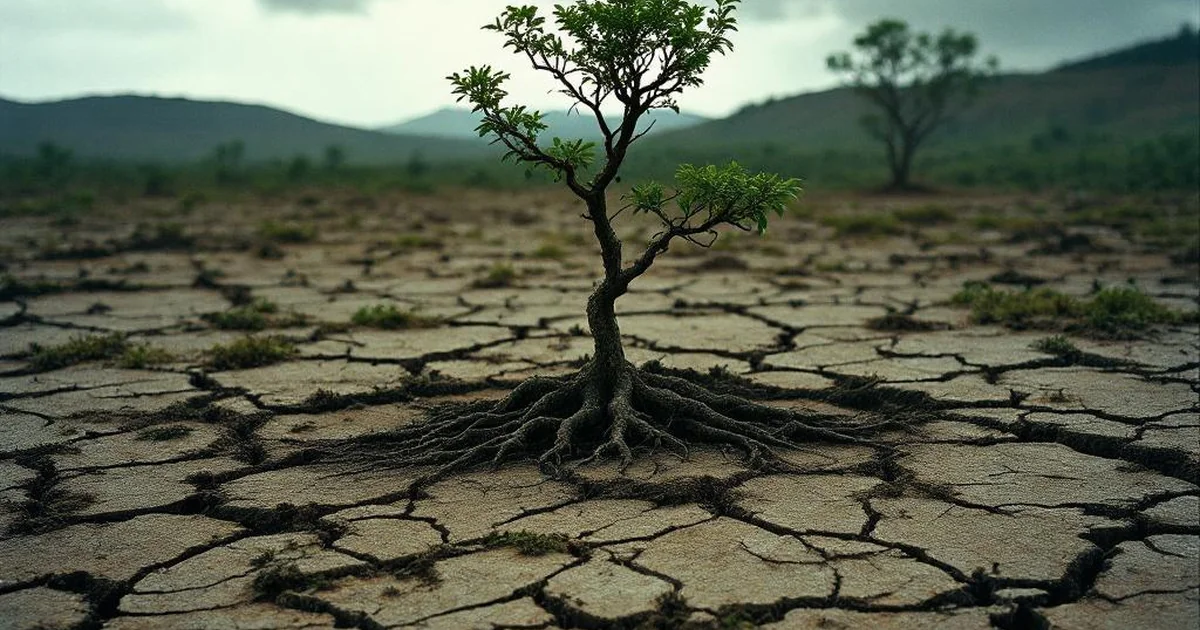
Imagine a field where the topsoil has turned brittle and pale, a landscape gasping for breath after years of synthetic assault. The earth cracks under a relentless sun, and the only green is the stubborn stain of weeds. This is the scene of degradation that plays out across millions of hectares worldwide—a silent crisis beneath our feet. Yet, in the shadow of this collapse, a quiet revolution is unfolding. It begins not with heavy machinery or chemical cocktails, but with a humble creature: the earthworm.
Soil health is the bedrock of ecosystem stability. It governs water filtration, nutrient cycling, and the very resilience of plant and animal communities. When soil degrades, entire food webs tremble. But nature has its own blueprint for restoration. Vermicompost—the nutrient-rich castings produced by earthworms digesting organic waste—is emerging as a powerful agent of bioremediation. Composting and vermicomposting are effective methods for the use of organic waste (10.5772/1382), transforming what we discard into a living amendment that can revive dead earth. This isn't just gardening; it's planetary medicine, administered one worm at a time.
Mechanism Deep Dive
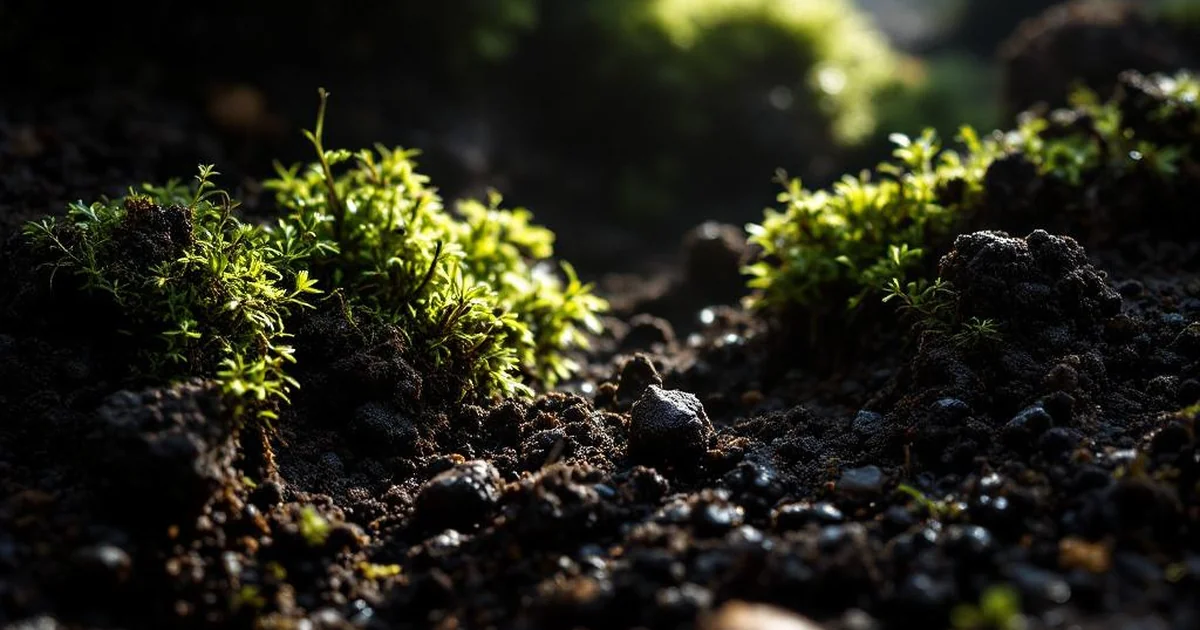
To understand why vermicompost works, we must descend into the microcosm of the soil. Vermicompost enhances soil quality by enriching it with essential nutrients, humic acids, growth-regulating hormones, and enzymes (10.3390/soilsystems7040101). These are not inert minerals; they are biologically active compounds that orchestrate a symphony of interactions beneath the surface.
The process begins with the worm's gut—a living bioreactor. As earthworms consume organic waste, their digestive tracts grind, mix, and inoculate the material with a unique consortium of microorganisms. The resulting castings are vastly different from the original feedstock. They are stable, humus-rich, and teeming with beneficial bacteria and fungi. The humic acids present in vermicompost act as chelators, binding to essential nutrients like nitrogen, phosphorus, and potassium, making them more available to plant roots while preventing them from leaching away. This is a slow-release system designed by evolution, not a factory.
These humic substances also play a critical role in soil structure. They bind soil particles into stable aggregates, creating pore spaces that allow air and water to move freely. This aeration is vital for root respiration and for the aerobic microbes that drive nutrient cycling. Meanwhile, the enzymes—such as phosphatases and dehydrogenases—catalyze the breakdown of organic matter, releasing nutrients in a steady, plant-accessible flow. The growth-regulating hormones, including auxins and gibberellins, directly stimulate root elongation and shoot development, giving crops a biological head start.
The table below summarizes the observed effects of vermicompost on soil and plant health, illustrating the breadth of its impact.
| Area of Impact | Observed Effect | Key Mechanism/Component |
|---|
| Soil Quality | Improved | Enrichment with essential nutrients, humic acids, growth-regulating hormones, enzymes |
| Crop Productivity | Increased | Enhanced plant nutrition, photosynthesis, overall crop quality |
| Soil Degradation | Mitigated | Sequestering organic carbon |
| Pest Management | Enhanced | Increased pest and disease tolerance |
The mechanism for pest and disease tolerance is particularly fascinating. Vermicompost does not act like a pesticide; it fortifies the plant from within. The hormones and beneficial microbes it introduces can prime the plant's immune system, triggering systemic resistance. When a pathogen attacks, a plant grown in vermicompost-enriched soil may respond faster and more robustly, warding off infection before it takes hold. This is not a poison—it is an education in resilience.
Furthermore, the carbon in vermicompost is largely in a stabilized, humified form. When added to soil, this organic carbon becomes sequestered, locked away from atmospheric oxidation. This process, known as carbon sequestration, directly counters the release of greenhouse gases from degraded soils. Vermicompost shows promise in mitigating soil degradation and sequestering organic carbon (10.3390/soilsystems7040101), turning agricultural fields from carbon sources into carbon sinks.
Comparing Efficacy: How Aerated Compost and Vermicompost Drive Different Bioremediation Pathways
The efficacy of soil bioremediation hinges on which amendment you choose—aerated compost or vermicompost—since each activates distinct microbial communities and chemical processes in contaminated soil. While aerated compost relies on thermophilic bacteria and fungi that thrive in oxygen-rich, high-temperature conditions, vermicompost introduces earthworms and their associated mesophilic microbiota, creating a gentler but often more persistent biological intervention. Understanding these divergent pathways helps explain why neither approach universally outperforms the other; instead, their efficacy depends on contaminant type, soil conditions, and remediation timelines.
Aerated compost excels at rapid pathogen destruction and volatile organic compound (VOC) degradation through aggressive microbial metabolism. The heat generated during active composting—often reaching 55–65°C—denatures persistent pollutants and pathogenic microbes within weeks (Epstein & Bloom, 2005). However, once incorporated into soil, this high-energy system cools, and microbial populations shift dramatically, potentially losing momentum in long-term bioremediation efforts.
Vermicompost operates through a slower but more stable mechanism: earthworms physically fragment organic matter while secreting enzymes that enhance microbial bioavailability of heavy metals and synthetic compounds. The worm gut itself becomes a microbioreactor where bacterial populations (often including Pseudomonas and Bacillus species) persist at high densities, sustained by continuous vermicomposting activity. Research by Sinha et al. (2010) demonstrated that vermicompost reduced cadmium and lead bioavailability in contaminated soils by 40–60% over six months—a slower trajectory than aerated methods, but with sustained efficacy as the earthworm population perpetuates remediation work.
The real power emerges when soil context guides your choice: aerated compost for crisis intervention in heavily contaminated urban sites requiring rapid turnover, vermicompost for long-term recovery in ecosystems where biological stability and carbon sequestration matter equally. Neither method stands alone as the universal solution, yet each harnesses living systems to transform poison into soil fertility.
Action-Encyclopedia Module: Enhance Crop Productivity
The benefits of vermicompost translate directly into the field. For farmers seeking to boost yields without escalating costs or environmental harm, vermicompost offers a proven path. Vermicompost increases crop productivity by improving plant nutrition, photosynthesis, and overall crop quality (10.3390/soilsystems7040101). This is not a marginal gain; it is a systemic upgrade to the plant's entire physiology.
The mechanism is straightforward: better nutrition fuels better growth. The balanced, slow-release nutrients in vermicompost prevent the boom-and-bust cycles associated with synthetic fertilizers. Plants receive a steady supply of nitrogen for leaf growth, phosphorus for root and flower development, and potassium for overall vigor and disease resistance. The humic acids enhance root surface area, allowing plants to mine the soil more effectively. The result is a greener leaf, which captures more sunlight, driving higher rates of photosynthesis and ultimately more grain.
Research has documented these benefits across a range of staple grain crops, including maize, wheat, barley, rice, and pearl millet (10.3390/soilsystems7040101). For a smallholder farmer in sub-Saharan Africa, applying vermicompost to a maize plot can mean the difference between a harvest that feeds the family and one that leaves a deficit. For a large-scale wheat operation in the American Midwest, it can reduce input costs while maintaining or improving yields. The application is scalable, adaptable, and rooted in natural processes.
Vermicompost also improves crop quality. Fruits and grains grown with vermicompost often have higher protein content, better shelf life, and superior taste. This is a direct result of the balanced nutrition and the absence of chemical residues. In a market increasingly conscious of food quality, this is a tangible advantage.
Action-Encyclopedia Module: Remediate Soil and Sequester Carbon
Beyond the harvest, vermicompost plays a critical role in healing degraded landscapes. Soil degradation—whether from erosion, salinization, or nutrient depletion—is one of the most pressing environmental challenges of our time. Vermicompost offers a biological tool to reverse this damage. It enhances pest and disease tolerance, reducing reliance on chemical interventions (10.3390/soilsystems7040101), and it actively works to restore the soil's natural functions.
The carbon sequestration potential of vermicompost is a key part of its value. When organic waste is composted by worms, the carbon is transformed into stable humic compounds that can persist in soil for decades, even centuries. This is not the temporary storage of fresh plant matter; it is long-term geological-scale carbon capture. By applying vermicompost to agricultural fields, we are effectively pulling carbon dioxide from the atmosphere and locking it into the soil. This is a direct, measurable contribution to climate change mitigation.
For bioremediation, vermicompost's ability to bind heavy metals and degrade organic pollutants is increasingly recognized. The humic acids and microbial communities in vermicompost can immobilize toxic metals like lead and cadmium, preventing them from entering the food chain. They can also break down certain pesticides and hydrocarbons, detoxifying contaminated sites. This makes vermicompost a valuable tool for restoring brownfields, mining spoils, and other industrially damaged lands.
The pest management benefits further reduce the environmental footprint of agriculture. By boosting plant immunity, vermicompost can lower the need for synthetic fungicides and insecticides. This protects beneficial insects, soil microbes, and the farmers themselves from chemical exposure. It is a shift from a reactive, chemical-based model to a proactive, health-based one.
Action-Encyclopedia Module: Close the Waste Loop
The story of vermicompost is also a story of waste. Every year, billions of tons of organic waste—food scraps, agricultural residues, animal manures—end up in landfills, where they decompose anaerobically, releasing methane, a potent greenhouse gas. Composting and vermicomposting are effective methods for the use of organic waste (10.5772/1382), turning this liability into a resource.
Vermicomposting is a form of advanced composting that accelerates the breakdown process. While traditional composting relies on heat-generating bacteria, vermicomposting uses earthworms to do the work at lower temperatures. This preserves more of the nitrogen and organic matter, resulting in a higher-quality end product. The worms themselves are also a valuable byproduct, used as animal feed or fishing bait.
This process embodies the principles of a circular economy. Waste from one system becomes the input for another. The nutrients that left the field in the form of food are returned to the field as vermicompost. The carbon that was released from the soil is recaptured. The cycle is closed, and the system becomes more resilient and self-sustaining. For municipalities struggling with waste management, vermicomposting offers a decentralized, low-tech solution that produces a valuable product. For farmers, it provides a local, affordable source of high-quality soil amendment.
Love In Action
Support the movement toward healthy soils by taking concrete steps. Start a home vermicompost bin. A simple plastic tub, some shredded newspaper, and a pound of red wigglers can transform your kitchen scraps into black gold for your garden. It is a daily, tangible act of recycling that connects you directly to the cycle of life.
Support farms that use organic amendments. When you buy food, ask your local farmers how they build their soil. Choose produce from growers who prioritize compost over chemicals. Your purchasing power sends a clear signal to the market that healthy soil matters.
Advocate for local composting initiatives. Push your city council to invest in community composting programs. Support policies that keep organic waste out of landfills and return it to the soil. Every ton of food waste composted is a ton of methane not emitted and a ton of carbon sequestered. These actions, multiplied across communities, build the foundation for planetary health.
Conclusion
Vermicompost is not a silver bullet, but it is a profound biological tool. It enriches soil, boosts crops, sequesters carbon, and closes waste loops—all through the humble work of earthworms. The evidence is clear: vermicompost enhances soil quality, increases crop productivity, and shows promise in mitigating soil degradation (10.3390/soilsystems7040101). It transforms organic waste into a living asset (10.5772/1382).
The path to a sustainable future runs through the soil. By embracing biological solutions like vermicompost, we can restore degraded landscapes, feed a growing population, and cool a warming planet. Imagine a world where every farm is a carbon sink, every scrap of food is returned to the earth, and every plant grows in a thriving, living soil. That world is not a fantasy. It is a choice. And it begins with a worm.