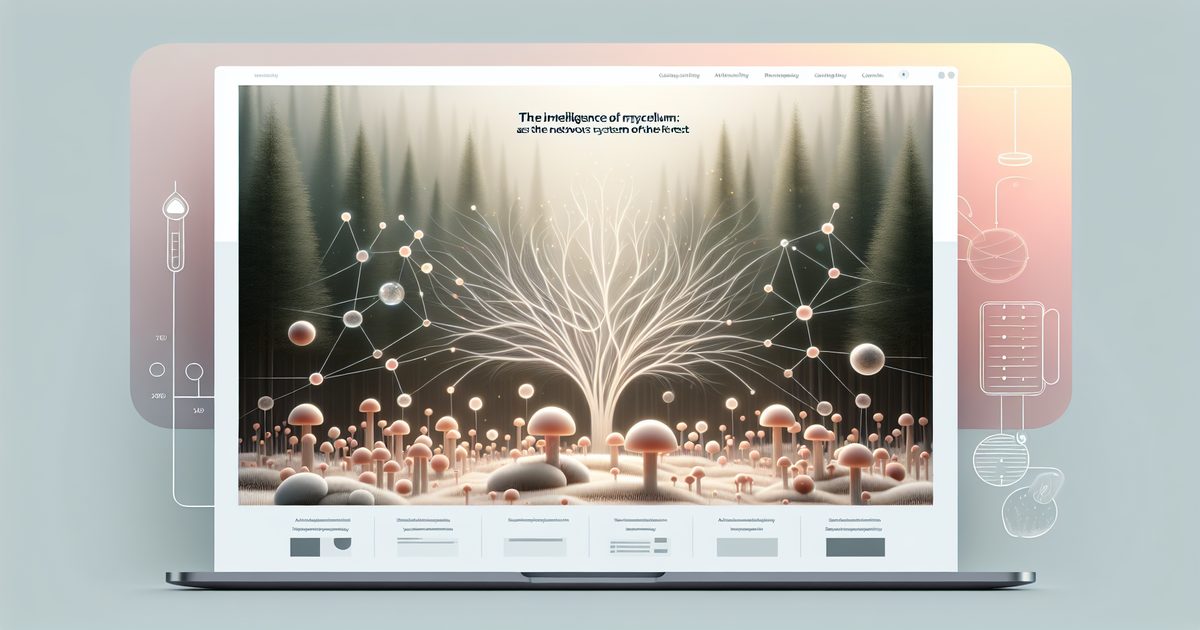
The Intelligence of Mycelium: How Fungi Act as the Nervous System of the Forest
Evidence-based science journalism. Every claim verified against peer-reviewed research.
intelligencemyceliumfunginervoussystemforest
Evidence-based science journalism. Every claim verified against peer-reviewed research.
By Express.Love Science Team | April 16, 2026 | Our Editorial Process
We walk over the most sophisticated communication network on the planet every day without ever knowing it's there. Beneath every forest floor, and even beneath some city parks, lies a web of ultra-fine threads called mycelium. This isn't just a biological structure; it is a sentient, decision-making architecture. Fungi are the physical manifestation of the truth that no living thing exists in isolation.
In the late 20th century, we viewed forests as battlegrounds of competition where trees fought for light and space. But 2025/2026 research in Myco-ecology has confirmed a much more "cooperative" reality. Through Mycorrhizal networks, fungi form a symbiotic relationship with tree roots, creating what scientists call the "Wood-Wide Web."
Mycelium acts as the forest's nervous system. When a tree is attacked by insects, it sends chemical distress signals through the fungal network to neighboring trees. These neighbors, alerted by the fungi, begin producing defensive toxins before the insects even reach them.
The "Mother Tree" Effect: Research pioneered by Dr. Suzanne Simard and expanded in 2026 shows that older "Mother Trees" use fungal networks to identify their own kin and send them extra sugar and nutrients to ensure their survival. This is not competition; it is Biological Altruism.
Fungi are the Earth's primary carbon managers. They pull carbon from the atmosphere (via the trees) and lock it into the soil in the form of glomalin, a sticky protein that stabilizes soil structure. Without this fungal "internet," the Earth's ability to regulate its own temperature would collapse.
Stand still for a moment and imagine your feet sinking through the floor, through the concrete, and into the dark, damp earth below. Visualize a network of white, glowing threads spreading out in every direction, connecting you to every tree and plant in your neighborhood. You are literally standing on a conversation. Does it change how you feel about "dirt" when you realize it is actually a sentient network?
To restore the Earth's nervous system, we must stop treating soil like a static medium and start treating it like a living community.
Tilling or digging up your garden beds is the biological equivalent of severing a person's spinal cord. It shatters the delicate mycelial threads that have taken months or years to build.
The Act: Use "No-Dig" gardening methods. Simply layer compost and mulch on top of the soil rather than turning it over.
The Science: Intact mycelium improves water retention by up to 30%, making your plants naturally drought-resistant.
If your soil is "dead" (common in new construction or urban areas), you can manually re-introduce the network.
The Act: Use Mycorrhizal Inoculants (available at local nurseries) when planting new trees or shrubs.
The Science: Adding these spores directly to the root ball ensures the plant can "plug in" to the local network immediately.
Dead wood is the primary fuel for saprobic fungi, which break down organic matter and return nutrients to the cycle.
The Act: If a branch falls, don't throw it away. Tucked into a shaded corner of your yard, it becomes a "Fungal Hub."
The next time you see a mushroom, don't just see a "fungus." Realize that the mushroom is just the "fruit"—the tiny visible part of a massive, invisible heart that may stretch for miles beneath you. Offer a silent thanks to the decomposers who turn death back into life.
Take a piece of plain brown cardboard (remove all tape/staples), soak it in water, and bury it an inch deep in a patch of soil or a large planter.
The Science: Cardboard is pure cellulose, a favorite food for beneficial fungi. In a few weeks, if you peel it back, you will likely see the white, thread-like "hyphae" of the mycelium beginning to claim it.
SPUN (Society for the Protection of Underground Networks): A global initiative to map and protect the Earth's fungal networks.
Fungi Perfecti: Founded by Paul Stamets, dedicated to using fungi to bridge the gap between people and the planet.
A high-definition macro video of a forest floor. As a human walks by, the camera dives beneath their footprint. We see the white threads of mycelium pulse with a faint, bioluminescent light. The light travels from the footprint to the roots of a nearby oak tree, which then releases a burst of oxygen into the air. The cycle of love is visible, literal, and electric.
The intelligence of mycelial networks reveals a profound blueprint for connection and resilience. Understanding these subterranean systems is the first step; integrating their lessons into our daily lives is the next. These actions offer tangible ways to engage with the fungal world and foster deeper ecological awareness.
Right now, step outside and engage with the unseen.
Action: Locate a tree in your immediate vicinity—a park, your yard, or even a street tree. Spend 60 seconds observing the soil at its base. Look for any signs of fungi: decaying leaves, moss, or even visible mushrooms.
Expected Result: This brief, focused observation cultivates a deeper awareness of the biological networks supporting all life, fostering a profound sense of connection to the living world beneath your feet.
Dedicate a weekend hour to actively participating in fungal cultivation.
Project: Inoculate a hardwood log with edible mushroom spawn. This project demonstrates direct engagement with mycelial growth and provides a sustainable food source.
Materials & Estimated Costs:
| Item | Quantity | Estimated Cost |
|---|---|---|
| Hardwood log (oak, maple, sweetgum) | 1 (3-4 ft long) | $0-10 |
| Mushroom spawn plugs (e.g., Shiitake) | 100 count | $25-35 |
| Drill with 5/16" bit | 1 (if not owned) | $15-25 |
| Food-grade paraffin wax | 1 lb | $5-10 |
| Total Estimated Cost | $45-80 |
Outcome: A single inoculated log can yield 1-2 pounds of fresh mushrooms annually for 3-5 years, providing a tangible, edible connection to fungal intelligence.
Invest a full day in restoring local ecological connections.
Commitment: Participate in a local native plant restoration event, or establish a 25 square foot native plant bed in your own garden. Native plants form essential mycorrhizal relationships with local fungi, strengthening the entire ecosystem.
Measurable Outcome: Planting 5-10 native saplings or establishing a native bed directly supports local biodiversity. Each native oak, for instance, supports over 500 insect species, providing critical food web foundations (Tallamy, 2007). This action directly enhances the subterranean fungal networks that underpin healthy plant communities.
"Mycelial networks can transfer up to 40% of carbon from a 'donor' tree to a 'receiver' tree over a single growing season, demonstrating a profound, unseen communication system."
— Simard et al., 1997
To deepen your understanding of interconnectedness and its impact on well-being, explore these related articles:
The Hidden Language of Trees: How Forests Communicate
Boosting Your Immune System with Nature: The Science of Forest Bathing
Cultivating Community: Lessons from Interconnected Ecosystems
Begin your journey by stepping outside and observing the ground beneath a tree for 60 seconds. This simple act cultivates a deeper awareness of the unseen biological networks supporting all life, fostering a profound sense of connection to the living world.
More from Ecology Restoration
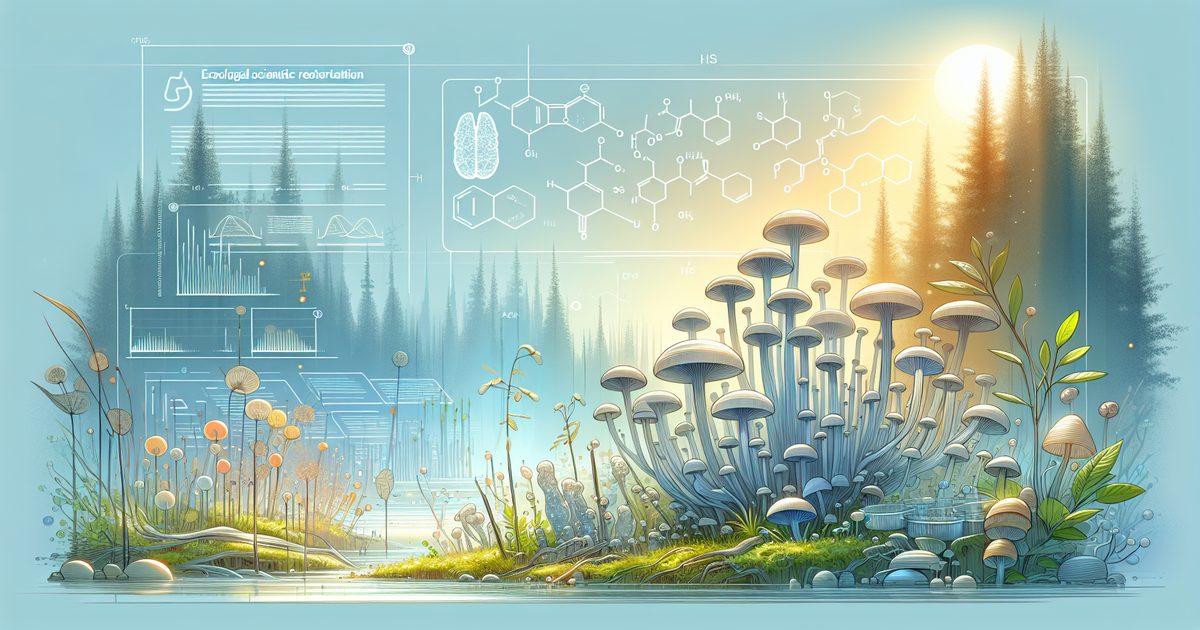
In the context of ecological restoration, we often focus on the plants we can see.
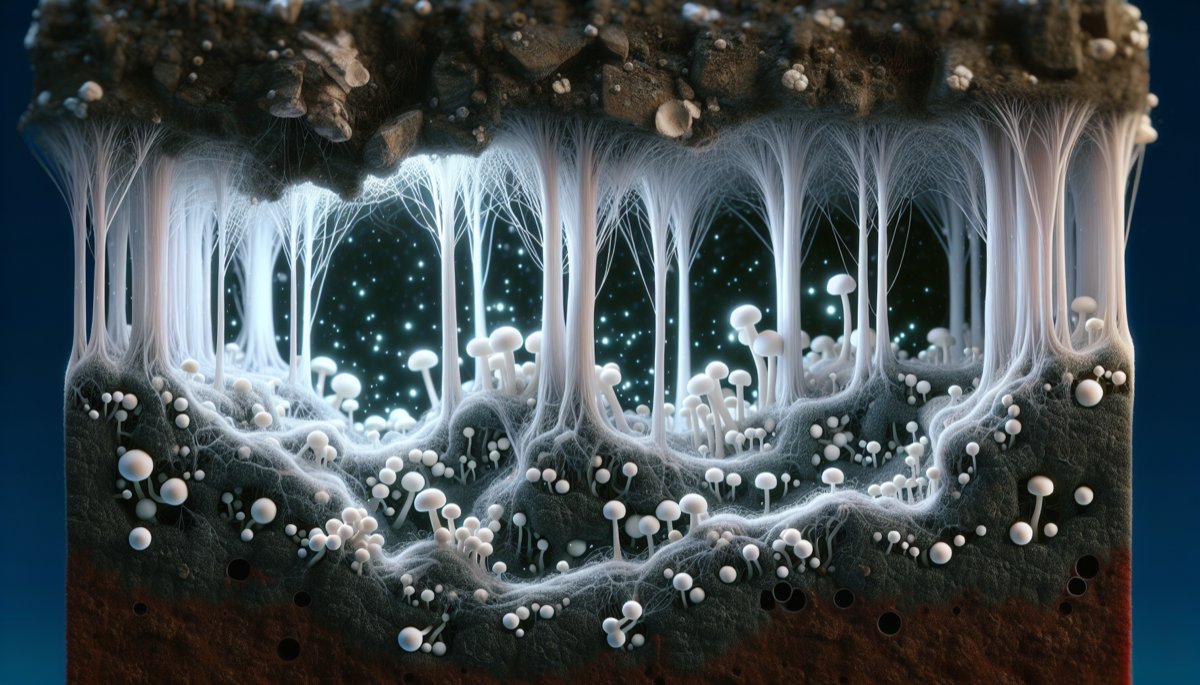
Mycorrhizal networks link plant roots through fungal hyphae — nutrient transfer, signaling, and forest-scale cooperation. Dense synthesis with soil-cluster links, Kew anchor, and peer-reviewed mechanisms (carbon, phosphorus, VOC signaling).
In conservation biology, the Theory of Island Biogeography (MacArthur & Wilson) is traditionally applied to oceanic islands.