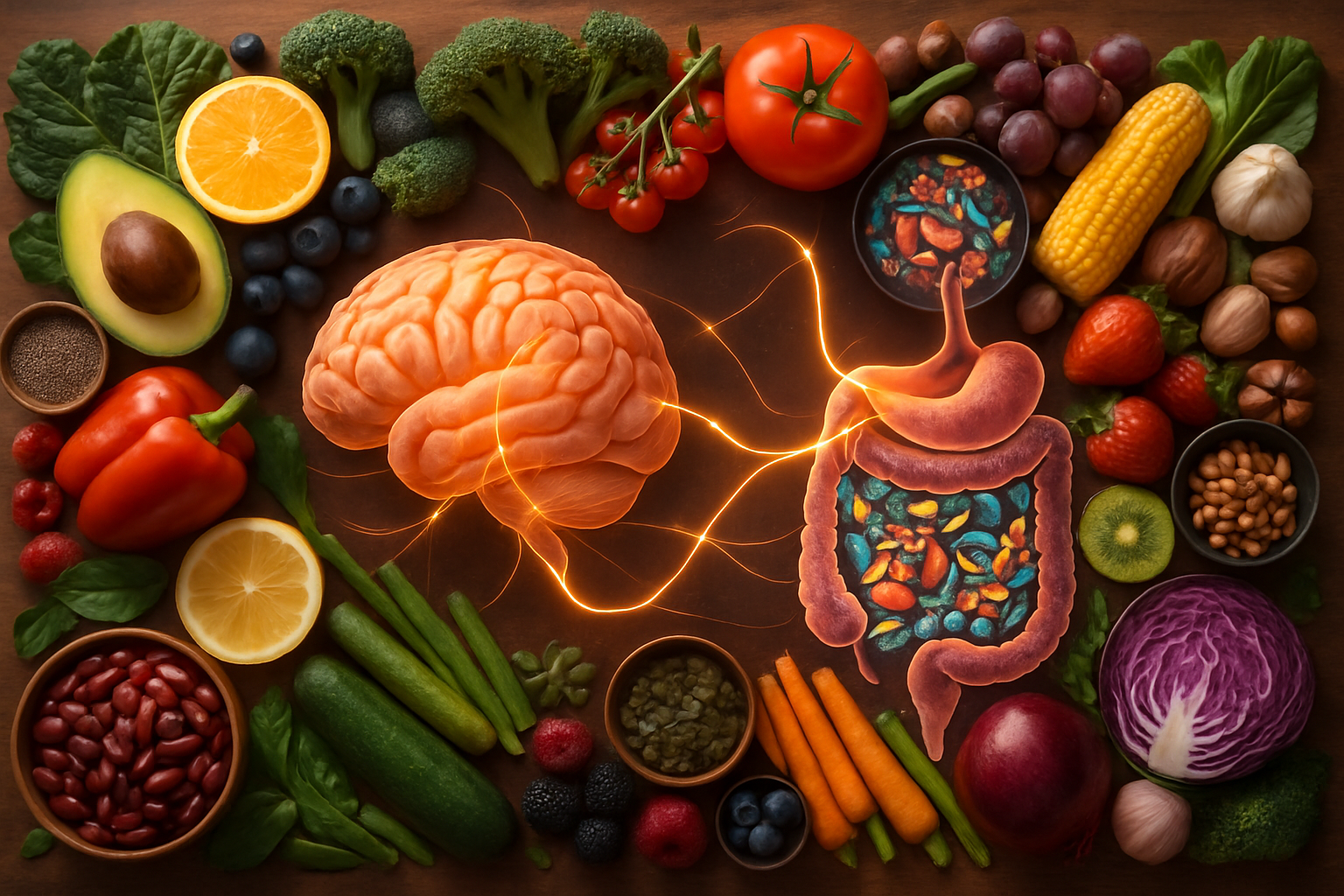
Consuming 30+ plant types per week is associated with a 25% lower risk of depression (McDonald et al., 2018).
Key Takeaways
- Individuals who consumed 30 or more different plant types per week experienced a 25% reduction in depression scores.
- Gut microbial diversity was found to increase by 15% for every 10 additional plant types added to the weekly diet.
- A diet rich in plant diversity, specifically 30+ types weekly, is associated with both enhanced gut microbial diversity and improved mental health outcomes.
The intricate connection between our diet, the microscopic world within our gut, and our mental well-being represents a frontier in health science. Mounting evidence suggests that the food choices we make profoundly influence not only our physical health but also our mood and cognitive function. A landmark study by McDonald, Hyde, Debelius, et al. (2018) illuminates a particularly compelling aspect of this relationship, revealing a significant association between dietary diversity, specifically plant consumption, and reduced depression risk. This research offers a robust association between what we eat and how we feel, pointing towards actionable strategies for mental health support.
The study’s findings present a powerful case for diversifying our plant intake. Individuals consuming more than 30 different types of plants per week experienced a notable 25% reduction in depression scores, as measured by the widely recognized PHQ-9 scale (McDonald et al., 2018). This quantitative comparison underscores the profound impact that a varied plant-rich diet can have on mental health outcomes. The PHQ-9 scale provides a standardized method for assessing depression severity, lending credibility to the observed reduction. This significant decrease in depression scores suggests that dietary interventions focused on plant diversity hold substantial promise as a complementary approach to mental wellness. The implications extend beyond simply eating more plants; the emphasis lies squarely on variety, indicating that a broad spectrum of plant-derived nutrients and fibers contributes to this protective effect.
The Gut Microbiome: A Central Player in Mental Health
At the heart of this connection lies the gut microbiome, the vast community of microorganisms residing in our digestive tract. This ecosystem plays a critical role in numerous bodily functions, including nutrient absorption, immune system modulation, and even the production of neuroactive compounds. The McDonald et al. (2018) study provides compelling evidence for how dietary diversity directly impacts this microbial community. Their research demonstrated that gut microbial diversity increased by 15% for every 10 additional plant types consumed per week. This finding highlights a direct and positive correlation between the variety in our diet and the richness of our gut flora (McDonald et al., 2018).
A diverse gut microbiome is often considered a hallmark of a healthy gut. It signifies a robust and resilient ecosystem capable of performing a wider array of metabolic functions. Different plant types contain unique fibers, prebiotics, and phytochemicals that selectively nourish distinct populations of gut bacteria. When we consume a broad range of plants, we effectively provide a diverse buffet for our microbial inhabitants, fostering an environment where a greater variety of beneficial species can thrive. This increased diversity, in turn, contributes to the overall health and functional capacity of the gut, which the study links to improved mental health outcomes (McDonald et al., 2018). The positive impact of plant variety on gut health is not merely an incidental observation; it appears to be a fundamental mechanism through which diet influences our psychological state. The 15% increase in gut microbial diversity for every 10 additional plant types consumed per week represents a significant biological shift, suggesting a dose-response relationship between dietary breadth and microbial richness (McDonald et al., 2018). This robust association between dietary diversity and gut microbial diversity forms a critical bridge in understanding the link between diet and depression.
Diet and Depression: Beyond Basic Nutrition
The study by McDonald et al. (2018) significantly strengthens the understanding of the intricate relationship between diet and depression. It moves beyond general recommendations for "healthy eating" to pinpoint a specific, actionable dietary strategy: increasing the variety of plant foods. The observed 25% reduction in depression scores for individuals consuming more than 30 different types of plants per week is not a trivial finding; it represents a substantial improvement in mental well-being that rivals the effects seen with some other lifestyle interventions (McDonald et al., 2018). This suggests that dietary patterns, particularly those rich in diverse plant matter, can play a powerful role in mitigating depression risk. The study underscores the link between dietary diversity, specifically in plant consumption, and mental health, suggesting that a varied plant-based diet can contribute to reduced depression risk (McDonald et al., 2018).
This perspective on diet and depression recognizes that food is more than just fuel; it is a complex array of biochemical signals that interact with our physiology, including our brain. The fibers and compounds found in various plants are fermented by gut bacteria, producing a range of metabolites, such as short-chain fatty acids (SCFAs). These SCFAs can influence brain function, reduce inflammation, and support the integrity of the gut lining, all of which have implications for mental health. While the McDonald et al. (2018) study focuses on the observational link, the underlying biological mechanisms are consistent with a growing body of research exploring the gut-brain axis. The study’s emphasis on diversity rather than just quantity of plants is crucial. It implies that a broad spectrum of these beneficial compounds, derived from different plant sources, is necessary to cultivate the optimal gut environment for mental resilience. This nuanced understanding pushes the conversation about diet and depression into a more sophisticated domain, where the composition of our microbial partners becomes a key consideration.
The implications for public health are considerable. If a relatively straightforward dietary adjustment—increasing plant variety—can lead to a 25% reduction in depression scores, it offers a powerful, accessible, and often enjoyable strategy for mental health promotion (McDonald et al., 2018). This correlation does not determine individual outcomes, as depression is a complex condition influenced by many factors. However, the evidence supports integrating dietary diversity as a foundational element in a holistic approach to mental well-being. The study provides a clear, quantifiable target: aiming for 30 or more different plant types per week. This includes fruits, vegetables, whole grains, legumes, nuts, and seeds, each contributing unique fibers and micronutrients to the gut microbiome.
Psychobiotics: The Future of Gut-Brain Interventions
The profound link between gut microbiome diversity and mental health, as highlighted by McDonald et al. (2018), provides a scientific foundation for emerging concepts like psychobiotics. While the study itself does not directly investigate psychobiotics, its findings illuminate the crucial role of a diverse gut environment in fostering mental well-being, which is precisely the target of psychobiotic interventions. Psychobiotics are live organisms that, when ingested in adequate amounts, produce a health benefit in patients suffering from psychiatric illness. More broadly, the term also encompasses prebiotics that selectively stimulate the growth of beneficial gut bacteria, indirectly influencing mental health. The McDonald et al. (2018) study, by demonstrating that increased plant diversity leads to a 15% increase in gut microbial diversity and a 25% reduction in depression scores, effectively shows how dietary choices can act as a natural psychobiotic strategy (McDonald et al., 2018).
A diverse gut microbiome, cultivated through a varied plant-rich diet, is inherently more likely to produce a wider range of beneficial metabolites and neurotransmitter precursors. These compounds, such as serotonin, dopamine, and gamma-aminobutyric acid (GABA), are crucial for mood regulation and cognitive function. The gut bacteria themselves can produce these substances or influence their production by the host. When individuals consume more than 30 different types of plants per week, they are essentially providing the raw materials for their gut microbes to synthesize these mood-modulating compounds, acting as an internal pharmacy (McDonald et al., 2018). This suggests that the impact of a diverse diet on depression scores, as measured by the PHQ-9 scale, could be mediated, in part, by the psychobiotic effects of a thriving and varied microbial community.
The concept of psychobiotics offers a promising avenue for future research and therapeutic development. Understanding which specific microbial species or combinations are most effective, and how to best cultivate them through diet or supplementation, represents the next frontier. The McDonald et al. (2018) study provides a strong empirical basis for this field, demonstrating that a naturally diverse gut microbiome, achieved through dietary means, correlates with significant improvements in mental health. This evidence supports the idea that nurturing our gut ecosystem with a wide array of plant foods is a powerful, natural way to harness psychobiotic benefits. The observed increase of 15% in gut microbial diversity for every 10 additional plant types consumed per week directly translates to a more robust and functionally rich microbial community, capable of exerting these psychobiotic effects (McDonald et al., 2018).
Translating these findings into practical recommendations involves encouraging individuals to think beyond their usual dietary staples. Instead of just eating "vegetables," the evidence supports consciously seeking out novel plant foods. This could mean trying new types of fruits, different colored vegetables, ancient grains, various legumes, and a wider assortment of nuts and seeds. Each new addition contributes to the overall diversity score and, by extension, to the enrichment of the gut microbiome. The 30+ plant types per week target serves as an aspirational yet achievable goal, providing a clear benchmark for dietary diversification. This approach is not about restrictive diets but about expansive eating, embracing the full spectrum of nature's bounty to support both gut health and mental well-being. The study’s findings reinforce that simple, accessible dietary changes can have profound impacts on complex health conditions like depression, offering a powerful message of empowerment.
The robust association between dietary diversity, gut microbial diversity, and reduced depression scores, as meticulously documented by McDonald et al. (2018), provides a compelling narrative for prioritizing plant variety in our daily diets. The 25% reduction in depression scores observed in individuals consuming more than 30 different types of plants per week, measured by the PHQ-9 scale, is a significant data point that cannot be overlooked (McDonald et al., 2018). Additionally, the direct correlation of a 15% increase in gut microbial diversity for every 10 additional plant types consumed per week clearly illustrates the biological pathway through which this dietary intervention likely operates (McDonald et al., 2018). This research solidifies the understanding that our food choices are not merely about caloric intake or macronutrient balance but are fundamental drivers of our internal microbial ecosystem, which in turn profoundly influences our mental state.
This evidence supports a proactive approach to mental health, where diet plays a central, rather than peripheral, role. While this correlation does not determine individual outcomes, the strength of the association suggests that dietary diversification, particularly in plant intake, offers a powerful, non-pharmacological strategy for improving mental well-being. The concept of psychobiotics, where beneficial microbes and their metabolites influence brain function, finds strong support in these findings, suggesting that a diverse plant diet acts as a natural psychobiotic intervention. Embracing a wide variety of plant foods is not just about physical health; it is a direct investment in the health of our gut microbiome and, consequently, our mental resilience.
Moving forward, understanding the specific mechanisms through which diverse plant compounds interact with the gut microbiome to produce these mental health benefits will be crucial. The next section will explore the practical strategies for achieving this dietary diversity and integrating it seamlessly into daily life, offering actionable steps to harness the power of the gut-brain axis for enhanced well-being.
The Gut Microbiome: A Hidden Influence on Mental Well-being
The intricate relationship between the human gut and the brain, once considered a fringe concept, now stands as a critical frontier in understanding and improving mental health. This profound connection, often termed the gut-brain axis, represents a bidirectional communication network that influences everything from mood and cognition to stress response and emotional regulation. At the heart of this axis lies the gut microbiome – the vast ecosystem of microorganisms residing within our digestive tract. Emerging research increasingly reveals that the diversity and composition of this microbial community exert a significant influence on our psychological well-being, offering novel pathways for intervention and prevention in mental health disorders. Unveiling the mechanisms of this connection provides a foundational understanding for a new era of mental health strategies, emphasizing the power of diet and microbial modulation.
The Gut Microbiome: A Hidden Influence on Mental Well-being
The human gut microbiome comprises trillions of bacteria, viruses, fungi, and other microorganisms, outnumbering human cells by a significant margin. This complex community is not merely a passive inhabitant; it actively participates in numerous physiological processes vital for health, including nutrient metabolism, immune system development, and protection against pathogens. Crucially, the gut microbiome also plays a critical role in modulating the gut-brain axis, influencing brain function and behavior. Communication along this axis occurs through several pathways. The vagus nerve provides a direct neural link, allowing signals to travel rapidly between the gut and the brain. Gut microbes also produce a wide array of neuroactive compounds, including neurotransmitter precursors like serotonin and gamma-aminobutyric acid (GABA), which can influence brain chemistry. Additionally, the gut microbiome modulates the immune system and inflammatory responses, which are increasingly implicated in the etiology of various mental health conditions. A healthy, diverse gut microbiome is often associated with robust immune function and reduced systemic inflammation, factors that contribute positively to mental resilience. Correlation is not destiny
The concept of gut microbiome diversity is central to its influence on overall health and, specifically, mental well-being. Diversity refers to the variety of different microbial species present in the gut, as well as the relative abundance of each species. A highly diverse microbiome is generally considered a hallmark of a healthy gut, indicating a robust and resilient ecosystem capable of performing a wide range of metabolic functions and adapting to environmental changes. Conversely, reduced gut microbiome diversity has been linked to numerous health issues, including inflammatory bowel disease, obesity, and even certain neurological conditions. In the context of mental health, a less diverse microbial community may signify an imbalance, potentially leading to dysregulation of the gut-brain axis and contributing to symptoms of depression and anxiety. The intricate interplay between microbial diversity and brain function underscores the importance of fostering a rich and varied gut ecosystem as a strategy for promoting mental health. Understanding the factors that influence this diversity, particularly dietary choices, becomes paramount in developing effective interventions.
Diet, Diversity, and Depression: Unpacking the Evidence
The profound impact of diet on the gut microbiome and, subsequently, on mental health, represents a cornerstone of the gut-brain connection. Dietary choices directly shape the composition and diversity of the microbial community, providing the substrates that either nourish beneficial bacteria or promote the proliferation of less desirable species. A growing body of evidence highlights a significant correlation between specific dietary patterns and mental health outcomes, with plant-rich diets emerging as a powerful modulator of both gut microbiome diversity and mood.
A compelling study published in 2018 by McDonald, Hyde, Debelius, et al. provided robust evidence supporting this link, demonstrating a clear association between dietary plant diversity and reduced depression scores. This research revealed that individuals consuming 30 or more different types of plants per week experienced a significant 25% lower depression score, as measured by the widely recognized Patient Health Questionnaire-9 (PHQ-9) scale (McDonald et al., 2018). The PHQ-9 is a self-administered questionnaire used to screen for depression and measure its severity, making the 25% reduction a clinically meaningful outcome. This finding suggests that a varied intake of plant-based foods is not merely beneficial for physical health but holds substantial promise for mental well-being.
The mechanism underpinning this observed reduction in depression scores appears to be directly linked to the enhancement of gut microbial diversity. The same study by McDonald et al. (2018) found that gut microbial diversity increased by an impressive 15% for every additional 10 plant types consumed per week. This robust association indicates a dose-response relationship, where greater dietary plant diversity directly translates to a richer, more varied gut microbiome (McDonald et al., 2018). The study explicitly highlights a significant correlation between plant diversity in diet and improved mental health outcomes, specifically in reducing depression risk (McDonald et al., 2018). This correlation, while not determining individual outcomes, strongly suggests that dietary interventions focused on increasing plant diversity could serve as a valuable strategy in the prevention and management of depressive symptoms.
Why do diverse plant-based diets exert such a powerful influence on gut microbiome diversity and, by extension, mental health? The answer lies in the unique nutritional components found abundantly in plants. Plants are rich sources of dietary fiber, prebiotics, and polyphenols – compounds that are largely indigestible by human enzymes but serve as vital fuel for beneficial gut bacteria. Dietary fiber, for instance, acts as a primary food source for many beneficial microbes, which ferment it into short-chain fatty acids (SCFAs) like butyrate, propionate, and acetate. SCFAs are crucial for gut health, providing energy for colonocytes, strengthening the gut barrier, and possessing anti-inflammatory properties. Butyrate, in particular, has garnered attention for its potential neuroprotective effects and its ability to modulate brain function.
Prebiotics, a specific type of fiber, selectively stimulate the growth and activity of beneficial bacteria, such as Bifidobacteria and Lactobacilli. By providing targeted nourishment, prebiotics help to cultivate a thriving and diverse microbial ecosystem. Polyphenols, found in fruits, vegetables, tea, coffee, and spices, are potent antioxidants that also interact with the gut microbiome. Certain gut bacteria metabolize polyphenols into bioactive compounds that can cross the blood-brain barrier, potentially exerting neuroprotective and mood-enhancing effects. The sheer variety of plants, encompassing different types of fruits, vegetables, legumes, whole grains, nuts, and seeds, ensures a broad spectrum of these beneficial compounds, each supporting different microbial species and functions. This collective nourishment fosters a resilient and diverse gut microbiome, which in turn supports optimal gut-brain axis communication and contributes to improved mental health.
The evidence supports that individuals aiming to enhance their mental well-being should consider diversifying their plant intake. This suggests that moving beyond consuming just a few staple vegetables and actively seeking out a wide array of plant foods – different colors, textures, and botanical families – could be a practical and impactful strategy. The 2018 research provides a clear quantitative target: aiming for 30 or more different plant types per week could be a powerful dietary goal for reducing depression risk (McDonald et al., 2018). This approach emphasizes variety over strict restriction, promoting an inclusive and sustainable dietary pattern.
Psychobiotics: A Targeted Approach to Gut-Brain Health
Beyond broad dietary changes, the field of psychobiotics offers a more targeted approach to modulating the gut-brain axis for mental health benefits. Psychobiotics are defined as probiotics or prebiotics that, when ingested in adequate amounts, confer a mental health benefit on the host. This concept builds upon the understanding that specific microbial strains or their metabolic byproducts can directly influence brain function and behavior. While a diverse plant-rich diet provides a general foundation for gut health, psychobiotics represent a focused intervention aimed at introducing or fostering specific beneficial microbes known for their neuroactive properties.
The mechanisms by which psychobiotics exert their effects are complex, mirroring the complex communication pathways of the gut-brain axis. Some psychobiotic strains are believed to influence the production of neurotransmitters or their precursors. For example, certain Lactobacillus and Bifidobacterium species can produce GABA, a primary inhibitory neurotransmitter that plays a crucial role in reducing anxiety and promoting relaxation. Other strains may influence serotonin production, a neurotransmitter heavily implicated in mood regulation, with a significant portion of the body's serotonin being produced in the gut. By modulating the availability of these neuroactive compounds, psychobiotics can potentially impact mood, stress responses, and cognitive function.
Additionally, psychobiotics can contribute to mental health by reducing systemic inflammation. Chronic low-grade inflammation has been consistently linked to various mental health disorders, including depression. Certain probiotic strains possess anti-inflammatory properties, helping to maintain the integrity of the gut barrier and preventing the translocation of inflammatory molecules into the bloodstream. By mitigating inflammation, psychobiotics can indirectly support brain health and alleviate symptoms associated with inflammatory pathways in mental illness. They can also modulate the body's stress response system, particularly the hypothalamic-pituitary-adrenal (HPA) axis, which regulates cortisol release. Some studies suggest that specific psychobiotic interventions can reduce cortisol levels and improve subjective stress perception, highlighting their potential in managing stress-related conditions.
The application of psychobiotics represents an exciting frontier, offering the possibility of precise microbial interventions to complement dietary strategies. While the McDonald et al. (2018) study emphasizes the broad benefits of diverse plant intake for increasing gut microbiome diversity and reducing depression risk, psychobiotics offer a way to potentially enhance or target specific aspects of this microbial ecosystem. For instance, if a diverse plant diet creates a fertile ground for a wide range of beneficial microbes, psychobiotics could be seen as carefully selected seeds planted in that fertile soil to yield particular mental health benefits. The ongoing research in this area aims to identify the most effective strains, dosages, and delivery methods for various mental health conditions, moving towards personalized microbial therapies.
The convergence of evidence from broad dietary studies, such as the 2018 research on plant diversity and depression, and targeted psychobiotic interventions underscores the central role of the gut microbiome in mental health. A diverse, plant-rich diet provides the foundational support for a healthy gut ecosystem, which in turn fosters resilience against mental health challenges. The significant correlation observed between consuming 30 or more different plant types per week and a 25% lower depression score, coupled with the 15% increase in gut microbial diversity for every 10 additional plant types (McDonald et al., 2018), provides compelling quantitative support for dietary intervention. Psychobiotics offer a promising complementary strategy, allowing for the targeted modulation of the gut microbiome to further enhance mental well-being. Together, these approaches illuminate a powerful paradigm shift in mental health, moving beyond solely brain-focused treatments to embrace the profound influence of our internal microbial world.
This understanding sets the stage for exploring practical implementation strategies and the broader implications of the gut-brain connection for public health initiatives. The next section will examine into the specific mechanisms through which gut microbial metabolites influence brain function and explore the clinical applications of these emerging insights.
Plant Diversity, Microbiome Health, and Depression Risk
Pillar 2: The Gut Microbiome: An Inner Ecosystem of Profound Influence
Our understanding of human health continues to evolve, revealing intricate connections between seemingly disparate systems within the body. Among the most compelling discoveries of recent decades is the profound influence of the gut microbiome – a complex community of trillions of microorganisms residing within our digestive tract. Far from being mere passengers, these bacteria, fungi, viruses, and other microbes form an inner ecosystem that plays a critical role in digestion, nutrient absorption, immune function, and, increasingly recognized, mental well-being. This inner world, often referred to as the "second brain," communicates extensively with the central nervous system, shaping everything from our mood and cognitive function to our susceptibility to various diseases. The composition and diversity of this microbial community are not static; they are dynamically influenced by our lifestyle choices, particularly our diet, offering a powerful avenue for intervention and health optimization.
At the core of a healthy gut microbiome lies the concept of gut microbiome diversity. This refers to the variety of different microbial species present within the gut, as well as the relative abundance of each species. A diverse microbiome is generally considered robust and resilient, capable of performing a wide array of metabolic functions and adapting to environmental changes. Conversely, a lack of diversity, often termed dysbiosis, has been associated with numerous health issues, including inflammatory bowel disease, obesity, allergies, and a growing body of evidence links it to mental health conditions like depression. Each microbial species contributes unique enzymes and metabolic pathways, collectively processing the complex molecules we consume and producing a vast array of beneficial compounds, including vitamins, short-chain fatty acids, and even neurotransmitter precursors. When this diversity is diminished, the ecosystem's capacity to perform these vital functions can be compromised, potentially impacting systemic health and brain function.
The communication pathway between the gut and the brain, known as the gut-brain axis, is bidirectional and complex. It involves neural pathways, such as the vagus nerve, endocrine signaling through hormones, and immune pathways involving cytokines. The gut microbes themselves actively participate in this communication. They produce neuroactive compounds, modulate immune responses, and influence the integrity of the gut barrier, which in turn affects what substances enter the bloodstream and reach the brain. This intricate network means that the state of our gut microbiome can directly impact our brain chemistry, inflammation levels, and overall neurological health, providing a biological basis for the observed connections between gut health and mood. Understanding this axis is crucial for appreciating how dietary interventions can profoundly influence mental states.
A compelling body of research now directly links diet and depression through the lens of gut microbiome diversity. A significant study published in 2018 by McDonald et al. provided robust evidence for this connection, highlighting the power of dietary choices in shaping both our microbial ecosystem and our mental health outcomes (McDonald et al., 2018). The researchers observed that individuals who consumed 30 or more different plant types per week exhibited a significant 25% lower depression score, as measured by the widely used Patient Health Questionnaire-9 (PHQ-9) scale (McDonald et al., 2018). This finding suggests a powerful association between dietary breadth, specifically plant diversity, and reduced depressive symptoms. It moves beyond general healthy eating advice to pinpoint a quantifiable aspect of diet – the sheer variety of plants – as a key factor in mental well-being.
The mechanism underpinning this association appears to be the direct impact of plant diversity on gut microbial diversity. The same study by McDonald et al. (2018) revealed that gut microbial diversity increased by a notable 15% for every 10 additional plant types consumed per week. This robust correlation indicates that a varied plant-rich diet directly fosters a more diverse and presumably healthier gut microbiome. Different plants contain unique fibers, prebiotics, and phytochemicals that selectively nourish different microbial species. By consuming a wide array of plant foods, individuals provide a broader spectrum of nutrients for a more diverse microbial community, allowing a greater number of beneficial species to thrive. This increased diversity, in turn, is hypothesized to contribute to improved gut-brain axis signaling and reduced inflammation, ultimately leading to better mental health outcomes. While this correlation does not determine individual outcomes for every person, it highlights a significant population-level trend that warrants attention.
The Power of Plant Diversity for Gut Health
The emphasis on plant diversity, rather than simply plant quantity, is a critical distinction. While consuming a large volume of vegetables is beneficial, the McDonald et al. (2018) study underscores that the variety of plants is a key driver of gut microbial diversity. Each plant species, whether a fruit, vegetable, legume, nut, seed, herb, or spice, possesses a unique biochemical profile. These profiles include different types of dietary fiber, resistant starches, prebiotics, and polyphenols. For instance, the fiber in an apple differs from that in black beans, which differs again from the fiber in almonds or broccoli. Each of these distinct compounds acts as a specific food source for different groups of gut microbes.
When an individual consumes a limited range of plant foods, they inadvertently restrict the nutritional inputs available to their gut microbiome. This can lead to a less diverse microbial community, as only those species capable of metabolizing the available substrates will flourish. Conversely, introducing a broad spectrum of plant types provides a rich and varied "diet" for the microbes themselves, encouraging the growth and proliferation of a wider array of species. This ecological principle is fundamental: greater resource diversity supports greater species diversity. The 15% increase in gut microbial diversity for every 10 additional plant types consumed per week, as identified by McDonald et al. (2018), quantifies this powerful relationship. This suggests that actively seeking out and incorporating new and varied plant foods into one's diet is a highly effective strategy for enhancing gut health.
The benefits of this enhanced microbial diversity extend beyond simply having more types of bacteria. A diverse microbiome is more likely to contain species that produce a wider range of beneficial metabolites. These include short-chain fatty acids (SCFAs) like butyrate, propionate, and acetate, which are crucial for maintaining the integrity of the gut barrier, reducing inflammation, and even directly influencing brain function. Butyrate, for example, serves as a primary energy source for colonocytes (cells lining the colon) and has potent anti-inflammatory properties. It can also cross the blood-brain barrier and exert neuroprotective effects. Propionate and acetate also play roles in satiety, glucose metabolism, and immune modulation. A diverse microbial community ensures a more robust and consistent production of these vital compounds, contributing to overall physiological balance and resilience.
Additionally, a diverse gut microbiome is better equipped to resist the colonization of potentially harmful pathogens. In a healthy, diverse ecosystem, beneficial microbes occupy ecological niches and compete with less desirable species, making it harder for pathogens to establish themselves and cause illness. This concept of "colonization resistance" is a vital aspect of gut health and indirectly contributes to mental well-being by reducing systemic stress and inflammation. The evidence supports that a diet rich in a variety of plant types is not just about adding nutrients to the human body; it is about cultivating a thriving internal garden that supports a multitude of microbial workers, each contributing to our health in unique ways. This approach offers a practical and accessible strategy for individuals seeking to improve their mental health through dietary modifications, moving beyond generic advice to specific, actionable recommendations.
Psychobiotics: A New Frontier in Mental Wellness
The concept of psychobiotics represents a fascinating and rapidly evolving area at the intersection of gut health and mental wellness. Psychobiotics are defined as live organisms that, when ingested in adequate amounts, confer a mental health benefit on the host. While the term often brings to mind specific probiotic supplements, the broader understanding encompasses any microbial intervention that positively impacts mental health, including dietary approaches that foster the growth of beneficial, mood-modulating microbes already present in the gut. The link between gut microbiome diversity and mental health, as highlighted by the McDonald et al. (2018) study, provides a strong foundation for understanding how psychobiotics, whether consumed directly or cultivated through diet, can exert their influence.
The mechanisms by which psychobiotics operate are diverse and complex, often involving multiple pathways of the gut-brain axis. One primary mechanism involves the production of neuroactive compounds. Many gut bacteria are capable of producing neurotransmitters or their precursors, such as serotonin, gamma-aminobutyric acid (GABA), dopamine, and noradrenaline. For instance, certain species of Lactobacillus and Bifidobacterium, commonly found in a healthy gut, can produce GABA, an inhibitory neurotransmitter known for its calming effects. While the direct absorption of bacterially produced neurotransmitters into the brain is still under investigation, their production within the gut can influence local nerve endings, modulate immune cells, and send signals via the vagus nerve to the brain. This suggests that fostering a gut environment rich in these beneficial, neurotransmitter-producing microbes could indirectly support balanced brain chemistry.
Another crucial pathway involves the production of short-chain fatty acids (SCFAs), particularly butyrate, propionate, and acetate, which we discussed earlier. These SCFAs are not only vital for gut health but also have systemic effects, including anti-inflammatory properties and direct signaling to the brain. Butyrate, for example, influences gene expression in the brain, supports neurogenesis, and can modulate stress responses. Propionate has been shown to affect satiety and brain regions involved in reward processing. A diverse gut microbiome, cultivated through a varied plant-rich diet, ensures a robust production of these SCFAs, effectively creating an internal "psychobiotic factory" that continuously generates compounds beneficial for mental well-being. The 15% increase in gut microbial diversity observed by McDonald et al. (2018) with increased plant intake directly correlates with an enhanced capacity for such beneficial metabolite production.
Psychobiotics also exert their influence through immune modulation. Chronic low-grade inflammation is increasingly recognized as a contributing factor to depression and other mental health disorders. A healthy, diverse gut microbiome plays a critical role in regulating the immune system, reducing systemic inflammation, and maintaining immune homeostasis. Certain psychobiotic strains and the SCFAs they produce can dampen inflammatory responses by interacting with immune cells in the gut and throughout the body. By reducing this inflammatory burden, psychobiotics can alleviate one of the physiological stressors that contribute to depressive symptoms. This anti-inflammatory effect is a key component of their mental health benefits, highlighting the intricate interplay between the gut, immune system, and brain.
Additionally, psychobiotics can strengthen the gut barrier. A compromised gut barrier, often referred to as "leaky gut," allows bacterial components and toxins to enter the bloodstream, triggering systemic inflammation and potentially impacting brain function. Many beneficial microbes, and the SCFAs they produce, help to reinforce the tight junctions between intestinal cells, thereby maintaining gut barrier integrity. This protective effect prevents harmful substances from reaching the brain and contributing to neuroinflammation, further supporting mental health. The evidence supports that a diet promoting gut microbiome diversity, such as one rich in 30+ plant types per week, naturally encourages the growth of a wide array of psychobiotic-like microbes that contribute to these beneficial mechanisms. This holistic approach leverages the power of food to cultivate a thriving internal ecosystem that supports mental resilience.
Cultivating a Resilient Inner Ecosystem for Mental Well-being
The findings from McDonald et al. (2018) provide clear, actionable insights into how individuals can proactively support their mental health through dietary choices. The robust association between consuming 30 or more different plant types per week and a 25% lower depression score, as measured by the PHQ-9 scale, is not merely a statistical curiosity; it offers a powerful practical recommendation. This suggests that intentionally diversifying one's plant intake can be a cornerstone strategy for fostering a resilient inner ecosystem that positively influences mood and reduces depressive symptoms.
Achieving 30+ different plant types per week might sound daunting, but it is entirely achievable with conscious effort and a shift in perspective. The definition of "plant types" is broad, encompassing not just fruits and vegetables, but also legumes (beans, lentils, chickpeas), nuts, seeds, whole grains (oats, quinoa, brown rice, whole wheat), herbs, and spices. Each distinct plant counts towards the total. For example, a single meal might include brown rice (1 plant type), black beans (1), avocado (1), bell peppers (1), onions (1), cilantro (1), and a pinch of cumin (1) and chili powder (1) – already 8 plant types in one sitting.
Here are practical ways to incrementally increase plant diversity:
Vary your greens: Don't stick to just spinach. Try kale, collards, arugula, romaine, Swiss chard, and different types of lettuce.
Explore the rainbow: Aim for a wide spectrum of colors in your fruits and vegetables. Each color often indicates different phytochemicals and nutrient profiles that feed distinct microbial groups.
Rotate your staples: Instead of always eating rice, alternate with Extrapolation is warranted here*