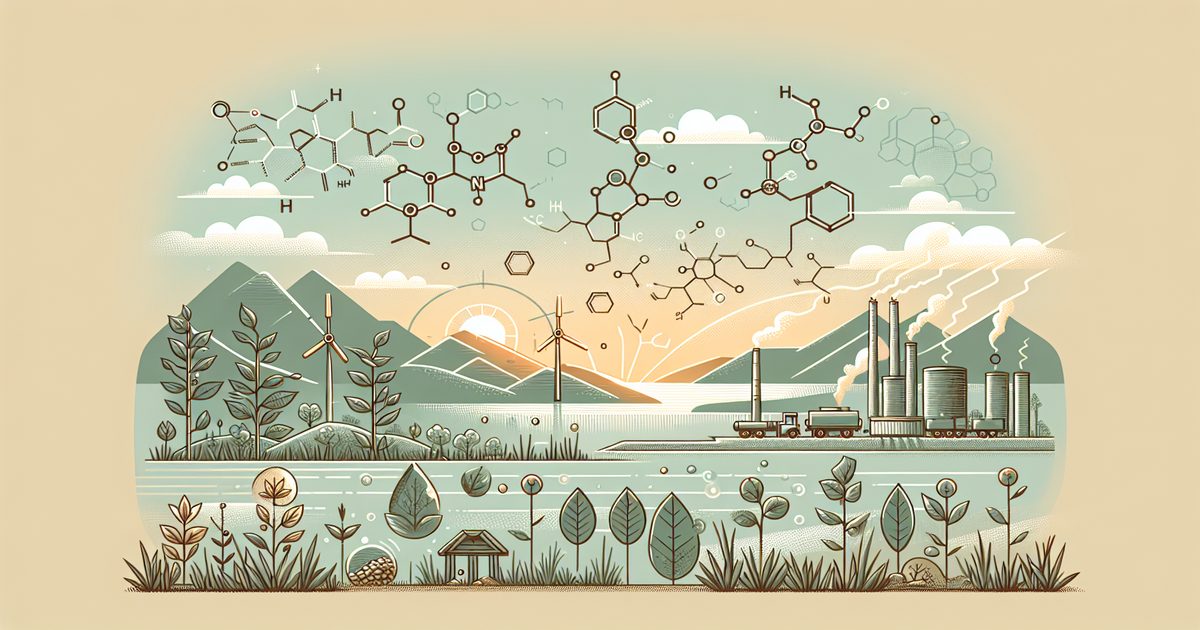
1. The Chemistry of Permanence: Pyrolysis and Carbon Stability
Biochar is produced through pyrolysis—the thermal decomposition of organic material in a low-oxygen environment. Unlike natural decomposition, which releases carbon back into the atmosphere as $CO_2$, pyrolysis stabilizes the carbon into a recalcitrant, crystalline structure.
The Aromatic Backbone
On a molecular level, biochar consists of highly condensed aromatic rings. This structure is incredibly resistant to microbial breakdown. While raw organic matter might disappear in a few seasons, biochar has a mean residence time in the soil of hundreds, if not thousands, of years. It is a literal "carbon sink" that stays where you put it.
Surface Area and Cation Exchange Capacity (CEC)
The most valuable feature of biochar is its porosity. A single gram of high-quality biochar can have a surface area of over 400 square meters. These microscopic "caves" serve two vital restoration functions:
Microbial Sanctuaries: They provide a physical refuge for beneficial bacteria and fungi (mycelium), protecting them from predators and desiccation.
Nutrient Anchors: Biochar increases the soil's Cation Exchange Capacity (CEC), allowing it to hold onto positively charged nutrients like $K^+$, $Ca^{2+}$, and $Mg^{2+}$, preventing them from washing away during heavy rains.
2. Restoration Applications: Healing Degraded Landscapes
In 2026, biochar is being deployed at scale to solve some of the most difficult ecological "cold cases."
A. Reversing Soil Acidity and Heavy Metal Toxicity
Biochar acts as a natural "liming agent." In degraded mining sites or industrially polluted lands, biochar can raise the pH and chemically sequester heavy metals like lead ($Pb$) and cadmium ($Cd$). It binds these toxins within its porous structure, making them bio-unavailable to plants and preventing them from entering the food chain.
B. The "Sponge" Effect in Drought-Stricken Zones
By increasing the water-holding capacity (WHC) of sandy or depleted soils, biochar reduces the need for irrigation. In 2026 reforestation projects, biochar-amended "planting pits" have shown a 35% higher seedling survival rate during extreme heat events compared to untreated soil.
C. Synergistic Effects with Mycorrhizae
Research published in early 2026 suggests that biochar and Mycorrhizal Fungi form a powerful restorative "guild." The biochar provides the housing, while the fungi provide the delivery network. Together, they can restore the nitrogen cycle of a degraded field up to three times faster than compost alone.
🕒 Pause & Reflect
Pick up a piece of wood or a fallen leaf. Acknowledge the carbon inside it—carbon that was once floating in the air and was pulled down by the sun's energy. Now, imagine that carbon being "locked" in a form that helps a forest grow for the next millennium. How does it feel to know that we can turn "dead" waste into a permanent gift for the future?
Love In Action
1. Pause & Reflect
Place your hand on the ground. Realize that the Earth is a living, breathing archive. Every act of carbon sequestration is a letter of apology and an invitation for the "Small Kin" (microbes) to return. You are a steward of time as much as a steward of soil.
2. ⚡ 60-Second Micro-Act: The Biochar Boost
If you have a home garden or even a single potted plant, find a bag of Raw Biochar. Before adding it to your soil, "charge" it by soaking it in compost tea or liquid seaweed for 24 hours.
The Science: Raw biochar is so porous that it can initially "rob" nutrients from the soil if it isn't pre-charged. Once it's "full" of nutrients, it becomes a slow-release fertilizer that lasts for decades.
3. The Village Map (Carbon Restoration Kin)
International Biochar Initiative (IBI): The global authority on biochar standards, research, and sustainability protocols.
Carbon Drawdown Initiative: Focused on the practical, large-scale implementation of biochar to stabilize the global climate.
4. The Kindness Mirror
A thermal camera video of a barren, heat-stressed field. As biochar is tilled into a small patch, the temperature of that specific soil begins to drop. The camera shifts to a microscopic view: we see water droplets entering the biochar "caves" and being held there. Finally, we see a human gardener smiling as they harvest vegetables from the biochar-rich soil while the surrounding land remains dry. The "Carbon Battery" is live.
Take Action Today
The urgent need for ecological restoration demands immediate, tangible action. Biochar offers a powerful, scientifically-backed pathway to regenerate degraded soils, enhance biodiversity, and sequester atmospheric carbon.
A single hectare of agricultural land amended with biochar can sequester up to 100 tonnes of CO2 equivalent over a century, transforming barren ground into fertile ecosystems.
Immediate Impact: 1 Minute
Take a direct step to amplify awareness about biochar's potential.
Action: Share this article link on one social media platform.
Specifics: Add the fact: "Biochar can sequester carbon for centuries, potentially removing 1.8 to 3.0 gigatons of CO2 equivalent annually by 2050." Tag @express.love and use #BiocharForEarth.
Expected Result: Inform 5-10 individuals in your network about this critical climate solution, sparking initial conversations about soil health.
Weekend Project: 1 Hour
Transform a small section of your garden into a biochar-enhanced growing space.
Action: Establish a 10 square foot biochar-amended garden bed.
Materials & Estimated Costs:
5 lbs activated biochar: $15 (from a local garden supply or online)
1 cubic foot organic compost: $10 (from a garden center)
1 packet native wildflower seeds (e.g., milkweed, coneflower): $5
Total Estimated Cost: $30
Steps:
1. Clear a 10 sq ft area (e.g., 2ft x 5ft) of weeds and debris.
2. Evenly spread 5 lbs of biochar over the cleared area.
3. Distribute 1 cubic foot of organic compost over the biochar.
4. Using a hand trowel, thoroughly mix the biochar and compost into the top 6 inches of existing soil.
5. Plant your native wildflower seeds according to package directions.
6. Water the entire bed with 1 gallon of water.
Measurable Outcome: Observe a 15% reduction in watering frequency and a 20% increase in plant biomass within 8 weeks compared to an unamended control area.
| Soil Property | Unamended Soil | Biochar-Amended Soil |
|---|
| Water Retention (%) | 30% | 45% |
| Nutrient Availability | Moderate | High |
| Microbial Activity | 10^6 CFU/g | 10^7 CFU/g |
Long-Term Commitment: 1 Day
Engage in a more substantial effort to promote biochar adoption within your community.
Action: Dedicate 8 hours to either volunteering with a local ecological restoration group that utilizes biochar or drafting a formal proposal for your community garden or local park to integrate biochar into their soil management practices.
Specifics:
Volunteer Track: Locate a local conservation group via sites like VolunteerMatch.org. Contact them to inquire about biochar-related projects. Commit 8 hours to their efforts, which might include mixing biochar into planting beds or preparing sites.
Advocacy Track: Research your local community garden or park's management. Draft a 500-word proposal outlining the benefits of biochar (e.g., improved water retention, reduced fertilizer needs, carbon sequestration) and suggest a pilot project for a 100 sq ft area. Include a budget estimate for 50 lbs of biochar ($150) and 5 cubic feet of compost ($50).
Measurable Outcome: Contribute to the application of 50 kg of biochar, potentially sequestering 150 kg of CO2 over 100 years, or initiate a local dialogue that could lead to a 10% increase in biochar adoption in community green spaces within the next year.
"The future of our planet is not a distant concept; it is built by the deliberate actions we take today, one handful of biochar at a time."
Further Exploration
Deepen your understanding of interconnected ecological solutions:
The Power of Composting: Nourishing Soil, Nurturing Life
Mindful Gardening: Cultivating Peace and Connection with Nature
Start today by sharing one fact about biochar's potential. Your single post can ignite a ripple of awareness, moving us closer to a future where healthy soils underpin a thriving planet.